Will Betta Fish Bite Your Finger
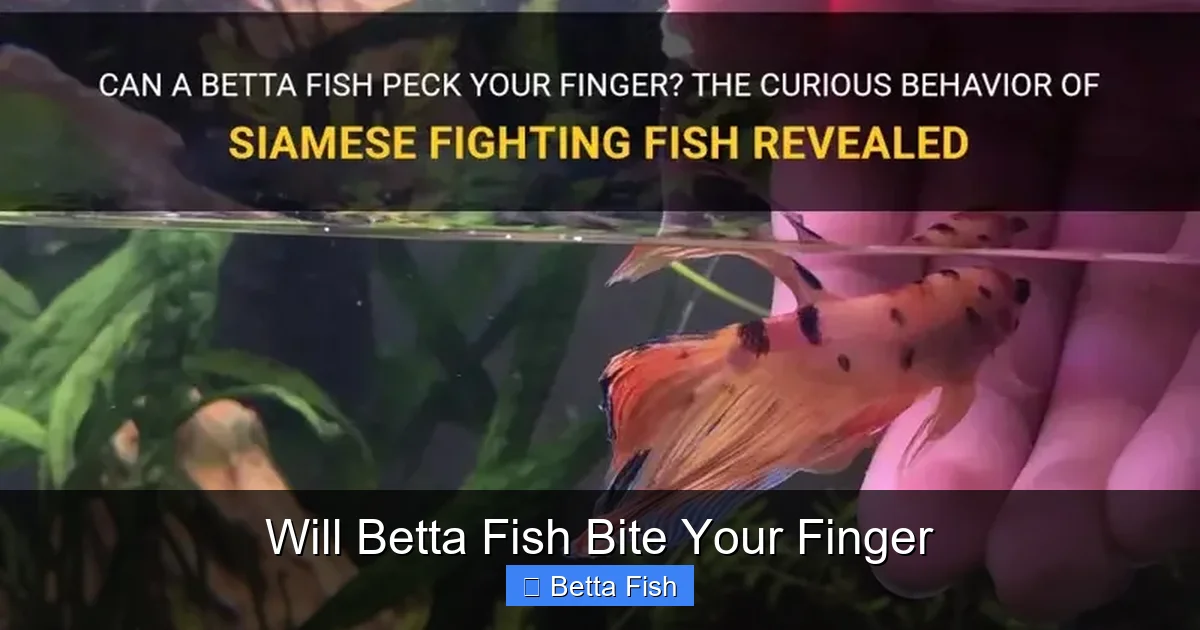
Betta fish can bite, but it’s rare and usually harmless. Understanding their behavior, stress signals, and proper handling will keep both you and your fish safe. Follow our simple tips to enjoy close interaction without the nip.
Key Takeaways
- Betta bites are uncommon: Most bites are light nips caused by stress or curiosity.
- Proper handling prevents bites: Calm movements and clean hands reduce the chance of a nip.
- Stress is the main trigger: Poor water quality, cramped space, or sudden changes can make a betta bite.
- Bite pain is minimal: A betta’s bite feels like a tiny pinprick and rarely breaks the skin.
- Observe body language: Flaring fins, darkened colors, and rapid gill movement signal a potential bite.
- Regular tank care matters: Clean water and proper tank setup keep your betta happy and less likely to bite.
- Use internal resources: Learn more about betta health, feeding, and tank setup through our related guides.
📑 Table of Contents
- Introduction: The Curious Case of the Nipping Betta
- 1. What Does a Betta Bite Look Like?
- 2. How Common Is It for Betta Fish to Bite?
- 3. Signs Your Betta Might Bite – Reading the Body Language
- 4. Safe Handling Techniques to Avoid Bites
- 5. Environmental Factors That Influence Biting
- 6. What Happens If a Betta Does Bite?
- 7. Frequently Asked Questions About Betta Bites
- Conclusion: Enjoying Your Betta Without the Pinch
Introduction: The Curious Case of the Nipping Betta
If you’ve ever held a betta fish, you might have felt a tiny pinch on your fingertip. That little “bite” can be surprising, especially when you picture these colorful fish as gentle swimmers. In reality, bettas are small, territorial creatures with a mouth designed for catching tiny prey, not for giving humans a painful bite.
In this article we’ll explore exactly why a betta might bite, how often it happens, and what you can do to keep the interaction pleasant. Think of it as a friendly chat over coffee, where we break down the science, share real‑world examples, and give you practical tips you can start using today.
1. What Does a Betta Bite Look Like?
Size and Sensation
A betta’s mouth is only a few millimeters wide. When it bites, you’ll feel a quick, light pinch—much like a mosquito bite or a tiny pinprick. It rarely breaks the skin, and any redness usually fades within minutes.
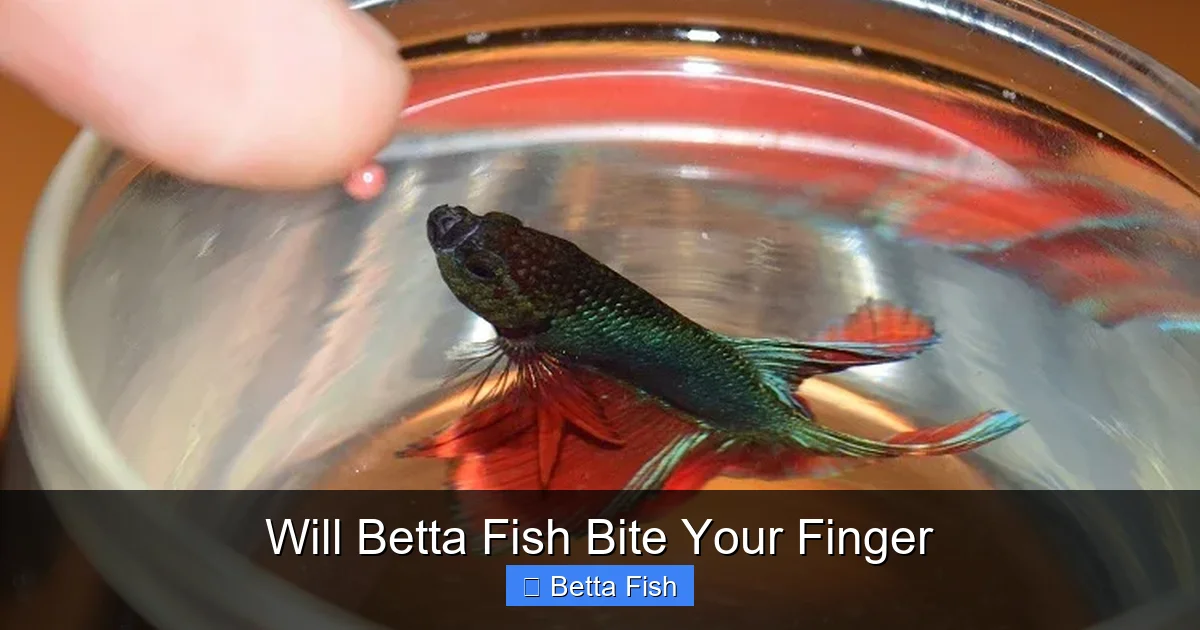
Visual guide about Will Betta Fish Bite Your Finger
Image source: fishlab.com
Why It Happens
Betta bites are usually a response to:
- Stress: Sudden movements, loud noises, or a cramped tank can make a betta defensive.
- Curiosity: Young or newly acclimated bettas may explore objects (including your finger) with their mouths.
- Territorial instinct: In the wild, bettas defend their space aggressively; a hand can be mistaken for an intruder.
2. How Common Is It for Betta Fish to Bite?
Statistics from Hobbyists
Surveys of betta owners show that less than 10 % report a bite at any point in their fish’s life. Most of those bites are described as “light” or “just a nip.” This tells us that while the behavior exists, it’s not a regular problem for most keepers.
Comparing to Other Species
Compared with larger cichlids or aggressive tetras, bettas are far less likely to bite a human. Their small size and diet of tiny insects keep their jaws weak—perfect for nibbling on mosquito larvae, not for delivering a painful bite.
3. Signs Your Betta Might Bite – Reading the Body Language
Flaring Fins
When a betta flares its gill covers and spreads its fins, it’s showing dominance. If you see this while reaching toward the tank, back off a moment. The fish is saying, “I’m ready to defend my space.”
Darkened Colors
Stress often makes a betta’s bright colors turn dull or even blacken at the edges. This is a visual cue that the fish is uncomfortable and may bite if provoked.
Rapid Gill Movement
Fast gill beats can indicate excitement or agitation. Pair this with a sudden darting movement toward the glass, and you have a higher chance of a nip.
Practical Tip
Before you touch the water, pause and watch your betta for 30 seconds. If any of the signs above appear, give it a moment to settle before attempting to interact.
4. Safe Handling Techniques to Avoid Bites
Wash Your Hands
Clean, dry hands remove oils that can stress a betta. A quick rinse with lukewarm water is enough—no soap needed.
Approach Slowly
Move your hand toward the tank in a slow, deliberate motion. Sudden splashes or fast hand movements can startle the fish, increasing bite risk.
Use a Net or Cup
If you need to move your betta, use a soft, mesh net or a small cup. Gently coax the fish into the net rather than grabbing it directly with your fingers.
Limit Direct Finger Contact
While some owners enjoy gently holding a betta on their fingertip, it’s best to keep this interaction brief. Prolonged contact can stress the fish and lead to nipping.
Practice “Finger Test”
Place a clean finger near the water surface without touching the fish. If the betta swims away calmly, you’re likely safe to proceed. If it darts toward you, give it more space.
5. Environmental Factors That Influence Biting
Water Quality
Ammonia spikes, high nitrite levels, or low oxygen can make any fish irritable. Regular water changes (about 25 % weekly) keep the environment stable and reduce stress‑related bites.
Tank Size and Decoration
A 5‑gallon (or larger) tank with plenty of hiding spots—like live plants or smooth rocks—gives a betta room to claim territory without feeling threatened.
Temperature
Betta fish thrive in water that’s 76‑82 °F (24‑28 °C). Temperatures outside this range can cause lethargy or agitation, both of which may increase the likelihood of a bite.
Feeding Routine
Regular, appropriate feeding reduces competition instincts. Over‑feeding can lead to sloppy water, while under‑feeding may make the betta more aggressive when food appears.
Link to Related Care Guides
For a deeper dive into tank setup, check out our guide on how to decorate your betta fish tank and learn why a well‑planted environment can calm a nervous betta.
6. What Happens If a Betta Does Bite?
Immediate Effects
Most bites feel like a minor pinch. The skin may turn slightly red, but it usually heals on its own. If you notice a break in the skin, clean the area with mild soap and water, then apply an antiseptic.
When to Seek Medical Attention
Although rare, a bite could become infected if the wound is not cleaned. Seek a doctor’s advice if you see swelling, pus, or prolonged pain.
Betta Health Check
After a bite, observe your betta for signs of stress or illness—such as loss of appetite, faded colors, or clamped fins. If any of these appear, consult our article on how do you know if your betta fish is dying for early warning signs.
7. Frequently Asked Questions About Betta Bites
Do all betta fish bite?
No. Biting is a personality trait, not a species‑wide behavior. Some bettas never bite, while others may nip occasionally.
Can a betta’s bite hurt a child?
Even a child’s thin skin will only feel a light pinch. The bite is not strong enough to break skin under normal circumstances.
Is a betta’s bite a sign of aggression toward other fish?
Yes, a biting habit can indicate a highly territorial fish. Keep such bettas in a single‑species tank to avoid conflicts.
Will a betta bite if it’s hungry?
Hunger can make a betta more eager to snap at moving objects, including your finger. Stick to a regular feeding schedule to reduce this trigger.
Can training stop a betta from biting?
Gentle, consistent handling can help a betta become accustomed to human contact, reducing bite frequency over time.
Does water temperature affect biting?
Yes. Too‑cold water can make a betta sluggish and irritable, while overly warm water can increase activity levels, both of which may lead to more bites.
Conclusion: Enjoying Your Betta Without the Pinch
Betta fish are fascinating, vibrant companions that rarely bite, and when they do, the nip is usually harmless. By understanding the signs of stress, maintaining a clean and spacious tank, and handling your fish with calm, deliberate movements, you can minimize the chances of a bite.
Remember, a happy betta is less likely to nip. Keep the water parameters stable, feed a balanced diet, and give your fish plenty of hiding places. If a bite does happen, treat it like any minor skin irritation and keep an eye on your fish’s health. With these simple steps, you’ll enjoy close, safe interactions with your beautiful betta for years to come.
Frequently Asked Questions
Will a betta fish bite my finger?
Yes, but the bite is usually a light pinch that feels like a tiny pinprick and rarely breaks the skin.
What triggers a betta to bite?
Stress, sudden movements, territorial instincts, and curiosity are the main triggers for a betta’s bite.
How can I tell if my betta is stressed?
Watch for flaring fins, darkened colors, rapid gill movement, and erratic swimming—these are signs of stress.
Is a betta bite dangerous to humans?
For most people the bite is harmless. Clean the area if it reddens; seek medical help only if infection signs appear.
Can I train my betta not to bite?
Gentle, consistent handling can help a betta become accustomed to human contact, reducing bite frequency.
Where can I learn more about keeping my betta healthy?
Check out our guide on Do Betta Fish Bite for additional tips on behavior and care.