Will a Betta Fish Eat Shrimp
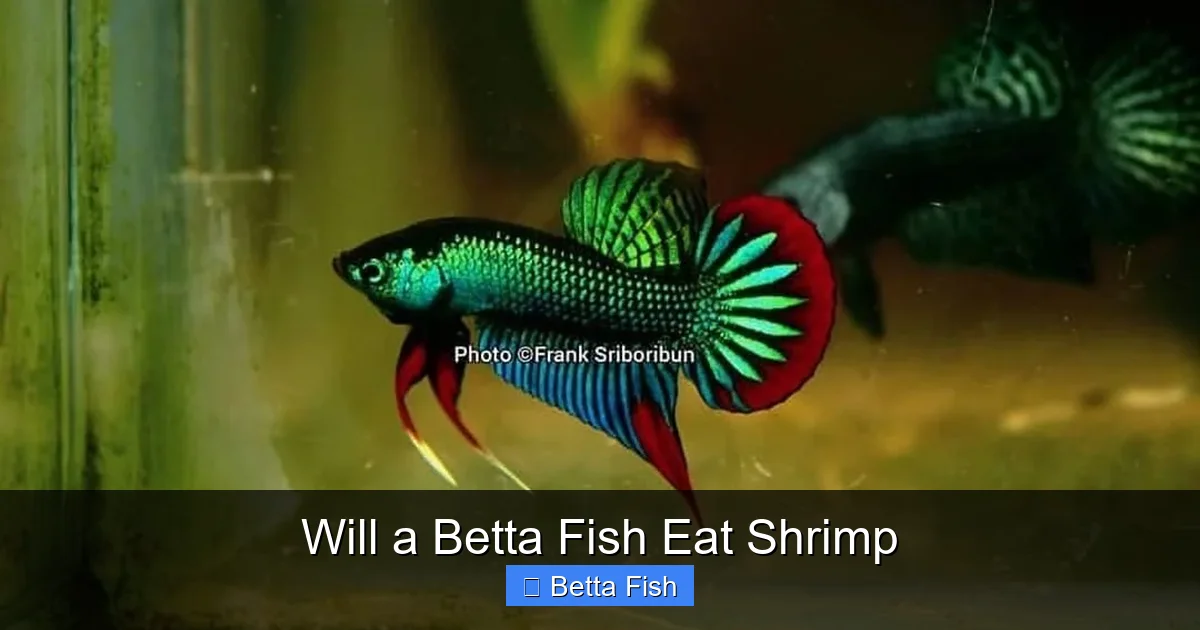
Will a betta fish eat shrimp? In most cases, bettas will chase and sometimes nibble small shrimp, but they rarely kill healthy adults. Understanding size, temperament, and tank setup helps you keep both species happy together.
Key Takeaways
- Size matters: Larger bettas are more likely to view shrimp as prey.
- Species matters: Some shrimp, like Ghost or Aman, are faster and can coexist.
- Feeding habits: A well‑fed betta is less inclined to hunt shrimp.
- Tank setup: Plenty of hiding places reduce shrimp stress.
- Observation is key: Watch initial interactions and be ready to separate if needed.
- Alternative foods: Offer frozen or live foods to satisfy a betta’s predatory instinct.
- Compatibility resources: Use our guides on tank mates and feeding for more details.
📑 Table of Contents
- Introduction: Why This Question Pops Up
- 1. Betta Biology and Feeding Instincts
- 2. Shrimp Species Most Commonly Kept With Betta
- 3. Tank Size, Layout, and Hiding Places
- 4. Real‑World Examples: Success Stories & Cautions
- 5. Feeding Strategies to Reduce Predatory Behavior
- 6. Making the Decision: Should You Mix Them?
- Conclusion: The Bottom Line
Introduction: Why This Question Pops Up
If you’ve ever watched a bright‑colored betta flare its fins and then spot a tiny shrimp scuttling across the bottom, you might wonder, “Will a betta fish eat shrimp?” It’s a common concern for hobbyists who love the vibrant display of a betta but also want the fascinating activity of shrimp in the same aquarium.
Betta fish are natural hunters. In the wild they chase insects, larvae, and small crustaceans. In a home tank, that instinct doesn’t disappear—it just looks for whatever moves. Shrimp, being small and often active, can trigger that predatory response. However, the outcome depends on many factors: the betta’s size, temperament, the shrimp species, tank size, and even what you feed your betta.
In this article we’ll break down the science, share real‑world examples, and give you practical tips so you can decide whether to mix bettas and shrimp safely.
1. Betta Biology and Feeding Instincts
Natural diet of a betta
Betta fish belong to the gourami family and are labyrinth fish, meaning they can breathe air from the surface. In the wild they eat:
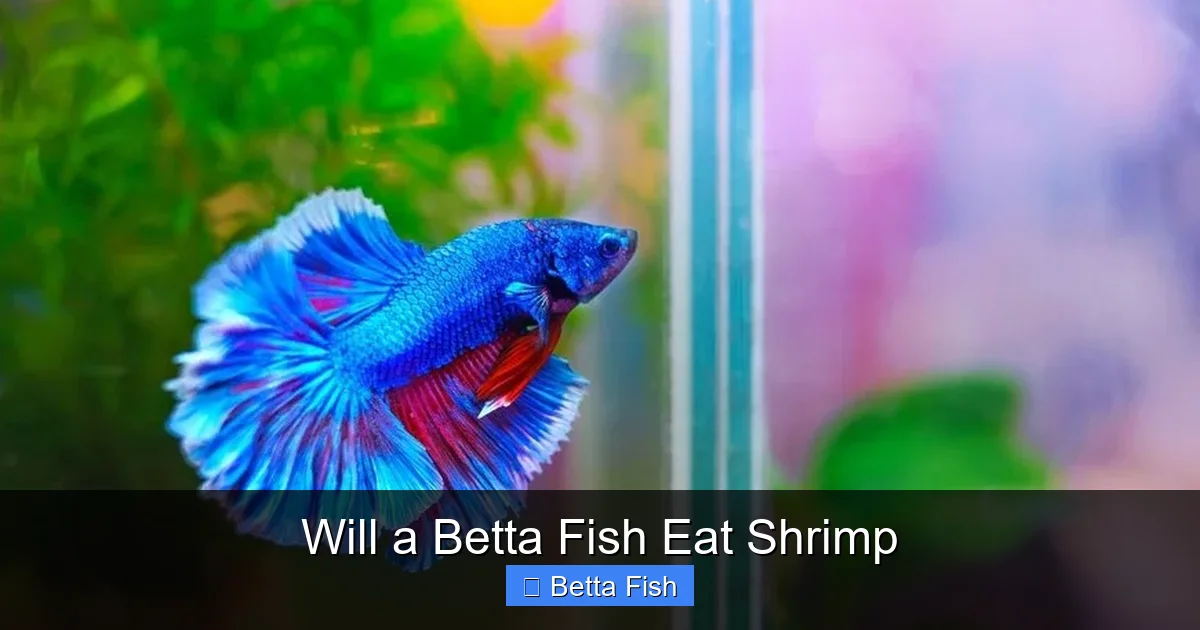
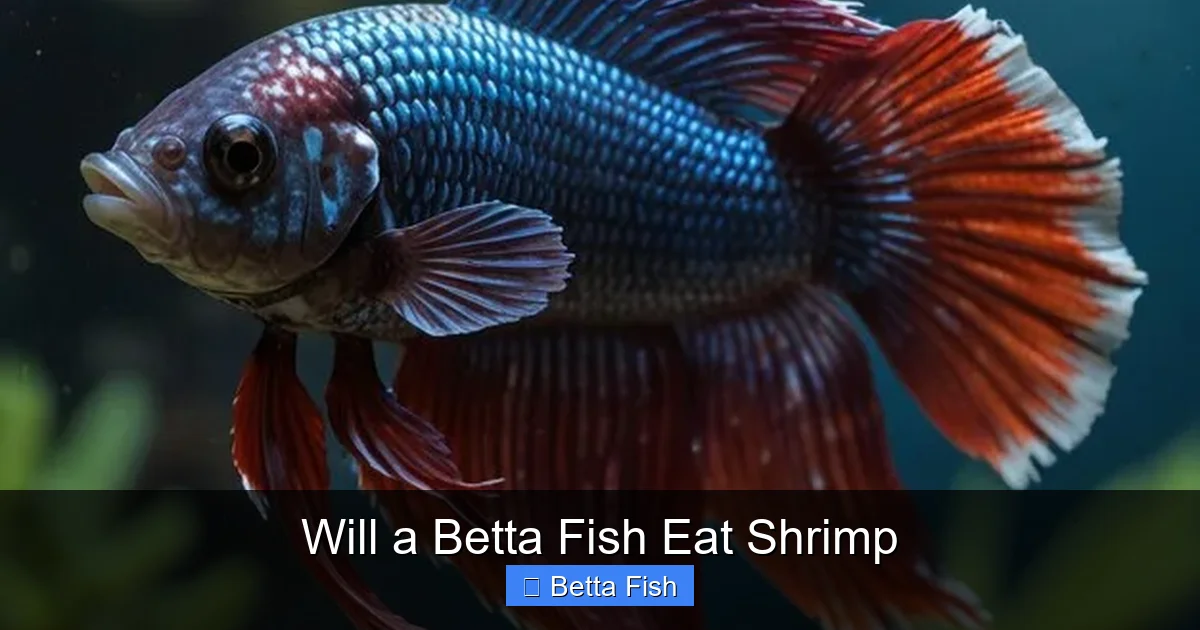
Visual guide about Will a Betta Fish Eat Shrimp
Image source: cdn11.bigcommerce.com
- Insect larvae
- Small crustaceans (including shrimp)
- Worms
- Zooplankton
This diet makes them opportunistic predators. In captivity, they will happily accept flake, pellet, frozen, or live foods that mimic these natural sources.
How hunger influences behavior
A hungry betta is more likely to chase anything that moves. Feeding your betta 2‑3 times a day with a balanced diet reduces the urge to hunt. For more on feeding frequency, see our guide on how often should u feed a betta fish.
2. Shrimp Species Most Commonly Kept With Betta
Ghost shrimp
Ghost shrimp are small (1–2 inches) and fast. Their transparent bodies make them a favorite for observation, but their size also makes them tempting targets.
Visual guide about Will a Betta Fish Eat Shrimp
Image source: img.freepik.com
Amano shrimp
Amano shrimp grow larger (up to 2 inches) and are stronger swimmers. They are often recommended for betta tanks because they can outrun a curious betta.
Cherry shrimp
Cherry shrimp are colorful but similar in size to Ghost shrimp. They do well in heavily planted tanks where they can hide.
Key point
Choosing a larger, faster shrimp species improves the odds of peaceful cohabitation.
3. Tank Size, Layout, and Hiding Places
Minimum tank size
Even a single betta needs at least 5 gallons. Adding shrimp means you should aim for 10 gallons or more. This extra space reduces territorial aggression.
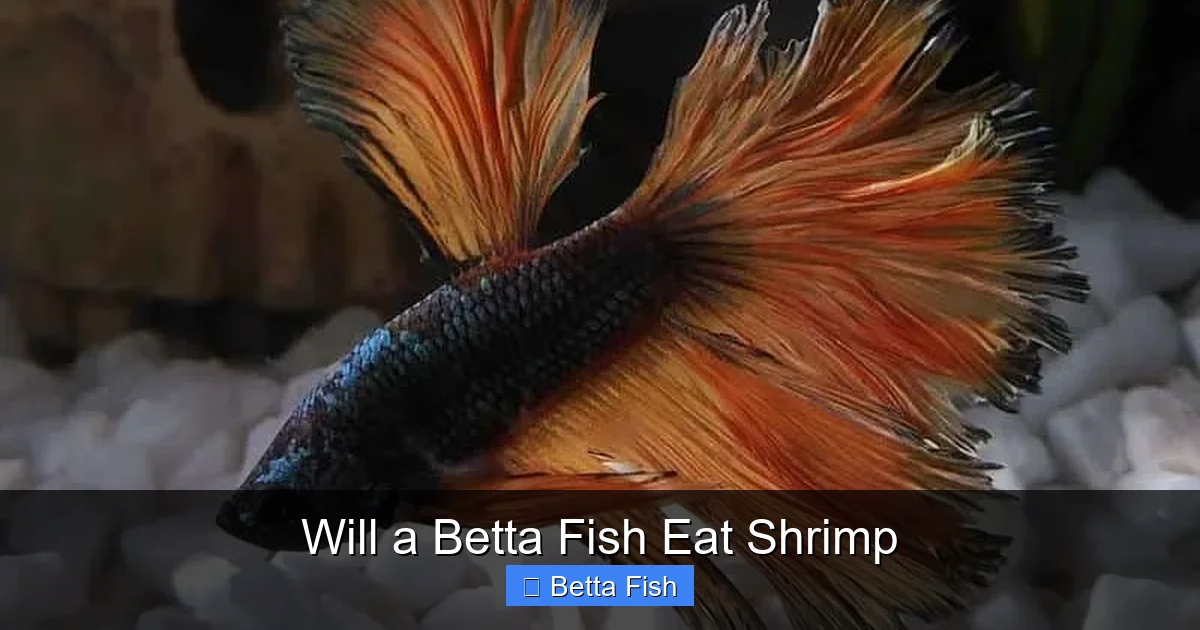
Visual guide about Will a Betta Fish Eat Shrimp
Image source: ouraquariumlife.com
Plants and décor
Live plants, driftwood, and caves give shrimp places to escape. Java moss, Anubias, and floating leaves are especially good because they create a “shrimp forest.”
Water parameters
Both bettas and most freshwater shrimp thrive at 76‑80 °F (24‑27 °C) and a pH of 6.5‑7.5. Consistent parameters keep stress low for both.
4. Real‑World Examples: Success Stories & Cautions
Case study: Betta + Amano shrimp
John kept a 12‑gallon tank with a 2.5‑inch male betta and three Amano shrimp. He provided plenty of plants and fed the betta a mix of high‑quality pellets and occasional brine shrimp. The betta never chased the shrimp, and the shrimp thrived, cleaning algae.
Case study: Betta + Ghost shrimp
Emily tried a 5‑gallon tank with a 1‑inch female betta and five Ghost shrimp. Within a week, the betta nipped at the shrimp, and two shrimp died. Emily moved the shrimp to a separate tank and saw the betta’s stress drop.
What these stories teach us
- Provide ample hiding spots.
- Use a larger tank to dilute territory.
- Consider shrimp size and speed.
5. Feeding Strategies to Reduce Predatory Behavior
Offer a varied diet
Give your betta protein‑rich foods like daphnia, bloodworms, or frozen brine shrimp. A satisfied predator is less likely to stalk shrimp.
Feed multiple times a day
Splitting meals into two or three feedings keeps hunger at bay. See also our article on how much should a betta fish eat for portion sizes.
Use “decoy” foods
Drop a few frozen shrimp pieces near the shrimp’s hideout. The betta may focus on the larger, moving food instead of the live shrimp.
6. Making the Decision: Should You Mix Them?
Assess your betta’s temperament
Some bettas are gentle, while others are aggressive. If your betta has a history of chasing tank mates, it’s safer to keep shrimp separate.
Start with a trial period
Place the shrimp in a breeding box inside the betta tank for 48 hours. Observe any attacks. If the betta respects the barrier, you can gradually open it.
Know when to separate
If you see persistent chasing, missing shrimp, or signs of stress (pale shrimp, damaged antennae), move the shrimp to a dedicated tank.
Conclusion: The Bottom Line
Will a betta fish eat shrimp? The answer is “it can, but it doesn’t have to.” By choosing the right shrimp species, providing a spacious, well‑planted tank, and feeding your betta a balanced diet, you greatly increase the chances of a peaceful coexistence. Always monitor interactions and be ready to adjust the setup. With careful planning, you can enjoy the dazzling fins of a betta alongside the graceful scurrying of shrimp.
Frequently Asked Questions
Will a betta fish eat shrimp if they are the same size?
Yes, a betta may view shrimp of similar size as prey, especially if the betta is hungry or particularly aggressive.
Are there any shrimp that are safe to keep with a betta?
Amano shrimp and larger, fast‑moving species are generally safer because they can out‑swim a curious betta.
How can I tell if my betta is interested in eating my shrimp?
Watch for rapid fin flaring, sudden dashes toward the shrimp, or the betta hovering near the substrate where shrimp hide.
Do bettas prefer live food over shrimp?
Betas love live foods like brine shrimp or daphnia, but a varied diet that includes both frozen and high‑quality pellets reduces the urge to hunt tank mates.
Can I feed my betta shrimp as a treat?
Yes, offering small pieces of frozen or live shrimp occasionally satisfies their predatory instinct without endangering your tank’s resident shrimp.
What should I do if my betta attacks my shrimp?
Immediately separate the shrimp into a breeding box or a different tank. Re‑evaluate tank size, décor, and feeding schedule before trying again.