Seeing a slimy film on the water surface can be alarming, but it’s often a sign of simple water‑quality issues or natural fish behavior. This guide explains the common causes, how to test and treat the water, and practical steps to keep your betta thriving and your tank pristine.
Key Takeaways
- Surface slime is usually caused by excess organic waste or bacterial growth. Regular water changes and proper filtration stop it.
- Improper feeding and over‑stocking create nutrient spikes. Feed small amounts and remove uneaten food.
- Water parameters matter. Keep temperature, pH, and ammonia in safe ranges for bettas.
- Cleaning the tank’s surface is essential. Use a soft net or algae scraper to remove slime without harming the fish.
- Healthy bettas produce a natural mucus coat. A thin, clear film is normal; thick, cloudy slime signals a problem.
- Preventive maintenance beats emergency fixes. Schedule weekly tests, partial changes, and filter checks.
- Seek professional help if slime persists. Persistent issues may indicate disease or a failing filter.
📑 Table of Contents
- Introduction: When the Water Turns Slick
- 1. What Exactly Is the Slimy Film?
- 2. Common Causes of Slimy Water
- 3. Testing Your Water: The First Step to a Solution
- 4. Practical Steps to Clear the Slime
- 5. When Slimy Water Signals a Health Issue
- 6. Long‑Term Prevention: Keeping Your Betta Happy
- Conclusion: From Slimy to Sparkling
Introduction: When the Water Turns Slick
Imagine you’re checking on your bright‑red betta after a busy day, and the water looks a little too smooth—almost like a thin, glossy film. Your first thought might be, “Why is my betta fish water slimy?” It’s a common question among new and seasoned hobbyists alike. The good news? In most cases the answer is simple, and the fix is even simpler.
In this article we’ll walk through the science behind that slippery surface, explore the most frequent culprits, and give you a step‑by‑step plan to restore crystal‑clear water. By the end, you’ll feel confident that a little slime is just a bump in the road—not a sign that your betta is in danger.
1. What Exactly Is the Slimy Film?
Is It Bacteria, Algae, or Something Else?
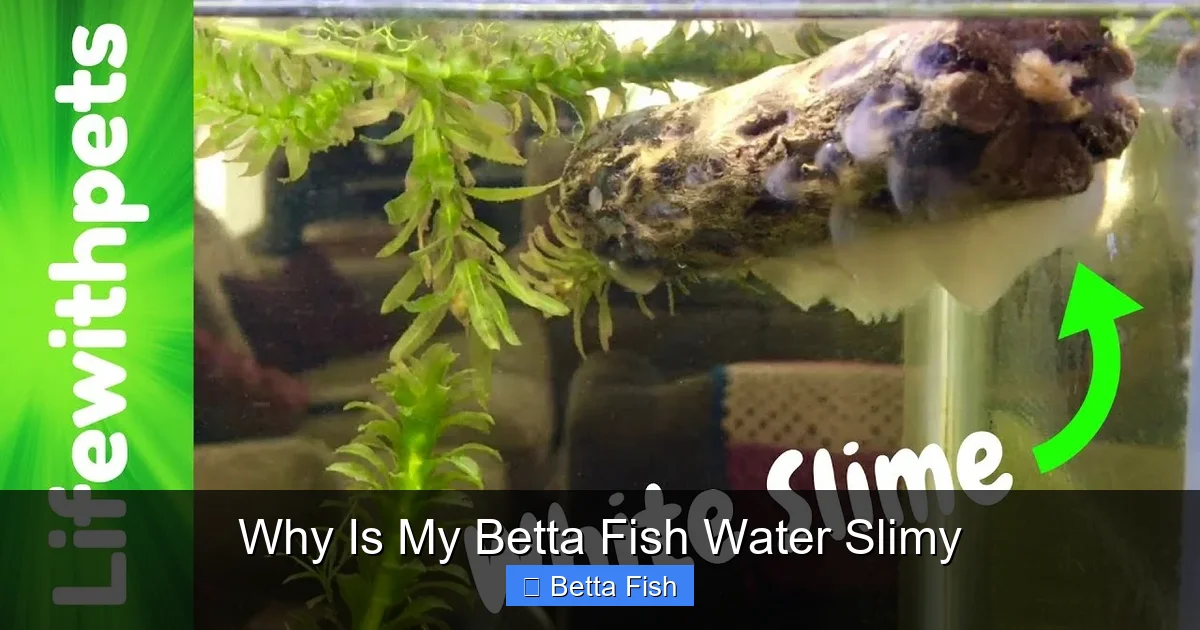
The “slimy” texture you see is usually a layer of microscopic bacteria and organic particles that have multiplied on the water’s surface. When nutrients like ammonia, nitrite, or uneaten food accumulate, they create a perfect buffet for these microbes.
Visual guide about Why Is My Betta Fish Water Slimy
Image source: i.ytimg.com
It’s not the same as the green or brown bloom you get from algae, but it can look similar if the film is thick enough. While a thin, clear mucus coat is a natural protective layer that bettas secrete, a thick, opaque slime often signals an imbalance.
How It Differs From Cloudy Water
If you’ve wondered why is my betta fish water cloudy, you already know that cloudiness is usually caused by suspended particles floating throughout the tank. Slimy water, on the other hand, sticks to the surface and can feel slightly viscous when you run your hand through it.
2. Common Causes of Slimy Water
2.1 Overfeeding and Uneaten Food
Betta fish have tiny stomachs. Feeding more than they can eat in two minutes leads to leftover flakes or pellets sinking, then breaking down and releasing nutrients. Those nutrients fuel bacterial growth, resulting in a slick surface.
Visual guide about Why Is My Betta Fish Water Slimy
Image source: imgtrade.cang.com
2.2 Inadequate Filtration
A filter that’s too weak for the tank size, or one that hasn’t been cleaned in weeks, will let waste build up. The filter’s job is to trap particles and host beneficial bacteria; when it’s overwhelmed, the excess waste floats to the surface.
2.3 Poor Water Changes
Skipping regular partial water changes means the tank’s “cleaning cycle” never catches up. Over time, dissolved organics accumulate, creating the perfect environment for slime‑forming microbes.
2.4 Temperature Fluctuations
Betta fish thrive at 76‑82°F (24‑28°C). If the water gets too warm, bacterial metabolism speeds up, and slime can appear faster. Conversely, a sudden drop can stress the fish and cause them to release more mucus.
2.5 Stress and Disease
Stress from aggressive tank mates, improper lighting, or sudden changes in water chemistry can make a betta produce extra mucus. If the slime is accompanied by clamped fins, loss of appetite, or discoloration, you might be dealing with an underlying health issue.
3. Testing Your Water: The First Step to a Solution
3.1 The Essential Parameters
Grab a reliable test kit and check these four numbers:

Visual guide about Why Is My Betta Fish Water Slimy
Image source: i.ebayimg.com
- Ammonia (NH₃/NH₄⁺): Should be 0 ppm. Any detectable level can fuel bacterial blooms.
- Nitrite (NO₂⁻): Also 0 ppm. Elevated nitrite is toxic and often appears with slime.
- Nitrate (NO₃⁻): Aim for under 20 ppm in a betta tank. Higher values mean excess waste.
- pH: Keep it between 6.5‑7.5. Sudden swings can stress your fish.
When you see a spike in any of these, you’ve found the root cause of the slimy water.
3.2 Temperature Check
Use an aquarium thermometer to confirm the water stays within the 76‑82°F range. If it’s higher, consider a small fan, a cooler room, or a more efficient heater with a thermostat.
4. Practical Steps to Clear the Slime
4.1 Immediate Clean‑Up
1. Turn off the filter briefly. This prevents the slime from being pushed deeper into the media.
2. Use a clean, soft net or a surface skimmer. Gently pull the film off the top. Dispose of the collected slime in a bucket of water, not back into the tank.
3. Rinse the filter media. Rinse in a bucket of tank water (not tap water) to preserve beneficial bacteria.
4.2 Adjust Feeding Routine
Feed 2‑3 small pellets once or twice a day. Use a timer if you tend to forget. Remove any uneaten food after 2‑3 minutes.
4.3 Schedule Regular Water Changes
Change 25‑30 % of the water every 5‑7 days. Use a water conditioner to neutralize chlorine and chloramines. This dilutes waste and keeps nitrate levels low.
4.4 Upgrade or Clean Your Filter
If your filter’s flow rate is less than 4‑5 times the tank volume per hour, consider a stronger model. When cleaning, replace only 20‑30 % of the filter media each week to keep the beneficial bacteria colony healthy.
4.5 Maintain Ideal Temperature
Invest in a reliable heater with an automatic shut‑off. Pair it with a thermometer and check daily.
4.6 Add Beneficial Bacteria
Commercial bacterial supplements can jump‑start the bio‑filter, especially after a big water change or filter overhaul. Follow the product instructions for dosage.
5. When Slimy Water Signals a Health Issue
5.1 Recognizing Red Flags
If the slime is accompanied by any of the following, investigate further:
- Fins clamped or torn
- Loss of appetite (why is my betta fish not eating)
- White or black spots on the body (why did my betta fish turn white)
- Unusual swimming patterns, such as floating sideways (why is my betta fish floating sideways)
These symptoms may point to bacterial infections, fungal growth, or parasites. In such cases, a targeted medication and a quarantine tank are recommended.
5.2 Consulting a Vet or Specialist
When in doubt, reach out to a veterinarian who specializes in fish or a reputable aquarium shop. Early intervention can prevent a small slime problem from becoming a fatal disease.
6. Long‑Term Prevention: Keeping Your Betta Happy
6.1 Routine Maintenance Checklist
- Test water parameters weekly.
- Perform 25‑30 % water changes every 5‑7 days.
- Clean the filter media monthly (partial replacement).
- Feed small portions twice a day, removing leftovers.
- Check temperature daily.
- Inspect the water surface for slime during each water change.
6.2 Creating a Stress‑Free Environment
Betta fish love a calm setting. Avoid bright, direct sunlight, loud vibrations, and aggressive tank mates. Provide plenty of hiding spots with live plants or silk decorations. A relaxed betta secretes less mucus, which helps keep the water clear.
6.3 When to Upgrade Your Setup
If you’re constantly battling slime, it might be time to move to a larger tank (at least 5 gallons) with a stronger filter. Bigger water volume dilutes waste, making it harder for bacteria to dominate the surface.
Conclusion: From Slimy to Sparkling
Seeing a slick surface can feel like a crisis, but “why is my betta fish water slimy” usually has a straightforward answer: excess waste, inadequate filtration, or a temporary spike in temperature. By testing your water, adjusting feeding habits, and maintaining a regular cleaning schedule, you can eliminate slime and give your betta a healthy, stress‑free home.
Remember, a thin, clear mucus coat is normal and even beneficial. It’s the thick, opaque film that needs attention. Keep an eye on your water parameters, act quickly when you notice changes, and enjoy watching your betta flaunt those vibrant fins in crystal‑clear water.
Frequently Asked Questions
Why does my betta fish water become slimy after feeding?
Uneaten food breaks down into nutrients that feed surface‑dwelling bacteria, creating a slimy film. Feed small portions and remove leftovers promptly.
Can a filter cause the water to get slimy?
Yes. An under‑powered or dirty filter can’t trap waste efficiently, allowing organic matter to accumulate on the surface.
Is a thin mucus layer on the water normal?
A very light, clear coating is a natural protective mucus that bettas produce. It’s harmless unless it thickens or turns cloudy.
How often should I change the water to prevent slime?
Changing 25‑30 % of the water every 5‑7 days is ideal for most betta tanks. Adjust frequency if nitrate levels rise.
What temperature range helps keep the water clear?
Maintain the water between 76‑82°F (24‑28°C). Higher temperatures accelerate bacterial growth, leading to slime.
When should I seek professional help for slimy water?
If slime persists after cleaning, water changes, and filter maintenance, or if your betta shows signs of illness, consult a fish‑health vet or experienced aquarium specialist.

