Why Is My Betta Fish Tank Bubbly
Seeing bubbles in your betta’s home can be confusing. It often signals water movement, fish behavior, or equipment issues, and most of the time it’s harmless. This guide explains the common causes and how to keep your tank clear and your betta happy.
Key Takeaways
- Bubble sources vary: From surface agitation to the fish’s own breathing, many things can create bubbles.
- Most bubbles are harmless: Small, occasional bubbles usually don’t threaten a betta’s health.
- Check equipment first: Filters, air stones, and heaters are the most common culprits.
- Watch your fish’s behavior: Excessive bubbling can signal stress, disease, or poor water quality.
- Maintain proper water parameters: Stable temperature, pH, and low ammonia keep bubbles from becoming a problem.
- Regular tank maintenance helps: Weekly water changes and cleaning reduce unwanted foam and bubbles.
- Use internal links for deeper help: Topics like water cloudiness or bubble nests are covered in related articles.
📑 Table of Contents
- Introduction: Why the Bubbles Got Your Attention
- 1. The Science of Bubbles: What Happens in a Betta Tank?
- 2. Common Equipment‑Related Causes
- 3. Water Quality Issues That Spark Bubbles
- 4. Betta Behavior That Produces Bubbles
- 5. How to Diagnose “Why Is My Betta Fish Tank Bubbly?”
- 6. Practical Tips to Reduce Unwanted Bubbles
- Conclusion: Bubbles Are Usually a Minor Issue
Introduction: Why the Bubbles Got Your Attention
Imagine you’ve just set up a gorgeous 5‑gallon aquarium for your new betta. The water is crystal clear, the plants look lush, and your fish is flaring its fins like a tiny warrior. Then, out of nowhere, you notice a steady stream of tiny bubbles rising to the surface. “Why is my betta fish tank bubbly?” you wonder. You’re not alone—many hobbyists spot bubbles and immediately worry about their pet’s well‑being.
In this article we’ll break down every reason bubbles can appear, from the perfectly normal to the truly concerning. You’ll learn how to tell the difference, what simple tweaks can stop unwanted foam, and when a bubble might be a warning sign that needs a quick fix. By the end, you’ll feel confident that a little fizz isn’t a disaster, and you’ll have a checklist to keep your betta’s home sparkling.
1. The Science of Bubbles: What Happens in a Betta Tank?
How Water Moves and Traps Air
Water is a great solvent, but it also loves to hold tiny pockets of air. When water moves—whether from a filter’s flow, a heater’s convection, or a gentle splash from a fish—it can pull air into the liquid. Those air pockets rise, creating the bubbles you see.

Visual guide about Why Is My Betta Fish Tank Bubbly
Image source: static.vecteezy.com
Surface Tension and Foam
Surface tension acts like a skin on top of the water. If you stir the water too vigorously, that skin can trap air, forming foam that looks like a frothy blanket. Foam is different from bubbles because it’s a collection of many tiny bubbles clumped together.
Betta Physiology: Breathing and Bubble Nest Building
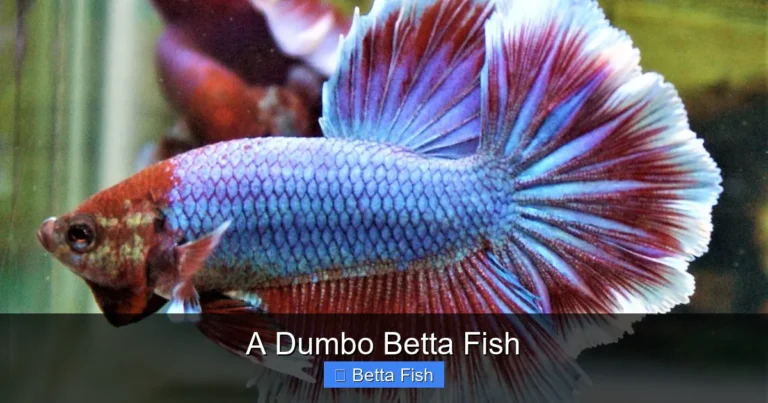
Betta fish breathe through a specialized organ called the labyrinth. When they gulp surface air, you’ll sometimes see a bubble escape from their mouth. Male bettas also create bubble nests for breeding, blowing a series of bubbles that stick together at the water’s surface. Both behaviors are natural and healthy.
2. Common Equipment‑Related Causes
Filters: The Usual Suspect
Even a small internal filter can create a gentle current that pulls air into the water. If the filter’s intake is too close to the surface, you’ll see a steady stream of bubbles. Adjust the filter’s position or add a pre‑filter sponge to reduce air intake.

Visual guide about Why Is My Betta Fish Tank Bubbly
Image source: pngitem.com
Air Stones and Diffusers
Many beginners add an air stone to increase oxygen. While helpful for community tanks, bettas generally don’t need extra aeration. An air stone can create a constant bubble stream that looks “bubbly” and may stress a betta that prefers calm water.
Heaters and Convection Currents
Heaters warm water, causing it to rise and cooler water to sink. This natural convection can produce small bubbles, especially if the heater’s surface is slightly dirty. Regularly wipe the heater with an algae pad (when the tank is off) to keep it clean.
Decor and Substrate
Rocks, driftwood, and even certain types of substrate can trap tiny air pockets when first placed in the tank. Over time, these pockets release bubbles. Rinse new decor thoroughly before adding it and allow the tank to settle for a day or two.
3. Water Quality Issues That Spark Bubbles
High Nitrate or Ammonia Levels
When ammonia spikes, the water chemistry changes, sometimes causing a “fizz” effect as gases escape. Test your water weekly with a reliable kit. If ammonia or nitrite is above 0 ppm, perform a partial water change immediately.
Visual guide about Why Is My Betta Fish Tank Bubbly
Image source: nihonsafety.com
Improper pH and Hardness
Extremely soft or acidic water can hold less dissolved gas, leading to more visible bubbles when the water is disturbed. Aim for a stable pH between 6.5 and 7.5 and a moderate hardness (GH 3–6). Use a pH buffer if needed.
Temperature Fluctuations
Rapid temperature changes can cause dissolved gases to come out of solution, creating bubbles. Keep the heater set between 76°F and 82°F (24°C–28°C) and avoid sudden spikes by using a thermostat.
Organic Build‑up and Foam
Uneaten food, fish waste, and decaying plant matter release organic compounds that can act like soap, forming foam on the surface. Regular feeding of small portions and weekly water changes keep this under control.
4. Betta Behavior That Produces Bubbles
Normal Surface Breathing
Betta fish often gulp air at the surface, especially if the water’s oxygen level is low. You’ll see a tiny bubble escape from the mouth. This is normal and indicates the fish is using its labyrinth organ correctly.
Bubble Nest Construction
Male bettas create bubble nests when they are ready to breed. The bubbles are larger, clustered, and often cling to the water’s surface or to plant leaves. If you notice a cohesive “nest,” your fish may be in breeding mode. For more on bubble nests, see our article on why did my betta fish make a bubble nest.
Stress‑Induced Gasping
When a betta feels stressed—due to poor water conditions, aggressive tank mates, or sudden changes—it may gulp more often, creating more bubbles. Look for other stress signs: faded colors, clamped fins, or frantic swimming.
5. How to Diagnose “Why Is My Betta Fish Tank Bubbly?”
Step‑by‑Step Checklist
- Observe the bubbles: Are they steady, occasional, or clustered?
- Check equipment: Turn off the filter, air stone, or heater one at a time and watch the bubbles.
- Test water parameters: Use a test kit for ammonia, nitrite, nitrate, pH, and hardness.
- Watch your betta: Note any changes in color, swimming pattern, or appetite.
- Inspect decor: Look for trapped air under rocks or driftwood.
- Perform a water change: Replace 25‑30% of the water to reset chemistry.
When to Seek Help
If bubbles are accompanied by cloudiness, a foul odor, or your betta is floating sideways, it could indicate a serious issue. Read more about floating problems in our guide on why is my betta fish floating sideways. Persistent foam despite cleaning may also signal a bacterial bloom, which often requires a filter media change.
6. Practical Tips to Reduce Unwanted Bubbles
Adjust Flow and Aeration
Reduce filter flow to a gentle stream. Betta fish thrive in low‑flow environments; a flow rate of 2–3 times the tank volume per hour is sufficient.
Use a Covered Lid
A tight‑fitting lid prevents dust and external air from entering the water, which can create surface bubbles.
Choose the Right Substrate
Fine‑grained sand or smooth gravel is less likely to trap air than porous rocks. Rinse any substrate thoroughly before adding it.
Maintain a Clean Surface
Wipe the water surface with a soft cloth (when the tank is off) to remove oil films that can hold bubbles.
Feed Properly
Offer small amounts of high‑quality betta pellets once or twice daily. Remove uneaten food after five minutes to avoid excess organic load.
Monitor Temperature
Invest in an aquarium thermometer and a reliable heater with an automatic shut‑off. Consistent temperature reduces gas release.
Conclusion: Bubbles Are Usually a Minor Issue
Finding bubbles in your betta’s tank can feel alarming, but most of the time they’re harmless by‑products of water movement, normal fish behavior, or minor equipment quirks. By following the checklist above, testing water quality, and adjusting flow, you can quickly identify the cause of “why is my betta fish tank bubbly.” If your betta continues to look healthy—bright colors, active swimming, and a good appetite—there’s little reason to worry.
Remember, a well‑maintained tank with stable parameters is the best defense against any bubble‑related problems. Keep an eye on your fish, perform regular water changes, and you’ll enjoy a calm, bubble‑free environment that lets your betta shine.
Frequently Asked Questions
Why are there bubbles only after I turn the filter on?
The filter creates water movement that pulls air into the tank. Adjust the intake height or add a pre‑filter sponge to reduce the bubble stream.
Is it normal for my betta to blow bubbles from its mouth?
Yes. Betta fish breathe air from the surface using their labyrinth organ, and a small bubble may escape each time they gulp.
Can bubbles indicate a disease?
Occasional bubbles are normal, but a sudden increase with signs of lethargy, loss of color, or clamped fins could signal stress or illness. Check water quality and observe behavior.
How do I stop foam from forming on the surface?
Reduce organic waste by feeding less, perform regular water changes, and keep the water surface clean. A gentle flow and a tight lid also help.
Why does my betta create a bubble nest?
Male bettas build bubble nests when they are ready to breed. The nests are a sign of healthy, mature fish and are not a problem.
What should I do if bubbles appear after a temperature spike?
Rapid temperature changes release dissolved gases. Return the tank to a stable temperature, perform a partial water change, and monitor for further bubbling.