Why Is My Betta Fish Sleeping Sideways
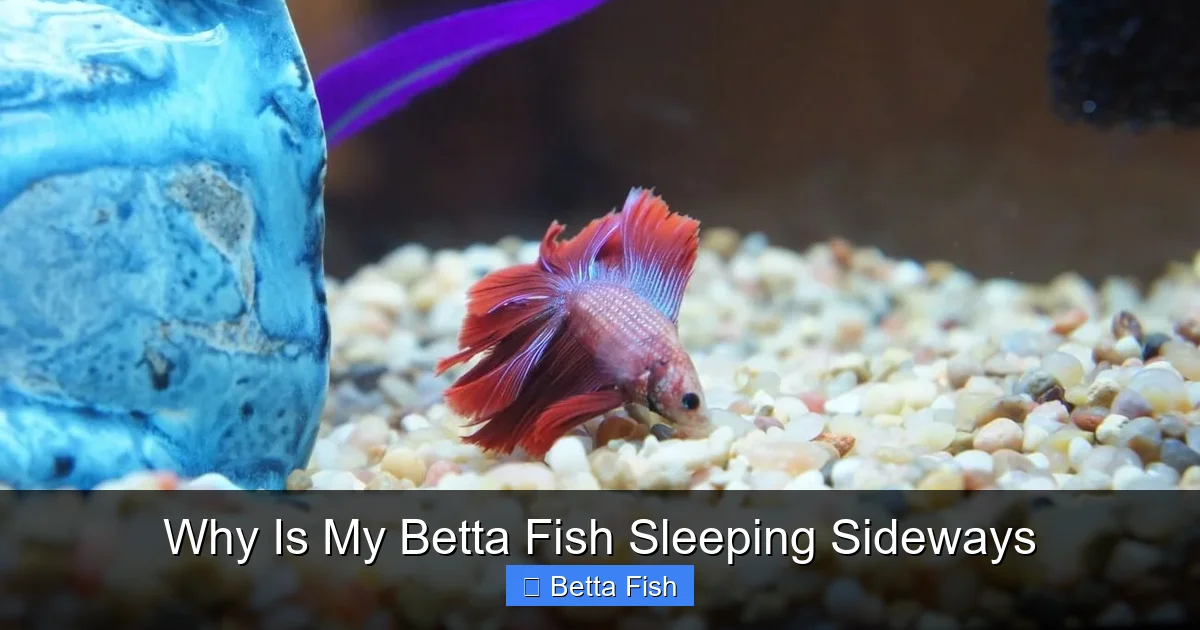
Betta fish often rest sideways due to stress, illness, or tank conditions. By checking water quality, diet, and environment, you can quickly help your betta return to normal sleeping habits.
Key Takeaways
- Normal rest vs. problem: A brief sideways pause can be normal, but prolonged sleeping sideways signals an issue.
- Water quality matters: Poor parameters (ammonia, nitrite, pH) are a top cause of abnormal behavior.
- Health check: Look for fin rot, swim bladder disease, or parasites when your betta sleeps sideways.
- Tank setup: Size, décor, and lighting affect how a betta rests; a proper environment reduces stress.
- Diet and feeding: Over‑feeding or the wrong food can lead to digestive problems that affect buoyancy.
- When to act: If sideways sleeping lasts more than a few hours or is accompanied by other symptoms, intervene quickly.
- Helpful resources: Use our related guides on floating, swimming sideways, and other common betta issues.
📑 Table of Contents
- Introduction: The Curious Case of the Sideways Sleeper
- 1. Understanding Betta Sleep Patterns
- 2. Water Quality – The Silent Culprit
- 3. Health Problems That Affect Buoyancy
- 4. Tank Setup and Environmental Stressors
- 5. Feeding Practices and Digestive Health
- 6. When to Seek Professional Help
- Conclusion: Helping Your Betta Rest Right
Introduction: The Curious Case of the Sideways Sleeper
If you’ve ever glanced at your betta fish and seen it lying on its side, you probably wondered, “Why is my betta fish sleeping sideways?” It’s a sight that can make any fish keeper pause, because bettas are known for their vibrant colors and bold personalities—not for taking a nap on their flanks.
Don’t worry; you’re not alone. Many hobbyists spot this behavior and worry it means their beloved pet is sick. In reality, the answer can be as simple as a temporary stress response, or it could signal a deeper health issue that needs attention. In this guide we’ll walk through the most common reasons, how to tell if it’s a problem, and what you can do right now to help your betta feel better.
1. Understanding Betta Sleep Patterns
Do Betta Fish Really Sleep?
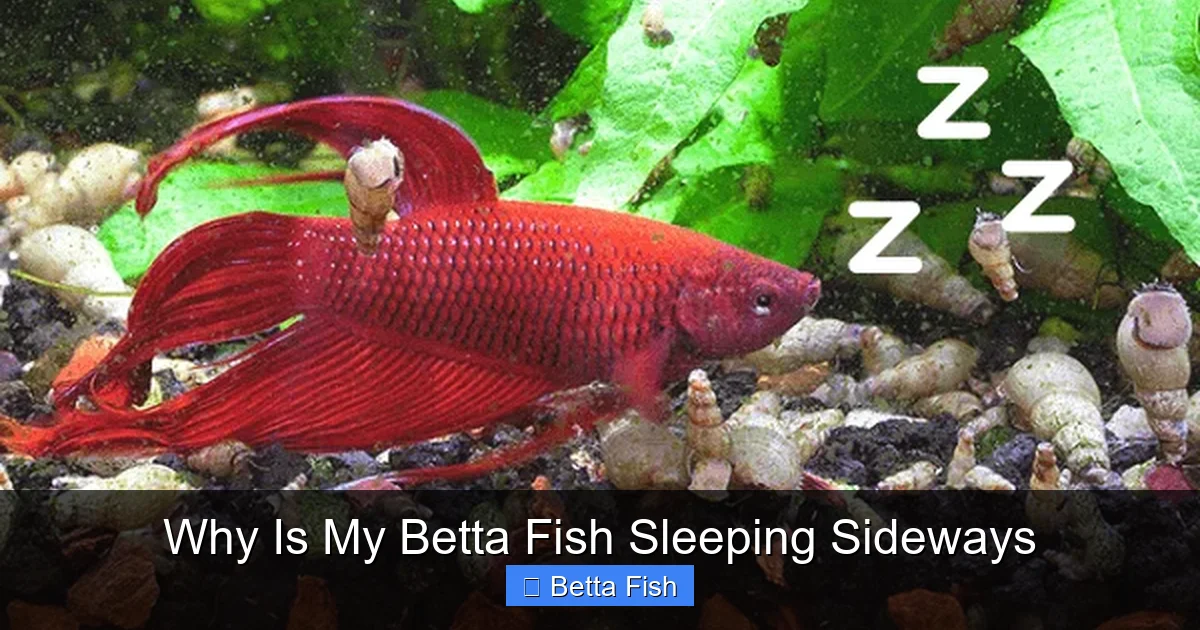
Betta fish don’t have eyelids, so they don’t “close their eyes” like we do. Instead, they enter a rest state where their movements slow, their coloration may fade a bit, and they often find a quiet corner of the tank. This is normal and healthy.
Visual guide about Why Is My Betta Fish Sleeping Sideways
Image source: japanesefightingfish.org
Typical Resting Positions
Most bettas rest upright, leaning against a leaf, plant, or the side of the tank. Occasionally they will lie on their side for a few minutes—this is usually harmless and simply a way to conserve energy.
When Sideways Rest Becomes a Red Flag
If the sideways position lasts for more than a short pause, or if it’s accompanied by other symptoms (gasping, loss of color, clamped fins), it’s time to investigate further.
2. Water Quality – The Silent Culprit
Why Water Matters
Betta fish are especially sensitive to water conditions. High ammonia, nitrite spikes, or an inappropriate pH can cause stress that leads to abnormal resting positions.
Key Parameters to Check
- Ammonia: Should be 0 ppm.
- Nitrite: Should be 0 ppm.
- Nitrate: Below 20 ppm is ideal.
- pH: Between 6.5 and 7.5 for most bettas.
- Temperature: 78–80°F (25.5–26.5°C).
Testing and Fixing
Use a reliable test kit weekly. If any value is out of range, perform a partial water change (25–30%) and consider adding a water conditioner that detoxifies ammonia.
Related Reading
For a deeper dive into floating issues, see our article on why is my betta fish floating sideways.
3. Health Problems That Affect Buoyancy
Swim Bladder Disease
The swim bladder is a small organ that helps the fish maintain balance. If it’s inflamed or infected, the betta may tilt or lie on its side.
Signs of Swim Bladder Trouble
- Difficulty staying upright.
- Floating to the top or sinking to the bottom.
- Repeated side‑lying positions.
What You Can Do
Stop feeding for 24–48 hours to clear the digestive tract, then offer a small amount of boiled pea (skin removed). If the problem persists, consider a vet visit.
Fin Rot and Internal Infections
Fin rot, bacterial infections, or parasites can weaken a betta, making it rest sideways to conserve energy.
Spotting Illness
- Faded or patchy color.
- Frayed, torn, or curling fins.
- White or black spots on the body.
Helpful Article
Read more about discoloration in why is my betta fish turning white.
4. Tank Setup and Environmental Stressors
Tank Size and Shape
A tank that’s too small (under 2.5 gallons) can cause stress and limit the betta’s ability to swim normally. Give your fish at least a 5‑gallon tank with a gentle filter.
Decor and Hiding Spots
Betta fish love to rest near plants or smooth rocks. If the tank lacks secure hiding places, the fish may become anxious and adopt odd resting positions.
Lighting and Day/Night Cycle
Betas need a consistent light cycle—about 10–12 hours of light followed by darkness. Sudden changes can disrupt their sleep patterns.
Temperature Fluctuations
Even a 2‑degree swing can cause a betta to become lethargic and rest sideways. Use a reliable heater and a thermometer to keep the water stable.
5. Feeding Practices and Digestive Health
Overfeeding Risks
Too much food can lead to constipation, which puts pressure on the swim bladder and may cause sideways sleeping.
Best Diet for a Healthy Betta
- High‑quality betta pellets (2–3 times daily, only what they can eat in 2 minutes).
- Occasional frozen or live foods such as daphnia or bloodworms.
- Small amounts of boiled peas for fiber.
Feeding Schedule Tips
Feed smaller portions twice a day rather than one large meal. Remove uneaten food after five minutes to keep water clean.
Related Issue: Spitting Out Food
If your betta is refusing or spitting out food, check out why is my betta fish spitting out food for troubleshooting steps.
6. When to Seek Professional Help
Red Flags That Require Immediate Action
- Sideways sleeping lasting more than 12 hours.
- Rapid loss of color or fin damage.
- Labored breathing or gasping at the surface.
- Behavioral changes such as sudden aggression or extreme lethargy.
Finding a Vet
Look for a veterinarian who specializes in fish or exotic pets. Bring a water sample and note any recent changes in diet, tank setup, or water parameters.
Preventive Care Checklist
- Test water weekly.
- Perform 25% water changes every 1–2 weeks.
- Maintain a stable temperature.
- Provide a balanced diet.
- Offer plenty of hiding spots.
Conclusion: Helping Your Betta Rest Right
Seeing your betta fish sleeping sideways can be unsettling, but it’s often a clue that something in its environment or health needs attention. By checking water quality, ensuring a proper tank setup, feeding the right diet, and watching for signs of illness, you can usually correct the problem within a day or two. If the sideways position persists despite your best efforts, don’t hesitate to consult a fish‑savvy vet.
Remember, a happy betta is a healthy betta. Keep the tank clean, the water stable, and the surroundings enriching, and you’ll likely see your finned friend swimming upright—and thriving—once again.
Frequently Asked Questions
Why does my betta fish lie on its side for a few minutes?
Short periods of sideways resting are normal and often just a way for the fish to relax. If it’s brief and the fish looks otherwise healthy, there’s usually no cause for concern.
Can water temperature cause my betta to sleep sideways?
Yes. Sudden drops or spikes in temperature can stress a betta, leading to abnormal resting positions. Keep the water steady at 78‑80°F.
Is swim bladder disease the only health issue that makes bettas lie sideways?
No. While swim bladder problems are common, infections, parasites, and severe constipation can also affect buoyancy and cause sideways sleeping.
How quickly should I see improvement after fixing water parameters?
Most bettas respond within 24–48 hours once ammonia and nitrite are eliminated and the temperature is stable. If the behavior continues, look at diet and health.
Should I use medication if my betta is sleeping sideways?
Medication is only needed if a specific infection is diagnosed. Start with water quality fixes and dietary changes first; use meds under vet guidance.
Can lighting affect my betta’s sleeping position?
Yes. Inconsistent or overly bright lighting can stress bettas. Provide a regular 10‑12 hour light cycle and dim the lights at night.