Why Is My Betta Fish Not Moving at All

Seeing a betta that won’t move can be scary, but it’s often a sign of a solvable problem. This guide walks you through the most common reasons—water quality, temperature, illness, and stress—and gives practical tips to get your fish active again. Act fast, follow the checks, and watch your betta bounce back.
Key Takeaways
- Water quality matters: Poor parameters are the #1 reason a betta stops swimming.
- Temperature is critical: Betta’s ideal range is 76‑82°F; anything lower can cause lethargy.
- Look for illness signs: Spotting fin rot, white spots, or gasping helps pinpoint disease.
- Stress triggers immobility: Overcrowding, bright lights, or aggressive tank mates can freeze a betta.
- Quick fixes work: A simple water change, heater adjustment, or quarantine often restores movement.
- Monitor feeding: Loss of appetite often goes hand‑in‑hand with reduced activity.
- Know when to seek help: Persistent immobility despite corrections may need veterinary attention.
📑 Table of Contents
Introduction
Betta fish are famous for their vibrant colors and bold personalities. When you first bring a new betta home, you expect to see it flaring its fins, exploring the tank, and maybe even building a bubble nest. So, imagine the panic when you glance at the water and your betta is just… not moving at all.
Before you assume the worst, remember that fish can become still for many harmless reasons. The key is to act quickly, check the basics, and then move on to more specific issues if needed. In this article we’ll answer the question “why is my betta fish not moving at all?” and give you a clear, step‑by‑step plan to revive that little swimmer.
1. Check the Water Conditions
Water is the most important part of a betta’s life. Even a tiny change in chemistry can make a healthy fish feel sick and stop swimming.

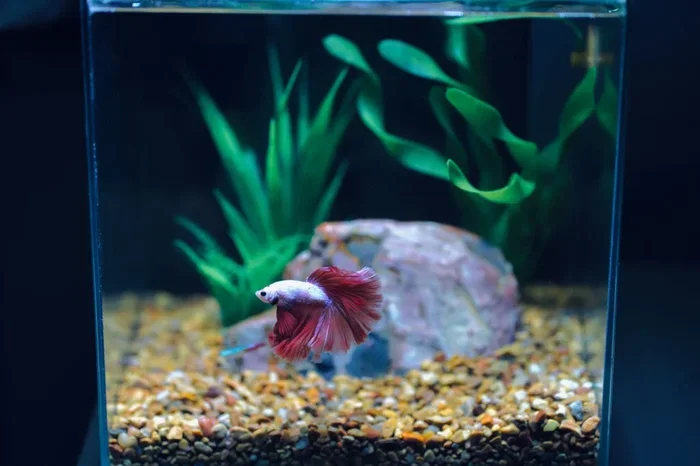
Visual guide about Why Is My Betta Fish Not Moving at All
Image source: jsbaileycheese.co.uk
1.1 Temperature
Betta fish are tropical and love warm water. The ideal range is 76‑82°F (24‑28°C). If the temperature drops below 74°F, the fish’s metabolism slows, leading to lethargy.
- How to test: Use a reliable aquarium thermometer. Place it in the middle of the tank, away from the heater.
- What to do: If it’s too cold, add a submersible heater or move the tank to a warmer room. Raise the temperature gradually—no more than 2°F per hour.
1.2 Ammonia, Nitrite, and Nitrate
Even a small spike in ammonia (NH₃) can cause a betta to become listless. New tanks are especially prone to “cycling” problems.
- Test kits: Purchase a liquid test kit that measures ammonia, nitrite, and nitrate.
- Safe levels: Ammonia = 0 ppm, Nitrite = 0 ppm, Nitrate < 20 ppm.
- Action steps: Perform a 25‑30% water change, clean the substrate, and consider adding a biological filter if you don’t already have one.
1.3 pH and Hardness
Betta fish prefer a slightly acidic to neutral pH (6.5‑7.5). Sudden shifts can stress them.
- Testing: Use a pH test strip or liquid kit.
- Adjustment: If pH is too low, add crushed coral or a commercial buffer; if too high, use peat moss or a pH‑lowering product.
Practical Tip
Do a 30% water change with dechlorinated, temperature‑matched water every 2‑3 days while you sort out the parameters. This often gives the betta enough oxygen and clean water to start moving again.
2. Evaluate the Tank Environment
Even perfect water can’t save a betta that feels unsafe.
2.1 Tank Size and Layout
Betta fish need space to swim. A 2‑gal (8‑liter) tank is the absolute minimum, but a 5‑gal (19‑liter) tank is ideal. Cramped spaces can make a betta hide and appear motionless.
2.2 Lighting
Bright, direct lighting can stress bettas, especially if the light is on 24 hours a day. Provide a 10‑hour light cycle and consider using a dimmer or floating plant to create shade.
2.3 Tank Mates
Betta fish are territorial. Aggressive tank mates (e.g., fast‑moving tetras) can cause a betta to freeze in place. If you share a community tank, make sure the betta has plenty of hiding spots and visual barriers.
2.4 Decorations and Hiding Places
Live plants, silk driftwood, and smooth caves give your betta places to explore. A lack of enrichment may lead to boredom and reduced activity.
Practical Tip
If you suspect stress from the environment, rearrange decorations overnight. This “tank reset” can make the space feel new and encourage exploration.
3. Look for Signs of Illness
When a betta stops moving, disease is often the culprit. Below are the most common health issues that cause lethargy.
3.1 Fin Rot and Bacterial Infections
Fin rot appears as ragged, discolored edges on the fins. The fish may hover near the surface and avoid swimming.
- Treatment: Isolate the fish in a hospital tank, raise the temperature to 82‑84°F, and add a broad‑spectrum antibiotic such as Maracyn.
3.2 Ich (White Spot Disease)
Ich shows up as tiny white dots on the body. Early stages can cause a betta to become sluggish.
- Treatment: Raise temperature to 82°F and add a copper‑based medication or formalin according to package directions.
3.3 Swim Bladder Disorder
A malfunctioning swim bladder makes a betta float upside down or stay at the bottom, appearing motionless.
- Causes: Overfeeding, constipation, or bacterial infection.
- Remedy: Fast the fish for 24‑48 hours, then feed a small amount of boiled pea (peeled) to relieve constipation.
3.4 Velvet Disease (Oodinium)
Velvet gives the fish a dusty gold coating and can cause rapid lethargy.
- Treatment: Increase temperature to 84°F and treat with copper sulfate or a dedicated velvet medication.
3.5 Parasites and Internal Issues
Internal parasites can weaken a betta, making it lie still. Look for weight loss, emaciation, or a bloated abdomen.
- Action: Consult a vet familiar with fish or use a broad‑spectrum antiparasitic medication.
Internal Link Example
If your betta also stopped eating, read our guide on why is my betta fish not eating for more feeding‑related clues.
4. Assess Feeding and Digestion
A betta that isn’t moving often isn’t eating, and a betta that isn’t eating will become weak and stop swimming.
4.1 Food Type and Quantity
Betta pellets, frozen bloodworms, and high‑quality flakes are ideal. Overfeeding leads to waste buildup and swim‑bladder issues.
- Feeding schedule: Offer a small amount 2‑3 times a day. Remove uneaten food within 5 minutes.
4.2 Signs of Overfeeding
Bloated belly, cloudy water, and a fish that stays at the bottom are red flags.
4.3 Fasting and Recovery
If you suspect constipation, fast the betta for 24‑48 hours, then feed a peeled pea. This simple remedy often restores normal swimming within a day.
Internal Link Example
For a deeper dive into appetite loss, see our article on why did my betta fish stop eating.
5. Quick Diagnostic Checklist
When you’re staring at a still betta, a systematic approach saves time.
5.1 Immediate Observations
- Is the water temperature within 76‑82°F?
- Are ammonia and nitrite at 0 ppm?
- Does the fish have any visible spots, frayed fins, or abnormal posture?
- Is the tank too bright or noisy?
5.2 Short‑Term Actions
- Perform a 25‑30% water change with properly conditioned water.
- Raise temperature by 2‑3°F if it’s low.
- Add a few live plants or a silk leaf for cover.
- Fast the betta for 24 hours, then offer a pea.
5.3 When to Escalate
If after 48 hours the betta is still motionless, begin a quarantine tank and start a targeted treatment based on observed symptoms (e.g., antibiotics for fin rot, copper for ich).
Internal Link Example
Need a full guide on treating a non‑moving betta? Check out why betta fish not moving for a step‑by‑step protocol.
6. Long‑Term Prevention Strategies
Keeping your betta active is easier than fixing a problem after it appears.
6.1 Regular Water Maintenance
Change 20‑30% of the water weekly, test parameters weekly, and clean the substrate to prevent ammonia spikes.
6.2 Stable Temperature
Invest in a reliable heater with an automatic shut‑off and a thermostat. A small heater with a built‑in thermostat works well for 5‑gal tanks.
6.3 Balanced Diet
Rotate between high‑quality pellets, occasional frozen or live foods, and treat with a pea once a month to aid digestion.
6.4 Enrichment
Provide floating plants, a gentle current from a sponge filter, and occasional decoration rearrangements to stimulate natural curiosity.
6.5 Health Monitoring
Watch for subtle changes: a slightly slower swim, reduced appetite, or faint color fading. Early detection prevents severe issues.
Conclusion
Seeing a betta that isn’t moving can feel like a crisis, but most of the time the cause is something you can fix at home. Start with water quality, temperature, and tank environment checks. Then look for signs of disease or digestive trouble, and adjust feeding habits accordingly. By following the quick checklist and implementing long‑term prevention, you’ll give your betta the best chance to stay active, colorful, and happy.
Remember, the question “why is my betta fish not moving at all?” is a clue, not a verdict. With a little observation and care, you’ll have your finned friend gliding around the tank again in no time.
Frequently Asked Questions
Why is my betta fish not moving even though the water looks clean?
Even clean water can have hidden problems like low temperature or high nitrate. Test the temperature, ammonia, nitrite, and nitrate levels to be sure.
Can a betta fish be sick and still look normal?
Yes. Early stages of diseases such as ich or velvet may not show obvious spots yet. Lethargy can be the first sign, so monitor behavior closely.
Is it normal for a betta to rest at the bottom of the tank?
Betas do rest, but they should still swim occasionally. Prolonged bottom‑laying often means stress, poor water, or illness.
How long should I fast a betta before trying to treat constipation?
Fast for 24‑48 hours, then offer a peeled boiled pea. If no improvement after another day, consider a water change and check for infection.
My betta stopped moving after I added a new plant. What should I do?
New plants can release chemicals or change water parameters. Perform a partial water change, test the water, and observe if the fish becomes active again.
When should I consider taking my betta to a vet?
If the fish remains motionless after 48 hours of proper water changes, temperature correction, and basic treatments, it’s time to consult a fish‑savvy veterinarian.