Seeing your betta refuse food and drift on its side is scary, but it’s often a sign of a solvable problem. This guide explains the top reasons behind loss of appetite and sideways floating, offers step‑by‑step checks, and shows you how to act fast to save your fish.
Key Takeaways
- Water quality is the biggest factor: Poor parameters can cause both loss of appetite and buoyancy issues.
- Illnesses often show up together: Bacterial infections, parasites, or swim‑bladder disease can make a betta stop eating and float sideways.
- Stress triggers the behavior: Over‑crowding, aggressive tank mates, or sudden changes can stress a betta into refusing food.
- Simple tank adjustments work fast: A water change, temperature check, and proper feeding routine can reverse symptoms in hours.
- Know when to call a vet: If symptoms persist past 48 hours, professional help is needed to avoid permanent damage.
- Prevention is key: Regular testing, gentle feeding, and a well‑decorated tank keep your betta thriving.
- Internal resources help: Read related articles on floating sideways, not eating, and swimming sideways for deeper insight.
📑 Table of Contents
- Introduction: When Your Betta Stops Eating and Floats Sideways
- 1. Check the Water First
- 2. Swim‑Bladder Problems: The Most Common Physical Cause
- 3. Illnesses That Attack Both Appetite and Buoyancy
- 4. Stress Triggers That Lead to Refusal to Eat
- 5. Nutrition Problems: Is the Food Right?
- 6. Putting It All Together: A 24‑Hour Action Plan
- Conclusion: Stay Calm and Act Quickly
Introduction: When Your Betta Stops Eating and Floats Sideways
Imagine you’re watching your bright‑colored betta glide across the water, then suddenly it drifts to the side, barely moving, and ignores the food you offer. It feels like a red flag, and you wonder, why is my betta fish not eating and floating sideways? The good news is that most of the time the issue is fixable with a few quick actions.
This article walks you through the most common reasons behind loss of appetite and sideways floating, shows you how to diagnose the problem, and gives you a step‑by‑step plan to get your betta back to its lively self. We’ll keep the language friendly, the sentences short, and the advice practical—just like a chat with a fellow fish‑keeper.
1. Check the Water First
Why water quality matters
Betta fish are especially sensitive to ammonia, nitrite, and pH swings. Bad water can damage gills, reduce appetite, and upset the swim bladder, causing a fish to float on its side.
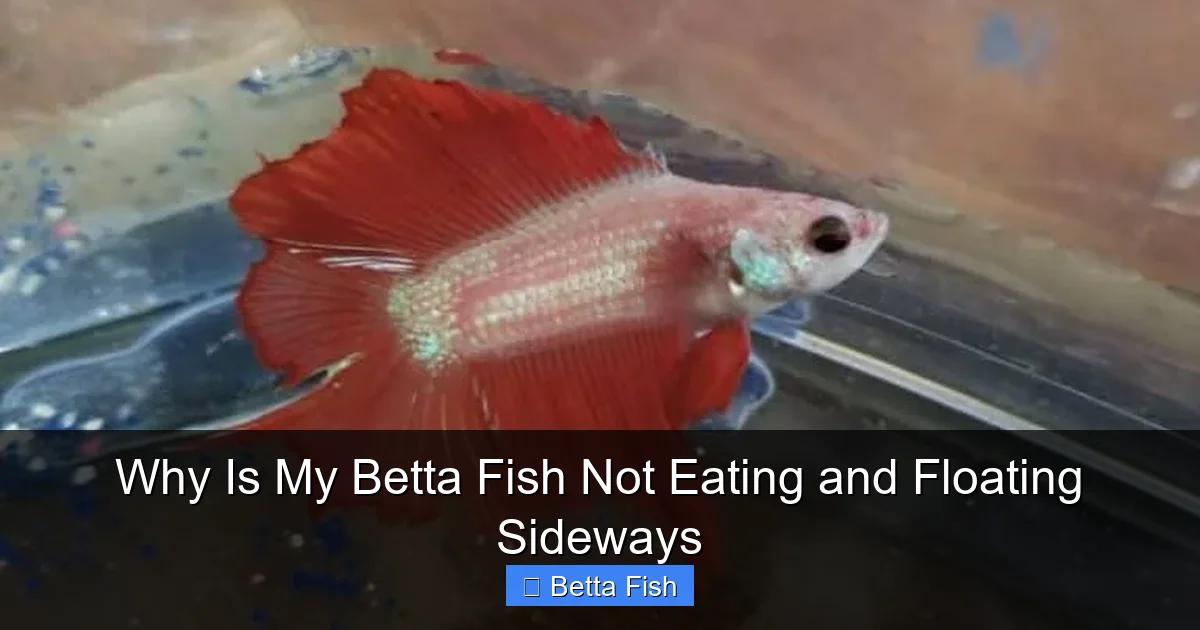
Visual guide about Why Is My Betta Fish Not Eating and Floating Sideways
Image source: ouraquariumlife.com
Testing basics
- Ammonia & nitrite: Both should read 0 ppm.
- Nitrate: Keep under 20 ppm.
- pH: Aim for 6.5‑7.5; sudden jumps are stressful.
- Temperature: Betta thrive at 78‑80 °F (25‑27 °C).
Quick water‑change fix
If any parameter is out of range, perform a 25‑30 % water change with dechlorinated water at the same temperature. This often restores appetite within a few hours.
2. Swim‑Bladder Problems: The Most Common Physical Cause
What is the swim bladder?
The swim bladder is a gas‑filled organ that helps the fish maintain depth. When it’s damaged or filled with fluid, the fish may float sideways or sink.
Signs of swim‑bladder disease
- Floating on its side or upside down
- Difficulty swimming up or down
- Loss of appetite because the fish can’t reach the surface
Simple home remedies
Give your betta a few peas (cooked and skinned) once a day for three days. The fiber can help clear constipation, a frequent cause of swim‑bladder issues.
When to seek professional help
If the sideways floating persists after a pea treatment and water correction, a veterinarian may need to prescribe antibiotics or perform a gentle flush.
3. Illnesses That Attack Both Appetite and Buoyancy
Bacterial infections
Bacteria such as Aeromonas can inflame the gut and swim bladder simultaneously. Look for cloudy eyes, ragged fins, or a faint white film.
Parasites
Internal parasites (e.g., Hexamita) damage the digestive tract, making the fish refuse food. They can also cause inflammation that affects buoyancy.
Fungal growth
Fungus often appears after a wound. It can spread to the abdomen, causing the fish to feel heavy and float oddly.
Treatment basics
Use a broad‑spectrum betta medication (e.g., Maracyn 2) for bacterial issues, and an antiparasitic like Metronidazole for internal parasites. Always follow the dosage instructions and isolate the sick fish.
4. Stress Triggers That Lead to Refusal to Eat
Tank mates and aggression
Even though bettas are often kept alone, a curious snail or a tiny shrimp can stress them enough to stop eating.
Sudden changes
Moving the tank, changing décor, or a loud environment can cause a betta to hide and lose its appetite.
Improper lighting
Too much bright light or a constant night cycle confuses the fish’s natural rhythm, reducing feeding response.
Stress‑reduction tips
- Provide plenty of hiding spots (plants, caves).
- Maintain a consistent 12‑hour light/dark cycle.
- Keep the tank in a quiet area away from windows.
5. Nutrition Problems: Is the Food Right?
Food type matters
Betta pellets, frozen bloodworms, and live brine shrimp are all good options. Low‑quality pellets can dissolve quickly, leaving little nutrition.
Feeding schedule
Feed small amounts 2‑3 times a day. Overfeeding leads to water quality issues, while under‑feeding reduces energy for recovery.
When to change the diet
If your betta consistently ignores a certain food, try a different type. Some fish prefer live or frozen foods over pellets.
Helpful resource
For more detail on feeding problems, see our article Why Is My Betta Fish Not Eating.
6. Putting It All Together: A 24‑Hour Action Plan
Step 1 – Test the water
Use a liquid test kit. If any value is off, do a 30 % water change.
Step 2 – Observe behavior
Note whether the fish is floating sideways, hanging at the bottom, or hiding. Record any discoloration or fin damage.
Step 3 – Offer a pea
Give one cooked, peeled pea. Watch if the fish bites and swallows.
Step 4 – Adjust feeding
Switch to high‑quality frozen bloodworms for the next 2‑3 meals.
Step 5 – Check temperature and lighting
Make sure the heater reads 78‑80 °F and the light is on for 12 hours.
Step 6 – Monitor for 48 hours
If the fish starts eating and swims upright, you’ve solved the problem. If not, consider bacterial medication and contact a vet.
Conclusion: Stay Calm and Act Quickly
Seeing a betta not eating and floating sideways can feel like a crisis, but most cases are linked to water quality, swim‑bladder stress, or a simple illness. By testing the water, offering a pea, adjusting the diet, and watching for signs of infection, you can often turn the situation around within a day or two.
Remember, early action is the key. Keep a regular maintenance schedule, use high‑quality food, and watch your betta’s behavior daily. If you’ve tried the steps above and nothing improves, don’t hesitate to seek professional help. Your betta’s health is worth the extra effort.
For more on sideways floating specifically, check out Why Is My Betta Fish Floating Sideways. And if you’re curious about other swimming oddities, read Why Is My Betta Fish Swimming Sideways.
Frequently Asked Questions
Why is my betta fish not eating?
Loss of appetite can be caused by poor water quality, stress, illness, or an unsuitable diet. Start by testing the water and offering a different food type.
What does it mean when a betta floats on its side?
Sideways floating often points to swim‑bladder problems, bacterial infection, or extreme stress. A quick water change and pea treatment can help.
Can a pea really fix a floating betta?
Yes, cooked peas add fiber that can clear constipation, a common cause of swim‑bladder issues. Give one peeled pea once a day for three days.
How long should I wait before seeking a vet?
If the betta still refuses food and remains sideways after 48 hours of proper care, it’s time to consult a fish‑health professional.
Is temperature important for appetite?
Absolutely. Betta fish need water between 78‑80 °F. Temperatures outside this range can slow metabolism and reduce feeding response.
Will changing the tank décor help?
Adding plants, caves, or silk backgrounds can reduce stress and encourage natural behavior, which often restores normal eating patterns.

