Seeing a pale betta can be worrying, but the cause is often simple. This guide explains the most common reasons your betta looks washed‑out and gives practical steps to bring back its brilliant hue. From water quality to nutrition, you’ll learn how to act fast and keep your fish thriving.
Key Takeaways
- Water quality is king: Poor parameters are the top reason a betta turns pale.
- Nutrition matters: A balanced diet fuels strong coloration.
- Stress triggers color loss: Overcrowding, temperature swings, and aggressive tank mates can bleach your fish.
- Illness signs: Pale skin often accompanies fin rot, parasites, or internal infections.
- Quick fixes: Simple water changes, temperature checks, and diet upgrades can restore color in days.
- When to seek help: Persistent paleness despite corrections may need veterinary attention.
- Preventive care: Regular testing and a stable environment keep your betta bright for life.
📑 Table of Contents
Introduction: The Panic of a Pale Betta
Imagine you’ve just set up a gorgeous 5‑gallon tank, added a dazzling male betta, and a week later you notice his scales look washed‑out, almost ghostly. Your first thought is, “Why does my betta fish look pale?” It’s a common worry for new and seasoned hobbyists alike. The good news is that most cases have clear, fixable reasons.
In this article we’ll walk through the main culprits behind a pale betta, show you how to diagnose the problem, and give you step‑by‑step actions to bring the sparkle back. By the end, you’ll feel confident that a little attention to water, food, and stress can turn a dull fish into the vibrant companion you expected.
1. Water Quality – The Silent Color Thief
Betta fish are extremely sensitive to the chemistry of their home. Even small shifts can cause their brilliant pigments to fade.
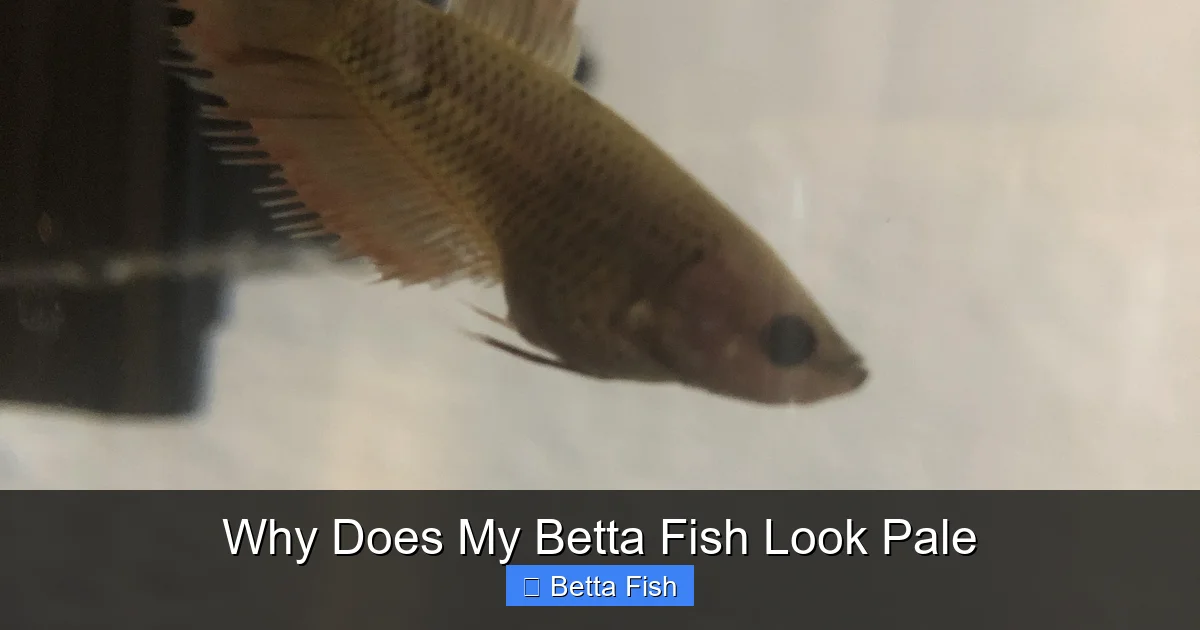
Visual guide about Why Does My Betta Fish Look Pale
Image source: i.redd.it
1.1. Ammonia, Nitrite, and Nitrate
High ammonia or nitrite levels are toxic and force the fish’s body to divert energy away from coloration toward survival. Test your water weekly with a liquid test kit. If ammonia reads above 0 ppm, perform a 25‑30 % water change immediately.
1.2. pH and Hardness
Betas thrive in slightly acidic to neutral water (pH 6.5‑7.5) with moderate hardness. A pH that’s too high can weaken the fish’s pigment cells. Use a pH buffer or add driftwood to gently lower the pH.
1.3. Temperature
Betta fish are tropical; they love warm water (78‑80 °F / 25‑27 °C). Cold water slows metabolism, which can make the fish look pale. Use an aquarium heater with a thermostat and check the temperature twice daily.
1.4. Practical Tip
Set a weekly schedule: test water on Monday, change 20 % on Wednesday, and retest Friday. Consistency prevents the slow build‑up of toxins that drain color.
2. Nutrition – Feeding the Rainbow
What your betta eats directly affects the intensity of its colors. Wild bettas get a varied diet of insects and larvae, rich in carotenoids and protein.
2.1. Quality Pellets vs. Freeze‑Dried Foods
High‑quality betta pellets contain natural color enhancers like astaxanthin. Freeze‑dried brine shrimp and bloodworms add variety and extra pigments. Feed a mix: two pellets once daily plus a few frozen or freeze‑dried treats twice a week.
2.2. Over‑Feeding Pitfalls
Too much food leads to poor water quality, which circles back to paleness. Feed only what your betta can eat in 2‑3 minutes.
2.3. Vitamin Supplements
If you suspect a deficiency, a few drops of a liquid betta vitamin once a week can boost coloration. Look for products with “carotenoids” and “vitamin C”.
2.4. Practical Tip
Rotate protein sources: pellets → frozen bloodworms → brine shrimp. This keeps the diet exciting and supplies a broader spectrum of pigments.
3. Stress – The Hidden Bleacher
Stress is a silent enemy that can cause a betta’s colors to fade within days.
3.1. Tank Size and Layout
Although bettas can survive in small bowls, they thrive in at least 5 gallons of filtered water. Provide hiding spots—plants, caves, or silk roots—to reduce stress.
3.2. Aggressive Tank Mates
Betas are territorial. Even a peaceful dwarf gourami can cause stress if the tank is cramped. If you must share, keep the betta alone or choose very calm companions.
3.3. Light and Day‑Night Cycle
Too much direct light or constant illumination can stress a betta. Aim for 8‑10 hours of subdued lighting per day and a dark period at night.
3.4. Practical Tip
When you notice a pale betta, dim the lights for 24 hours and add a live plant like Java fern. The plant improves water quality and offers a natural hideout.
4. Illness – When Paleness Signals Disease
If water and diet are perfect yet the fish stays pale, it may be sick. Here are common illnesses linked to color loss.
4.1. Fin Rot and Bacterial Infections
Fin rot often starts with frayed edges, but before that you may see the fish turning pale. Bacteria thrive in dirty water.
4.2. Parasitic Infections
Protozoan parasites like Ich cause white spots and can make the fish look washed out. Look for tiny “salt‑shaker” spots on the body.
4.3. Internal Organ Problems
Swollen abdomen, loss of appetite, and pale skin together suggest liver or kidney issues. A quick water change and a dose of aquarium‑safe medication can help, but a vet may be needed.
4.4. When to Seek Professional Help
If the pale appearance persists for more than a week after correcting water and diet, or if you notice rapid breathing, clamped fins, or abnormal behavior, consult an aquatic vet.
4.5. Related Reading
For more on color loss, see our article on why did my betta fish lose its color.
5. Quick Diagnosis Checklist
Use this simple checklist the next time you wonder “why does my betta fish look pale?”
5.1. Water Test
- Ammonia = 0 ppm
- Nitrite = 0 ppm
- Nitrate < 20 ppm
- pH 6.5‑7.5
- Temperature 78‑80 °F
5.2. Feeding Review
- Are you feeding high‑quality pellets?
- Do you supplement with frozen or live foods?
- Is feeding limited to 2‑3 minutes?
5.3. Stress Audit
- Is the tank at least 5 gallons?
- Are there enough plants or decorations?
- Is the lighting schedule regular?
5.4. Health Scan
- Check fins for ragged edges.
- Look for white spots or slime.
- Observe swimming behavior – any floating or clamped fins?
5.5. Action Plan
- Perform a 25 % water change.
- Adjust temperature if needed.
- Upgrade diet for the next 7 days.
- Add a live plant or extra hiding spot.
- Retest water after 48 hours.
- If no improvement, treat for bacterial infection or consult a vet.
6. Long‑Term Prevention – Keeping Your Betta Bright for Life
Prevention is easier than cure. Here are habits that keep your betta’s colors vivid year after year.
6.1. Regular Maintenance
Change 20 % of the water weekly, even if parameters look good. This prevents hidden spikes in ammonia.
6.2. Seasonal Adjustments
In winter, room temperature can drop. Use a heater with a backup thermostat to keep the water steady.
6.3. Seasonal Diet Changes
During breeding season, males often become more colorful. Offer more protein‑rich foods like live brine shrimp to enhance this natural boost.
6.4. Monitoring Tools
Invest in a digital thermometer and a test strip holder. Keep a logbook of water parameters; trends become obvious quickly.
6.5. Related Reading
If you notice your betta’s scales turning white, read why is my betta fish turning white for deeper insight.
Conclusion
Seeing a pale betta is unsettling, but most of the time the answer to “why does my betta fish look pale?” lies in water quality, diet, or stress. By testing water regularly, feeding a balanced diet, and providing a calm, appropriately sized environment, you can restore that brilliant hue in just a few days. Keep an eye on any accompanying signs of illness, and don’t hesitate to treat early or seek professional help. With these simple steps, your betta will stay the vivid, lively companion you fell in love with.
Frequently Asked Questions
Why does my betta fish look pale after a water change?
Sometimes a sudden temperature shift or a brief spike in ammonia during a change can stress the fish, causing temporary paleness. Check the water temperature and test for ammonia, then perform a small corrective water change if needed.
Can low lighting cause my betta to lose color?
Yes. Insufficient light can reduce pigment expression. Provide 8‑10 hours of gentle aquarium lighting each day to keep colors bright.
Is pale skin a sign of a specific disease?
Pale skin often accompanies bacterial infections, fin rot, or internal parasites. Look for additional signs like ragged fins, white spots, or loss of appetite to pinpoint the issue.
How quickly can diet improve a pale betta’s color?
With a high‑quality, carotenoid‑rich diet, you may see brighter colors within 5‑7 days. Consistency is key; feed small, frequent meals and rotate protein sources.
Do betta fish lose color when they are stressed by other fish?
Yes. Even non‑aggressive tank mates can cause stress if the space is too small. A solitary setup or a well‑planted, spacious tank reduces stress‑induced paleness.
What water parameters are safest for preventing a pale betta?
Keep ammonia and nitrite at 0 ppm, nitrates below 20 ppm, pH between 6.5‑7.5, and temperature steady at 78‑80 °F. Regular testing and partial water changes maintain these ideal conditions.

