Seeing your betta fish limp, floating upside‑down, or looking completely lifeless can be terrifying. This article explains the common reasons why a betta looks dead, how to spot early warning signs, and practical steps to bring your fish back to health.
Key Takeaways
- Water quality is king: Poor parameters are the #1 cause of a “dead‑looking” betta.
- Behavior clues matter: Floating, loss of color, and labored breathing signal trouble.
- Check for disease: Fin rot, ich, and velvet often make a betta appear motionless.
- Stress triggers: Over‑heating, wrong tank mates, and sudden changes can shock a betta.
- Quick response saves lives: A simple water change or temperature tweak can revive a struggling fish.
- Prevention beats cure: Regular testing and proper feeding keep your betta thriving.
- Know when to say goodbye: Some signs indicate irreversible decline, and humane euthanasia may be needed.
📑 Table of Contents
- Introduction: When Your Betta Looks Like It’s Gone
- 1. Water Quality – The Silent Killer
- 2. Temperature Troubles – Too Hot or Too Cold
- 3. Disease and Parasites – When Illness Mimics Death
- 4. Stress Factors – The Hidden Enemies
- 5. Feeding Issues – When the Bowl Is Empty
- 6. When “Dead” Means “Really Gone” – Recognizing the End
- Putting It All Together – A Quick Checklist
- Conclusion: Hope for the Lifeless Betta
Introduction: When Your Betta Looks Like It’s Gone
Imagine you walk up to your betta’s tank and see a pale, limp fish floating near the surface, barely moving its fins. Your heart drops. Is it really dead, or is it just playing a trick on you?
Betta fish are hardy, but they’re also sensitive to their environment. A “dead‑looking” betta is usually a cry for help, not a final curtain call. In this guide we’ll walk through the most common reasons why your betta looks dead, how to diagnose the problem, and what you can do right now to turn things around.
1. Water Quality – The Silent Killer
Why water matters more than food
Betta fish breathe air from the surface, but they also absorb toxins through their skin and gills. Even a small spike in ammonia (NH₃) or nitrite (NO₂⁻) can make a betta appear lifeless.
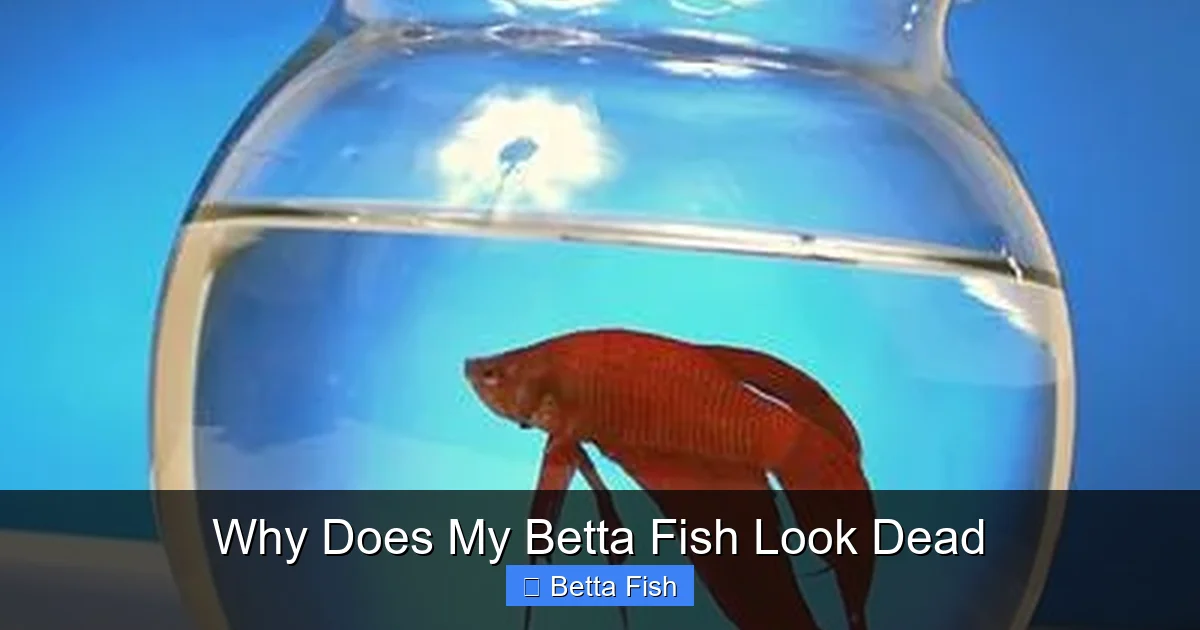
Visual guide about Why Does My Betta Fish Look Dead
Image source: infishtank.com
Key parameters to check
- Ammonia: Should be 0 ppm. Anything above 0.25 ppm is dangerous.
- Nitrite: Must be 0 ppm.
- Nitrate: Keep below 20 ppm; higher levels cause stress.
- pH: Ideal range 6.5–7.5 for bettas.
- Temperature: 76–82 °F (24–28 °C) is optimal.
Quick fix: The 25‑percent water change
If any parameter is off, perform a 25 % water change with conditioned water. This often revives a fish that’s “dead” from a sudden ammonia dump.
2. Temperature Troubles – Too Hot or Too Cold
What the right heat feels like
Betas are tropical. Water below 74 °F slows metabolism, making the fish float listlessly. Above 84 °F, oxygen dissolves less, and the fish may gasp at the surface.
Spotting temperature stress
- Rapid, shallow breathing.
- Fins held close to the body.
- Lethargic swimming or upside‑down floating.
Solution
Use an aquarium heater with a reliable thermostat. Check the temperature twice a day with a digital probe until you’re confident the heater is stable.
3. Disease and Parasites – When Illness Mimics Death
Fin rot, ich, and velvet
These common ailments cause loss of color, ragged fins, and a “floppy” appearance. Why does my betta fish fins look shredded offers a deeper dive into fin rot.
Symptoms to watch
- White spots (ich) or dusty coating (velvet).
- Fins frayed, ragged, or falling off.
- Loss of the bright, iridescent coloration.
First‑aid steps
Isolate the fish in a hospital tank, raise the temperature to 82 °F, and add a small dose of aquarium salt (1 g per 5 gal) to reduce stress. Treat with a suitable medication—often a copper‑based or formalin cure—for 5–7 days.
4. Stress Factors – The Hidden Enemies
Tank mates, lighting, and décor
Betas are solitary fighters. A too‑small tank, bright direct light, or aggressive tank mates can cause a stress‑induced shutdown.
Common stress triggers
- Living in a bowl smaller than 2.5 gallons.
- Sudden water changes that shock the fish.
- Flashing lights or constant disturbance.
How to reduce stress
Provide a minimum of 5 gallons, use a gentle LED light on a 12‑hour cycle, and keep the tank in a quiet area. Adding live plants or silk plants can give your betta a place to hide and feel secure.
5. Feeding Issues – When the Bowl Is Empty
Starvation signs
A betta that hasn’t eaten for several days will lose its vibrant colors and become weak, often appearing dead.
Why they might refuse food
- Water quality problems.
- Illness (see disease section).
- Improper food type or size.
Feeding rescue plan
Offer a small amount of high‑quality betta pellet or a frozen brine shrimp treat. If the fish still won’t eat, try gently pinching the throat with a soft pipette to trigger the gulp reflex.
6. When “Dead” Means “Really Gone” – Recognizing the End
Irreversible signs
Sometimes a betta truly has passed. Look for these tell‑tale signs:
- Rigor mortis – the body stays stiff for a few minutes.
- Cloudy, milky eyes or a completely white belly.
- Foul odor despite clean water.
Humane options
If you’re sure the fish is dead, remove it promptly to keep the tank clean. For a dying fish, a quick, painless euthanasia with a high dose of clove oil (5 ml per 5 gallons) is recommended.
Putting It All Together – A Quick Checklist
Whenever you see a “dead‑looking” betta, run through this mental checklist:
- Test water (ammonia, nitrite, nitrate, pH).
- Check temperature with a reliable probe.
- Inspect for disease signs (spots, frayed fins, discoloration).
- Assess recent changes (new décor, tank mates, feeding schedule).
- Perform a 25 % water change and observe for 30 minutes.
- If no improvement, isolate and treat for disease.
Most “dead” appearances are reversible if you act fast. The sooner you identify the cause, the better the odds of a full recovery.
Conclusion: Hope for the Lifeless Betta
Seeing your betta look dead is a heart‑pounding moment, but it’s rarely the end of the story. By mastering water chemistry, temperature control, disease identification, and stress reduction, you can often bring a limp fish back to vibrant life. Keep a regular maintenance schedule, watch for subtle changes, and you’ll become the superhero your betta needs.
Remember, a healthy betta is a happy betta. Treat the tank like a tiny ecosystem, and those “dead‑looking” moments will become a thing of the past.
Frequently Asked Questions
Why is my betta fish floating upside‑down?
Upside‑down swimming usually means a problem with buoyancy, often caused by poor water quality, swim‑bladder infection, or constipation.
Can a betta fish recover after looking dead?
Yes, if the cause is water quality, temperature, or early‑stage disease, a quick water change and proper treatment can revive the fish.
What does a sick betta fish look like?
A sick betta may be pale, have ragged fins, show white spots, or stay at the bottom of the tank without moving much.
How often should I change the water for a betta?
Perform a 25 % water change once a week, and test the water weekly to keep parameters stable.
Why does my betta make bubbles but look lifeless?
Bubble‑nest building is a natural behavior, but if the fish looks lethargic while blowing bubbles, check for stress or disease.
When should I consider euthanizing a betta?
If the fish shows irreversible signs such as severe ulcerations, constant bleeding, or has been unresponsive for several days despite treatment, humane euthanasia may be the kinder option.

