Betta fish often hover near the water surface for several reasons, from seeking oxygen to displaying stress or excitement. Understanding these cues helps you create a safer, more comfortable environment and prevents potential health problems.
Key Takeaways
- Oxygen needs: Low dissolved oxygen pushes bettas to the surface.
- Temperature & pH: Improper water parameters can make fish seek the top.
- Stress signals: Jumping, bubbling, or frantic swimming may indicate stress.
- Breeding behavior: Males build bubble nests at the surface when ready to spawn.
- Tank setup: Too much décor or a small water column forces fish upward.
- Health checks: Look for signs of disease, bloating, or fin damage.
- Action plan: Adjust aeration, test water, and observe behavior to solve the issue.
📑 Table of Contents
- Introduction: The Mystery of the Surface‑Dwelling Betta
- 1. Oxygen Levels: The Most Common Reason
- 2. Temperature and pH: Comfort Zones
- 3. Stress Signals: When the Surface Is a Cry for Help
- 4. Breeding Behavior: The Bubble Nest Instinct
- 5. Tank Layout and Water Column Height
- 6. Health Issues: When the Surface Is a Symptom
- Putting It All Together: A Simple Troubleshooting Checklist
- Conclusion: Keeping Your Betta Comfortable and Happy
Introduction: The Mystery of the Surface‑Dwelling Betta
Imagine you’ve just set up a beautiful 5‑gallon tank for your new betta. The colors are vibrant, the plants sway gently, and your fish is swimming gracefully. Then, after a few days, you notice something odd—your betta spends most of its time at the very top of the water column. You might wonder, “why does my betta fish keep swimming to the top?” It’s a common observation that can mean anything from a simple preference to a cry for help.
In this article we’ll walk through every plausible reason, from natural instincts to water‑quality problems. By the end you’ll have a clear checklist to diagnose the cause and practical steps to keep your betta thriving.
1. Oxygen Levels: The Most Common Reason
Why dissolved oxygen matters
Betta fish are labyrinth fish, meaning they have a special organ that lets them gulp air from the surface. Still, they prefer water that is well‑oxygenated. If the dissolved oxygen (DO) in the tank drops, the betta will instinctively rise to the surface to breathe.
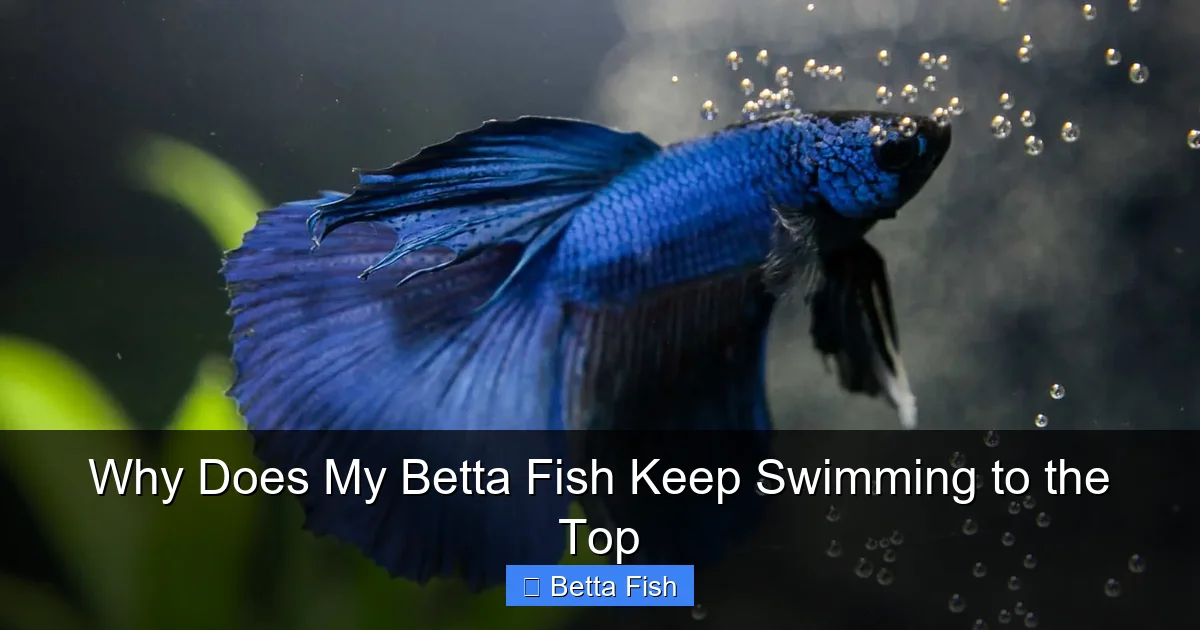
Visual guide about Why Does My Betta Fish Keep Swimming to the Top
Image source: aquariadise.com
What lowers oxygen?
- Over‑crowding (even a single betta can suffer if the tank is too small).
- Lack of water movement – no filter or a weak filter.
- High water temperature – warm water holds less oxygen.
- Excess organic waste – decaying food and fish waste consume oxygen.
How to fix low oxygen
Start by adding a gentle air stone or a small powerhead. Aim for a subtle ripple rather than a strong current; bettas dislike strong flows. Keep the temperature between 76°F and 80°F (24‑27°C), and perform weekly 25‑30% water changes to remove waste.
For more on surface‑related behavior, see our article on why betta fish stay at top of tank.
2. Temperature and pH: Comfort Zones
Temperature spikes push fish upward
When water gets too warm, the fish’s metabolism speeds up and it seeks cooler water near the surface where the temperature may be slightly lower. Use a reliable aquarium heater and a thermometer to keep the water steady.
pH swings can be stressful
A sudden drop or rise in pH can cause irritation to the gills, making the betta gasp for fresh air. Test the water weekly with a liquid test kit and aim for a pH between 6.5 and 7.5.
Quick temperature‑check routine
- Check the heater setting each morning.
- Feel the tank wall with the back of your hand—if it feels warm, the water may be too hot.
- Adjust the heater or move the tank to a cooler spot.
3. Stress Signals: When the Surface Is a Cry for Help
Signs of stress beyond surface swimming
If the betta is also flashing, flaring its fins, or showing faded colors, stress is likely. Common stressors include:
- Loud noises or vibrations.
- Incompatible tank mates (even other peaceful fish can be too active).
- Improper lighting—bright lights for too long can cause fatigue.
- Frequent tapping on the glass.
Stress can lead to jumping
Stressed bettas may try to escape, resulting in the dreaded jump. Learn how to prevent this in our guide on why did my betta fish jump out of the tank.
Calming your betta
Provide hiding spots with live or silk plants, dim the lights to 8‑10 hours a day, and keep a consistent routine. A calm environment reduces the need to seek the surface for relief.
4. Breeding Behavior: The Bubble Nest Instinct
Why males love the surface
When a male betta is ready to breed, he builds a bubble nest at the water’s surface. He will spend hours near the top, gathering bubbles and defending the nest. Even if you don’t plan to breed, this natural instinct can cause surface‑dwelling.
Identifying a bubble nest
Look for clusters of tiny, white bubbles floating near the top, often attached to the tank lid or plant leaves. If you see this, the fish is likely in breeding mode.
Encouraging or discouraging nesting
- To encourage: Provide a floating leaf or a piece of Styrofoam as a nest base.
- To discourage: Lower the water temperature slightly and remove any floating objects.
Curious about bubble behavior? Check out why does my betta fish make bubbles for a deeper dive.
5. Tank Layout and Water Column Height
Small tanks force fish upward
Betta tanks that are too shallow (less than 4‑5 inches deep) limit vertical space, making the surface the only comfortable zone. Opt for a tank at least 8‑10 inches tall to give your betta room to explore different levels.
Over‑decorating the bottom
Heavy substrate, too many rocks, or a dense carpet can trap waste and reduce water flow near the bottom, prompting the fish to seek cleaner water at the top.
Design tips for a balanced environment
- Use a fine, low‑dust substrate and keep it thin (1‑2 inches).
- Place a few tall plants (real or silk) to create vertical interest.
- Leave open swimming space in the middle and lower thirds of the tank.
6. Health Issues: When the Surface Is a Symptom
External signs to watch
Inspect the betta’s body for bloating, torn fins, or white patches. Illnesses like Ich, velvet, or bacterial infections can cause respiratory distress, making the fish surface‑breathe.
Internal problems
Swim bladder disorder or constipation can make a betta float or swim oddly. If the fish is constantly at the top and seems unable to control its depth, a gentle water change with a pinch of Epsom salt may help.
When to seek treatment
If you notice loss of appetite, lethargy, or rapid color fading, start a quarantine treatment plan. Our comprehensive guide on why are my betta fish dying offers detailed steps.
Putting It All Together: A Simple Troubleshooting Checklist
Step‑by‑step quick fix
- Test water: Check temperature, pH, ammonia, nitrite, and nitrate.
- Aerate: Add a small air stone or increase filter flow.
- Inspect tank size: Ensure the tank is at least 5 gallons with adequate height.
- Look for stressors: Reduce noise, adjust lighting, and provide hiding spots.
- Check for breeding signs: Identify bubble nests and decide whether to encourage or discourage them.
- Health scan: Examine fins, eyes, and body for disease or injury.
Follow these steps daily for a week. If the behavior persists, consider a water change of 50% and re‑evaluate each factor.
Conclusion: Keeping Your Betta Comfortable and Happy
Understanding why your betta fish keeps swimming to the top is a blend of science and observation. Most often, the cause is simple—low oxygen, temperature spikes, or natural breeding instincts. However, persistent surface swimming can also signal stress or health problems that need immediate attention.
By maintaining proper water parameters, providing a well‑designed tank, and monitoring your fish’s behavior, you’ll create an environment where your betta feels safe anywhere in the water column. Remember, a happy betta is a healthy betta, and a little daily care goes a long way.
Frequently Asked Questions
Why does my betta fish stay at the top of the tank?
Betas often stay near the surface to access oxygen, especially if the water is warm or poorly aerated. It can also be a sign of breeding or stress.
Is it normal for a betta to build a bubble nest at the top?
Yes, male bettas build bubble nests when they are ready to breed. The nest appears as a cluster of tiny white bubbles near the surface.
Can water temperature cause my betta to swim upward?
High temperatures reduce dissolved oxygen and can make the fish seek cooler water near the top. Keep the tank between 76°F‑80°F (24‑27°C).
What should I do if my betta is constantly at the surface and looks stressed?
Check water quality, add gentle aeration, reduce noise, and provide hiding places. If symptoms continue, look for signs of disease.
How can I tell if my betta’s surface swimming is due to illness?
Inspect for bloating, torn fins, discoloration, or abnormal breathing. Illness often comes with loss of appetite or lethargy.
Will adding live plants help reduce my betta’s surface‑only swimming?
Live plants improve water quality and oxygen levels, giving the betta more comfortable zones throughout the tank.

