Do Bettas Eat Tropical Fish Flakes
Curious if your betta can enjoy tropical fish flakes? This article explains why flakes can be a safe option, how to choose the right type, and the best feeding practices to keep your finned friend thriving. Read on for practical tips and common mistakes to avoid.
Key Takeaways
- Understanding do bettas eat tropical fish flakes: Provides essential knowledge
📑 Table of Contents
Introduction: Why the Question Matters
When you first set up a betta tank, the grocery aisle can feel overwhelming. There are pellets, frozen brine shrimp, bloodworms, and—yes—tropical fish flakes. Many hobbyists wonder, do bettas eat tropical fish flakes? The answer isn’t a simple “yes” or “no.” It depends on the flake quality, your betta’s size, and how you incorporate flakes into a balanced diet.
In this guide, we’ll walk through the science behind betta nutrition, break down the pros and cons of flakes, and give you step‑by‑step feeding tips. By the end, you’ll know exactly how to use tropical fish flakes to keep your betta healthy, vibrant, and happy.
Understanding Betta Nutrition
What a Betta’s Natural Diet Looks Like
In the wild, Siamese fighting fish (Betta splendens) hunt insects, larvae, and tiny crustaceans at the water’s surface. Their diet is high in protein and low in plant matter. Replicating this in an aquarium means offering foods that are rich in animal protein.

Visual guide about Do Bettas Eat Tropical Fish Flakes
Image source: petshun.com
Key Nutrients Bettas Need
- Protein (30‑45%): Supports muscle growth and vibrant coloration.
- Fats: Provide energy and help absorb fat‑soluble vitamins.
- Vitamins A, D, E, and B‑complex: Essential for eye health, immune function, and metabolism.
- Minerals (Calcium, Phosphorus): Important for bone and scale development.
How Flakes Fit Into This Nutritional Profile
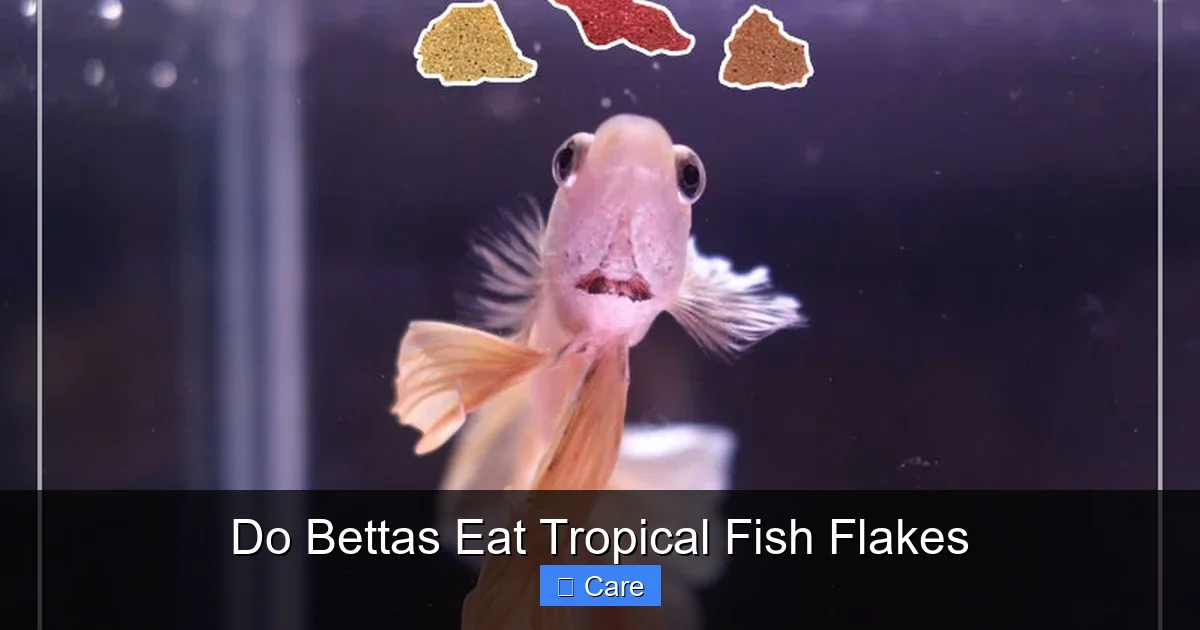
High‑quality tropical fish flakes are formulated to meet these protein and vitamin requirements. However, not all flakes are created equal. Some are geared toward herbivorous species and contain too much plant matter, which can lead to digestive issues for a carnivorous betta.
Choosing the Right Tropical Fish Flakes
What to Look for on the Package
- Protein content ≥ 30%: Guarantees enough animal protein.
- Listed ingredients: Look for fish meal, shrimp meal, or insect protein as the first ingredients.
- No fillers: Avoid excessive wheat, soy, or corn.
- Added vitamins and minerals: Ensures a complete diet.
Brands That Betta Keepers Trust
While brand loyalty is personal, many hobbyists swear by flake products from manufacturers that also make betta‑specific pellets. These brands usually test their formulas for betta compatibility.
Visual guide about Do Bettas Eat Tropical Fish Flakes
Image source: smartaquariumguide.com
Internal Link Example
If you’re still unsure, read our detailed article Can Betta Fish Eat Tropical Flakes for a deeper dive into ingredient analysis.
How to Feed Flakes Safely
Preparing the Flakes
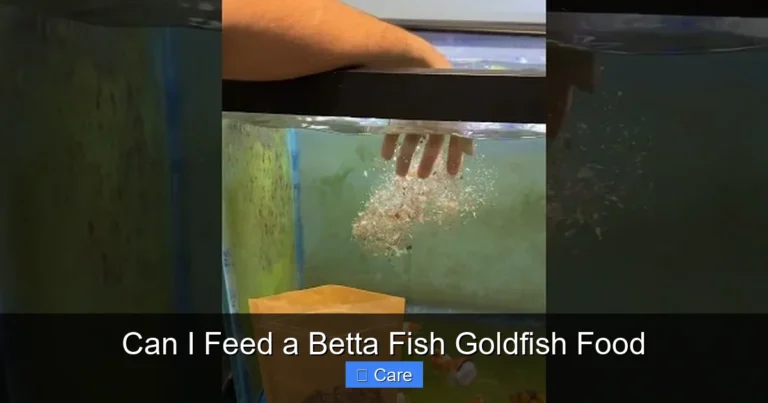
Break the flakes into small, bite‑size pieces. This prevents choking and makes it easier for your betta to snap them up. You can also soak the crumbs in a few drops of water for 10‑15 seconds to soften them, especially for older bettas with reduced jaw strength.
Visual guide about Do Bettas Eat Tropical Fish Flakes
Image source: lh7-us.googleusercontent.com
Feeding Frequency and Portion Size
- Twice a day: Offer a pinch (about 1‑2 teaspoons) in the morning and evening.
- Observe consumption: If flakes remain after 5 minutes, remove them to keep water quality high.
- Adjust for age: Juvenile bettas may need three small feedings; adults usually do fine with two.
Combining Flakes with Other Foods
Flakes should never be the sole food source. Supplement with live or frozen foods like brine shrimp, daphnia, or bloodworms at least twice a week. This mimics their natural hunting behavior and provides essential fatty acids.
Common Mistakes to Avoid
- Over‑feeding: Leads to cloudy water and digestive problems.
- Using low‑protein “tropical flakes”: They lack the nutrients bettas need.
- Feeding directly from the bag: Increases the risk of contaminants.
Monitoring Your Betta’s Health
Signs of a Happy Betta
After a proper feeding routine, a healthy betta will display bright, flowing fins, active swimming, and a robust appetite. Look for a steady appetite and no leftover food after each feeding session.
When to Re‑evaluate the Diet
- Loss of color: May indicate nutrient deficiency.
- Frequent spitting out food: Could mean flakes are too large or low quality.
- Digestive issues: Swollen abdomen or frequent floating pellets suggest over‑feeding.
Helpful Resources
For a broader view of what bettas can eat, check out What Do Betta Fish Eat and How Much Do Betta Fish Eat. These pages cover live, frozen, and pellet options in detail.
Practical Tips for Long‑Term Success
Rotate Foods Regularly
Switch between flakes, pellets, and frozen foods every few weeks. Rotation prevents nutrient gaps and keeps your betta excited about mealtime.
Maintain Clean Water
Even the best diet can’t save a betta in poor water conditions. Perform a 25‑30% water change weekly and vacuum uneaten food from the substrate.
Store Flakes Properly
Keep the original bag sealed or transfer flakes to an airtight container. Store in a cool, dry place away from direct sunlight to preserve vitamins.
Conclusion
So, do bettas eat tropical fish flakes? Yes—provided you choose a high‑protein, betta‑friendly product and use it as part of a varied diet. By following the feeding guidelines above, monitoring your fish’s health, and rotating food sources, you’ll give your betta the nutrition it needs to thrive.
Remember, each betta is an individual. Pay attention to its preferences and adjust accordingly. With the right flakes and a balanced feeding plan, you’ll enjoy a vibrant, active betta that lives a long, healthy life.
Frequently Asked Questions
Can bettas eat any brand of tropical fish flakes?
Not all brands are suitable. Look for flakes with ≥ 30% protein and animal‑based ingredients. Low‑protein or herbivore‑focused flakes can cause nutritional deficiencies.
How often should I feed my betta tropical fish flakes?
Feed small portions twice daily. Remove any uneaten flakes after five minutes to keep the water clean.
Will feeding flakes replace live foods?
No. Flakes are a convenient staple, but live or frozen foods provide essential fatty acids and stimulate natural hunting behavior.
Can I soak the flakes before feeding?
Yes, a quick soak (10‑15 seconds) softens the flakes, making them easier for older bettas to eat.
What are the signs that my betta doesn’t like the flakes?
If your betta frequently spits out the flakes, shows reduced appetite, or the water becomes cloudy quickly, try a different brand or reduce the amount.
Are there any health risks associated with over‑feeding flakes?
Over‑feeding can lead to obesity, fatty liver disease, and poor water quality, which can stress your betta and make it susceptible to illness.