Can a Snail Eat a Betta Fish
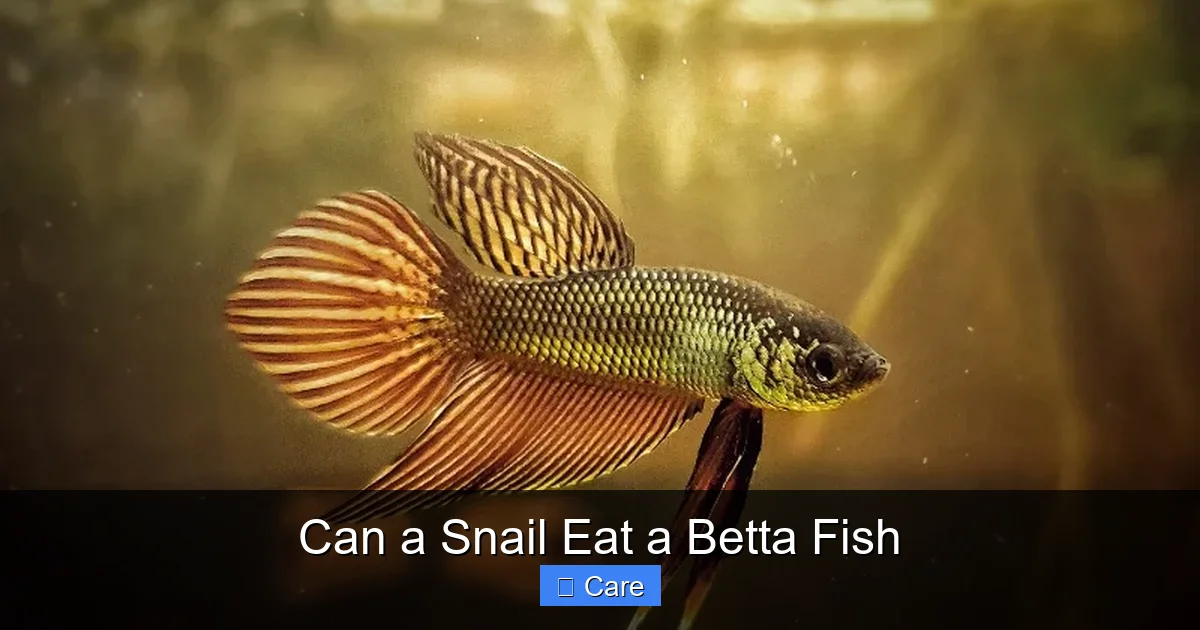
Snails are not predators of betta fish, but under stress or extreme hunger, they might nibble on weakened fins. Understanding snail behavior, tank conditions, and proper care ensures a peaceful coexistence.
Key Takeaways
- Snails rarely eat live betta fish: Their diet is mostly algae and detritus, not active prey.
- Weak or sick bettas are vulnerable: A stressed betta may lose fin tissue that a curious snail could scrape.
- Tank size matters: Crowded tanks increase stress for both snails and bettas, raising conflict risk.
- Choose the right snail species: Larger mystery snails are less likely to bother a betta than tiny nerite or ramshorn snails.
- Maintain water quality: Clean water reduces stress, keeping snails and bettas healthy.
- Monitor feeding: Over‑feeding creates excess waste, attracting snails to feed on leftover food rather than the fish.
- Use proper tank mates: Research compatible species to avoid accidental injuries.
📑 Table of Contents
- Introduction: Setting the Scene
- 1. What Snails Really Eat
- 2. Betta Fish Anatomy and Vulnerabilities
- 3. Tank Conditions That Influence Interaction
- 4. Choosing the Right Snail Species
- 5. Practical Tips to Prevent Any Unwanted Snail‑Betta Interaction
- 6. When Things Go Wrong: What To Do If Your Snail Starts Nibbling
- Conclusion: Peaceful Coexistence Is Possible
Introduction: Setting the Scene
When you first set up a betta tank, the idea of adding a cute little snail can feel like a great way to add movement and help with algae control. But a common question pops up in many forums: can a snail eat a betta fish? The short answer is “usually no,” but the reality has a few nuances that every betta keeper should understand.
In this article we’ll break down the biology of both creatures, explore the conditions that could lead a snail to target a betta, and give you practical steps to keep both thriving. Think of it as a friendly chat over a cup of coffee, with plenty of easy‑to‑follow tips.
1. What Snails Really Eat
Natural diet of aquarium snails
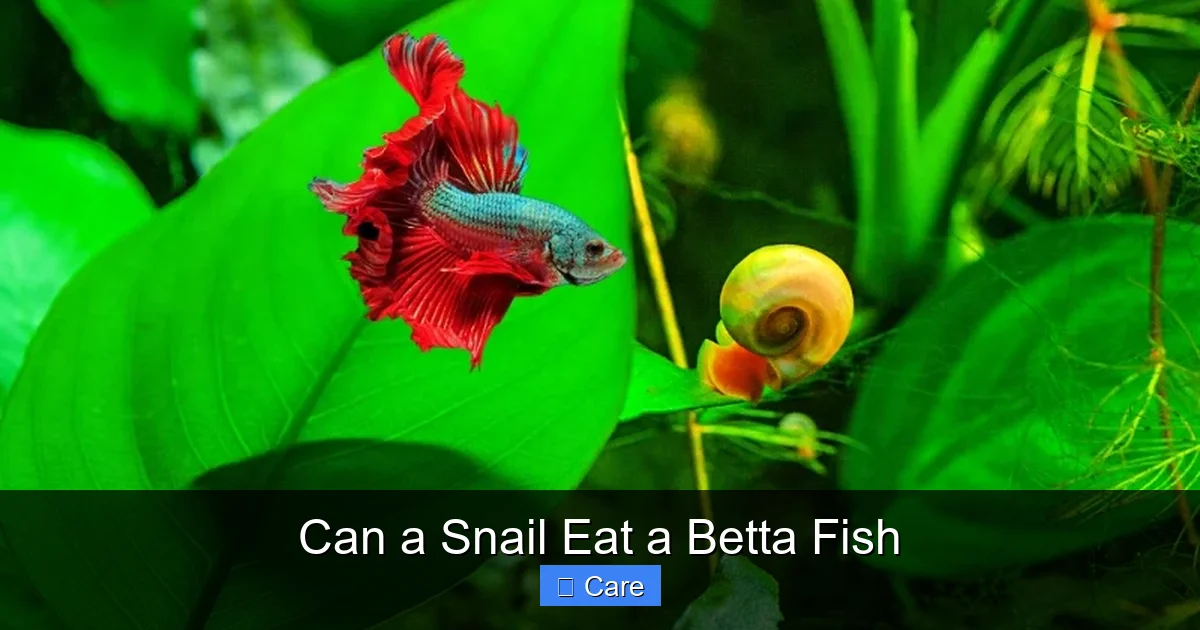
Most freshwater snails—like mystery snails, nerite snails, and ramshorn snails—are herbivores or detritivores. They graze on:
Visual guide about Can a Snail Eat a Betta Fish
Image source: infishtank.com
- Algae films on glass and decorations
- Decaying plant matter
- Uneaten fish food
- Bio‑film and microorganisms
Because their mouths are tiny raspers, they are built to scrape, not to bite into flesh. This design makes it highly unlikely for a snail to actively hunt a live betta.
Exceptions: When snails turn opportunistic
In rare cases, a snail may nibble on a betta’s fin if the tissue is already damaged or rotting. This is not true predation; it’s more akin to cleaning up a wound. The behavior is similar to how a snail might feed on dead leaves in a pond.
2. Betta Fish Anatomy and Vulnerabilities
Fin structure and healing
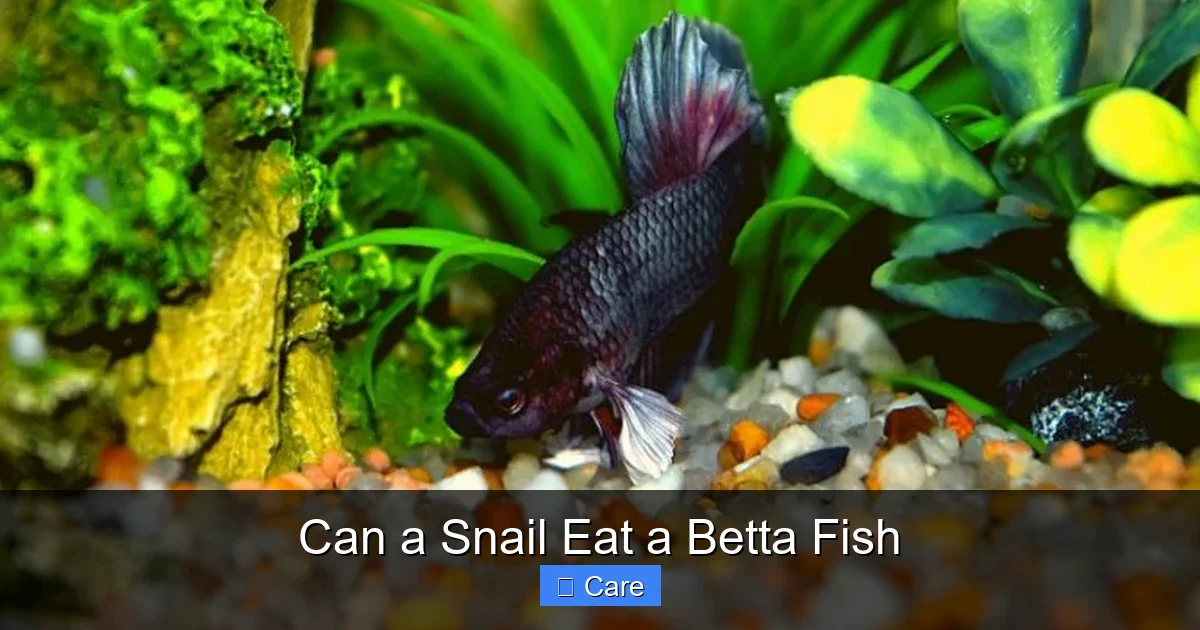
Betta fins are delicate and can be easily torn during aggressive displays or accidental tank collisions. If a fin is torn, it creates a small opening that can attract opportunistic feeders, including snails.
Visual guide about Can a Snail Eat a Betta Fish
Image source: infishtank.com
Stress factors that weaken bettas
Stressors such as:
- Overcrowding
- Poor water parameters (high ammonia, low oxygen)
- Incompatible tank mates
- Improper temperature (betas prefer 78‑80°F)
can suppress the immune system, making fin rot more likely. A weakened betta is the scenario where the question can a snail eat a betta fish becomes relevant.
3. Tank Conditions That Influence Interaction
Size matters
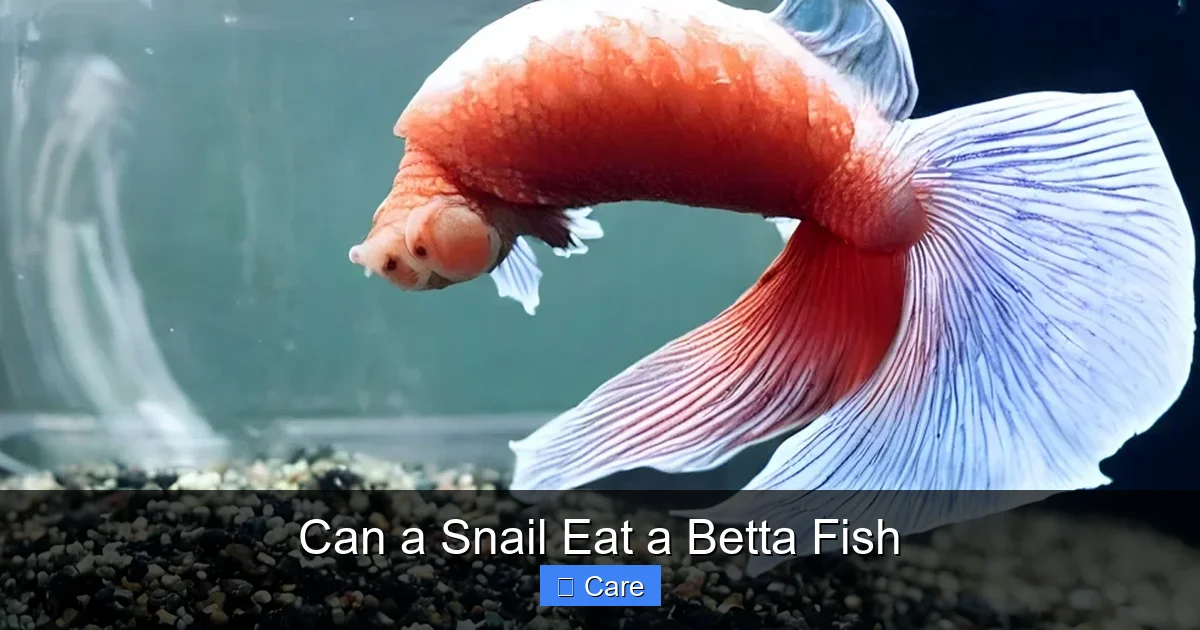
In a cramped 2‑gallon bowl, both snail and betta have limited space to hide, increasing stress. A larger, well‑planted tank (5‑10 gallons) provides ample hiding spots for the snail and reduces the chance of accidental fin damage.
Visual guide about Can a Snail Eat a Betta Fish
Image source: tankofish.com
Water quality
Snails are sensitive to copper and heavy metals, while bettas need stable pH (6.5‑7.5). Regular water changes (20‑30% weekly) keep nitrate levels low, preventing algae overgrowth that could attract snails to the surface and bring them into close contact with the betta.
Feeding routine
Overfeeding creates excess food that settles on the bottom, encouraging snails to graze heavily. Feed your betta small amounts 2‑3 times a day, and remove uneaten food after a few minutes.
4. Choosing the Right Snail Species
Large snails vs. tiny snails
Large mystery snails (up to 2 inches) are less likely to bother a betta simply because their size makes them less curious about the fish’s fins. Tiny nerite or ramshorn snails may explore more actively, but even they rarely cause harm unless the betta is already compromised.
Compatibility checklist
- Mystery Snail: Good size, peaceful, excellent algae eater.
- Nerite Snail: Stays small, excellent for glass cleaning, needs brackish water for breeding.
- Ramshorn Snail: Prolific breeder, can overpopulate if food is plentiful.
For most betta owners, the mystery snail is the safest bet.
5. Practical Tips to Prevent Any Unwanted Snail‑Betta Interaction
Set up proper hiding places
Use live plants, driftwood, and ceramic caves. Snails love to crawl under leaves, and bettas love to rest on broad leaf surfaces. This separation reduces accidental contact.
Monitor fin health regularly
Inspect your betta’s fins at least twice a week. Look for ragged edges, white spots, or discoloration. Early detection of fin rot means you can treat it before a snail might be attracted.
Maintain a balanced feeding schedule
Offer high‑quality betta pellets or frozen foods like bloodworms. If you want to give snails extra nutrition, add a few blanched vegetables (zucchini, spinach) that sink to the bottom.
Quarantine new snails
Before adding snails to an established betta tank, quarantine them for 7‑10 days. This prevents the introduction of parasites that could stress your betta.
Observe behavior after introduction
During the first 48 hours, watch for signs of aggression. A betta may flare at a curious snail. If the betta shows excessive stress, consider a separate display tank for the snail.
6. When Things Go Wrong: What To Do If Your Snail Starts Nibbling
Identify the cause
Check water parameters with a test kit. High ammonia or nitrite often indicates a filter problem, which can weaken the betta and make its fins more vulnerable.
Treat fin rot promptly
Use a mild antibacterial medication (e.g., Maracyn) for 5‑7 days. Remove any dead tissue with a soft brush to discourage snails from feeding on it.
Separate the snail if necessary
If the snail continues to bother the betta, move it to a breeding tank or a separate community tank with other snails.
Re‑evaluate tank mates
Consider whether the overall community is suitable. Sometimes, the presence of other small fish or shrimp can increase competition for food, leading snails to act more aggressively.
Conclusion: Peaceful Coexistence Is Possible
In most healthy, well‑maintained aquariums, the answer to can a snail eat a betta fish is a confident “no.” Snails are natural cleaners, not predators. However, stress, poor water quality, or damaged fins can create a scenario where a snail might nibble on a betta’s weakened tissue. By choosing the right snail species, providing ample space, keeping water pristine, and monitoring your betta’s health, you can enjoy the best of both worlds—a vibrant betta and a helpful snail sharing the same home.
For more guidance on mixing species, see our article on can you have a snail with a betta fish. If you’re curious about what your betta should be eating, check out what can betta fish eat. And for tips on maintaining water quality, read can you fill a betta fish tank with tap water.
Frequently Asked Questions
Can a snail actually kill a betta fish?
It is extremely rare. Snails lack the mouthparts to inflict lethal wounds. They might nibble on damaged fins, but they cannot kill a healthy betta.
Do snails eat betta fish food?
Yes, many snails will graze on leftover betta pellets or flakes that sink to the bottom, helping to keep the tank clean.
What snail species are safest with bettas?
Mystery snails are the most recommended because of their size and calm nature. Nerite snails are also good for algae control, though they are smaller.
How can I tell if my betta’s fin is damaged?
Look for ragged edges, white or yellow spots, or a frayed appearance. Damaged fins may also bleed slightly or appear thinner than the rest.
Will adding plants reduce snail‑betta conflicts?
Yes. Live plants provide hiding spots for both snails and bettas, reducing accidental encounters and lowering stress for both.
Should I remove the snail if it bites my betta?
First, check water quality and treat any fin rot. If the snail continues to bother the betta after improvements, consider moving the snail to a separate tank.