What Causes Betta Fish to Lose Their Fins
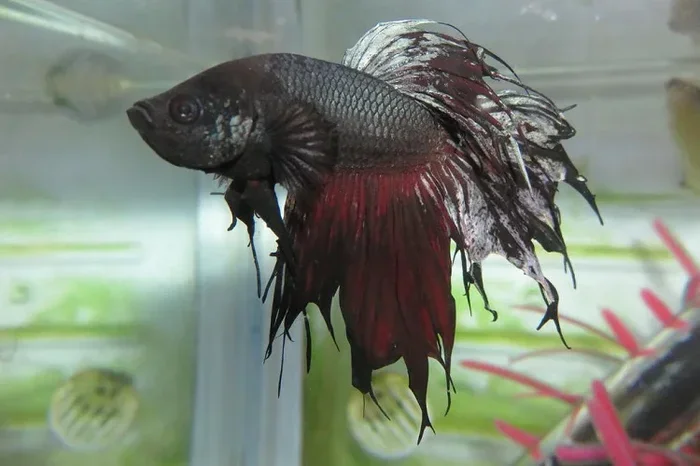
Betta fish can lose their fins for many reasons, including fin rot, poor water quality, fin biting, and physical injury. Understanding the cause is the first step to helping your fish recover. This guide covers every common reason for betta fin loss and shares practical tips to prevent it from happening again.
Watching your betta fish lose its beautiful fins can be really worrying. Those flowing, colorful tails are one of the main reasons people love bettas. So when fins start to look ragged, torn, or just… gone, it is easy to panic.
The good news is that fin loss is one of the most common issues betta fish face. And in most cases, it can be treated and even prevented. Betta fish fin loss happens for a few different reasons, and figuring out the cause is the key to fixing it.
In this article, we will walk you through every major cause of fin loss in bettas. We will also cover how to treat damaged fins and what you can do to keep your fish healthy going forward. Whether your betta has mild nipping or serious fin rot, you will find answers here.
Key Takeaways
- Fin rot is the #1 cause: Bacterial or fungal infections are the most common reason betta fish lose their fins.
- Water quality matters a lot: Dirty or unstable tank water weakens your betta’s immune system and damages fins.
- Fin biting is behavioral: Stress, boredom, or overcrowding can cause bettas to chew on their own fins.
- Fins can grow back: With proper care and treatment, most bettas regrow their fins fully over time.
- Prevention is easier than treatment: Clean water, a healthy diet, and a stress-free tank keep fins healthy.
- Early detection saves fins: Catching fin loss early gives your betta the best chance of a full recovery.
📑 Table of Contents
What Causes Betta Fish to Lose Their Fins
There are several reasons a betta fish might lose its fins. Some causes are simple and easy to fix. Others need a bit more attention. Let us break them all down.
Fin Rot: The Most Common Culprit
Fin rot is the leading cause of fin loss in betta fish. It happens when bacteria or fungi infect the edges of the fins. Over time, the fins start to look ragged, shredded, or even blackened at the tips.
Fin rot usually develops when a betta’s immune system is weak. This can happen because of stress, poor water conditions, or an injury that became infected. The bacteria eat away at the fin tissue little by little.
Here are the signs of fin rot to watch for:
- Fins look fuzzy or have white edges
- The edges of the fins are turning brown or black
- Fins are slowly getting shorter
- The base of the fins looks red or inflamed
- Your betta seems less active than usual
If you catch fin rot early, it is very treatable. Mild cases often respond well to simple water changes and aquarium salt. Severe cases may need medication from a pet store or fish vet.
Poor Water Quality
Dirty water is one of the biggest enemies of betta fish health. When ammonia and nitrite levels spike in the tank, the fins and gills take the first hit. Betta fish are sensitive creatures, and even small changes in water quality can cause damage.
Here is what happens when water quality drops:
- Toxins build up in the water
- The fins become irritated and inflamed
- The immune system weakens
- Bacteria start to attack the delicate fin tissue
- Fins begin to deteriorate
The fix is simple but requires consistency. Test your water regularly with a liquid test kit. Keep ammonia and nitrite at zero. Change 25 to 30 percent of the water every week. A good filter helps too, but make sure the current is not too strong for your betta.
Quick Tip: If you are not already using a water conditioner, start now. It removes chlorine and chloramine from tap water, which can seriously harm your fish.
Fin Biting and Tail Biting
Some bettas bite their own fins. Yes, you read that right. This behavior is called fin biting or tail biting, and it is surprisingly common. Unlike fin rot, fin biting is a behavioral issue, not an infection.
So why would a betta chew on its own fins? There are a few reasons:
- Stress: Too much light, loud noises, or a tank in a busy area can stress your betta out
- Boredom: A bare tank with nothing to explore can make a betta restless
- Overcrowding: Even though bettas like to be alone, seeing other fish through the glass can frustrate them
- Habitual behavior: Some bettas just develop a habit and do it without any clear reason
If you notice your betta nipping at its fins but the fins look clean with no redness, fin biting is likely the cause. The good news is that you can often stop it by making simple changes to the tank setup and environment.
Physical Injury
Betta fins are delicate. They can get damaged easily in a busy tank. Sharp decorations, rough gravel, or even aggressive tank mates can tear fins.
Common causes of physical fin injury include:
- Sharp rocks or driftwood in the tank
- Strong filter currents pulling on the fins
- Fights with other fish (bettas are called “Siamese fighting fish” for a reason)
- Catching the fish with a net too roughly
- Jumping out of the tank and landing on a hard surface
A torn fin from an injury usually looks clean-cut, unlike the ragged edges of fin rot. Most minor injuries heal on their own if the water is clean. But a deep tear can become infected, so keep an eye on it.
Low Water Temperature
Betta fish are tropical fish. They need warm water to stay healthy. Cold water slows down their metabolism and weakens their immune system. When the immune system is weak, the fish becomes more vulnerable to infections that cause fin loss.
The ideal temperature for a betta tank is between 76 and 82 degrees Fahrenheit. If your room gets cold at night, consider using a small aquarium heater. A heater is one of the best investments you can make for your betta’s health.
Other Causes of Fin Loss
Sometimes the cause is less obvious. Here are a few other things that can lead to betta fish losing their fins:
- High nitrate levels: Even if ammonia and nitrite are zero, high nitrates can stress your fish
- pH swings: Drastic changes in water pH shock the fish
- Overfeeding: Uneaten food pollutes the water quickly
- Old age: Older bettas may have slightly more fragile fins
- Genetics: Some bettas naturally have more delicate fins than others
How to Treat Damaged Fins
Once you figure out what caused the fin loss, the next step is treatment. The approach depends on the cause.
Treating Fin Rot
For mild fin rot, start with a water change and add aquarium salt. Use one teaspoon of aquarium salt per gallon of water. This helps fight bacteria and promotes healing.
For more serious cases, you may need an antibacterial treatment. Products like Melafix or Pimafix are popular choices among betta keepers. Always follow the dosage instructions carefully.
During treatment, keep the water warm and clean. Test the parameters every few days. Most mild cases of fin rot clear up within one to two weeks.
Treating Fin Biting
Since fin biting is behavioral, the treatment focuses on reducing stress:
- Move the tank to a quiet area of your home
- Add plants, caves, and decorations to give your betta things to explore
- Reduce the lighting to a gentle cycle of 8 to 10 hours per day
- Make sure the tank is big enough (at least 5 gallons)
- Avoid placing the tank near a window where your betta might see other fish
Be patient. It can take time for a habit to break. But most bettas stop biting their fins once their environment feels safe and stimulating.
Treating Physical Injuries
Clean, warm water is the best medicine for a torn fin. Remove any sharp objects from the tank. If the injury looks infected (redness, swelling, or fuzzy growth), treat it the same way you would treat fin rot with aquarium salt or antibacterial medication.
Can Betta Fins Grow Back?
Yes! One of the most encouraging things about betta fish is that their fins can regrow. In most cases, a betta will fully recover and grow new fins. The new fins might look slightly different at first, but they usually return to their full shape and color over time.
The regrowth process takes time. You can expect it to take anywhere from a few weeks to a couple of months, depending on the severity of the damage. During this time, keep the water pristine and feed your betta a nutritious diet.
If you want to learn more about how this process works, check out our article on do betta fish grow back their fins. It covers the regrowth timeline and what to expect in detail.
Remember that prevention is always better than cure. Keeping your tank clean and stress-free means your betta is less likely to lose fins in the first place.
How to Prevent Fin Loss in Betta Fish
The best way to deal with fin loss is to stop it from happening. Here are the most effective prevention tips:
1. Keep the Water Clean
Regular water changes are the foundation of good betta care. Change 25 to 30 percent of the water every week. Use a gravel vacuum to remove waste from the substrate. Test the water weekly to make sure ammonia and nitrite stay at zero.
2. Maintain Stable Water Parameters
Betta fish thrive in stable conditions. Keep the temperature between 76 and 82 degrees Fahrenheit. Aim for a pH between 6.5 and 7.5. Avoid sudden changes, and always treat tap water with a conditioner before adding it to the tank.
3. Provide a Stimulating Environment
A bored betta is a stressed betta. Add live or silk plants, hiding spots, and gentle decorations. Avoid sharp plastic plants that can tear fins. A well-decorated tank gives your fish something to do and helps prevent fin biting.
4. Feed a Balanced Diet
High-quality betta pellets should be the staple of your fish’s diet. Supplement with frozen or live foods like bloodworms and brine shrimp a few times a week. A healthy diet supports a strong immune system, which helps your betta fight off infections.
5. Watch for Early Warning Signs
Check on your betta every day. Look at the fins closely. Catching the first signs of ragged edges or discoloration gives you a head start on treatment. The faster you act, the better the outcome.
When to See a Vet
Most cases of fin loss can be handled at home. But there are times when you should seek professional help. If the fin damage is severe, if your betta stops eating, or if the fins are not healing after two weeks of treatment, it is time to consult a fish vet.
Also, if you notice red streaks running along the fins or body, this could be a serious bacterial infection called hemorrhagic disease. This condition needs prompt treatment and professional guidance.
For more information on related health concerns, you may want to read about are betta fish sick when their fins are small. This article covers how fin size can be a sign of underlying health issues.
Conclusion
Betta fish losing their fins is a common problem, but it is almost always fixable. Whether the cause is fin rot, poor water quality, fin biting, or a physical injury, there is a solution. The key is to identify the root cause early and act quickly.
Keep your tank clean, stable, and stress-free. Feed your betta well and watch for warning signs every day. With the right care, your betta’s fins will grow back and look just as beautiful as before.
Remember, a healthy betta is a happy betta. And a happy betta means a happy fish keeper. Take it one step at a time, and you will see great results.
Frequently Asked Questions
Can betta fish lose their fins from stress?
Yes, stress is a major contributor to fin loss in bettas. Stress weakens the immune system, making your fish more vulnerable to infections like fin rot. It can also trigger behavioral fin biting. Keeping the tank calm, quiet, and well-decorated helps reduce stress significantly.
How long does it take for betta fins to grow back?
Most bettas regrow their fins within four to eight weeks. The exact time depends on the severity of the damage and how well you care for the fish during recovery. Clean water, warm temperatures, and a nutritious diet all speed up the healing process.
Is fin rot contagious to other fish?
Fin rot itself is caused by bacteria that are already present in most tanks. It is not highly contagious on its own. However, if other fish in the tank are also stressed or have weakened immune systems, they could develop similar infections. This is why maintaining good water quality benefits all fish in the tank.
Should I quarantine a betta with fin loss?
Quarantine is not always necessary for fin loss alone. But if you suspect an infection and have other fish in the tank, separating the betta can prevent the spread of bacteria. A quarantine tank also gives the betta a calm, stress-free space to heal.
Can a betta fish die from losing its fins?
Fin loss itself is rarely fatal. However, the underlying cause can be serious. Severe fin rot or a systemic bacterial infection can become life-threatening if left untreated. This is why early detection and prompt treatment are so important for your betta’s survival.
What does healthy betta fin regrowth look like?
New fins often appear as small, translucent nubs at the base of the damaged fin. Over time, they grow longer and develop color. The new fins might look slightly different from the original fins, but they usually reach full size within a few months. Keep the water clean to support healthy regrowth.