What Causes Betta Fish Fungus
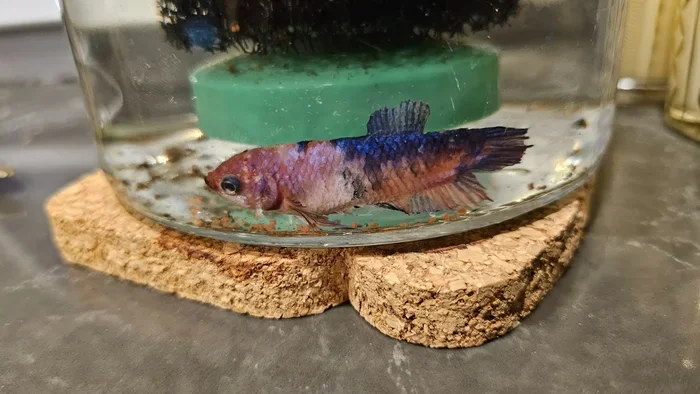
Betta fish fungus is caused by poor water quality, stress, injuries, and weak immune systems. Fungal spores thrive in dirty tanks with unstable temperatures and low oxygen levels. Understanding the root causes helps you protect your betta from this common and potentially deadly condition.
Betta fish are beautiful, vibrant creatures that bring life to any aquarium. But when you notice a white, cottony growth on your betta’s body, fins, or mouth, it is a clear sign of trouble. Betta fish fungus is a common problem that many fish owners face. And the root causes are often things you can prevent with the right care and attention.
Fungal infections in bettas are not just cosmetic issues. Left untreated, they can spread quickly and seriously harm your fish. The good news? Most cases of betta fish fungus trace back to a few avoidable causes. Once you understand these triggers, you can take action to keep your betta healthy and fungus-free.
This guide breaks down exactly what causes betta fish fungus. We will cover everything from water quality mistakes to stress factors and hidden injuries. By the end, you will know how to spot the early warning signs and create a tank environment that keeps fungal infections far away from your betta.
Key Takeaways
- Poor water quality is the #1 cause of betta fish fungus and creates the perfect environment for fungal spores to grow.
- Stress factors like overcrowding, bullying tankmates, and sudden temperature changes weaken your betta’s immune system.
- Physical injuries and fin rot open the door for fungal infections to take hold on damaged tissue.
- Unstable tank temperatures outside the ideal range make bettas vulnerable to fungal disease.
- Early detection and treatment can cure most fungal infections before they become life-threatening.
- Prevention through proper tank maintenance is far easier and safer than treating an active infection.
- Secondary infections often accompany fungus and require a combined treatment approach.
📑 Table of Contents
- What Is Betta Fish Fungus?
- Poor Water Quality: The #1 Cause
- Stress Factors That Weaken Your Betta’s Immune System
- Injuries, Fin Rot, and Open Wounds
- Temperature Problems and Their Impact
- Secondary Infections and Complications
- Preventing Betta Fish Fungus Through Proper Tank Maintenance
- Treating Betta Fish Fungus When It Strikes
- Common Mistakes That Lead to Betta Fish Fungus
- Key Takeaways
- Conclusion
What Is Betta Fish Fungus?
Before diving into the causes, it helps to understand what you are dealing with. Betta fish fungus refers to a fungal infection that affects the skin, fins, and sometimes the mouth of your betta. The most common culprit is a group of fungi called saprolegnia. These organisms are always present in aquarium water but only become dangerous under certain conditions.
Fungal infections often look like white or grayish patches that resemble cotton wool. They can appear on the body, around the fins, or even inside the mouth. Fungal disease in bettas is different from bacterial infections or parasites, though the symptoms can sometimes overlap. This is why proper identification matters so much.
Here are some quick signs that your betta may have a fungal infection:
- White or gray cottony patches on the skin or fins
- Fins clamped close to the body
- Loss of appetite or refusing food
- Lethargy and spending time near the bottom of the tank
- Flashing or rubbing against decorations
If you notice any of these symptoms, it is important to act fast. The sooner you address the cause, the better your betta’s chances of recovery.
Poor Water Quality: The #1 Cause
The single biggest reason bettas develop fungal infections is poor water quality. Fish live in their water. Everything they breathe, eat, and excrete mixes directly into the tank environment. When that water becomes dirty, it creates a breeding ground for fungal spores and harmful bacteria.
How Dirty Water Feeds Fungus
When ammonia and nitrite levels rise in an aquarium, your betta’s immune system weakens. Fungal spores that normally sit harmlessly in the water suddenly find a weakened host. The fungus takes hold on damaged tissue or areas where the skin is already stressed.
Common water quality mistakes that lead to betta fish fungus include:
- Skipping regular water changes (ideally 25-30% weekly)
- Overfeeding, which creates excess waste and spikes ammonia
- Not vacuuming the substrate to remove trapped debris
- Using a filter that is too small or not cleaning it properly
- Never testing water parameters with a reliable kit
One of the simplest ways to prevent fungal infections is to keep your tank clean. Regular maintenance goes a long way. If you want to learn more about the right water for your betta, check out what water to use for a betta fish to make sure you are starting with the best possible base.
The Role of Nitrate and Nitrite
High nitrate levels are a silent killer. Many beginners do not realize that nitrate can build up over time even in a tank that looks clean. Elevated nitrite levels are even more dangerous. Both of these compounds stress your betta and open the door to fungal and bacterial infections. Testing your water regularly is not optional. It is essential.
Stress Factors That Weaken Your Betta’s Immune System
A healthy betta fish has a strong immune system that can fight off fungal spores naturally. But when stress takes over, that defense system breaks down. Stress factors are one of the most overlooked causes of betta fish fungus.
Common Stress Triggers in Betta Tanks
Several everyday situations can stress your betta and make it vulnerable to fungal disease:
- Wrong tank size: Bettas need at least 5 gallons of space. Smaller bowls and tanks create stress and allow toxins to build up fast.
- Bullying tankmates: Housing your betta with aggressive fish causes constant anxiety and physical harm.
- Sudden changes in light or noise: Bettas are sensitive to their environment. Loud noises or bright lights near the tank can cause chronic stress.
- Incompatible tankmates: Even non-aggressive fish can bother a betta by nipping at its long fins.
- Lack of hiding spots: Bettas need places to retreat and feel safe.
When your betta is stressed, its body produces cortisol. This hormone suppresses the immune system over time. A fish that cannot fight off fungal spores will quickly develop an infection. Keeping your betta calm and comfortable is one of the most effective prevention strategies.
Injuries, Fin Rot, and Open Wounds
Fungi love to attack damaged tissue. If your betta has a cut, scrape, or open wound, fungal spores can settle on that area and start an infection. This is why fin rot and physical injuries are closely linked to betta fish fungus.
How Injuries Lead to Fungal Infections
Betta fins are delicate and can be damaged in several ways:
- Rough decorations: Sharp edges on rocks or driftwood can tear fins and skin.
- Aggressive tankmates: Even small nips from other fish can create entry points for fungus.
- Self-inflicted damage: Bettas sometimes bang against tank walls or decorations when stressed.
- Poor water conditions: Ammonia burns damage the fins and skin gradually, creating soft tissue that fungi can invade.
Once the protective layer of skin is compromised, fungal spores move in. This is why treating fin rot early is so important. If you ignore fin damage, a secondary fungal infection can develop on top of the existing problem. Learning how to cure betta fish fungus early can save your fish from a worsening condition.
Fin Rot vs. Fungal Infection
It is easy to confuse fin rot with a fungal infection because they often occur together. Fin rot is usually caused by bacteria and appears as ragged, discolored fins. Fungal infections tend to look fluffy or cottony. Sometimes a fish has both at the same time, which makes treatment more complex. Addressing the root cause, such as water quality or injury, is the first step toward healing either condition.
Temperature Problems and Their Impact
Betta fish are tropical fish. They need warm, stable water temperatures to stay healthy. When the temperature in the tank is too low or fluctuates wildly, your betta becomes stressed and susceptible to disease. Unstable tank temperatures are a major contributor to fungal infections.
Why Temperature Matters for Fungus Prevention
Fungal spores tend to thrive in cooler water. If your tank drops below 75 degrees Fahrenheit, the risk of fungal growth increases significantly. Bettas are most comfortable between 78 and 80 degrees Fahrenheit. A stable temperature in this range supports a strong immune system and discourages fungal growth.
Common temperature mistakes include:
- Not using a heater in the tank
- Placing the tank near windows with direct sunlight
- Room temperature dropping significantly at night
- Using a heater that is too weak for the tank size
If you are unsure about the right temperature for your betta, you can refer to what temperature a betta fish tank should be in Celsius for detailed guidance on maintaining the ideal range.
Fluctuating Temperatures Are Worse Than Constant Cool Water
It is not just low temperatures that cause problems. Rapid temperature swings stress your betta even more than a consistently cool tank. This is why using a reliable heater with a thermostat is so important. Avoid placing the tank near drafts, air conditioners, or heating vents.
Secondary Infections and Complications
One of the most dangerous aspects of betta fish fungus is how it can lead to secondary infections. A fungal infection weakens the skin and creates openings for bacteria. Once bacteria enter, the situation can escalate quickly. A fish that started with a simple fungal patch can end up with a severe systemic infection.
Recognizing Secondary Infections
Watch for these warning signs that a fungal infection has progressed:
- Redness or inflammation around the fungal patches
- Open sores or ulcers on the body
- Swollen abdomen or bloating
- Difficulty swimming or loss of balance
- Complete refusal to eat
If you notice any of these symptoms, you need to act immediately. Fungal infections that lead to secondary bacterial issues require more aggressive treatment. In many cases, a combined approach works best. Treat the fungus while also addressing the bacterial component.
When a betta stops eating due to a fungal infection, it becomes even weaker. Loss of appetite accelerates the decline and makes recovery harder. If your betta refuses food during a fungal outbreak, understanding what to do when your betta fish won’t eat can help you support your fish through the recovery process.
Preventing Betta Fish Fungus Through Proper Tank Maintenance
Prevention is always better than cure. The best way to protect your betta from fungal infections is to maintain a clean, stable, and stress-free environment. A well-maintained tank keeps fungal spores in check and supports a strong immune system in your fish.
Daily and Weekly Maintenance Routine
Here is a simple maintenance schedule that prevents the conditions that cause fungus:
- Daily: Check the temperature. Feed small amounts and remove uneaten food after 2 minutes. Observe your betta for any unusual behavior.
- Weekly: Perform a 25-30% water change. Vacuum the substrate gently. Wipe down the glass to remove algae buildup.
- Monthly: Test all water parameters (ammonia, nitrite, nitrate, pH). Clean or replace filter media in old tank water, never tap water.
- As needed: Remove any dead plant leaves or uneaten food immediately. Quarantine new fish before adding them to the main tank.
Choosing the Right Tank Setup
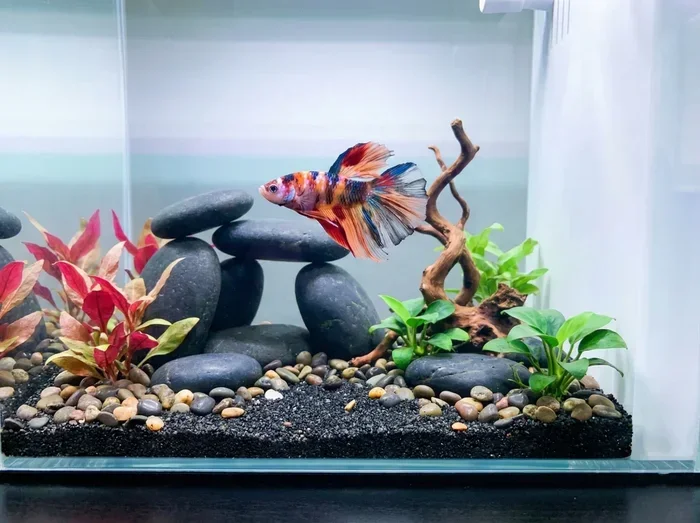
The environment you create for your betta plays a huge role in preventing fungal infections. A properly sized tank with appropriate filtration and gentle water flow makes a big difference. Avoid sharp decorations and choose soft, smooth substrates. Live plants can help absorb excess nutrients that feed fungal growth.
Maintaining proper water parameters is the foundation of betta fish care. Keep the pH between 6.5 and 7.5, and make sure ammonia and nitrite stay at zero. Nitrate should be below 20 ppm. Regular testing and water changes are the keys to hitting these targets consistently.
Treating Betta Fish Fungus When It Strikes
Even with the best prevention, fungal infections can still happen. When they do, early intervention makes all the difference. The treatment approach depends on the severity of the infection and whether there are secondary complications.
Mild Fungal Infections
For early-stage fungus that appears as small white patches, you can often treat the infection with simple measures:
- Increase the water temperature slightly to 80-82 degrees Fahrenheit
- Perform a 25% water change immediately
- Add aquarium salt at the recommended dosage (1 teaspoon per gallon)
- Remove any carbon from the filter during treatment
Moderate to Severe Infections
If the fungal patches are large or spreading quickly, you may need medicated treatment. antifungal medications designed for aquarium use can be effective. Products containing methylene blue or malachite green are commonly used. Always follow the dosage instructions carefully and monitor your betta closely during treatment.
During treatment, keep the tank environment as stress-free as possible. Dim the lights, minimize noise, and offer easily digestible food. If your betta is not eating, try offering live or frozen food that may entice it to feed.
Common Mistakes That Lead to Betta Fish Fungus
Many fish owners unknowingly create the conditions that cause fungal infections. Avoiding these common mistakes can save you a lot of trouble:
- Using a bowl instead of a tank: Bowls lack filtration and heat, creating unstable conditions.
- Overcrowding the tank: Too many fish means more waste and more stress.
- Ignoring water tests: You cannot see ammonia or nitrite. Testing is the only way to know your water is safe.
- Skipping water changes: Even with a filter, waste builds up over time and needs to be diluted.
- Overfeeding: Excess food rots in the tank and spikes ammonia levels.
- Adding untreated tap water: Chlorine and chloramine in tap water harm fish and can trigger infections.
Each of these mistakes contributes to the same end result: a stressed betta with a weakened immune system in dirty water. Fungus thrives in these conditions. Avoiding these pitfalls is the best investment you can make in your fish’s health.
Key Takeaways
- Poor water quality is the number one cause of betta fish fungus and must be addressed through regular maintenance.
- Stress factors like wrong tank size, aggressive tankmates, and temperature swings weaken the immune system and invite fungal infections.
- Injuries and fin rot create open wounds that fungal spores can easily infect.
- Unstable or low temperatures promote fungal growth and suppress the betta’s natural defenses.
- Secondary bacterial infections can develop alongside fungal infections and require combined treatment.
- Consistent tank maintenance including water changes, parameter testing, and proper filtration prevents most fungal outbreaks.
- Early detection and prompt treatment gives your betta the best chance of a full recovery from a fungal infection.
Conclusion
Betta fish fungus is a serious but preventable condition. The causes are almost always rooted in the environment you provide. Whether it is dirty water, stress, injuries, or unstable temperatures, each of these factors weakens your betta and opens the door for fungal spores to take hold.
The best approach is a proactive one. Maintain clean water, keep temperatures stable, reduce stress, and watch your fish closely every day. These simple habits create an environment where fungus simply cannot thrive. And if an infection does occur, catching it early and treating it promptly gives your betta the best chance of a full recovery.
Your betta depends on you for everything. By understanding what causes betta fish fungus, you are already taking a big step toward becoming a better fish owner. Apply what you have learned here, stay consistent with your tank maintenance, and your betta will reward you with vibrant health and beautiful color for years to come.
Frequently Asked Questions
Can betta fish fungus spread to other fish in the tank?
Yes, fungal spores are present in all aquariums and can infect other fish with weakened immune systems. However, healthy fish in a clean, well-maintained tank are usually resistant. The real concern is when poor water quality or stress makes other fish vulnerable too.
How long does it take to cure betta fish fungus?
Mild fungal infections often respond to treatment within 7 to 14 days with proper water changes and aquarium salt. More severe cases may take 3 to 4 weeks, especially if secondary bacterial infections are present. Consistency with treatment is key to a full recovery.
Is betta fish fungus contagious to humans?
No. The fungi that infect betta fish are species-specific and do not pose a health risk to humans. You can safely handle your betta during treatment without any concern for your own health.
Can I use over-the-counter fungus treatments for my betta?
Yes, many aquarium-safe antifungal products are available at pet stores. Look for treatments containing methylene blue or malachite green. Always follow the dosage instructions and remove carbon from your filter during treatment to ensure the medication stays effective.
Does aquarium salt cure betta fish fungus?
Aquarium salt can help treat mild fungal infections by creating a hostile environment for fungal spores. It also supports the betta’s natural slime coat, which helps fight infection. However, salt alone may not be enough for moderate to severe cases and should be paired with water changes and improved tank conditions.
What is the difference between betta fish fungus and ich?
Fungus appears as white, cottony patches that look fluffy or fuzzy. Ich looks like tiny white salt grains scattered across the body and fins. Ich is caused by a parasite, while fungus is caused by fungal spores. The treatment for each is different, so proper identification is important before starting any medication.