What Can U Put in with Betta Fish
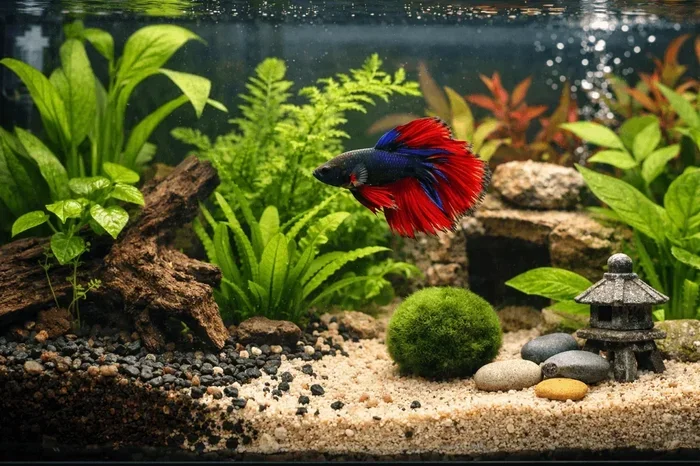
You can safely add peaceful fish, live plants, snails, and shrimp to your betta tank. The key is choosing companions that share similar water conditions and temperaments. This guide covers the best options, what to avoid, and how to introduce new additions the right way.
If you own a betta fish, you probably want to make your aquarium feel alive and interesting. A lonely tank can look dull, and your betta might feel bored. Many fish owners wonder what can u put in with betta fish to create a vibrant underwater world.
The answer is simpler than you think. There are many safe options for betta fish tank mates, plants, and decorations. The trick is knowing what works and what does not. Some fish are too aggressive. Some need different water conditions. And some plants or animals can actually harm your betta if paired incorrectly.
This guide breaks down every safe option. You will learn about the best fish companions, the ideal plants, and helpful snails. We also cover common mistakes and how to avoid them. You can also explore more about what you can put in with a betta fish for additional ideas on building a thriving community tank.
Key Takeaways
- Peaceful Fish Companions: Corydoras catfish, kuhli loaches, neon tetras, and harlequin rasboras are excellent betta fish tank mates that share similar water needs.
- Live Plants Improve Health: Java fern, anubias, amazon sword, and moss balls create a natural environment that reduces stress and keeps water clean.
- Snails Are Great Additions: Nerite snails, mystery snails, and rabbit snails help control algae without bothering your betta.
- Avoid Goldfish and Aggressive Species: Goldfish need cold water and different conditions that can harm your betta’s health.
- Tank Size Matters: A minimum 5-gallon tank is essential, but 10 gallons or more is ideal when adding companions.
- Introduce Slowly: Always quarantine new additions and monitor behavior during the first few days to ensure compatibility.
📑 Table of Contents
- What Can U Put in with Betta Fish
- Best Tank Mates for Betta Fish
- Plants and Decorations for Your Betta Tank
- Snails and Other Clean-Up Creatures
- Things to Avoid Putting in a Betta Tank
- How to Introduce New Tank Mates Safely
- Comparison Table: Best Tank Mates for Bettas
- Quick Tips for a Thriving Betta Community Tank
- Final Thoughts on What Can U Put in with Betta Fish
What Can U Put in with Betta Fish
The short answer is yes, you can add several things to your betta tank. But not everything works. Bettas are tropical fish that need warm, clean water. They also have a calm temperament, which means they do not always get along with every species. When choosing additions, you need to think about betta fish compatibility, water temperature, and the size of your tank.
Here are the main categories of things you can safely add:
- Peaceful community fish that share similar water needs
- Live aquarium plants that improve oxygen and reduce stress
- Snails that clean algae without bothering your betta
- Safe decorations like caves and driftwood
- Tank cleaning creatures like certain shrimp species
Each of these adds something different to the tank. Fish provide movement and entertainment. Plants create a natural feel and keep the water clean. Snails help with maintenance. And decorations give your betta places to hide and explore. Let us look at each category in detail.
Best Tank Mates for Betta Fish
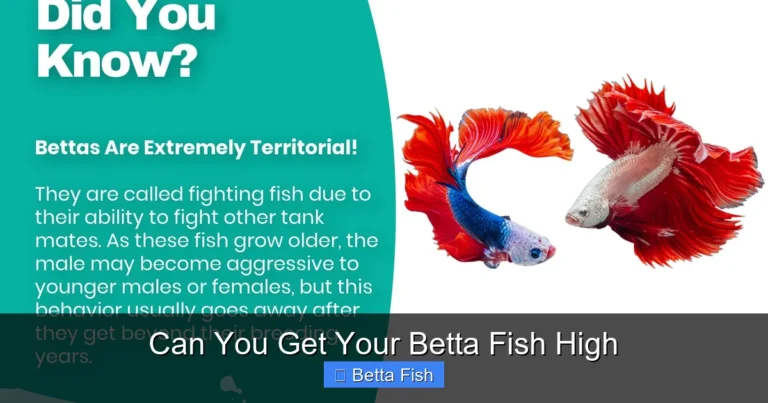
Choosing the right fish tank mates is the most important decision you will make. A bad match can lead to fighting, stress, and even death. Bettas can be territorial, especially males. So you need peaceful species that will not trigger aggression or stress your betta out.
Why Compatibility Matters
Betta fish have long, flowing fins. Some fish may see these fins as a threat or try to nip at them. This causes stress and can lead to betta fish health problems over time. Always choose species that are known to be gentle and non-fin-nippers. Watch your betta’s betta fish behavior closely when introducing any new creature to the tank.
Top Peaceful Fish for Your Betta Tank
Here are some of the best betta fish companions you can consider for a peaceful aquarium:
- Corydoras catfish – Small bottom dwellers that stay out of your betta’s way and scavenge for leftover food
- Kuhli loaches – Eel-like fish that are peaceful and fun to watch as they explore the tank
- Neon tetras – Tiny, colorful fish that do well in groups and add bright movement
- Harlequin rasboras – Schooling fish that add activity and color without bothering bettas
- Ghost shrimp – Transparent cleaners that rarely bother bettas and help keep the tank tidy
Each of these species shares similar water parameters betta needs. They thrive in warm water between 76 and 82 degrees Fahrenheit. They also do well in a community tank betta setup with gentle filtration and plenty of hiding spots.
If you are unsure about a specific species, always research first. Every tank is different, and your betta’s personality plays a big role too. Some bettas are more relaxed, while others are more territorial. Knowing your fish helps you make the best choice.
Plants and Decorations for Your Betta Tank
Adding betta tank decorations and live plants is one of the best things you can do for your aquarium. Plants create a natural environment that reduces stress. They also produce oxygen and absorb harmful chemicals like ammonia and nitrates. This keeps the water cleaner for your betta fish species and any tank mates you add.
Best Live Plants for Bettas
Not all plants are safe or suitable. Some need high light or strong currents that bettas do not enjoy. Here are the top choices for a betta fish environment:
- Java fern – Low maintenance and grows well in low light conditions
- Anubias – Tough leaves that snails and fish cannot easily damage
- Amazon sword – Large leaves that give your betta plenty of hiding spots
- Betta bulbs – Specifically great for betta tanks and easy to grow
- Moss balls – Unique, soft orbs that absorb waste and look beautiful
You can also add betta tank decorations like caves, driftwood, and smooth rocks. These give your betta places to rest and explore. Bettas love having hiding spots because it makes them feel secure and less stressed.
If you are new to planted tanks, check out our guide on plants in with betta fish. It covers everything from lighting to planting tips for beginners and experienced aquarists alike.
Snails and Other Clean-Up Creatures
Snails are fantastic additions to a betta tank. They eat algae, leftover food, and dead plant matter. This helps keep your tank clean without much effort from you. They also add a fun visual element that many fish owners enjoy watching.
Safe Snail Species for Bettas
Most snails are peaceful and get along well with bettas. Here are the best options for snail companions betta owners love:
- Nerite snails – Excellent algae eaters that stay small and safe in your tank
- Mystery snails – Colorful and curious, they add visual interest and help with cleaning
- Rabbit snails – Larger snails that are calm and slow-moving, perfect for bigger tanks
Before adding any snail, make sure your tank is large enough. A tank size betta of at least 5 gallons is recommended when adding snails. You can also learn more about snail companions in our article on whether you can put a snail in with a betta fish for more detailed guidance.
Shrimp and Other Small Cleaners
Ghost shrimp and amano shrimp are also great choices. They are tiny, peaceful, and excellent at keeping your tank clean. Just be aware that bettas might try to eat very small shrimp. Larger shrimp tend to be safer and less likely to become a snack for your betta.
Things to Avoid Putting in a Betta Tank
Knowing what not to add is just as important as knowing what to add. Some choices can harm your betta or create a stressful environment that affects everyone in the tank. Prevention is always better than fixing problems after they start.
Fish That Should Never Share a Tank with Bettas
Certain species are a bad match for bettas. Avoid these betta fish companions that can cause problems:
- Goldfish – They need cold water and grow too large for most betta tanks. Learn more about other fish in with betta to understand safe pairings.
- Guppies with long fins – Bettas may mistake them for rival males and attack their flowing fins
- Angelfish – They can be aggressive and may nip at betta fins during feeding
- Barbs – Many species are nippy and stress bettas out with their active chasing behavior
Also, avoid adding too many fish at once. Overcrowding leads to poor water quality and fights. Start with one or two companions and watch how your betta reacts before adding more. A betta fish aggression problem can develop quickly if the tank is too small or too crowded.
Common Mistakes Beginners Make
Here are some common mistakes that new betta owners make when adding tank mates:
- Skipping the quarantine period – Always isolate new fish for 2 to 3 weeks before adding them to your main tank to prevent disease spread
- Ignoring water parameters – Make sure the new addition shares the same temperature and pH needs as your betta
- Adding too many fish too fast – Gradual additions let your betta adjust slowly and reduce territorial stress
- Choosing fish that are too large – Big fish can bully or even eat your betta if given the chance
Avoiding these mistakes saves you time, money, and heartbreak. Your betta will thank you with better health, brighter colors, and a longer lifespan in a well-planned tropical fish tank setup.
How to Introduce New Tank Mates Safely
Adding new creatures to your betta tank requires care and patience. A rushed introduction can cause stress and aggression. Follow these steps for a smooth and safe transition for everyone in the tank.
Step-by-Step Introduction Process
- Set up a quarantine tank – Keep new additions separate for at least two weeks. This helps you spot any diseases before they reach your main tank and harm your betta.
- Match the water conditions – Make sure the quarantine tank has the same temperature and pH as your betta tank to avoid shock.
- Feed your betta first – A well-fed betta is less likely to feel territorial when a new fish arrives. A full betta is a calmer betta.
- Introduce slowly – Use a divider or add the new fish while your betta is distracted by food during feeding time.
- Monitor closely – Watch for flaring, chasing, or hiding behavior for the first 48 hours after introduction.
- Adjust if needed – If things do not work out, be ready to separate the new addition immediately to prevent harm.
This process works for fish, snails, and shrimp alike. Patience is the key to a successful community tank betta setup that thrives for months and years.
Expert Tip
Expert Insight: Many experienced aquarists recommend dimming the lights during the first introduction. This reduces stress for all fish and helps your betta accept the new arrival more calmly. A calm environment leads to better betta fish care outcomes and a happier aquarium overall.
Comparison Table: Best Tank Mates for Bettas
| Species | Tank Size Needed | Peaceful? | Easy to Care For? | Best For |
|---|---|---|---|---|
| Corydoras Catfish | 5+ gallons | Yes | Yes | Bottom cleaning and movement |
| Kuhli Loach | 10+ gallons | Yes | Moderate | Unique appearance and behavior |
| Neon Tetra | 5+ gallons | Yes | Yes | Color and schooling behavior |
| Nerite Snail | 5+ gallons | Yes | Yes | Algae control |
| Ghost Shrimp | 5+ gallons | Yes | Yes | Tank cleaning on a budget |
| Mystery Snail | 5+ gallons | Yes | Yes | Visual interest and cleaning |
This table gives you a quick reference when deciding on betta fish companions. Keep in mind that every betta has a unique personality. Some bettas are more aggressive than others, so always observe their behavior after adding new tank mates. What works for one betta may not work for another.
Quick Tips for a Thriving Betta Community Tank
Here are some fast tips to keep your betta fish environment healthy and harmonious for all inhabitants:
- Keep the tank at least 10 gallons – Larger tanks reduce aggression and provide more space for everyone to swim comfortably
- Test water weekly – Check ammonia, nitrite, and nitrate levels regularly to catch problems early before they harm your fish
- Add hiding spots – Plants and decorations give fish places to retreat and feel safe when they need alone time
- Feed a varied diet – High-quality pellets, frozen bloodworms, and blanched vegetables keep all tank mates healthy and active
- Watch for signs of stress – Clamped fins, loss of color, or hiding too much means something is wrong and needs attention
- Do regular water changes – Replace 25% of the water every week to maintain clean conditions and stable parameters
These simple habits make a huge difference. A well-maintained tank means happy fish, cleaner water, and fewer problems over time. Your aquarium setup should work for you and your fish, not the other way around.
Final Thoughts on What Can U Put in with Betta Fish
Creating a great betta fish tank is all about balance. You want peaceful companions, healthy plants, and a clean environment. When you choose the right additions, your betta thrives and your aquarium becomes a beautiful centerpiece in any room.
Remember, what can u put in with betta fish comes down to three things: compatibility, water conditions, and tank size. Choose species that share similar needs. Introduce new additions slowly. And always monitor your betta’s behavior after any change. These simple steps lead to a thriving, colorful aquarium that you will enjoy every day.
Start with one or two companions and build from there. Over time, you will create a beautiful community tank betta setup that you and your fish will enjoy for years. Happy fishkeeping!
Frequently Asked Questions
Can betta fish live with goldfish?
No, goldfish are not good tank mates for bettas. Goldfish need cold water, while bettas thrive in warm water between 76 and 82 degrees Fahrenheit. Goldfish also grow large and produce a lot of waste, which can harm your betta’s health and dirty the tank quickly.
How many fish can you put with a betta?
It depends on your tank size. In a 10-gallon tank, you can add 2 to 3 small peaceful fish. In a 5-gallon tank, it is best to keep your betta alone. Always research each species and make sure your tank can handle the bio-load before adding new fish to avoid water quality issues.
Do betta fish get lonely?
Betta fish are solitary by nature, but they can enjoy the presence of peaceful tank mates. Adding snails or small non-aggressive fish can enrich their environment. However, never house two male bettas together, as they will fight and potentially injure each other seriously.
What plants are safe for betta fish?
Java fern, anubias, amazon sword, betta bulbs, and moss balls are all safe and beneficial. These plants improve water quality, provide hiding spots, and reduce stress. Avoid plants with sharp edges that could damage your betta’s delicate fins and cause injury.
Can you put a snail with a betta fish?
Yes, most snails are safe with bettas. Nerite snails, mystery snails, and rabbit snails are excellent choices. They help clean the tank by eating algae and leftover food without bothering your betta. Just make sure your tank is large enough to accommodate them comfortably.
What should you avoid when choosing betta tank mates?
Avoid fish with bright colors or long fins, as bettas may see them as rivals and attack them. Also avoid aggressive species like angelfish and barbs. Never add fish that need different water temperatures or pH levels. Always quarantine new additions before introducing them to your main tank to protect everyone’s health.