What Can I Feed a Baby Betta Fish
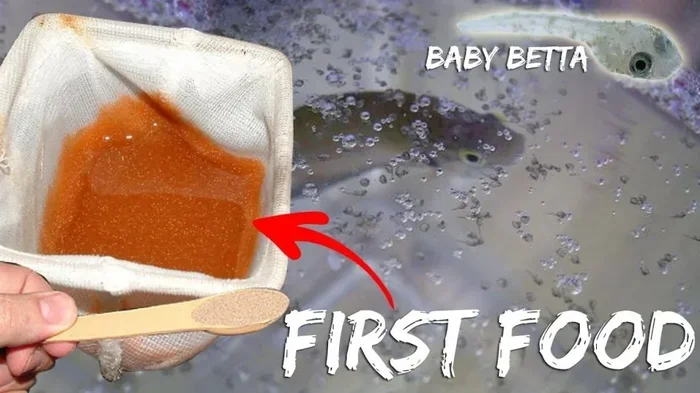
Feeding a baby betta fish the right diet is the key to healthy growth and strong color. Baby bettas need tiny, protein-rich meals several times a day to thrive. This guide covers the best foods, feeding frequency, and common mistakes to avoid so your little betta grows up strong and happy.
Raising a baby betta fish can be one of the most rewarding experiences for a fish keeper. These tiny, colorful creatures need special care, and what you feed them makes all the difference. A proper diet supports fast growth, vivid colors, and a strong immune system.
Many new fish keepers worry about getting the diet right. The good news is that feeding a baby betta is simpler than it seems once you know the basics. In this guide, we break down everything you need to know about baby betta fish food, feeding schedules, and portion sizes. You will feel confident and ready to give your little betta the best start in life.
Key Takeaways
- Baby bettas need small, frequent meals: Feed them 3 to 5 times a day in tiny portions.
- Live and frozen foods are best: Baby brine shrimp and microworms provide the protein baby bettas need.
- Avoid overfeeding: Too much food can pollute the water and harm your baby betta.
- Specialized betta fry food works well: Commercial fry powders and micro-pellets are convenient options.
- Watch for hunger cues: A hungry baby betta will actively search for food near the surface.
- Gradually transition foods: As your betta grows, slowly introduce larger food sizes.
📑 Table of Contents
Why Baby Betta Nutrition Matters
The first few weeks of a betta fish’s life are critical. During this time, their body grows rapidly, and every meal fuels that development. A baby betta diet that lacks essential nutrients can lead to stunted growth, dull colors, and a weakened immune system.
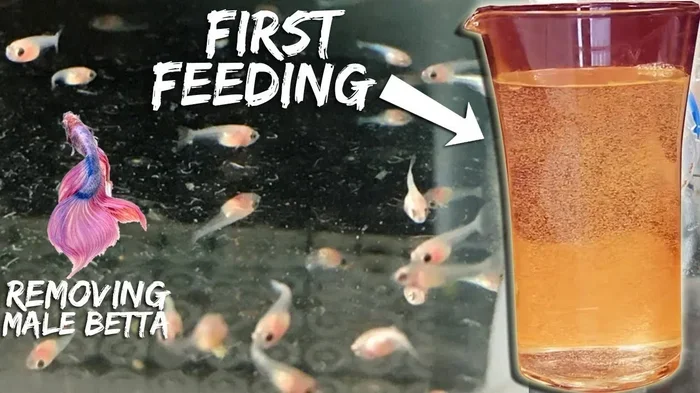
Baby bettas, also called betta fry, have tiny mouths and fast metabolisms. They cannot eat the same food as adult bettas. Their meals need to be small enough to fit in their mouths and packed with protein to support quick betta fry development. Getting the nutrition right from day one sets the foundation for a healthy, vibrant fish.
Protein is the most important part of a baby betta’s diet. In the wild, baby bettas eat tiny organisms like infusoria, baby brine shrimp, and small insect larvae. Replicating this diet in a home tank gives your fry the best chance to thrive.
What Happens With Poor Nutrition
A baby betta fish that does not get enough nutrients will show warning signs. These include slow growth, pale coloring, and low energy. In serious cases, malnutrition can lead to organ failure and death. This is why understanding betta baby nutrition is so important for every fish keeper.
Best Foods for Baby Betta Fish
Choosing the right food is the most important decision you will make. Not all fish foods are suitable for tiny fry. Here are the best options for feeding your baby betta.
Live Foods
Live foods are the gold standard for feeding baby bettas. They mimic what bettas eat in nature and are packed with nutrients. Baby brine shrimp are the top choice. They are tiny, nutritious, and easy to hatch at home.
Microworms are another excellent option. These small nematodes are easy to culture and provide a steady food supply. Vinegar eels are also great for the smallest betta fry. They are so tiny that even the newest hatchlings can eat them.
You can also feed infusoria, which is a culture of microorganisms. It is perfect for the very first days of a betta fry’s life. Many breeders start their fry on infusoria before moving to larger live foods.
Frozen and Freeze-Dried Foods
If you do not want to culture live foods, frozen and freeze-dried options work well. Frozen baby brine shrimp is a convenient alternative. Simply thaw a small amount before feeding. Freeze-dried bloodworms can also be crushed into fine powder for baby bettas.
Always soak freeze-dried foods before offering them. This prevents them from expanding in your betta’s stomach, which can cause digestive issues.
Commercial Betta Fry Foods
Several commercial foods are specifically designed for betta fry. These powders and micro-pellets are formulated with the right protein levels and small particle sizes. Look for products labeled as fry food or baby fish food. They are a practical and reliable choice for most fish keepers.
Some high-quality betta fish food brands also offer fine-grade powders that work well for young bettas. These are often enriched with vitamins to support healthy growth and strong color development.
Can You Feed a Baby Betta Fish Other Types of Food?
Some foods are safe in small amounts, but they should not be the main diet. Baby betta fish can occasionally eat very finely crushed flakes. However, flakes often sink too fast and lose their nutritional value quickly in water.
You might wonder about other food options. While adult bettas can eat certain human foods, baby bettas need a much more specialized diet. Stick to protein-rich foods designed for small fry. This gives them the best chance at a healthy life.
How Often Should You Feed a Baby Betta Fish
Feeding frequency is just as important as food quality. Baby bettas have very fast metabolisms and need to eat often. Unlike adult bettas, fry need multiple small meals throughout the day.
Recommended Feeding Schedule
Feed your baby betta 4 to 5 times a day during the first few weeks. Each meal should be very small. A few tiny particles are all a baby betta needs per feeding. Over time, you can reduce the frequency to 3 times a day as your betta grows.
Here is a simple feeding schedule you can follow:
- Morning: A small pinch of baby brine shrimp or fry powder.
- Midday: A few microworms or crushed flakes.
- Afternoon: A small portion of frozen baby brine shrimp.
- Evening: A light feeding of fry food or micro-pellets.
- Night (optional): A tiny amount if your fry seem still hungry.
Watch your baby betta’s behavior to adjust the schedule. A healthy fry will be active and eager to eat. If food sits uneaten for more than a few minutes, you are giving too much.
How Much Food Is the Right Amount
A good rule of thumb is to offer only what your baby betta can eat in two minutes. This prevents leftover food from fouling the water. Baby bettas have very small stomachs, so portion control is essential.
Many keepers make the mistake of offering too much food at once. Excess food breaks down quickly and raises ammonia levels in the tank. This is especially dangerous for young fry, which are sensitive to water quality changes.
Setting Up the Right Feeding Environment
Where and how you feed your baby betta matters just as much as what you feed. A proper setup makes feeding easier and keeps your fry safe and healthy.
Tank Size and Setup for Baby Bettas
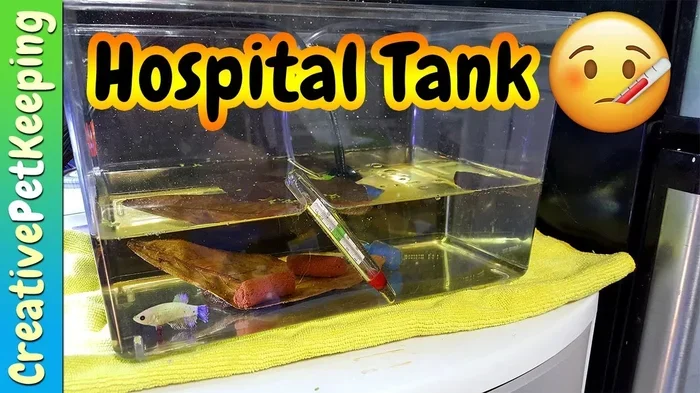
Baby bettas do best in a small, dedicated fry tank. A 5 to 10 gallon tank works well for a group of fry. Keep the water clean with gentle filtration or regular water changes. A sponge filter is ideal because it provides biological filtration without creating a strong current that can overwhelm tiny fry.
Maintain a water temperature between 78 and 80 degrees Fahrenheit. Warm water helps baby bettas digest food more efficiently and supports their fast metabolism. Use a reliable heater and thermometer to keep conditions stable.
Feeding Techniques for Baby Bettas
Use a small turkey baster or pipette to deliver food precisely. This lets you target the area where your fry are swimming. It also prevents overfeeding by giving you control over the portion size.
Feed in a calm, dimly lit area. Baby bettas are more comfortable eating in low light. Turn off any bright tank lights during feeding time. This also helps you see the food and watch your fry eat.
Remove any uneaten food after feeding. A small turkey baster works great for this too. Clean water is essential for baby betta health, and leftover food can quickly degrade water quality.
Common Mistakes When Feeding Baby Bettas
Even experienced fish keepers can make mistakes when feeding baby bettas. Knowing these common errors helps you avoid them and keep your fry healthy.
Overfeeding
The most common mistake is giving too much food. Baby bettas have tiny stomachs, and excess food will sink and decay. This raises ammonia and nitrite levels, which can be fatal to young fish. If you are unsure whether to feed more, wait until the next scheduled meal.
Many keepers also worry their fry are not eating enough. But betta fry are natural foragers and will find tiny food particles in the tank. A well-established fry tank with a healthy microfauna population can supplement their diet naturally.
Feeding the Wrong Food Size
Baby bettas cannot eat regular-sized fish food. Flakes and large pellets will pass right by them or cause digestive blockages. Always make sure the food particles are small enough for your fry to consume easily. If needed, crush flakes into a fine powder before offering them.
Inconsistent Feeding Schedule
Baby bettas thrive on routine. Skipping feedings or feeding at random times can stress your fry and slow their growth. Stick to a consistent schedule and try to feed at the same times each day. This helps your baby bettas develop healthy eating habits.
Growing Up: Transitioning Your Betta to Adult Food
As your betta grows, its dietary needs will change. Transitioning from fry food to adult food should be done gradually over several weeks. Sudden changes in diet can cause digestive upset and stress.
Start by mixing a small amount of adult betta fish pellets with the fry food. Gradually increase the proportion of adult food while decreasing the fry food. By the time your betta is about three months old, it should be eating a standard adult betta diet.
During this transition, watch your betta’s appetite and behavior. A healthy betta will eagerly accept new foods. If your betta refuses to eat, try offering a different food type or go back to the previous diet for a few days before trying again.
Remember that what can I feed a baby betta fish changes as the fish grows. A young betta needs more protein and smaller particles, while an adult betta does well with a varied diet of pellets, frozen foods, and occasional treats.
Expert Tips for Raising Healthy Baby Bettas
Experienced breeders follow a few simple practices that make a big difference. Here are some expert tips to help your baby bettas thrive.
- Keep the water pristine: Perform small water changes of 10 to 20 percent every day or every other day. Clean water is the foundation of healthy fry.
- Use a separate grow-out tank: Keeping fry in their own tank prevents them from being eaten by adult fish or tank mates.
- Observe your fry daily: Watch for signs of illness, such as clamped fins, white spots, or loss of appetite. Early detection makes treatment easier.
- Culture your own food: Setting up a microworm or baby brine shrimp culture ensures a steady, affordable supply of fresh live food.
- Be patient: Baby bettas grow slowly at first. Give them time, consistent care, and the right food, and they will develop beautifully.
Many keepers also ask about tank mates for baby bettas. While adult bettas can be territorial, baby bettas can sometimes be kept together in a fry grow-out tank until they are old enough to separate. For more information on keeping bettas with other creatures, check out our guide on what you can keep with a betta fish.
Feeding frequency is another topic many new keepers wonder about. As your betta matures, you may want to adjust how often you feed. Our article on feeding a betta fish every other day provides helpful guidance on adjusting feeding schedules for growing bettas.
Conclusion
Feeding a baby betta fish the right diet is one of the most important parts of raising healthy, vibrant fish. From live foods like baby brine shrimp to quality commercial fry powders, there are many great options to choose from. The key is to feed small, frequent meals, keep the water clean, and watch your fry grow and thrive.
Remember that every baby betta is different. Some may eat eagerly from day one, while others take a little time to adjust. Patience and consistency will get you through the early weeks. With the right betta fry food and a little care, your baby bettas will grow into strong, colorful adults that bring joy to your home.
Start with the basics, keep learning, and enjoy the process. Raising baby bettas is a wonderful journey, and getting their diet right is the first step toward success.
Frequently Asked Questions
What is the best food for a baby betta fish?
Baby brine shrimp, microworms, and commercial betta fry powder are the best foods for baby bettas. They are small, protein-rich, and easy for tiny fry to eat. You can also use crushed high-quality flakes as a supplement.
How often should I feed my baby betta fish?
Feed your baby betta 4 to 5 times a day in very small amounts. Each meal should be tiny, about what the fry can eat in two minutes. As your betta grows, you can reduce feedings to 3 times a day.
Can baby betta fish eat regular betta pellets?
No, regular pellets are too large for baby bettas. Their mouths are too small to handle standard-sized food. Use specialized fry food or crush pellets into a very fine powder until your betta is big enough to eat them whole.
How long do baby bettas need special fry food?
Baby bettas typically need fry food for the first 2 to 3 months of life. After that, you can gradually transition them to adult betta food. Watch their size and appetite to know when the time is right.
Can I feed my baby betta fish frozen food?
Yes, frozen baby brine shrimp is an excellent food for baby bettas. Just make sure to thaw it before feeding and offer it in very small portions. Frozen foods are a convenient and nutritious alternative to live foods.
Why is my baby betta fish not eating?
Newborn bettas may not eat for the first 24 to 48 hours as they absorb their yolk sac. After that, if your baby betta still refuses food, check the water temperature and quality. Stress, poor water conditions, or food that is too large can all cause a loss of appetite.