What Can I Do for My Betta Fish
You can do a lot for your betta fish to keep them healthy and happy. From setting up the right tank size to feeding a proper diet and maintaining clean water, every choice you make matters. This guide covers all the essential steps for betta fish care so your fish lives a long, vibrant life.
So you want to know what can I do for my betta fish to make sure they live a happy, healthy life? Great question! Betta fish are beautiful, fascinating creatures that bring a lot of joy to any home. But they also need proper care to truly thrive. Many people think bettas are low-maintenance pets, but that is far from the truth. A little effort goes a long way in keeping your betta vibrant and active.
Whether you just brought home your first betta or you have had one for years, there is always more you can do to improve their quality of life. This guide covers everything from tank setup and water quality to feeding schedules and enrichment activities. By the end, you will have a clear picture of how to give your betta the best life possible.
Key Takeaways
- Choose the right tank size: A minimum 5-gallon tank gives your betta room to swim and thrive.
- Use proper water conditions: Treat tap water with conditioner and keep temperatures between 76-82°F.
- Feed a balanced diet: High-quality pellets and occasional treats keep your betta healthy and colorful.
- Maintain a regular cleaning schedule: Weekly partial water changes prevent harmful buildup.
- Add enrichment and decorations: Plants, hides, and gentle current make your betta’s world more interesting.
- Avoid common mistakes: Overfeeding, small bowls, and dirty water are the biggest threats to betta health.
📑 Table of Contents
Set Up the Right Tank for Your Betta Fish
The foundation of great betta fish care starts with the tank. Many people keep bettas in tiny bowls, but this limits their quality of life significantly. A proper tank makes a huge difference in how your fish behaves, eats, and grows.
Choose the Right Tank Size
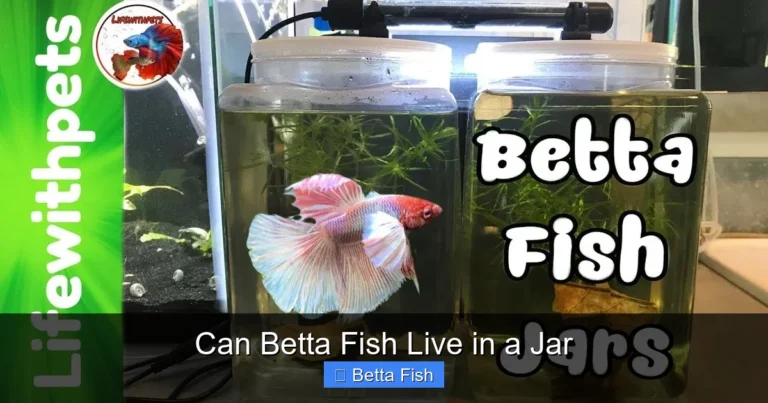
Many pet stores sell bettas in small cups or tiny tanks. This is convenient for the store but not ideal for the fish. A minimum 5-gallon tank is the sweet spot for a single betta. This gives them enough room to swim, explore, and establish their territory. Anything smaller than 5 gallons can cause stress and shorten your betta’s lifespan.
Here are some quick tips for tank size:
- 5 gallons is the absolute minimum for one betta.
- 10 gallons or more is even better if you have space.
- Avoid bowls under 1 gallon — they are too small for long-term health.
Add the Right Decorations and Plants
Betta fish love places to hide and explore. Adding live or silk plants gives them a natural feel and places to rest. Caves, driftwood, and gentle decorations also help your betta feel safe. Just make sure nothing has sharp edges that could tear their delicate fins.
When choosing decorations, think about your betta’s personality. Some bettas are bold and love open swimming space. Others are shy and prefer lots of hiding spots. You can always rearrange things to find what your fish enjoys most.
Install a Filter and Heater
Betta fish need stable water conditions. A gentle filter keeps the water clean without creating too much current. Bettas are not strong swimmers, so a sponge filter works great. It provides mechanical and biological filtration without stressing your fish.
A heater is equally important. Bettas come from warm tropical waters and need temperatures between 76°F and 82°F. An adjustable aquarium heater helps you maintain this range consistently. Without a heater, temperature swings can make your betta sick.
Feed Your Betta the Right Way
Feeding is one of the most important parts of betta fish care. What you feed and how often you feed directly impacts your fish’s health, color, and energy levels.
Choose High-Quality Betta Food
Not all fish food is created equal. Look for pellets specifically made for bettas. These should list fish meal or whole ingredients as the first items. Avoid cheap flakes that are full of fillers. High-quality betta pellets provide the protein your fish needs to stay colorful and active.
You can also offer variety with occasional treats. Frozen or live bloodworms, brine shrimp, and daphnia are excellent choices. Just keep treats to a small part of the diet — they are like dessert, not the main course.
Follow a Feeding Schedule
Overfeeding is one of the most common mistakes new betta owners make. Feed your betta two small meals per day, about 2-3 pellets each time. Some owners skip a day once a week, which can help with digestion. Watch your fish during feeding time — if they spit out food, they might not like it or the pieces might be too large.
Here is a simple feeding guide:
- Morning: 2-3 high-quality pellets.
- Evening: 2-3 pellets or a small treat like a bloodworm.
- Once a week: Skip one feeding to give the digestive system a break.
Watch for Signs of Overfeeding or Underfeeding
An overweight betta will have a round, bloated body. An underfed betta may look thin and lose color. Both situations need quick action. Adjust portions slowly and observe how your fish responds over a few days.
Keep the Water Clean and Safe
Water quality is the backbone of betta fish care. Poor water is the number one cause of illness in aquarium fish. Taking the time to maintain clean water will save you a lot of trouble down the road.
Use the Right Water Source
Not all water is safe for bettas. Tap water often contains chlorine and chloramine, which are harmful to fish. Always use a water conditioner to remove these chemicals before adding water to the tank. If you are unsure about your tap water, check out our guide on can I use tap water for my betta fish for more details.
Some owners prefer using spring water or filtered water. These can work well too. If you are curious about different water options, our article on what water do I use for betta fish covers this topic in depth.
Perform Regular Water Changes
A weekly water change is essential. Remove about 25-30% of the tank water and replace it with fresh, conditioned water. This removes built-up waste, excess nutrients, and toxins. Use a gravel vacuum to clean the substrate at the same time.
Here is a simple weekly maintenance checklist:
- Test the water parameters with a liquid test kit.
- Remove 25-30% of the tank water.
- Vacuum the gravel to remove debris.
- Add fresh, conditioned water at the correct temperature.
- Check the filter and rinse it in old tank water if needed.
Monitor Water Parameters
Keep an eye on ammonia, nitrite, and nitrate levels. Ammonia and nitrite should always read zero. Nitrates should stay below 20 ppm. A liquid test kit is more accurate than test strips and well worth the investment. Stable parameters mean a healthy, stress-free betta.
Keep Your Betta Fish Healthy and Happy
Beyond tank setup and feeding, there are many things you can do daily to support your betta’s well-being. Health and happiness go hand in hand.
Know the Signs of a Healthy Betta
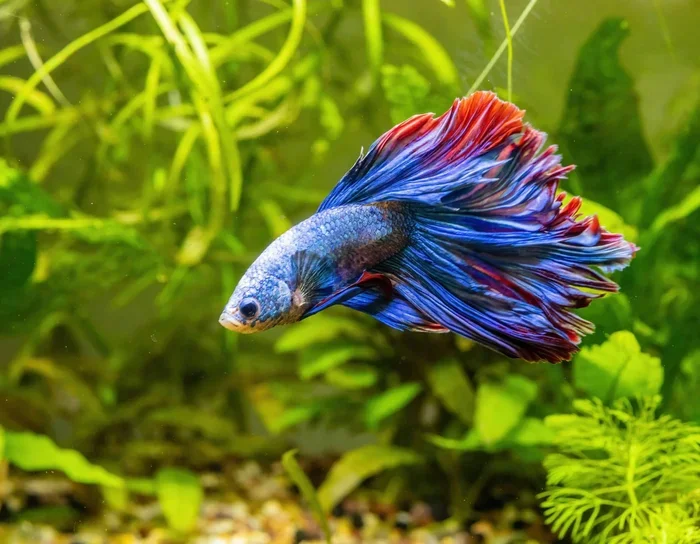
A healthy betta has bright, vibrant colors, flowing fins, and a good appetite. They should be active and curious, exploring their tank throughout the day. Their fins should be open and relaxed, not clamped against their body.
Watch for Common Betta Fish Diseases
Even with the best care, bettas can sometimes get sick. Watch for these common signs:
- Fin rot: Frayed or discolored fins that seem to be shrinking.
- Ich (white spot disease): Tiny white spots on the body and fins.
- Bloating: A swollen belly that may indicate constipation or dropsy.
- Lethargy: Hiding at the bottom and not responding to food.
If you notice any of these signs, act quickly. Quarantine the fish if possible and research the specific condition. Early treatment makes a big difference.
Consider Tank Mates Carefully
Bettas can sometimes live with other fish, but not always. They are territorial and may fight with fish that have bright colors or long fins. Good tank mates include corydoras, snails, and certain small schooling fish. Before adding any new fish, check our guide on what fish can I put with my betta for safe pairing ideas.
Add Enrichment to Your Betta’s Environment
A betta fish that has nothing to do gets bored and stressed. Enrichment keeps their mind active and encourages natural behaviors. This is a simple way to improve their quality of life every single day.
Create a Stimulating Environment
Rearrange plants and decorations occasionally to give your betta a “new” environment. This sparks curiosity and encourages exploration. Just do not change everything at once — small changes work best.
You can also try floating plants on the water surface. Bettas love to rest on leaves and build bubble nests among them. Live plants like java moss or frogbit are excellent choices.
Use Enrichment Activities
Some bettas can learn to recognize their owner and even take food from their fingers. You can also try floating a ping-pong ball on the water surface — many bettas enjoy pushing it around. These small interactions build trust and keep your fish mentally stimulated.
Give Your Betta Space to Explore
If your tank is large enough, you can create different zones. One area with dense plants, one open swimming area, and one cozy hiding spot. This variety mimics a natural habitat and keeps your betta engaged throughout the day.
Common Mistakes to Avoid
Even well-meaning betta owners can make mistakes. Here are the most common ones and how to avoid them.
Keeping Your Betta in Too Small a Container
Bettas need at least 5 gallons of space. Tiny cups and bowls seem convenient but cause stress and health problems over time. Investing in a proper tank is the best thing you can do.
Overfeeding Your Betta
Bettas have small stomachs and will eat until they are unwell if given the chance. Stick to small portions twice a day and skip a feeding once a week. Uneaten food also pollutes the water quickly.
Neglecting Water Changes
Even with a filter, waste builds up over time. Skipping water changes leads to ammonia spikes, which can be deadly. Set a reminder to do your weekly maintenance on the same day each week.
Using the Wrong Water
Never add untreated tap water directly to the tank. Chlorine and chloramine will harm your betta’s gills and stress their immune system. Always condition your water first. For more on water choices, see our article on can I use spring water for my betta fish to learn about different water types.
Expert Insights on Betta Fish Care
Experienced betta keepers agree on a few key principles. First, stability matters more than perfection. A tank with slightly imperfect parameters that stays consistent is better than one with perfect parameters that swings wildly. Second, patience is your best friend. Bettas need time to adjust to new environments, so do not make big changes all at once.
Third, observe your fish daily. You do not need fancy equipment to notice when something is off. A change in behavior, appetite, or appearance often signals the first sign of trouble. Catching problems early gives you the best chance of resolving them quickly.
Conclusion
Now you know what can I do for my betta fish to give them the best possible life. From setting up a proper 5-gallon tank with a heater and gentle filter, to feeding a balanced diet and maintaining clean water, every step counts. Adding enrichment, watching for signs of illness, and avoiding common mistakes will help your betta thrive for years to come.
Remember, betta fish care is a journey, not a destination. Small, consistent efforts make the biggest difference. Your betta depends on you for everything, and the love and attention you give will be returned with vibrant colors, active swimming, and a happy, healthy fish. Start with the basics, keep learning, and enjoy the rewarding experience of being a great betta fish owner.
Frequently Asked Questions
What is the best tank size for a betta fish?
A 5-gallon tank is the minimum recommended size for a single betta fish. Larger tanks, such as 10 gallons or more, provide even more room for swimming and help maintain stable water conditions. Avoid keeping bettas in bowls smaller than 1 gallon.
How often should I feed my betta fish?
Feed your betta two small meals per day, about 2-3 pellets each time. You can also offer occasional treats like frozen bloodworms or brine shrimp. Skipping one feeding per week can help support healthy digestion.
Can betta fish live with other fish?
Yes, but it depends on the tank setup and the other fish. Peaceful species like corydoras, snails, and certain small tetras can make good tank mates. Avoid fish with bright colors or long fins, as bettas may see them as rivals. Check our guide on what fish can I put with my betta for safe pairing suggestions.
What water should I use for my betta fish tank?
Always treat tap water with a water conditioner before adding it to the tank. This removes chlorine and chloramine that are harmful to bettas. Spring water and filtered water are also good options. For more details, visit our guide on what water do I use for betta fish.
How do I know if my betta fish is sick?
Look for signs like clamped fins, loss of color, bloated body, white spots, lethargy, or loss of appetite. These can indicate common betta diseases like fin rot, ich, or bloating. Early detection and treatment are key to a full recovery.
Do betta fish need a heater and filter?
Yes, both are important. A heater keeps the water between 76°F and 82°F, which bettas need to stay healthy. A gentle filter, like a sponge filter, keeps the water clean without creating too much current. Together, they help maintain a stable and safe environment for your betta.