What All Can You Feed Betta Fish
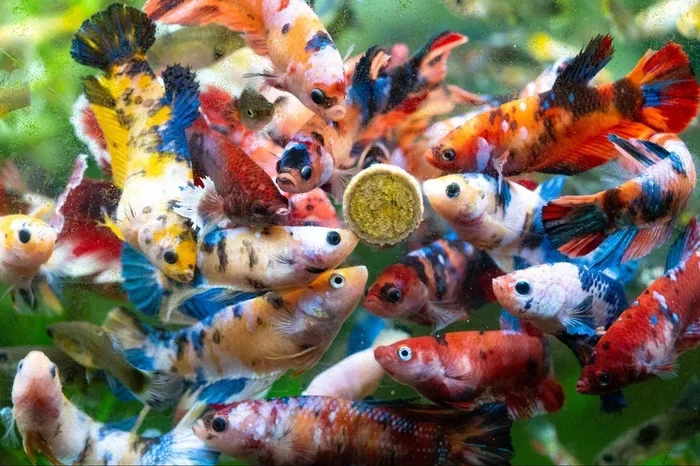
Betta fish thrive on a diverse diet that goes far beyond standard fish flakes. From high-quality pellets and frozen bloodworms to live brine shrimp and even certain vegetables, what all can you feed betta fish includes a surprising range of options. This guide breaks down the best foods, feeding schedules, and common mistakes to keep your betta healthy, colorful, and full of energy.
Have you ever stood in front of the fish food aisle and felt completely confused? You are not alone. Many fish owners ask themselves, what all can you feed betta fish. These colorful pets have specific needs. Their tiny stomachs require the right mix of nutrients. Feeding them the wrong thing can make them very sick. This guide will clear up all the confusion. You will learn exactly what to put in their tank. We will cover everything from store-bought pellets to fresh veggies. By the end, you will feel confident about mealtime. Your betta will thank you with vibrant colors and active swimming. A happy fish makes a happy owner. Let us get started on the right foot.
Choosing the right betta fish food is not just about filling a bowl. It is about keeping your fish healthy and happy for years. Bettas are naturally carnivorous. They need a protein-rich diet to thrive. But they can also enjoy some plant matter. Knowing the difference is the key to success. A balanced betta diet prevents many common health issues. It also makes feeding time much easier for you. Let us dive into the best options available. You will be surprised by the variety of safe choices.
Key Takeaways
- High-protein pellets should be the staple of every betta fish diet.
- Offer live or frozen foods like brine shrimp as healthy treats.
- Feed small portions twice daily to prevent overfeeding and water pollution.
- Avoid low-quality flake foods filled with fillers and artificial ingredients.
- Fast your betta one day per week to support healthy digestion.
- A varied diet keeps betta fish vibrant, active, and fully healthy.
- Bloodworms and daphnia provide essential protein that betta fish love.
📑 Table of Contents
Understanding Your Betta’s Dietary Needs
Before you drop any food into the water, you need to understand your fish. Bettas have small stomachs. They are about the size of their eye. This means they need small meals. Overfeeding is a real danger. It can block their digestive system easily. A proper betta diet mimics what they eat in the wild. In nature, they hunt insects and larvae. They do not eat plants or grains. So, their betta fish nutrition must be high in animal protein. You should also consider their feeding betta fish routine. Consistency matters a lot for their digestion. Skipping meals occasionally is fine. But daily routine helps them stay stress-free.
Betta fish are beautiful creatures. They come in many bright colors. Their flowing fins are a joy to watch. But beauty requires proper care. Diet is the most important part of care. A sick fish is often a malnourished fish. You want to prevent this. Understanding their stomach size is crucial. They can only eat a tiny amount. Overfeeding is the number one mistake new owners make. It leads to bloating and swim bladder issues. Keep portions small and frequent. This matches their natural eating habits. In the wild, they nibble all day. They do not get one big meal. Try to mimic this pattern at home. Small amounts multiple times work best.
Why Diet Matters for Betta Fish
A good diet fuels your fish’s immune system. It keeps their fins flowing and their colors bright. Poor food leads to a weak immune system. Sick fish get diseases more easily. They also become lethargic and lose their appetite. This creates a nasty cycle. You want your fish to be energetic and bright. The right foods for bettas provide essential vitamins. They also give the energy needed for swimming. Always choose items that support long-term health. High-quality nutrition is the best investment you can make. It saves you money on vet bills later.
The Best Commercial Betta Fish Food
Most owners rely on store-bought options. These are convenient and nutritionally balanced. But not all products are created equal. You must read the labels carefully. Look for brands that list fish meal first. Avoid foods filled with fillers like corn. Betta pellets are the gold standard. They sink or float, depending on the brand. Flakes can also work, but they break apart fast. This can make the water dirty quickly. Pellets are cleaner and easier to control. They also provide a steady release of nutrients.
Choosing the Right Pellets and Flakes
When picking betta pellets, check the protein content. It should be around 30 to 40 percent. This matches their natural needs perfectly. High-quality flakes are okay for beginners. They are easy to find in any pet store. However, pellets are generally better for betta fish nutrition. They hold their shape longer. This means less waste in the tank. You should also look for foods with added spirulina. This natural algae boosts their color. It also aids their digestion. Always buy small amounts first. You do not want to waste money on food your fish ignores. Watch how your fish reacts to a new brand. Some prefer floating pellets while others like sinking ones.
Store-bought food is the backbone of care. It provides a balanced base. But you should still vary the diet. Pellets are the most popular choice. They are designed specifically for bettas. The shape and size are perfect. They do not cloud the water much. Flakes are another common option. They are cheaper and widely available. But they can be messy. Flakes fall apart quickly. This creates debris in the tank. If you use flakes, soak them first. This prevents air gulping. Air in the stomach causes bloating. Look for high protein percentages on the label. The first ingredient should always be fish or shrimp. Avoid brands that use soy or corn. These are just fillers. Your fish needs real meat protein.
Safe Human Foods You Can Share
Sometimes you want to treat your fish. You might wonder if your dinner is safe. The good news is that some human foods are fine. But you must be very careful. Not everything on your plate is safe for them. You should only offer tiny amounts. Think of it as a snack, not a full meal. Before you share your food, learn what is safe. For a full list of safe options, you can check out this guide on human food for bettas. This will help you avoid any risky choices.
Vegetables and Fruits for Betta Fish
Bettas need fiber to stay healthy. They cannot digest many fruits easily. But certain vegetables work very well. Cooked peas are a famous remedy for constipation. You must remove the skin before feeding. Lettuce and spinach are also great choices. Blanch them first to soften the fibers. Cucumber and zucchini are safe too. Cut them into tiny pieces. Only a small bite should go into the tank. Fruits like mango can be given rarely. The sugar content is high, so use it as an occasional betta treat. Always remove uneaten food quickly. It will rot and dirty the water fast. Clean water is essential for their health. A little bit of veggie goes a long way.
Sharing your food can be fun. It adds variety to their diet. But you must be smart about it. Not everything you eat is safe for fish. Always wash fruits and vegetables first. Remove any pesticides or chemicals. Cooked foods are safer than raw ones. Cooking breaks down tough fibers. It makes the food easier to digest. You should never add seasoned food. Salt, garlic, and onion are harmful. Keep the food plain and simple. A tiny piece is all you need. Remove leftovers after a few hours. Rotting food ruins water quality. This can lead to dangerous ammonia spikes.
Live and Frozen Treats for Your Betta
In the wild, bettas hunt live prey. This natural behavior keeps them stimulated. You can replicate this at home. Live and frozen foods are excellent protein-rich snacks. They mimic the betta’s natural hunting instincts. Many owners ask if they can feed betta fish worms, and the answer is yes! Bloodworms are a favorite among most fish. You can buy them frozen or live. Just remember that live food carries risks. It can introduce parasites into your tank. Frozen options are safer and just as nutritious. They still provide the meaty texture bettas love.
Worms and Shrimp as Protein Boosters
Bloodworms are the most popular choice. They are packed with protein. But they should not be the main meal. Think of them as a dessert. Brine shrimp are another fantastic option. They are small and easy for bettas to eat. You can buy frozen brine shrimp cubes. These are very convenient for busy owners. Mosquito larvae are also a natural wild food. If you have a safe source, they make great treats. Feed these extras only a few times a week. Too much protein can cause digestive issues. Keep the treats to about ten percent of their diet. Variety in treats keeps mealtime exciting for your fish.
Treats are an important part of care. They provide mental stimulation. Hunting for food is natural behavior. Frozen foods offer the best of both worlds. They are safe and full of nutrients. You can store them in your freezer. They last a long time this way. Thaw them before adding to the tank. This makes it easier for your fish to eat. Live foods are the ultimate treat. But they are harder to source. They can carry diseases if not raised properly. If you buy live worms, quarantine them first. This protects your main tank. Treats should only be a small part of the diet. Too much can cause nutritional imbalances. Stick to a regular schedule for treats.
Foods to Avoid at All Costs
Just as there are safe foods, there are dangerous ones. Some common items can seriously harm your fish. You should never put these in your tank. Understanding what to avoid is just as important as knowing what to feed. Many beginners make mistakes here. They think a little bit will not hurt. But even small amounts of bad food can cause big problems. Keep your fish safe by avoiding these items. Prevention is always better than cure.
Common Feeding Mistakes to Prevent
Bread and crackers are terrible for bettas. They expand in the stomach. This causes severe bloating and constipation. Your fish will struggle to swim properly. Processed human snacks are full of salt and preservatives. These ingredients damage their sensitive organs. Chocolate and caffeine are toxic to fish. Never give them anything sugary or fatty. Raw meat is another bad idea. It can foul the water very fast. Also, avoid feeding them goldfish food. It lacks the protein bettas need. Sticking to safe options keeps your fish healthy and happy. Always research a new food before offering it.
Knowing what not to feed is vital. Some foods seem harmless but are dangerous. Bread is a common culprit. It expands in the stomach. This causes severe digestive blockages. Crackers are just as bad. They turn into a paste in the gut. Processed foods contain too much sodium. Fish cannot process high levels of salt. It damages their kidneys over time. Raw chicken or beef is a big no. It will spoil the water instantly. It introduces harmful bacteria. Also, avoid feeder fish. They can transmit diseases. The risk is not worth the reward. Stick to known safe foods. Your fish will thank you for the extra care.
A Quick Reference Guide to Safe Foods
Use this simple table to plan your fish’s meals. It helps you make quick decisions at the store or in the kitchen. A visual guide is always helpful when you are in a hurry.
| Safe Foods | Unsafe Foods |
|---|---|
| Betta pellets | Bread and crackers |
| Cooked peas | Processed human snacks |
| Frozen bloodworms | Chocolate and caffeine |
| Brine shrimp | Raw meat |
| Blanched lettuce | Goldfish flakes |
| Mango (rarely) | Milk and dairy |
Creating the Perfect Feeding Schedule
Now that you know what to feed, you need a schedule. Consistency is the secret to a healthy fish. A regular routine helps with digestion. It also reduces stress in the tank. Most experts agree on a simple plan. You should feed your betta twice a day. Morning and evening works best. Give them only what they can eat in two minutes. This prevents overeating and keeps the water clean. If you are away, use an automatic feeder. But do not rely on it completely. Nothing beats the care of a hands-on owner. Your presence during feeding time builds trust.
How Often Should You Feed Your Betta?
Twice a day is the standard rule. But you can adjust based on their age. Baby bettas need more frequent small meals. They eat three to four times a day. Adult bettas do well with two meals. Elderly fish might need just one. Always watch your fish during feeding. If they leave food behind, you are giving too much. Reduce the portion size right away. Uneaten food decays fast. It releases ammonia into the water. Clean water is just as important as the food itself. A strict schedule makes tank maintenance much easier. It also helps you spot changes in appetite early.
Routine makes everything easier. It reduces stress for both you and your fish. Fish are creatures of habit. They know when to expect food. This anticipation is a sign of a healthy fish. A regular schedule helps regulate their metabolism. It also helps with waste production. You can predict when they will need the filter more. Morning feedings are usually best. Fish are most active after the lights turn on. Evening feedings work too, if that fits your schedule. Just pick a time and stick to it. Consistency is the key to success. Adjust the amount based on how much they eat. If food falls to the bottom, you gave too much.
Conclusion: A Balanced Betta Diet
Feeding your betta does not have to be complicated. You now know the answer to what all can you feed betta fish. You have learned about pellets, veggies like feed betta fish peas, and worms. You also know which foods to avoid at all costs. A mix of high-quality pellets and occasional treats works best. This keeps their diet balanced and interesting. Variety is the spice of life, even for fish. Always remember to clean up uneaten food. A little planning goes a long way. Your fish will live a longer, happier life. You will enjoy watching them swim with energy and color. Start implementing these tips at your very next feeding. Your betta will love you for it. A well-fed fish is a joy to watch every single day.
Frequently Asked Questions
What All Can You Feed Betta Fish Besides Commercial Pellets?
Betta fish enjoy a varied diet that includes freeze-dried bloodworms, brine shrimp, and daphnia. You can also offer them small pieces of cooked egg yolk as an occasional treat. These protein-rich options mimic their natural diet and keep them healthy and active.
Can Betta Fish Eat Human Food Safely?
Yes, betta fish can eat certain human foods in small amounts. Cooked peas (with the skin removed), tiny pieces of boiled spinach, and a little bit of cooked chicken are all safe options. Just make sure to avoid anything salty, fried, or seasoned, as these can harm your fish.
How Often Should You Feed Your Betta Fish?
Feeding your betta fish once or twice a day is the ideal routine. A small amount of food that they can finish within two minutes works perfectly. Overfeeding is one of the most common mistakes betta owners make, and it can lead to serious health problems.
What Vegetables Can You Feed Betta Fish?
Betta fish can eat small portions of blanched spinach, peas, and cucumber. These vegetables provide fiber that helps with digestion and prevents constipation. Always remove any uneaten vegetables from the tank within a few hours to keep the water clean.
Is It Safe to Feed Betta Fish Freeze-Dried Food?
Freeze-dried foods like bloodworms and brine shrimp are excellent options for betta fish. They are packed with protein and have a long shelf life, making them very convenient. Just remember to soak the food in tank water before feeding to prevent digestive issues.
Can You Feed Betta Fish Goldfish Food or Tropical Flakes?
While betta fish can nibble on tropical flakes occasionally, goldfish food is not ideal for them. Betta fish need a higher protein content in their diet compared to goldfish. Sticking to betta-specific pellets or a varied diet of live and frozen foods will keep your betta much healthier.