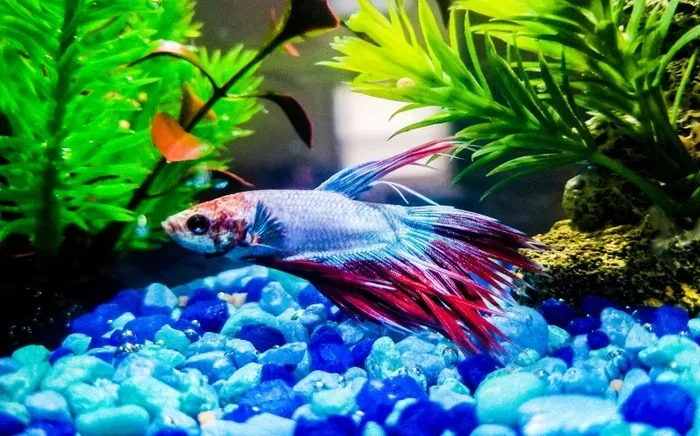
What All Can You Feed a Betta Fish
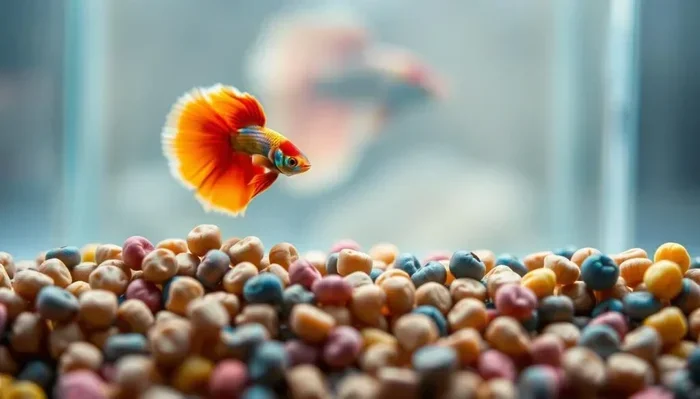
If you’re wondering what all can you feed a betta fish, the answer is much more varied than most people think. Betta fish thrive on a mix of high-quality pellets, frozen or live foods like brine shrimp and bloodworms, and even small amounts of blanched vegetables. Feeding your betta the right diet keeps them healthy, colorful, and full of energy for years to come.
What All Can You Feed a Betta Fish
If you own a betta fish, you already know how vibrant and full of personality these little guys are. But feeding them the right way can feel confusing. There are so many options out there, and not everything is safe. In this guide, we walk you through what all can you feed a betta fish without any guesswork. You will learn about the best commercial foods, safe human foods, live treats, and the ones you should definitely skip. By the end, you will feel confident about every mealtime decision for your betta.
A proper betta fish diet is the foundation of a long, healthy life. Bettas are carnivores by nature, but they can enjoy a surprisingly varied menu. The key is balance, variety, and knowing what works for their small digestive systems. We have broken everything down into simple, easy-to-follow sections so you can get started right away.
Key Takeaways
- Betta fish are carnivores: Their diet must be rich in protein and animal-based nutrients.
- High-quality pellets are essential: They should form the staple base of every betta meal.
- Add variety with frozen or live foods: Bloodworms and brine shrimp boost nutrition and appetite.
- Feed small amounts twice daily: Only offer what your betta can eat in two minutes.
- Overfeeding is a common killer: Excess food pollutes water and causes deadly digestive issues.
- Include one fasting day per week: This helps prevent bloating and keeps their digestive system healthy.
- Avoid flakes as a primary food: They lack the protein and nutrients bettas need to thrive.
📑 Table of Contents
Best Commercial Foods for Betta Fish
Commercial foods are the backbone of most betta fish diets. They are convenient, nutritionally balanced, and designed specifically for bettas. Let us look at the top options you will find at any pet store.
Betta Pellets
Betta fish pellets are the gold standard for daily feeding. High-quality pellets sink slowly, which is perfect because bettas prefer to eat from the middle or top of the water column. Look for pellets where fish meal or shrimp meal is listed as the first ingredient. These provide the protein-rich diet your betta needs to stay energetic and colorful.
Here are some quick tips for feeding pellets:
- Soak pellets for a few minutes before adding them to the tank. This prevents bloating.
- Feed only 2 to 3 pellets per meal, twice a day.
- Choose pellets specifically formulated for bettas, not generic tropical fish food.
Betta Flakes
Flakes are another popular option, but they are not always ideal. They tend to lose their nutritional value quickly once opened and can cloud the water if uneaten. If you use flakes, pick a high-quality brand and only offer small amounts. Many experienced fish keepers prefer pellets over flakes for this reason.
Freeze-Dried Foods
Freeze-dried bloodworms and brine shrimp make excellent betta fish treats. They are lightweight, easy to store, and packed with protein. Always soak them before feeding to prevent digestive issues. Use these as a supplement, not a staple food.
| Food Type | Best For | Feeding Frequency |
|---|---|---|
| Betta Pellets | Daily staple | 2 times per day |
| Betta Flakes | Occasional feeding | 1 to 2 times per day |
| Freeze-Dried Bloodworms | Treats and variety | 2 to 3 times per week |
| Freeze-Dried Brine Shrimp | Protein boost | 2 to 3 times per week |
Human Foods You Can Safely Feed Your Betta
Many betta owners are surprised to learn that some human foods are perfectly safe for their fish. These can add variety and extra nutrition to your betta’s meals. Just remember that human food should never replace a balanced commercial diet.
Cooked Peas
Cooked, shelled peas are one of the best vegetables you can offer a betta. They are rich in fiber and help prevent constipation, which is a common issue in bettas. Mash the pea into a small piece and drop it into the tank. Your betta will likely nibble on it within minutes.
Boiled Egg Yolk
A tiny piece of boiled egg yolk can be a wonderful protein source for your betta. It is especially helpful for baby bettas or fish recovering from illness. Use only a small crumble and remove any uneaten portions quickly to keep the water clean.
Leafy Greens
Small pieces of spinach or lettuce can make a nice addition to your betta’s feeding schedule. Blanch them first to soften the leaves, then clip a tiny piece to the tank wall using a suction cup. Some bettas enjoy nibbling on greens, while others ignore them completely. That is perfectly normal.
If you want to explore more homemade food ideas, check out our guide on what can you feed betta fish from home for even more creative options.
Cooked Chicken
Plain, unseasoned cooked chicken is safe in very small amounts. It offers a lean protein boost. Make sure it is fully cooked and free of any oils, salt, or spices. Offer just a tiny shred and watch your betta devour it.
Live and Frozen Food Options
Live and frozen foods are some of the most exciting options for betta fish. They mimic what bettas would eat in the wild and can really bring out their natural hunting instincts.
Live Bloodworms
Live bloodworms are a favorite among bettas. You can buy them from most pet stores or even culture them at home. They are high in protein and make an excellent treat. Feed live bloodworms sparingly, as they are rich and can cause digestive upset if overfed.
Frozen Bloodworms and Brine Shrimp
Frozen foods are almost as good as live ones and much more convenient. You can store them in the freezer for months. Thaw a small portion before adding it to the tank. Frozen brine shrimp and bloodworms are both excellent choices for adding variety to your betta fish diet.
Live or Frozen Daphnia
Daphnia is a small freshwater crustacean that acts as a natural laxative for bettas. It is great for fish that are feeling constipated or bloated. Many betta owners keep a culture of daphnia at home. You can also find frozen daphnia at most aquarium stores.
Mosquito Larvae
In the wild, bettas often feast on mosquito larvae. You can collect these from standing water outdoors (make sure the water is clean and free of pesticides). Mosquito larvae are a natural, protein-rich food that bettas absolutely love. This is one of the best ways to simulate their natural feeding habits.
If you are curious about how feeding frequency affects your betta’s health, our article on can you feed a betta fish every other day offers great insights into creating the right schedule.
Foods to Avoid for Betta Fish
Not all foods are safe for bettas. Some can cause serious health problems or even be fatal. Knowing what to avoid is just as important as knowing what to feed.
Bread and Bread Crumbs
Bread expands in the stomach and can cause severe bloating in bettas. It offers no nutritional value and can lead to digestive blockages. Avoid bread, bread crumbs, and any baked goods entirely.
Peanut Butter
Peanut butter is high in fat and contains oils that are harmful to fish. It can coat your betta’s gills and interfere with breathing. Never offer peanut butter to your fish, no matter how funny the idea might seem.
Raw Chicken or Beef
Raw meat can introduce harmful bacteria into your tank. Always cook any meat thoroughly before offering it to your betta, and keep portions very small.
Processed Human Snacks
Chips, crackers, cookies, and other processed snacks are loaded with salt, sugar, and artificial ingredients. These are terrible for your betta’s health. Stick to foods that are clean and simple.
Want to learn more about overfeeding risks? Read our detailed piece on can you feed a betta fish too much to understand how portion control impacts your fish’s well-being.
Common Feeding Mistakes to Avoid
Even well-meaning betta owners make mistakes. Here are the most common ones:
- Overfeeding: This is the number one mistake. Bettas have tiny stomachs, and uneaten food fouls the water quickly.
- Feeding the same food every day: Lack of variety leads to nutritional gaps and boredom.
- Ignoring portion sizes: More food does not mean a healthier fish.
- Skipping meals: Bettas do not need daily fasting like some other fish species, but consistent feeding is important.
How Often Should You Feed a Betta Fish
Getting the feeding schedule right is crucial for your betta’s health. Most experts recommend feeding adult bettas twice a day, with small portions each time. This mimics their natural eating patterns and keeps their metabolism steady.
Baby bettas, on the other hand, need to be fed more frequently. They require 3 to 4 small meals per day because their metabolism is faster and their stomachs are even tinier. If you are raising a young betta, check out our guide on can you feed a baby betta fish for age-specific feeding advice.
Here is a simple daily feeding routine you can follow:
- Morning: Offer 2 to 3 soaked pellets or a small pinch of flakes.
- Evening: Provide a small treat like a bloodworm or a piece of cooked pea.
- Remove any uneaten food within 5 minutes to keep the tank clean.
Some owners also practice one fasting day per week, where they skip a full day of feeding. This can help prevent bloating and give the digestive system a break. However, fasting is optional and not strictly necessary for most bettas.
Signs Your Betta Fish Is Getting Proper Nutrition
How do you know if your betta is thriving on its current diet? Watch for these positive signs.
Bright, Vibrant Colors
A well-fed betta displays rich, vivid colors. If the colors start to fade, it could be a sign of nutritional deficiency or poor-quality food. High-protein diets with proper vitamins help maintain that stunning coloration.
Active and Alert Behavior
Healthy bettas are curious and active. They swim around the tank, explore their environment, and respond to their owner. A well-nourished betta will have a strong appetite and eagerly approach feeding time.
Healthy Appetite
A betta that eats eagerly and finishes its food within a few minutes is getting the right nutrition. If your betta refuses food consistently, it could indicate illness, stress, or simply boredom with the current food.
Regular Waste and Digestion
Watch your betta’s waste output. Well-formed waste indicates healthy digestion. If you notice stringy white stool or no waste at all, it could be a sign of overfeeding or constipation. Adjust the diet accordingly and consider adding fiber-rich foods like cooked peas.
Key Takeaways
Feeding your betta fish does not have to be complicated. The best approach combines high-quality commercial pellets with occasional treats like frozen bloodworms, live daphnia, or safe human foods like cooked peas. Avoid harmful foods like bread, processed snacks, and anything high in fat or salt. Stick to a consistent feeding schedule, watch for signs of good health, and adjust as needed.
Understanding what all can you feed a betta fish gives you the confidence to provide the best possible care. Your betta depends on you for its nutrition, and a varied, balanced diet is one of the simplest ways to ensure a long, happy, and healthy life for your colorful companion. Start experimenting with different safe foods today, and watch your betta thrive.
Frequently Asked Questions
What All Can You Feed a Betta Fish?
Betta fish can eat a variety of foods including high-quality pellets, flakes, freeze-dried bloodworms, brine shrimp, and daphnia. You can also offer them small amounts of boiled peas, cucumber, and lettuce as occasional treats. Just make sure to avoid feeding them bread, crackers, or any processed human food that contains salt or preservatives.
Can Betta Fish Eat Regular Fish Flakes?
Yes, betta fish can eat flakes, but they are not the best staple food for them. Flakes often lack the protein content that bettas need and can also cloud the water quickly. It is better to use flakes as an occasional supplement alongside a primary pellet-based diet.
How Often Should You Feed a Betta Fish?
You should feed your betta fish once or twice a day, giving them only what they can eat in two to three minutes. Overfeeding is one of the most common mistakes betta owners make and can lead to serious health issues. A proper feeding schedule helps keep your betta active and prevents water quality problems in the tank.
Can Betta Fish Eat Freeze-Dried Food?
Yes, freeze-dried foods like bloodworms and brine shrimp are excellent treats for betta fish. You should always soak them in tank water before feeding to prevent them from expanding inside your fish’s stomach. Feed freeze-dried foods in moderation, about two to three times a week, as part of a balanced betta diet.
What Human Foods Can You Feed a Betta Fish?
Betta fish can safely eat small pieces of boiled peas, zucchini, cucumber, and even a tiny bit of cooked chicken without seasoning. These foods provide variety and extra nutrients that support your betta’s overall health. Always remove any uneaten human food within a few hours to keep the tank water clean.
Are Live Foods Safe for Betta Fish?
Live foods like bloodworms, brine shrimp, and daphnia are some of the best options you can offer a betta fish. They closely mimic what bettas eat in the wild and provide excellent nutrition and enrichment. Just make sure to source live foods from reputable suppliers to avoid introducing parasites or diseases into your tank.