Was Fisher Better Than Kasparov
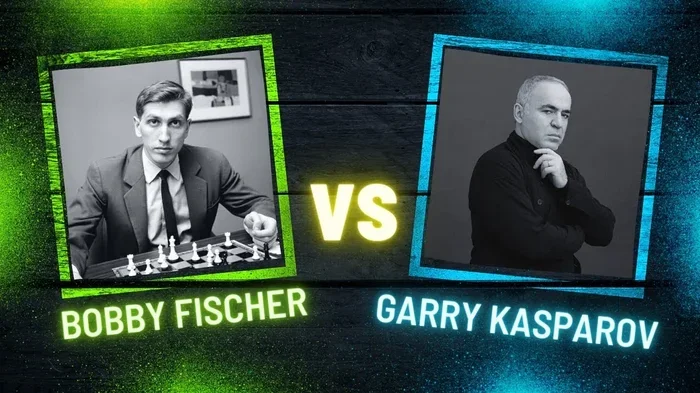
The question of whether Fisher Better Than Kasparov is one of the most debated topics in chess history. Bobby Fischer and Garry Kasparov were both extraordinary grandmasters, but their styles, achievements, and legacies differ in fascinating ways. This article breaks down their careers, playing styles, and contributions to help you decide who truly stands taller in the chess world.
Key Takeaways
- Fischer’s raw genius redefined what was possible in competitive chess at a young age.
- Kasparov’s dominance spanned nearly two decades, making him one of the longest-reigning champions.
- Their playing styles were vastly different, with Fischer favoring aggression and Kasparov favoring deep preparation.
- Both left lasting legacies that shaped modern chess strategy and inspired millions of players.
- The debate is subjective, and the answer depends on what you value most in a chess player.
📑 Table of Contents
The Great Chess Debate: Fisher Better Than Kasparov?
Chess has produced many legendary figures. But few names spark as much debate as Bobby Fischer and Garry Kasparov. Fans, analysts, and players have argued for decades about who was truly the greatest. The conversation around Fisher Better Than Kasparov is not just about wins and losses. It is about style, impact, and what makes a chess player truly great.
Bobby Fischer was a prodigy who stunned the chess world in the 1960s and 1970s. Garry Kasparov ruled the board from the mid-1980s well into the 2000s. Both players pushed the boundaries of chess strategy and competitive chess. But who really had the edge? Let us dive deep into their careers and find out.
Bobby Fischer: The Lone Genius
A Prodigy Who Changed the Game
Bobby Fischer grew up in Brooklyn, New York. He learned chess at the age of six and quickly showed a talent that was beyond his years. By 13, he won the famous game known as the “Game of the Century.” By 15, he became the youngest international grandmaster in history at that time. This was a record that stood for years.
Fischer was known for his intense focus. He studied chess obsessively. His analytical mind could spot patterns that others missed. He played with a fierce creativity that made every game feel like a battle. Fischer did not just play chess. He lived it.
The 1972 World Championship
The 1972 World Chess Championship is the most famous match in chess history. Fischer faced Boris Spassky in Reykjavik, Iceland. The match was more than a game. It was a Cold War showdown between the United States and the Soviet Union. Fischer’s victory made him a global celebrity.
He became the first American to win the world chess title. His chess legacy was cemented in that single match. Fischer showed the world that a lone genius could defeat an entire system of Soviet chess training. His win inspired a generation of young players in America and beyond.
Fischer’s Playing Style
Fischer was an attacker at heart. He loved sharp positions and tactical fireworks. His games were full of surprises. He would prepare deeply for his opponents and then unleash devastating combinations in the middlegame.
- Tactical brilliance: Fischer could calculate complex variations several moves ahead.
- Opening mastery: He had deep knowledge of many openings, especially the Sicilian Defense.
- Endgame skill: Even in seemingly equal positions, Fischer found ways to win.
- Psychological pressure: His presence at the board intimidated opponents.
Fischer was not perfect, though. He could be unpredictable. He sometimes withdrew from tournaments without explanation. His later years were marked by controversy. But his contribution to chess remains unmatched in its purity of genius.
Garry Kasparov: The Long-Reigning Champion
A Career Built on Dominance
Garry Kasparov was born in Baku, Azerbaijan, in 1963. He became the youngest-ever World Chess Champion in 1985 at the age of 22. He held the title for 15 years, defending it successfully multiple times. No one had ruled the chess world for that long since Wilhelm Steinitz in the 19th century.
Kasparov was a machine at the chess board. His strategic thinking was unparalleled. He combined deep preparation with incredible fighting spirit. He never gave his opponents easy chances. Every game was a war of attrition, and Kasparov usually won.
Kasparov’s Approach to Chess
Kasparov was a pioneer in chess preparation. He was one of the first players to use computers and databases to study his opponents. He worked with a team of analysts who helped him prepare for every match. This team-based approach changed how top-level chess was played.
His competitive chess style was relentless. He pushed his opponents to their limits in every game. Kasparov was known for his incredible stamina in long games. He could outlast anyone in a marathon battle. His chess mastery came from both natural talent and thousands of hours of disciplined work.
Kasparov’s Legacy
Kasparov’s influence on chess goes far beyond his playing career. He wrote influential chess books that are still studied today. He advocated for the game around the world. He also became a political figure in Russia, which added another dimension to his legacy.
Many top players today credit Kasparov as a major influence on their development. His ideas about preparation, fitness, and mental toughness changed the sport. The modern era of professional chess owes a lot to Kasparov’s innovations.
Comparing Styles: Attacker vs. Strategist
Fischer’s Aggressive Brilliance
Fischer played chess like a warrior. He looked for complications and thrived in chaotic positions. His games were often decisive, with clear victories rather than draws. Fischer believed in taking risks. He trusted his intuition and his calculation skills to carry him through.
In many ways, Fischer was like a wild animal in a chess game. Unpredictable, fierce, and always looking for the kill. His opponents often felt this energy and it weighed on them heavily.
Kasparov’s Systematic Mastery
Kasparov, on the other hand, played chess like a general planning a campaign. Every move had a purpose. He built pressure gradually and then struck when the moment was right. His chess analysis was thorough and precise.
Kasparov was less likely to take unnecessary risks. He preferred to play in positions where his superior preparation gave him an edge. His games were often long and strategic, with small advantages building up over time until they became winning positions.
A Comparison of Their Approaches
| Aspect | Bobby Fischer | Garry Kasparov |
|---|---|---|
| Playing Style | Aggressive, tactical | Strategic, prepared |
| World Championship | 1 title (1972) | 3 titles (1985-2000) |
| Peak Elo Rating | 2785 (retroactive) | 2851 |
| Training Method | Self-taught, intuitive | Team-based, analytical |
| Legacy Impact | Inspired American chess | Modernized chess preparation |
| Career Longevity | Short peak, early retirement | Long reign, sustained excellence |
Both styles had their strengths. Fischer’s aggression could overwhelm anyone. Kasparov’s preparation could crush any opponent who was not ready. The debate of Fisher Better Than Kasparov often comes down to which style you admire more.
Why the Debate Matters
Different Eras, Different Standards
One reason the debate is so hard to settle is that Fischer and Kasparov played in very different eras. Fischer competed in a time when the Soviet chess machine dominated. He broke that system single-handedly. Kasparov competed in a more globalized, better-prepared chess world. The level of competition was different, but both rose to the top.
Just as you might compare wild fish to farmed fish and find that each has its own strengths, comparing Fischer to Kasparov means looking at what each achieved within their context. The chess rivalry between these two is not just about who won more. It is about what each represented in the history of the game.
The Competitive Spirit
Both Fischer and Kasparov had fierce competitive spirits. They hated losing and pushed themselves to be the best. This drive is something you can see in nature too. In the animal kingdom, creatures like the betta fish fight fiercely for territory and survival. The competitive spirit is a universal trait that transcends species and games.
Fischer’s spirit was raw and fiery. Kasparov’s was disciplined and relentless. Both made chess more exciting and more respected around the world. Without these two players, the game would not be what it is today.
Who Was the Greater Player?
The Case for Fischer
Fischer’s case rests on his sheer brilliance and the impact of his 1972 victory. He proved that one person with extraordinary talent could defeat an entire establishment. His games are still studied and admired for their creativity and boldness. In terms of raw talent, many experts place Fischer at the very top.
Fischer also had an incredible chess prodigy trajectory. He jumped from beginner to world champion in a remarkably short time. His peak performance in 1972, where he won 6-0 against Spassky in the first six games, is one of the most dominant stretches in chess history.
The Case for Kasparov
Kasparov’s case rests on his sustained dominance over nearly two decades. He was not just a one-time champion. He was the best player in the world for a very long time. His preparation methods changed the game. His influence on modern chess is enormous.
Kasparov also played a wider variety of opponents and adapted his style over time. He evolved as the game evolved. This adaptability is a sign of true greatness. Many consider Kasparov the most complete chess player who ever lived.
Expert Insights
Many grandmasters have weighed in on this debate. Some lean toward Fischer for his natural genius. Others favor Kasparov for his consistency and depth. The truth is that both players are in the top tier of chess history. Arguing about who is better is like arguing about whether birds are better than fish — it depends on what criteria you use.
What is clear is that both Fischer and Kasparov elevated the game of chess. They inspired millions of people to learn and love the game. That alone makes them both legends.
Conclusion: The Answer Depends on What You Value
So, was Fisher Better Than Kasparov? The honest answer is that it depends on what you value most in chess. If you value raw talent, creative brilliance, and the thrill of a single dominant performance, Fischer might be your choice. If you value sustained excellence, strategic depth, and the evolution of the game, Kasparov might be the one.
Both players left an indelible mark on chess history. Their rivalry and greatness continue to inspire new generations of players. The debate will likely never be fully settled, and that is part of what makes it so fascinating. Chess is a game of endless possibilities, and so is the conversation about its greatest players.
The next time you sit down to play a game of chess, think about Fischer and Kasparov. Channel their competitive fire and strategic thinking. Whether you are a beginner or an experienced player, their stories remind us why chess is one of the most beautiful and challenging games ever created.
Frequently Asked Questions
Who was Bobby Fischer?
Bobby Fischer was an American chess grandmaster who became the 11th World Chess Champion in 1972. He is widely regarded as one of the greatest chess players of all time, known for his incredible tactical vision and aggressive playing style.
Who was Garry Kasparov?
Garry Kasparov was a Russian chess grandmaster who held the World Chess Championship title from 1985 to 2000. He is considered one of the strongest players in history, with a record of sustained dominance that has never been matched.
What made Fischer’s 1972 victory so significant?
Fischer’s 1972 victory over Boris Spassky was significant because it broke the Soviet Union’s 24-year stranglehold on the world chess title. It was also seen as a symbolic victory for the West during the Cold War era, making Fischer a global celebrity.
Did Kasparov ever lose the World Championship?
Yes, Kasparov lost his world title in 2000 to Vladimir Kramnik. He also had notable losses in other high-profile matches, but his overall record as champion remains one of the strongest in chess history.
How do Fischer and Kasparov compare in terms of Elo rating?
Kasparov achieved a peak Elo rating of 2851, which was the highest ever recorded for many years. Fischer’s peak rating has been estimated retroactively at around 2785. However, rating systems have evolved, and direct comparisons across eras can be tricky.
Can we truly compare players from different chess eras?
Comparing players from different eras is inherently difficult because the level of competition, preparation methods, and chess knowledge have all changed over time. Both Fischer and Kasparov were dominant in their respective periods, and each brought something unique to the game.
=== INTERNAL LINKS ===
Just as nature produces fierce competitors across species, the debate over Fischer and Kasparov reminds us that greatness comes in many forms. If you are curious about how different animals compare in their environments, check out Are Birds Better Than Fish for a fascinating look at competitive advantages in the wild.
The way Kasparov prepared for matches was like a carefully cultivated system, much like comparing different approaches to raising fish. You might enjoy reading Is Farmed Fish Better Than Wild Fish to see how different methods of development can produce different results.
Ultimately, choosing between Fischer and Kasparov comes down to personal preference, similar to how people weigh different options in life. If you enjoy exploring these kinds of comparisons, you might also like Why Fish Is Better Than Meat for another thoughtful look at why one option might be considered superior.