Are Birds Better Than Fish
Are birds better than fish? It depends on your lifestyle, space, and what you want from a pet. This guide weighs the pros and cons of feathered friends versus finned companions, helping you decide which critter fits your home, budget, and personality.
Key Takeaways
- Space matters: Birds need vertical room for flight; fish need horizontal tank space.
- Interaction level: Birds can talk and mimic; fish are calming to watch.
- Maintenance: Fish tanks require regular cleaning; bird cages need daily spot‑cleaning and mental enrichment.
- Cost: Initial setup for both can vary, but long‑term expenses differ (feed vs. water treatment).
- Allergies & noise: Feather dust can trigger allergies; some birds are noisy, while fish are silent.
- Lifespan: Many birds outlive typical pet fish, offering a longer companionship.
- Environmental impact: Consider sourcing, wild‑capture issues, and sustainable care for both.
📑 Table of Contents
- Introduction: Why the Question Pops Up
- 1. Space Requirements – The Real‑Estate Factor
- 2. Interaction and Personality – Who’s More Engaging?
- 3. Care and Maintenance – How Much Time Do You Have?
- 4. Cost Over Time – Budgeting for Your New Friend
- 5. Health, Safety, and Allergies – What to Watch Out For
- 6. Environmental Impact – Being a Responsible Pet Owner
- Conclusion: Making the Choice That Fits You
Introduction: Why the Question Pops Up
Every pet lover has stared at a bright aquarium or a chirpy perch and wondered, “are birds better than fish?” The answer isn’t a simple yes or no. It’s a blend of personal preference, living space, and the kind of experience you crave. Some people love the soothing glide of fish fins, while others adore the playful chatter of a parakeet.
In this article we’ll walk through the most common factors that influence the decision: space, care, cost, interaction, health, and even the planet. By the end you’ll have a clear picture of which pet might fit best into your life.
1. Space Requirements – The Real‑Estate Factor
Birds Need Vertical Freedom
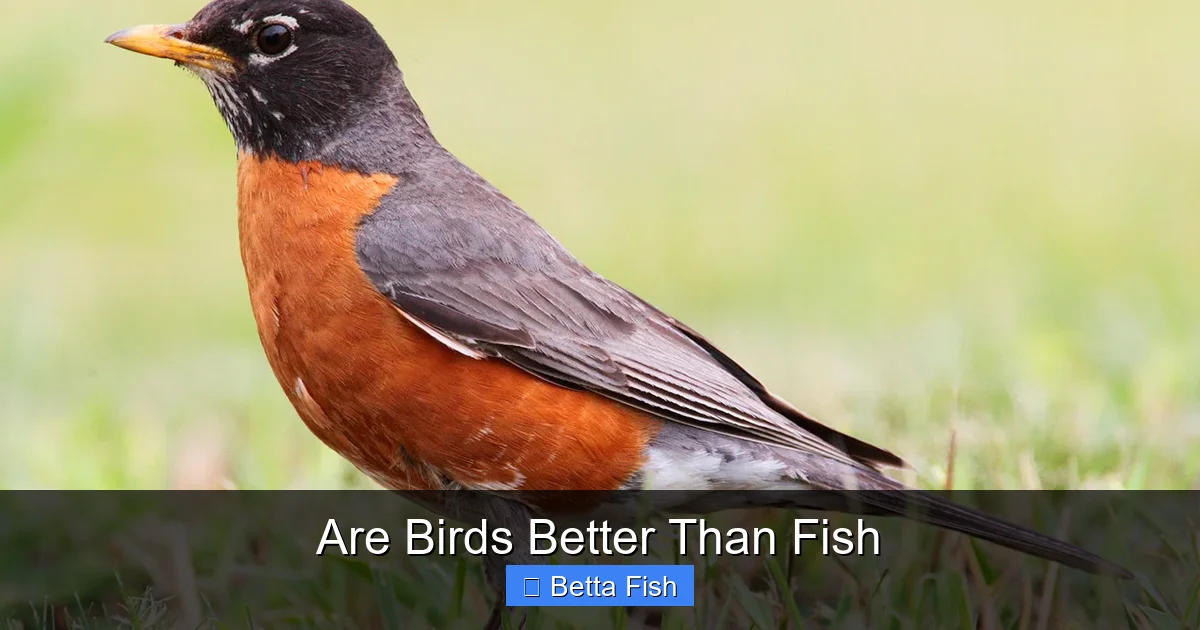
Most pet birds, from budgies to cockatiels, love to stretch their wings. A cage should be at least twice the bird’s wingspan in width and height. That means a small parakeet needs a minimum of 24×24×24 inches, while a larger conure may need 30×30×36 inches.
Visual guide about Are Birds Better Than Fish
Image source: cdn.pixabay.com
Fish Need Horizontal Real Estate
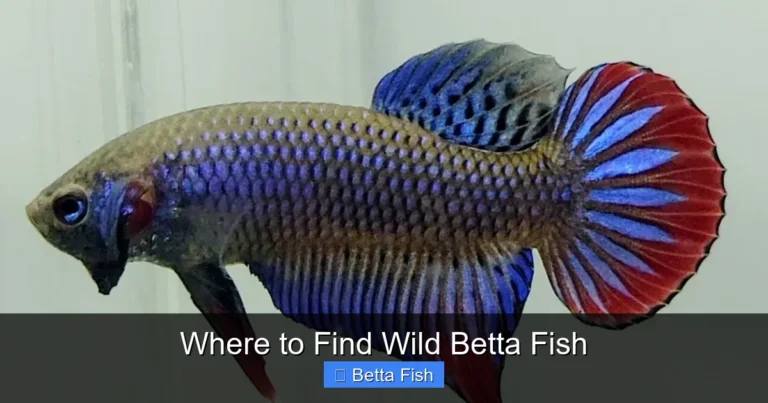
Fish live in tanks, and the rule of thumb is one gallon of water per inch of adult fish. A single betta can thrive in a 5‑gallon tank, but a community of guppies or tetras quickly needs 20 gallons or more. The larger the tank, the more stable the water parameters.
Practical Tip
If you live in a studio apartment, a compact 10‑gallon aquarium might be easier to fit than a 30‑inch bird cage. Conversely, a loft with high ceilings can accommodate a tall aviary without crowding the floor.
2. Interaction and Personality – Who’s More Engaging?
Talking, Mimicking, and Play
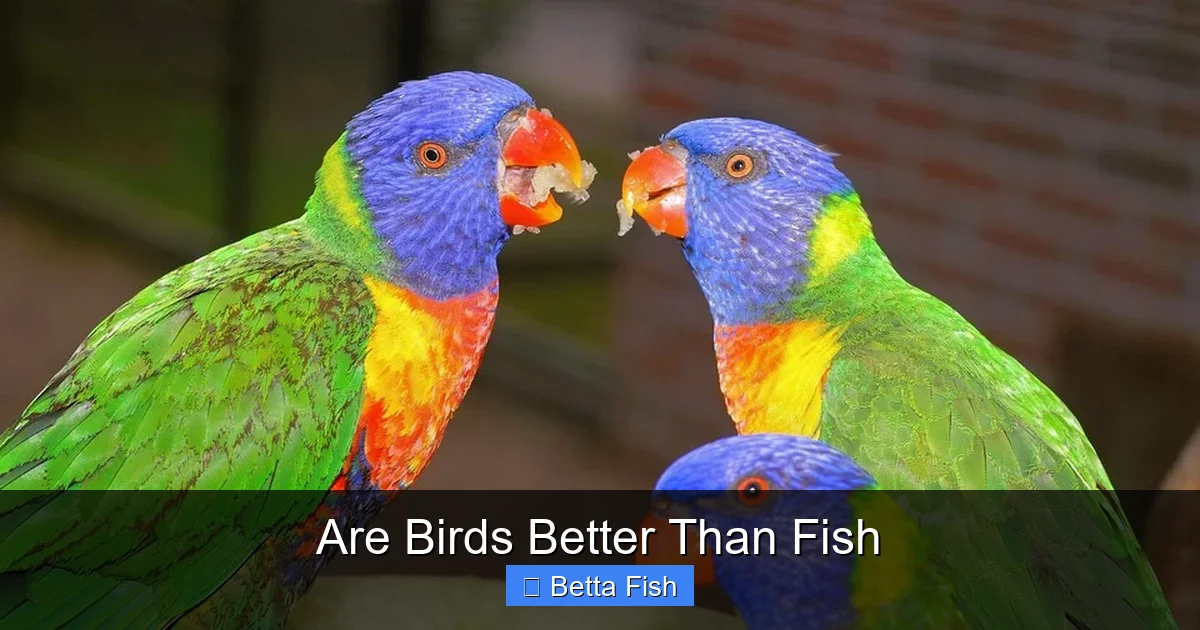
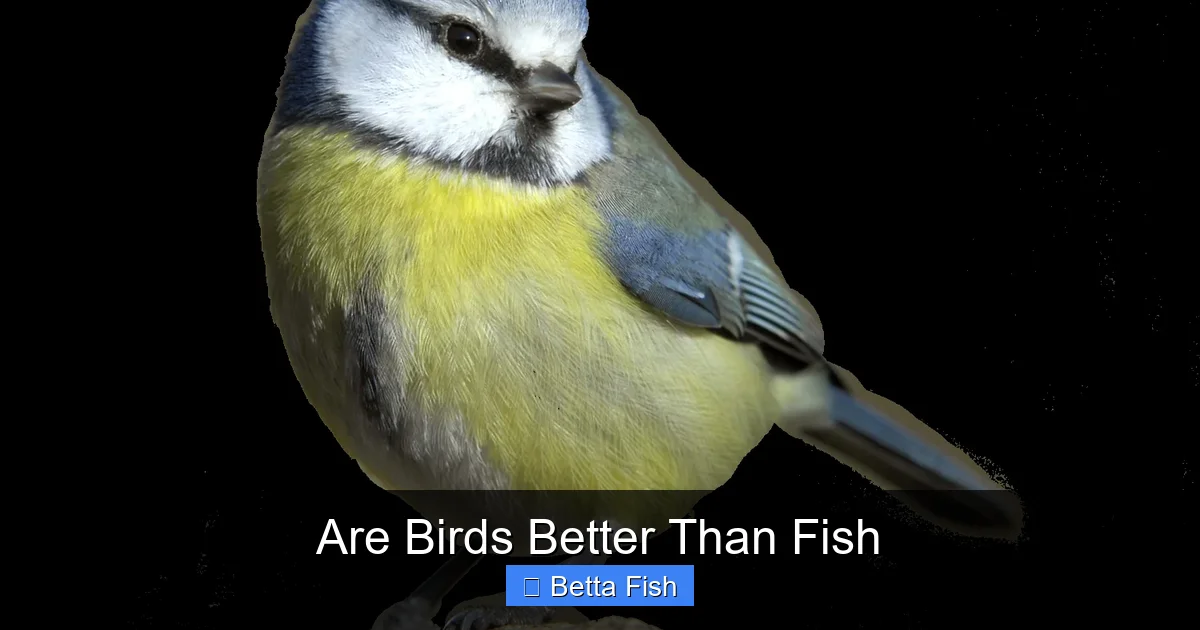
Many birds are social learners. Budgies can learn to say “hello,” and African Greys can mimic entire phrases. They enjoy toys, swings, and puzzles that stimulate their intelligence.
Visual guide about Are Birds Better Than Fish
Image source: pngimg.com
Calm Observation
Fish offer a different type of interaction: visual serenity. Watching a betta flare its fins or a school of neon tetras dart around can reduce stress and improve focus. They don’t demand attention, but they reward it with graceful movement.
Practical Tip
If you want a pet that talks back, birds win. If you prefer a low‑key companion that doubles as a living artwork, fish are the better choice.
3. Care and Maintenance – How Much Time Do You Have?
Daily Bird Duties
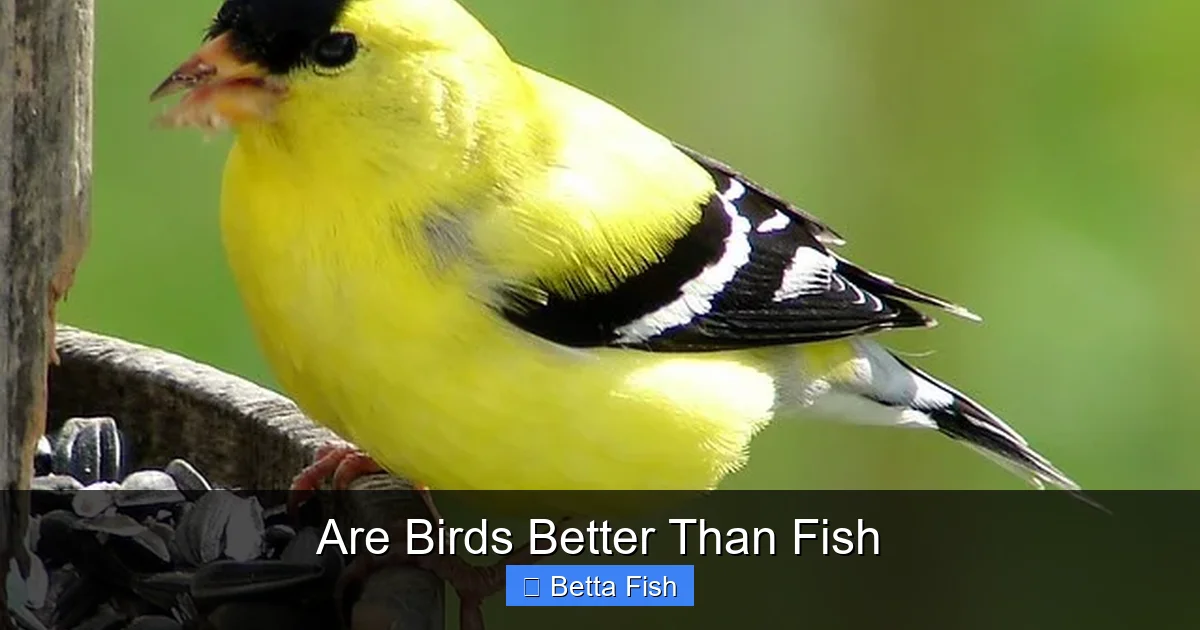
Birds need fresh water and food every day, plus cage cleaning at least once a week. They also require mental enrichment—new toys, foraging puzzles, and out‑of‑cage time to prevent boredom.
Visual guide about Are Birds Better Than Fish
Image source: farm1.staticflickr.com
Fish Tank Upkeep
A well‑cycled tank can go weeks without a water change, but regular partial changes (10‑20% weekly) keep nitrate levels low. Filters need cleaning, and you’ll test pH, ammonia, and temperature regularly.
Linking Example
For those curious about tank health, our guide on What Are Betta Fish explains why stable water is crucial for vibrant colors.
Practical Tip
Choose birds if you enjoy a routine of feeding and play. Choose fish if you like periodic maintenance but don’t need daily interaction.
4. Cost Over Time – Budgeting for Your New Friend
Initial Investment
Setting up a bird’s home includes a cage, perches, toys, and a starter diet—often $100‑$200. A starter aquarium with filter, heater, and décor can cost $150‑$300.
Ongoing Expenses
Bird seed or pellets run $10‑$30 per month, plus occasional vet visits. Fish food is cheaper (a few dollars a month), but water conditioners, test kits, and filter media add up.
Practical Tip
Calculate a 12‑month budget before deciding. If you have a tight budget, a single betta in a modest tank may be more affordable than a large cage with multiple toys.
5. Health, Safety, and Allergies – What to Watch Out For
Allergies to Feathers
Feather dust can trigger sneezing and asthma in sensitive people. Regular cage cleaning reduces dust, but the risk remains.
Fish‑Related Risks
Fish are generally hypoallergenic, but poorly maintained tanks can harbor harmful bacteria. Proper filtration and regular water changes keep the environment safe.
Linking Example
If you’re exploring supplements for health, you might wonder about fish oil alternatives. Check out Is Krill Better Than Fish Oil for a deeper dive.
6. Environmental Impact – Being a Responsible Pet Owner
Sourcing Birds
Many pet birds are captive‑bred, but some are still captured from the wild, which can harm ecosystems. Look for reputable breeders who follow humane practices.
Fish Trade Concerns
Wild‑caught ornamental fish can contribute to habitat loss. Opt for tank‑raised or sustainably sourced species. Betta fish, for example, are now widely bred in labs, reducing pressure on wild populations.
Practical Tip
Research the origin of any animal before purchase. A responsible choice helps protect biodiversity.
Conclusion: Making the Choice That Fits You
So, are birds better than fish? The short answer is “it depends.” If you crave vocal interaction, can provide vertical space, and enjoy daily play, birds may be the better fit. If you prefer a tranquil, low‑maintenance display that fits into a smaller footprint, fish could win the day.
Consider your living situation, time commitment, budget, and any health concerns. Both birds and fish bring beauty, wonder, and a touch of the wild into your home. Whichever you choose, give it love, proper care, and a commitment to its wellbeing, and you’ll reap countless happy moments.
Frequently Asked Questions
Do birds require more space than fish?
Yes. Birds need vertical room for wing movement and a cage that allows flight, while fish need horizontal tank space proportional to their size.
Which pet is quieter, a bird or a fish?
Fish are silent, making them ideal for quiet environments. Some birds can be noisy, especially parrots and cockatiels, though many small species are relatively quiet.
Are fish easier to care for than birds?
Fish generally need less daily interaction but require regular water testing and tank maintenance. Birds need daily feeding, cleaning, and mental stimulation.
Can I keep a bird and a fish together?
It’s not recommended. Birds may see fish as prey, and fish can be stressed by the bird’s activity above the tank.
How do costs compare over a year?
Both can be affordable, but birds often have higher ongoing costs for food, toys, and vet visits, while fish costs focus on water treatments and occasional tank upgrades.
What’s the lifespan difference?
Many small birds live 5‑10 years, while larger parrots can live 30‑50 years. Most pet fish live 2‑5 years, though some species like koi can live decades with proper care.