Should You Have a Filter for My Betta Fish
Yes, you should have a filter for your betta fish. A betta fish filter keeps the water clean, removes harmful toxins, and supports a longer, healthier life. Even though bettas can survive in small or unfiltered tanks, adding a gentle filter dramatically improves their water quality and overall well-being.
You love your betta fish. You want the best for them. But one question keeps coming up: should you have a filter for my betta fish? The short answer is yes. But the full answer is more interesting than you might think.
Many new betta owners wonder whether a betta fish filter is really necessary. After all, bettas are hardy fish. They survive in small bowls and unfiltered tanks in pet stores. But surviving is not the same as thriving. A good aquarium filter changes everything for your betta. It keeps the water clean, removes dangerous chemicals, and creates a much healthier environment.
In this guide, we will walk through everything you need to know about filters for betta fish. We will cover why filters matter, which types work best, and how to set one up the right way. Whether you are a complete beginner or a seasoned fish keeper, you will find practical advice here. Let us dive in.
Key Takeaways
- Betta fish benefit greatly from a filter: Clean water reduces stress and prevents disease.
- Not all filters work for bettas: Gentle flow is essential to avoid stressing your fish.
- Sponge filters are the top choice: They provide effective filtration without strong water currents.
- You can keep a betta without a filter, but it requires much more frequent water changes.
- Filter maintenance matters: Regular cleaning ensures your filter works properly.
- A filter extends your betta’s lifespan: Clean water supports better health and longevity.
- Pair your filter with proper tank setup: The right habitat makes a big difference.
📑 Table of Contents
Why Betta Fish Need Clean Water
Betta fish may look tough, but they are sensitive to water quality. In the wild, bettas live in warm, slow-moving waters in Southeast Asia. Their natural habitat has clean, oxygen-rich water. When you keep a betta in a tank, you are responsible for recreating those conditions.
Without a filter, waste builds up fast. Fish produce ammonia through their waste and gills. Ammonia is toxic even in small amounts. Over time, it turns into nitrite and then nitrate. These chemicals damage your betta’s gills, skin, and organs. The result is stress, illness, and a shorter life.
Water quality for betta fish is one of the most important parts of betta fish care. A filter helps cycle the water naturally. It hosts beneficial bacteria that break down harmful substances. This means less work for you and a safer home for your fish.
What Happens Without a Filter
Can a betta live without a filter? Technically, yes. But it comes with serious risks. Without filtration, you must change the water almost every day. Even then, toxins can spike between changes. Your betta may seem fine at first, but long-term exposure to poor water leads to health problems.
Common issues from unfiltered tanks include:
- Fin rot and bacterial infections
- Stress from dirty water
- Reduced appetite and lethargy
- Shorter lifespan compared to filtered tanks
- Cloudy water and algae blooms
If you want to keep your betta healthy for years, a filter for betta fish tank is one of the smartest investments you can make.
Do Betta Fish Really Need a Filter?
This is the question most betta owners ask. The answer depends on your setup. A betta in a tiny bowl with no filter needs constant attention. A betta in a well-planted 5-gallon tank with a gentle filter will do much better.
Let us be clear. Should you have a filter for my betta fish? In most cases, absolutely. A filter does three important jobs:
- Mechanical filtration: It traps debris like food particles and waste.
- Biological filtration: It grows helpful bacteria that process toxins.
- Chemical filtration: It removes dissolved impurities and odors.
Together, these three types of filtration keep your tank stable. Stability is the key to a happy betta. Fish that live in stable water are less stressed and more active.
Now, some people keep bettas in bowls or vases without any filtration. This is possible, but it is not ideal. You would need to perform daily water changes of at least 50 percent. Most people do not have time for that. A filter makes your life easier and your betta’s life better.
If you are curious about keeping a betta without a filter, you can read more about can my betta fish live without a filter to understand the full picture.
Best Filter Types for Betta Fish
Not all filters are created equal. Some are too strong for a betta. Others work perfectly. Let us look at the best options for a betta fish tank.
Sponge Filters
Sponge filters are the gold standard for bettas. They are gentle, effective, and affordable. A sponge filter sits inside the tank and pulls water through a porous sponge. Beneficial bacteria grow on the sponge, providing excellent biological filtration.
Here is why sponge filters are great for bettas:
- Very gentle flow: Your betta will not struggle against the current.
- Affordable: They cost just a few dollars.
- Easy to clean: Just rinse the sponge in tank water during water changes.
- Quiet: No loud humming or buzzing.
- Safe: No small parts that could harm your fish.
Sponge filters work best in tanks from 5 to 20 gallons. They are the top choice for most betta keepers.
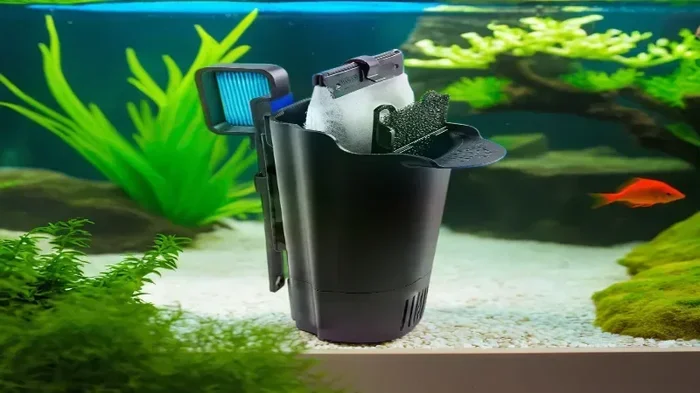
Hang-On-Back Filters
Hang-on-back, or HOB, filters hang on the edge of the tank. They pull water up, filter it, and return it to the tank. HOB filters are powerful and efficient. But they can create strong currents that bother bettas.
If you want to use an HOB filter, look for one with an adjustable flow rate. You can turn it down so the water returns gently. Some keepers even baffle the output with a sponge or filter floss. This softens the flow even more.
For more guidance on choosing the right one, check out our article on a good filter for betta fish.
Internal Filters
Internal filters sit inside the tank, usually attached to the back wall. They are compact and easy to install. Many internal filters come with adjustable flow settings. They work well in smaller tanks where HOB filters might be too big.
The downside is that they take up some swimming space. For a betta in a 5-gallon tank, every inch counts. Choose a slim model if you go this route.
Filter Comparison Table
| Filter Type | Flow Strength | Best For | Price Range |
|---|---|---|---|
| Sponge Filter | Very Gentle | Small to medium betta tanks | $5 – $15 |
| Hang-On-Back Filter | Medium to Strong | Larger tanks (10+ gallons) | $15 – $40 |
| Internal Filter | Gentle to Medium | Small tanks (3-10 gallons) | $10 – $25 |
How to Choose the Right Filter for Your Betta
Picking the right filter is not just about the type. You also need to consider your tank size, your betta’s personality, and your maintenance routine.
Here are the key factors to think about:
- Tank size: A filter rated for your tank size or slightly larger works best. Undersized filters will not clean the water effectively.
- Flow rate: Look for a filter that turns over the tank volume 4 times per hour. For a 5-gallon tank, that is 20 gallons per hour. Adjust down if your betta seems stressed by the current.
- Bettas with long fins: Fancy bettas like crown tails and halfmoons struggle with strong flow. A sponge filter is ideal for them.
- Your time commitment: If you do not want to do daily water changes, a filter is a must.
- Noise level: Some filters hum or bubble loudly. If you keep your betta in a bedroom, choose a quiet model.
Remember, the goal is clean water without stressing your fish. A gentle filter for betta achieves both goals.
Setting Up Your Filter for a Betta Tank
Setting up a filter is simple, but doing it the right way makes a big difference. Follow these steps for a smooth setup.
Step 1: Rinse the filter media. Before you add the filter to your tank, rinse the sponge or cartridge in dechlorinated water. This removes dust and debris from manufacturing.
Step 2: Install the filter. Place the filter according to the manufacturer’s instructions. Sponge filters go near the bottom of the tank. HOB filters attach to the back edge. Internal filters sit flat against the glass.
Step 3: Prime the filter. If your filter needs priming, follow the instructions to start the water flow. Most sponge filters just need to be connected to an air pump.
Step 4: Adjust the flow. Turn the flow rate down if your betta seems uncomfortable. A betta that is constantly fighting the current will become stressed. Watch your fish for the first few hours after setup.
Step 5: Let the filter run. Your filter needs time to establish beneficial bacteria. This process is called cycling. Wait at least 24 to 48 hours before adding your betta to the tank.
For a complete guide on setting up a betta tank, check out our article on what all do you need for a betta fish tank.
Common Mistakes Bettas Owners Make With Filters
Even experienced fish keepers make mistakes. Here are the most common ones when it comes to filters and betta fish.
Choosing a Filter That Is Too Strong
This is the number one mistake. A powerful filter creates a current that is too strong for a betta. Your fish will look like it is constantly swimming to stay in place. Over time, this causes stress and exhaustion. Always choose a filter you can adjust or one that is inherently gentle.
Skipping Filter Maintenance
A dirty filter does not work well. Rinse your filter media in old tank water every 2 to 4 weeks. Never use tap water, because the chlorine will kill the beneficial bacteria your filter depends on.
Replacing All Filter Media at Once
Your filter media holds the good bacteria that keep your tank safe. If you replace everything at once, you reset the cycle. This can cause ammonia spikes that harm your betta. Replace only a portion of the media at a time.
Forgetting to Cycle the Tank
Adding a betta to an uncycled tank is dangerous. The filter needs time to build up beneficial bacteria before the fish arrives. Always cycle your tank first. This process takes 2 to 6 weeks but it is worth the wait.
Final Thoughts
So, should you have a filter for your betta fish? The answer is a clear yes. A filter for betta fish is one of the simplest and most effective ways to improve your fish’s quality of life. It keeps the water clean, reduces toxins, and supports a healthy environment.
Your betta does not need a fancy or expensive filter. A simple sponge filter does an excellent job for most setups. What matters most is that the filter is gentle enough for your betta and maintained properly.
Remember, a clean tank is a happy tank. And a happy betta is a fish that will show off its beautiful colors and playful personality for years to come. Take the time to choose the right filter, set it up correctly, and enjoy the rewards of a well-maintained aquarium.
If you want to learn more about how to care for your betta fish overall, you can explore our guide on how do you care for a betta fish for more tips and advice.
Your betta deserves the best. Start with a good filter and watch your fish thrive.
Frequently Asked Questions
Can a betta fish live without a filter?
Yes, a betta can survive without a filter, but it requires very frequent water changes and close monitoring of water parameters. Without filtration, toxins like ammonia can build up quickly, which stresses your fish and shortens its lifespan. A filter makes the job much easier and keeps the water consistently clean.
What type of filter is best for a betta fish?
A sponge filter is the best choice for most betta tanks. It provides gentle filtration with a very soft flow that bettas are comfortable with. Sponge filters are affordable, quiet, and easy to maintain. They also host beneficial bacteria that help keep the tank cycled and safe.
Can a filter be too strong for a betta fish?
Yes, a filter with too strong a flow can stress and exhaust a betta. Betta fish are not strong swimmers, especially fancy varieties with long fins. If the current forces your betta to struggle to stay in place, the filter is too powerful. Always choose a filter with an adjustable flow rate.
How often should you clean a betta fish filter?
Rinse your filter media every 2 to 4 weeks in old tank water. Never use tap water because chlorine kills beneficial bacteria. Replace filter cartridges or media gradually, not all at once, to preserve the bacterial colony that keeps your tank healthy.
Do betta fish need a heater and filter together?
Betta fish need both a heater and a filter for optimal health. Bettas are tropical fish that require warm water between 76 and 82 degrees Fahrenheit. A heater maintains the temperature while a filter keeps the water clean. Together, they create a stable environment that supports a long and healthy life.
How long does it take to cycle a tank with a filter?
Cycling a tank with a filter typically takes 2 to 6 weeks. During this time, beneficial bacteria colonize the filter media and break down harmful ammonia and nitrite. Test the water regularly during cycling. Once ammonia and nitrite levels read zero, your tank is ready for your betta fish.