Should I Remove the Bioballs from My Betta Fish Aquarium
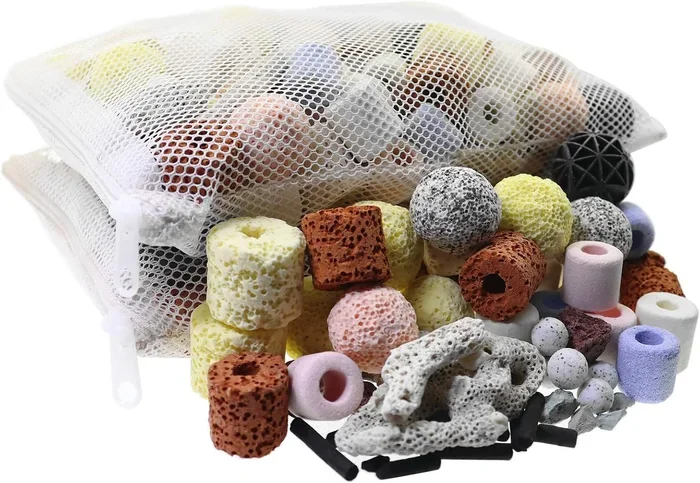
Bioballs help good bacteria grow in your betta tank, but they may not be essential for every setup. Removing them depends on your filter type, tank size, and maintenance routine. This guide shows you when to keep bioballs and when it is better to remove them for a healthier betta fish aquarium.
This is a comprehensive guide about should i remove the bioballs from my betta fish aquarium.
Key Takeaways
- Bioballs support beneficial bacteria: They provide surface area for good bacteria that break down toxins in your tank.
- Not always necessary: Small betta tanks may not need bioballs at all, especially with modern filter media options.
- Maintenance matters: Dirty bioballs can worsen water quality if not cleaned or replaced regularly.
- Consider alternatives: Sponge filters, ceramic rings, and biofilter media can replace bioballs effectively.
- Your tank size decides: Larger tanks benefit more from bioballs than small bowls or vases.
- Watch for clogging: Debris buildup on bioballs reduces their effectiveness over time.
- Feeding habits affect bioball need: Overfeeding creates more waste, which may require more or fewer bioballs.
[FEATURED_IMAGE_PLACEHOLDER]
Should I Remove the Bioballs from My Betta Fish Aquarium
You have probably seen those little plastic balls inside your filter and wondered if they actually do anything. The truth is, bioballs play a specific role in your betta fish aquarium. But whether you should keep them or toss them out depends on several factors. Let us break it all down in simple terms.
Many betta fish owners face this question at some point. You might have read conflicting advice online or heard stories from fellow hobbyists. Some say bioballs are essential. Others claim they do more harm than good. The real answer lies somewhere in the middle, and this article will help you find it.
By the end of this guide, you will know exactly what bioballs do, when to keep them, and when to remove them. You will also learn about better alternatives that might work even better for your setup. Let us dive in.
What Are Bioballs and What Do They Do
Bioballs are small, hollow plastic spheres designed to maximize surface area inside your filter. Their textured surface gives beneficial bacteria a place to live and thrive. These bacteria are the backbone of your tank’s biological filtration system.
Here is how it works. Harmful toxins like ammonia and nitrite build up from fish waste and leftover food. Beneficial bacteria convert these toxins into less harmful substances. Bioballs provide the perfect home for these bacteria to colonize and do their job.
How Bioballs Support the Nitrogen Cycle
The nitrogen cycle is the natural process that keeps your tank water safe. It has three main stages:
- Ammonia builds up from fish waste and decomposing food.
- Nitrite is produced as ammonia gets converted by the first group of bacteria.
- Nitrate forms when nitrite-eating bacteria do their work.
Bioballs help by hosting the bacteria responsible for the first two stages. Without enough surface area for these bacteria, toxins can build up fast. This is why many aquarists value bioballs as part of their tank maintenance routine.
Common Types of Bioballs
Not all bioballs are the same. Here are the most common types you will find:
- Standard plastic bioballs: Round and hollow with a textured surface. These are the most basic option.
- Biohome Ultimate: Made from sintered glass, these offer even more surface area than plastic.
- Ceramic rings: Porous and dense, they serve a similar purpose to bioballs.
- Sponge filters: Not technically bioballs, but they serve the same biological filtration role.
Each type has its own strengths. The right choice depends on your betta fish care tips and tank setup.
When You Should Keep Bioballs in Your Betta Tank
Sometimes bioballs are a great addition to your filter. Here are the situations where keeping them makes sense.
You Have a Larger Tank
If your betta lives in a tank of 10 gallons or more, bioballs can be very helpful. Larger tanks produce more waste, which means you need more biological filtration. A good colony of bacteria on your bioballs can handle that load with ease.
Small tanks and bowls, on the other hand, may not benefit as much. In a tiny setup, bioballs can actually trap debris and create more work for you. For tanks over 5 gallons, bioballs are generally a safe bet.
Your Filter Needs the Extra Help
Some filters, especially hang-on-back models, come with built-in compartments for biological media. If your filter has a dedicated bioball section, removing them entirely could weaken your filtration. This is especially true if you do not use any other biological media like ceramic rings or sponge.
Also, if you have recently started your tank or are cycling a new one, bioballs can speed up the process. They give bacteria a place to establish quickly, which helps you maintain water quality faster.
You Are Not Overfeeding
Overfeeding is one of the biggest problems in betta tanks. If you feed your betta the right amount, the bioballs in your filter will not get overwhelmed with waste. How much food should you feed? About two to three pellets per feeding, twice a day, is usually enough.
When you avoid overfeeding, your bioballs stay cleaner longer and do their job more effectively. This ties directly into how often you should feed your betta fish and how much waste your tank produces.
When You Should Remove Bioballs
Now let us look at the other side. There are clear situations where removing bioballs is the better choice for your betta’s health.
Your Tank Is Very Small
If your betta lives in a bowl or a tank under 5 gallons, bioballs might take up too much space. In small setups, every inch of space matters. Plus, small tanks have less stable water parameters, and bioballs can sometimes trap debris that fouls the water faster.
For small betta tanks, a simple sponge filter often works better than a bioball-filled filter. The sponge provides both mechanical and biological filtration without taking up extra room.
The Bioballs Are Clogged and Dirty
Over time, bioballs can accumulate gunk from uneaten food, fish waste, and algae. When they get clogged, they stop working properly. Worse, they can release trapped toxins back into the water when disturbed.
If you notice your bioballs turning brown or black, it is time to either clean them or remove them. To clean bioballs, rinse them gently in tank water (never tap water, as chlorine kills beneficial bacteria). If they are too far gone, replacing them is the best option.
You Use a Sponge Filter Instead
Sponge filters have become increasingly popular for betta tanks. They are gentle, effective, and easy to maintain. If you already run a sponge filter, you might not need bioballs at all. The sponge provides plenty of surface area for beneficial bacteria to colonize.
Many betta keepers prefer sponge filters because they create a soft current that bettas love. Plus, they are very affordable and simple to clean. You can learn more about whether filters are necessary for bettas in our guide on should I use a filter for my betta fish.
You Want to Simplify Maintenance
Let us be honest. Bioballs require extra maintenance. They need regular rinsing, and they can be a hassle to deal with during water changes. If you want a low-maintenance setup for your betta, removing bioballs and switching to a simpler filter media can save you time and effort.
Less maintenance also means fewer chances to accidentally disrupt your bacteria colony. That is a win for both you and your fish.
Bioballs vs. Alternative Filter Media for Betta Tanks
Not sure if bioballs are right for your setup? Let us compare them to some popular alternatives. The table below breaks down the key differences.
| Media Type | Surface Area | Ease of Cleaning | Best For |
|---|---|---|---|
| Bioballs | Moderate | Moderate | Larger tanks with hang-on filters |
| Sponge Filter | High | Easy | Small to medium betta tanks |
| Ceramic Rings | Very High | Moderate | All tank sizes |
| Biohome Ultimate | Very High | Easy | Medium to large tanks |
| Filter Floss | Low | Very Easy | Mechanical filtration only |
As you can see, each option has its strengths. Sponge filters and ceramic rings are often better choices for betta tanks because they offer high surface area with easy maintenance. If you want to learn more about using different media, check out our article on can I use a filter with my betta fish for more practical advice.
Which Alternative Works Best for Bettas
Most betta experts agree that sponge filters are the gold standard for betta tanks. They are gentle enough not to create strong currents, they house beneficial bacteria effectively, and they are incredibly easy to maintain. If you are unsure what to use, a sponge filter is a safe and reliable choice.
Ceramic rings are another excellent option. They offer even more surface area than bioballs and are easier to clean. Many experienced aquarists use ceramic rings as their primary biological media and skip bioballs entirely.
How to Properly Maintain Your Bioballs (If You Keep Them)
If you decide to keep bioballs in your betta fish aquarium, proper maintenance is key. Here is how to care for them the right way.
- Rinse them monthly. Take the bioballs out during a water change and rinse them gently in old tank water. Never use tap water or soap.
- Do not replace them all at once. Replace only half at a time to preserve your bacteria colony. Removing all bioballs at once can crash your nitrogen cycle.
- Check for cracks and damage. Broken bioballs can trap debris and release it back into the water. Replace damaged ones promptly.
- Monitor water parameters. Use a test kit to check ammonia, nitrite, and nitrate levels regularly. This tells you if your bioballs are doing their job.
- Avoid overfeeding. Excess food decomposes quickly and clogs bioballs faster. Feed your betta small amounts twice a day and remove any uneaten food after five minutes.
Following these steps keeps your bioballs working efficiently and your tank water clean. If you ever notice cloudy water or rising ammonia levels, it might be time to clean or replace your bioballs.
Common Mistakes Bettas Owners Make with Bioballs
Even experienced fish keepers make mistakes with bioballs. Here are the most common ones to avoid.
- Never rinsing bioballs: Dirty bioballs lose their effectiveness and can release toxins back into the water.
- Using tap water to clean them: Chlorine and chloramine in tap water kill beneficial bacteria on the bioballs.
- Overcrowding the filter with too many bioballs: This restricts water flow and reduces mechanical filtration.
- Ignoring the nitrogen cycle: Bioballs alone do not cycle a tank. You still need to establish bacteria colonies properly.
- Assuming bioballs replace water changes: No filter media replaces regular water changes. You still need to change 25% of your tank water every one to two weeks.
Avoiding these mistakes keeps your betta healthy and your tank running smoothly. If you are new to betta keeping, you might also want to read about how often should I feed my betta fish to avoid overfeeding, which directly impacts your filter media.
Expert Insights on Bioballs in Betta Tanks
Many aquarium experts agree that bioballs are not essential for every betta tank. The trend in recent years has shifted toward sponge filters and ceramic media, which are simpler and more effective for small tanks. However, bioballs still have a place in larger setups with hang-on filters.
Dr. Jessie Sanders, a certified aquatic veterinarian, often emphasizes that biological filtration depends more on the overall surface area available for bacteria than on the specific type of media used. This means whether you use bioballs, ceramic rings, or sponges, the key is providing enough surface area for beneficial bacteria to thrive.
The takeaway? Do not stress too much about whether you use bioballs or not. Focus on maintaining good water quality through regular testing, proper feeding, and consistent maintenance. Your betta will thank you for it.
Final Verdict: Should You Remove Bioballs from Your Betta Tank
So, should you remove the bioballs from your betta fish aquarium? The honest answer is: it depends.
If you have a large tank, a hang-on filter, and you keep up with maintenance, bioballs can be a helpful part of your setup. If you have a small tank, a sponge filter, or you want a simpler routine, removing them and switching to alternative media is a smart move.
The most important thing is to keep your water parameters stable and your tank clean. Whether you use bioballs, ceramic rings, or a sponge filter, the goal is the same: a healthy, happy betta fish living in clean, safe water.
Take a close look at your current setup. Consider your tank size, your filter type, and your maintenance habits. Then make the choice that works best for you and your betta. You have got this.
Frequently Asked Questions
Can bioballs harm my betta fish?
Bioballs themselves are not harmful. However, dirty or clogged bioballs can release toxins back into the water, which can stress or harm your betta. Regular cleaning prevents this problem and keeps your tank water safe.
How often should I replace my bioballs?
You do not need to replace bioballs frequently. Every six to twelve months is usually enough, but only replace them if they are cracked, discolored, or no longer effective. Replace only half at a time to protect your bacteria colony.
Are bioballs necessary for a betta fish tank
No, bioballs are not strictly necessary. Sponge filters and ceramic rings can provide the same biological filtration benefits, often with less maintenance. Many betta keepers successfully use alternative media without any issues.
Can I use bioballs in a betta bowl
It is not recommended. Small bowls do not have enough space for bioballs to work effectively, and they can trap debris quickly. A small sponge filter is a much better choice for bowls under 5 gallons.
Do bioballs help with ammonia levels in betta tanks
Yes, bioballs help by hosting beneficial bacteria that convert ammonia into less harmful substances. However, they work best as part of a balanced system with regular water changes and proper feeding habits.
What is the best biological filter media for betta fish
Sponge filters and ceramic rings are widely considered the best biological media for betta tanks. They offer high surface area, are easy to clean, and work well in small to medium tanks without creating strong currents.
Frequently Asked Questions
What is should i remove the bioballs from my betta fish aquarium?
should i remove the bioballs from my betta fish aquarium is an important topic with many practical applications.