Should I Leave Betta Fish Heater on All the Time
Yes, you should leave your betta fish heater on all the time. Betta fish need a steady warm temperature between 76°F and 82°F to stay healthy. Turning the heater off can cause dangerous temperature swings that stress your fish and lead to illness.
Keeping a betta fish is rewarding, but it comes with responsibilities. One of the biggest questions new betta owners ask is whether they should leave the heater on all the time. The short answer is yes. But there is a lot more to know about keeping your betta warm and healthy.
Betta fish come from the warm, slow-moving waters of Southeast Asia. They have adapted to tropical conditions where the temperature stays fairly consistent. When you keep a betta in a home aquarium, you need to recreate that stable environment. A heater plays a big role in doing that. In this guide, we will walk through everything you need to know about running your betta fish heater around the clock.
Key Takeaways
- Constant warmth is essential: Betta fish are tropical and need stable temperatures 24/7.
- Ideal range is 76–82°F: This keeps your betta comfortable and immune to disease.
- Use a thermostat heater: It automatically turns on and off to maintain the right temperature.
- Never skip the heater at night: Room temperature drops can harm your betta while you sleep.
- Watch for signs of temperature stress: Lethargy, hiding, and loss of appetite are warning signs.
- Check your heater regularly: A broken heater can overheat or underheat the tank.
📑 Table of Contents
- Why Betta Fish Need a Heater All the Time
- What Temperature Should You Set Your Betta Heater To?
- Types of Heaters for Betta Fish Tanks
- Can You Leave a Betta Fish Tank Light On With the Heater?
- Common Mistakes With Betta Fish Heaters
- Signs Your Betta Is Too Cold
- Quick Tips for Betta Heater Safety
- What If the Power Goes Out?
- Final Thoughts
Why Betta Fish Need a Heater All the Time
Betta fish are tropical creatures. They thrive in warm water and cannot handle sudden temperature changes. Here is why keeping the heater on is so important.
Tropical Fish Need Tropical Temperatures
In the wild, bettas live in warm ponds and rice paddies. The water temperature rarely drops below 75°F, even at night. When you bring a betta into your home, the tank becomes its entire world. If the water gets too cold, your fish will struggle to stay healthy.
Room temperature in most homes is around 68°F to 72°F. That is too cold for a betta. Without a heater running constantly, the water temperature will drop to dangerous levels. This can weaken your fish’s immune system and make it sick.
Temperature Stability Matters More Than Exact Numbers
It is not just about keeping the water warm. It is about keeping it stable. A heater that stays on maintains a consistent temperature. When you turn the heater off, the water cools down. Then when you turn it back on, the water heats up. These swings stress your betta fish more than a slightly cool tank would.
Think of it like this. Imagine you are sleeping in a room where the temperature drops every few hours and then spikes back up. You would not sleep well. Your body would stay on edge. That is exactly what happens to your betta when the temperature fluctuates.
Cold Water Leads to Serious Health Problems
When betta fish are exposed to cold water for too long, they develop a condition called betta fish cold stress. Symptoms include lethargy, loss of appetite, and clamped fins. Over time, cold water can lead to more severe issues like ich, a parasitic infection that shows up as white spots on the fish’s body.
If your betta is constantly cold, it may start laying on the bottom of the tank or hiding behind decorations. These are signs that something is wrong with the water temperature.
What Temperature Should You Set Your Betta Heater To?
Now that you know the heater should stay on, the next question is what temperature to set it at. The ideal range for betta fish is between 76°F and 82°F. Let us break this down.
The Sweet Spot: 78°F to 80°F
Most experts agree that 78°F to 80°F is the perfect temperature range for betta fish. At this range, your fish will be active, eat well, and display vibrant colors. The immune system works best in this zone, too.
Can You Go Higher or Lower?
Slightly below 76°F is risky. The fish becomes sluggish and more prone to illness. Above 82°F can also cause problems. Warm water holds less oxygen, which can make it hard for your betta to breathe. High temperatures also increase the chance of algae growth in the tank.
If you notice your betta staying near the heater all the time, the water might be too cold. On the flip side, if your fish is gasping at the surface, the water could be too warm.
Use a Thermometer to Monitor
A good aquarium thermometer is essential. You should check the temperature at least once a day. Digital thermometers give you fast and accurate readings. Stick-on thermometers are affordable but less precise. Whatever type you use, make it part of your daily routine.
Types of Heaters for Betta Fish Tanks
Not all heaters are the same. Choosing the right one for your betta tank makes a big difference. Here are the most common types.
Submersible Heaters
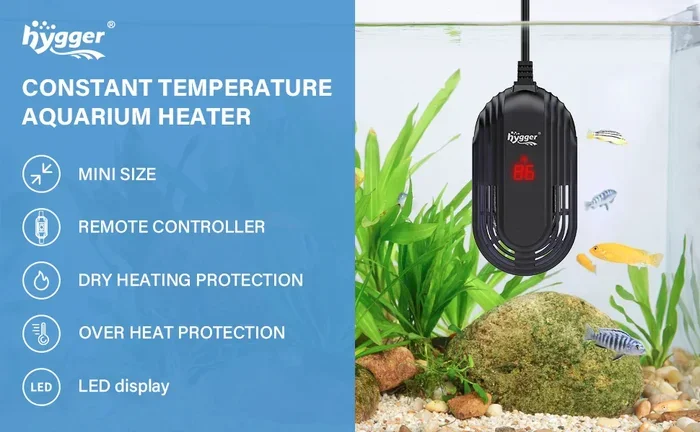
Submersible heaters sit fully underwater inside the tank. They are the most popular choice for betta tanks. These heaters are easy to install and usually come with a built-in thermostat. The thermostat turns the heater off when the water reaches the set temperature and turns it back on when it drops.
Look for a submersible heater with a thermostat that is adjustable. This gives you control over the exact temperature. A 25-watt heater works well for tanks up to 10 gallons, which is the most common size for betta fish.
Hang-On-Back Heaters
These heaters hang on the back rim of the tank. They are less common for betta tanks because they are designed for larger aquariums. They can also be less precise in small tanks. For a betta setup, a submersible heater is usually the better choice.
In-Line Heaters
In-line heaters attach to the external filter tubing. They heat the water as it passes through. These are more common in larger setups and are usually overkill for a single betta tank. They are also more expensive.
Can You Leave a Betta Fish Tank Light On With the Heater?
This is a common question among betta owners. The heater and the light serve different purposes. The heater maintains water temperature. The light provides visibility and supports any live plants in the tank.
You can leave the tank light on at the same time as the heater. However, betta fish need a day and night cycle. Keeping the light on 24/7 can disrupt their sleep patterns. Most owners keep the light on for 8 to 12 hours a day and turn it off at night. The heater continues to run regardless of the light.
If you are wondering about the light, you can read our article on Can You Leave A Betta Fish Tank Light On for more details.
Common Mistakes With Betta Fish Heaters
Even with the best intentions, betta owners make mistakes with their heaters. Here are the most common ones and how to avoid them.
Not Using a Heater At All
Some owners think betta fish can live without a heater because they are hardy fish. While bettas can survive in cooler water for a short time, they will not thrive. Over weeks and months, the lack of warmth will weaken their health. Always use a heater in a betta tank.
Using the Wrong Size Heater
A heater that is too small will struggle to maintain the right temperature. A heater that is too large can overheat the tank. For a 5-gallon to 10-gallon betta tank, a 25-watt heater is usually perfect. For tanks larger than 10 gallons, you may need a 50-watt heater.
Placing the Heater in the Wrong Spot
Do not place the heater right next to the filter output. The flowing water can trick the thermostat into thinking the tank is cooler than it actually is. This causes the heater to run constantly and potentially overheat the water. Place the heater near the filter intake so the water circulates around it evenly.
Ignoring a Broken Heater
Heaters can fail over time. A malfunctioning heater might not heat the water at all, or it might heat it too much. Check your heater regularly for signs of damage like cracks, discoloration, or irregular behavior. If the heater stops working, replace it right away.
Signs Your Betta Is Too Cold
Knowing the warning signs of a too-cold tank helps you act fast. Here is what to watch for.
- Lethargy: Your betta moves slowly and stays in one spot.
- Hiding: The fish hides behind decorations or under plants more than usual.
- Loss of appetite: Your betta refuses food or eats very little.
- Clamped fins: The fins stay closed against the body instead of being spread out.
- Laying on the bottom: The fish rests on the gravel or substrate for long periods.
- Fading colors: The vibrant colors of the betta look dull or faded.
If you notice any of these signs, check the water temperature first. Adjust the heater and monitor the tank closely. If the symptoms continue, consider testing the water for other issues. You can also read about why bettas lay on the bottom of the tank for more possible causes.
Quick Tips for Betta Heater Safety
Follow these simple tips to keep your heater running safely and efficiently.
- Unplug the heater before removing it from the water. This prevents cracking from sudden temperature changes.
- Let the heater acclimate before plugging it in. Place the heater in the tank 15 to 20 minutes before turning it on so it adjusts to the water temperature.
- Use a heater guard. A plastic cover around the heater protects your betta from direct contact with the hot glass.
- Do not touch the heater while it is on. The glass gets very hot and can burn you or crack if bumped.
- Clean the heater monthly. Algae buildup on the heater reduces its efficiency. Gently wipe it down during water changes.
- Pair the heater with a thermometer. Always verify the heater is working correctly by checking the actual water temperature.
What If the Power Goes Out?
Power outages happen. When they do, your heater stops working and the water starts to cool. In the winter, this can be a real problem. Here is what you can do.
First, insulate the tank. Wrap a towel or blanket around the outside of the tank to hold in heat. Avoid covering the top completely, as your betta needs air exchange. A small tank cools down faster than a large one, so be extra careful with smaller setups.
If the outage lasts more than a few hours, you may need to add warm water to the tank. Boil water, let it cool to room temperature, and add small amounts gradually. Never add hot water directly. Monitor the temperature closely as you do this.
For more tips on caring for your betta during extended absences, check out our guide on Can I Leave A Betta Fish For 2 Days.
Final Thoughts
So, should you leave your betta fish heater on all the time? Absolutely. Betta fish are tropical animals that depend on warm, stable water to stay healthy. A good heater running 24/7 gives your betta the consistent environment it needs to thrive.
Set your heater between 76°F and 82°F, ideally around 78°F to 80°F. Use a reliable submersible heater with a built-in thermostat. Monitor the temperature daily with a thermometer. Watch for signs of temperature stress and act quickly if something seems off.
Taking care of a betta fish heater is one of the simplest but most important parts of betta fish care. Your fish will be more active, more colorful, and less prone to illness when the water stays at the right temperature. Keep that heater running, and your betta will reward you with years of companionship and beauty.
Frequently Asked Questions
Can I turn off my betta fish heater at night?
No, you should not turn off your betta heater at night. Room temperature drops after sunset, and this can cause the water to cool down too much. Betta fish need steady warmth 24 hours a day, including while you sleep. A good heater with a thermostat will handle the on-and-off cycling automatically.
What happens if the water gets too cold for my betta?
Cold water weakens a betta fish’s immune system and makes it vulnerable to diseases like ich and fungal infections. A betta in cold water may become lethargic, stop eating, and hide more than usual. Prolonged exposure to cold water can even be fatal. Always keep the temperature above 76°F.
How can I tell if my heater is working properly?
The easiest way is to check the water temperature with a separate thermometer. If the temperature stays within the 76°F to 82°F range and does not fluctuate much, your heater is working fine. Also, look for signs of physical damage on the heater and make sure the indicator light turns on and off as expected.
Do I need a heater for a very small betta bowl?
Yes, even small bowls need a heater if you want your betta to thrive. However, heating a very small volume of water is tricky because the temperature changes fast. A 5-gallon tank is the minimum recommended size for a betta, and it is much easier to maintain stable temperatures in a larger tank. For more on tank setup, see our guide on What All Do I Need For A Betta Fish Tank.
Can I use a heater meant for a larger tank in my betta setup?
It is not recommended. A heater that is too powerful for a small tank can overheat the water quickly. This creates an unsafe environment for your betta. Always match the heater wattage to your tank size. A 25-watt heater works well for tanks up to 10 gallons, which is perfect for most betta setups.
Why does my betta stay near the heater all the time?
If your betta is constantly hovering near the heater, the water is likely too cold. The fish seeks out the warmest spot in the tank to regulate its body temperature. Check your thermometer and adjust the heater settings upward if needed. You can also read more about this behavior in our article on why bettas stay near the heater.