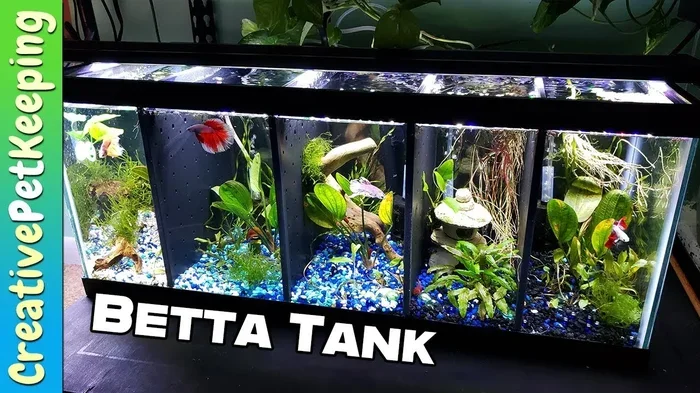
Should I Have a Heater for My Betta Fish
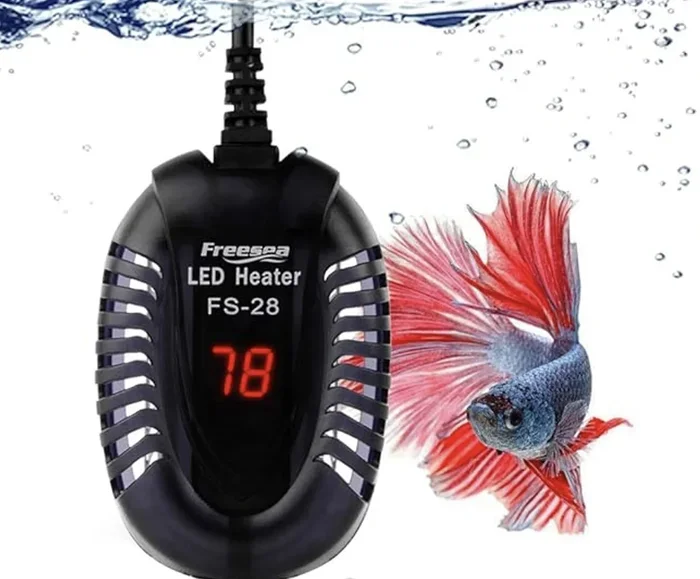
Yes, you absolutely should have a heater for your betta fish — these tropical creatures need a stable water temperature between 76°F and 82°F to stay healthy and active. Without a heater, bettas are at serious risk of stress, illness, and a shortened lifespan, especially in cooler room environments. A reliable aquarium heater is one of the simplest yet most essential investments you can make for your betta’s long-term well-being.
If you own a betta fish, you have probably wondered whether you need a heater for betta fish. The short answer is yes. Betta fish come from warm tropical waters. They need a steady, warm temperature to stay healthy and happy. Without proper heat, your fish can get sick, become sluggish, or worse.
Many new betta owners assume these fish can live in room-temperature water. That is a common mistake. Betta fish are tropical creatures. They thrive in warm environments that mimic their natural habitat. A good heater for betta fish helps you maintain the right conditions every single day.
In this guide, we will cover everything you need to know about heating your betta tank. You will learn the ideal temperature range, why it matters, how to choose the right heater, and common mistakes to avoid. Whether you are a beginner or a seasoned fish keeper, this article will give you practical advice you can use right away.
Key Takeaways
- Bettas need a heater: They thrive in stable 76-80°F water temperatures for optimal health.
- Room temperature is not enough: Most homes stay too cold for bettas to remain healthy.
- Choose an adjustable heater: Precise temperature control prevents stress and keeps your betta comfortable.
- Monitor water temperature daily: Use a thermometer to ensure consistent warmth inside your betta tank.
- Avoid temperature fluctuations: Sudden changes weaken your betta’s immune system and cause serious illness.
- A heater reduces disease risk: Stable warmth boosts immunity and helps bettas fight infections naturally.
📑 Table of Contents
Why Your Betta Fish Needs a Heater
Betta fish are native to the warm rice paddies and slow-moving streams of Southeast Asia. The water there stays consistently warm throughout the year. When you keep a betta in a tank, you are responsible for recreating that warm environment.
Understanding the Betta Fish Natural Habitat
In the wild, bettas live in waters that stay between 76°F and 82°F. The temperature rarely drops suddenly. Rivers and ponds in tropical regions have a stable warmth that these fish depend on. When you bring a betta into your home, you are moving it away from that natural warmth.
Your home is probably cooler than a tropical climate. Even if you feel comfortable, the water in your betta’s tank can drop below what your fish needs. This is especially true during winter or in air-conditioned rooms. A heater for betta fish replaces the natural warmth your fish would have in the wild.
The Risks of Cold Water for Bettas
Cold water can seriously harm your betta. When the temperature drops too low, your fish’s immune system weakens. This makes it much easier for diseases to take hold. Here are some risks of keeping your betta in cold water:
- Increased stress – Cold water makes bettas sluggish and anxious.
- Weakened immune system – Your fish cannot fight off infections easily.
- Fin rot and fungal infections – These are common in cold, stressed fish.
- Reduced appetite – Bettas eat less when the water is too cool.
- Shortened lifespan – Chronic cold exposure can significantly reduce your fish’s life.
Using a heater for betta fish removes all of these risks. It keeps the water stable and safe. You will notice your betta swimming more actively and eating better when the temperature is right.
What Temperature Should a Betta Tank Be?
The ideal temperature for a betta fish tank falls between 76°F and 82°F. This range keeps your fish comfortable, active, and healthy. Staying within this range is not just a suggestion. It is essential for your betta’s well-being.
Ideal Temperature Range for Betta Fish
Most experts agree that 78°F is the sweet spot for betta fish. At this temperature, your fish will be active, curious, and display vibrant colors. Here is a quick look at what happens at different temperatures:
| Temperature | Effect on Betta Fish |
|---|---|
| Below 72°F | Dangerous. Risk of shock and illness. |
| 72°F – 75°F | Too cold. Fish becomes sluggish and stressed. |
| 76°F – 82°F | Ideal range. Fish is active and healthy. |
| 82°F – 86°F | Warm but acceptable. Monitor closely. |
| Above 86°F | Too hot. Risk of oxygen depletion and stress. |
For more details on the perfect temperature, check out our guide on What Temperature Should Water Be For A Betta Fish. It covers temperature nuances in greater depth.
Using a Thermostat for Precision
Not all heaters come with built-in thermostats. If yours does not, consider buying a separate thermostat. This small device attaches to your tank and controls the heater automatically. It turns the heat on and off to maintain a steady temperature.
A thermostat removes the guesswork. You set your desired temperature, and the device handles the rest. This is especially helpful if you live in a climate with big temperature swings. Stable betta tank temperature is one of the most important things you can do for your fish.
Signs Your Betta Is Too Cold
Betta fish cannot tell you when they are uncomfortable. They show signs through their behavior and appearance. Learning to read these signals helps you catch problems early.
Behavioral Changes to Watch For
When a betta is too cold, it will start acting differently. Some common behavioral signs include:
- Staying near the bottom of the tank more than usual
- Moving slowly or barely swimming at all
- Hiding in corners or under decorations
- Refusing to eat or showing zero interest in food
- Lethargy and lack of energy during feeding time
If you notice these signs, check your water temperature right away. A simple aquarium thermometer can tell you exactly what is going on. Do not wait too long. Cold stress can build up quickly and cause serious health problems.
Physical Symptoms of Cold Stress
Beyond behavior, cold water can cause visible physical changes in your betta. Look out for these warning signs:
- Clamped fins – The fish holds its fins close to its body.
- Faded colors – Bright colors dull when the fish is stressed.
- White spots – These can indicate ich, which thrives in cold water.
- Rapid breathing – The fish gasps at the surface more often.
- Loss of appetite – The fish ignores food completely.
Many of these symptoms overlap with other illnesses. That is why maintaining the right temperature with a reliable heater for betta fish is your first line of defense. Prevention is always easier than treatment.
Types of Heaters for Betta Tanks
Not all heaters are the same. Different types work better for different tank sizes and setups. Let us look at the most popular options for betta tanks.
Submersible Heaters
Submersible heaters are the most popular choice for betta tanks. They sit fully underwater and heat the water evenly. Most submersible heaters come with adjustable temperature controls. You can set them to your desired range and forget about them.
These heaters are affordable and easy to install. They work well for tanks ranging from 1 gallon to 10 gallons. For a single betta fish, a 5-watt or 10-watt submersible heater is usually perfect. Just make sure to place it near the filter outflow for even heat distribution.
Inline Heaters
Inline heaters attach to your filter system. Water passes through the heater before returning to the tank. These are more common in larger aquariums but can work for bigger betta setups too.
Inline heaters are hidden from view, which some fish keepers prefer. They are also less likely to cause hot spots in the tank. However, they tend to be more expensive and harder to install. For a standard betta tank, a submersible heater is usually the better choice.
Comparison Table: Heater Types for Betta Tanks
| Feature | Submersible Heater | Inline Heater |
|---|---|---|
| Price | Affordable ($8 – $20) | Moderate to High ($20 – $50) |
| Ease of Installation | Very Easy | Moderate |
| Best For | Small to medium tanks | Larger tanks |
| Visibility | Visible in tank | Hidden from view |
| Temperature Control | Adjustable thermostat | Built-in or external control |
| Betta Tank Suitability | Excellent | Good for larger setups |
How to Choose the Right Heater Size
Choosing the correct heater size matters more than most people think. A heater that is too small will struggle to maintain the right temperature. A heater that is too large can overheat the tank. Both situations are bad for your betta.
Wattage Guidelines for Betta Tanks
As a general rule, you need about 5 watts per gallon of water. Here is a simple breakdown to help you choose:
- 1 – 3 gallon tank: 5-watt heater
- 5 – 10 gallon tank: 10-watt heater
- 10 – 20 gallon tank: 15-20 watt heater
These are starting points. If your room is very cold, you may need a slightly higher wattage. Always check the heater’s temperature range before buying. A good heater for betta fish should cover at least 68°F to 86°F.
Placement Tips for Maximum Efficiency
Where you place the heater in your tank affects how well it works. Follow these simple tips:
- Place the heater near the filter output. The flowing water spreads heat evenly.
- Do not place it in a corner or behind decorations. This traps heat in one spot.
- Keep the heater submerged at all times. Turning it on above water can crack the glass.
- Use a heater guard. This protects your betta from touching the hot device directly.
Proper placement keeps the temperature consistent throughout the tank. Your betta will thank you with bright colors and energetic swimming.
Common Mistakes to Avoid
Even experienced fish keepers make mistakes with heaters. Here are the most common errors and how to avoid them.
Overheating the Tank
Too much heat is just as bad as too little. Water above 86°F holds less oxygen. Your betta may start gasping at the surface. Overheating can also cause algae blooms and stress your fish.
To avoid overheating, use a heater with a built-in thermostat. Check the temperature daily with a thermometer during the first few weeks. Once you trust your setup, checking every few days is usually enough.
Skipping the Heater Entirely
Some owners skip the heater because they think room temperature is enough. This is risky. Room temperature often drops below 72°F at night or during winter. Even small drops can stress your betta over time.
If you are unsure, read our article on Do I Need A Heater For Betta Fish. It addresses this exact question with detailed explanations and real-world examples.
Using a Damaged or Old Heater
Heaters wear out over time. A heater that is several years old may not regulate temperature properly. If you notice your tank temperature fluctuating, test your heater. Replace it if it is not working correctly. A broken heater gives you a false sense of security, which is worse than having no heater at all.
Final Thoughts on Heater for Betta Fish
A heater for betta fish is not a luxury. It is a necessity. Your betta depends on you to provide a warm, stable environment. Without proper heating, your fish faces unnecessary stress, disease, and a shorter life.
The good news is that heaters are affordable and easy to use. A small submersible heater costs less than a meal at most restaurants. The peace of mind it gives you is well worth the small investment. Your betta will swim more actively, eat better, and show off its beautiful colors when the water is warm and comfortable.
Keep the temperature between 76°F and 82°F. Use a thermometer to monitor the water. Choose the right heater size for your tank. Avoid common mistakes like overheating or skipping the heater entirely. Follow these simple steps, and your betta fish will thrive for years to come.
If you want to learn more about keeping your betta warm without electricity or explore other heating alternatives, check out our guide on How To Keep My Betta Fish Warm Without A Heater. It offers great backup options for any situation.
Frequently Asked Questions
Do betta fish need a heater in their tank?
Yes, betta fish absolutely need a heater. They originate from warm tropical waters in Southeast Asia and thrive in temperatures between 76°F and 82°F. Without a heater, your betta can become stressed, develop diseases, or lose its vibrant colors.
What happens if I don’t use a heater for my betta fish?
Cold water slows down your betta’s metabolism, making it weak and lethargic. It also weakens its immune system, leaving it vulnerable to common illnesses like fin rot and ich. Over time, an unheated tank can significantly shorten your betta’s lifespan.
Can I use a small heater for my betta fish tank?
Yes, small tanks benefit from compact heaters designed for 5 to 10 gallon tanks. Look for adjustable heaters with built-in thermostats for consistent temperature control. A 25-watt heater usually works well for most standard betta setups.
What temperature should I set my betta fish heater to?
The ideal temperature for a betta fish tank is around 78°F to 80°F. This range keeps your fish active, healthy, and comfortable. Always use a separate thermometer to double-check the heater is maintaining the right temperature.
Is a heater necessary for a betta fish bowl?
Yes, even in a bowl, a betta fish needs a heater to stay healthy. However, bowls are typically too small for stable temperature control, so a small adjustable heater is essential. Many experts recommend upgrading from a bowl to a larger tank for better overall care.
What type of heater works best for a betta fish?
Submersible aquarium heaters with adjustable settings are the best choice for betta tanks. They distribute heat evenly and are easy to mount inside the aquarium. Choose a heater with a reliable thermostat to avoid temperature swings that could stress your fish.