Should I Feed My Betta Fish a Pea
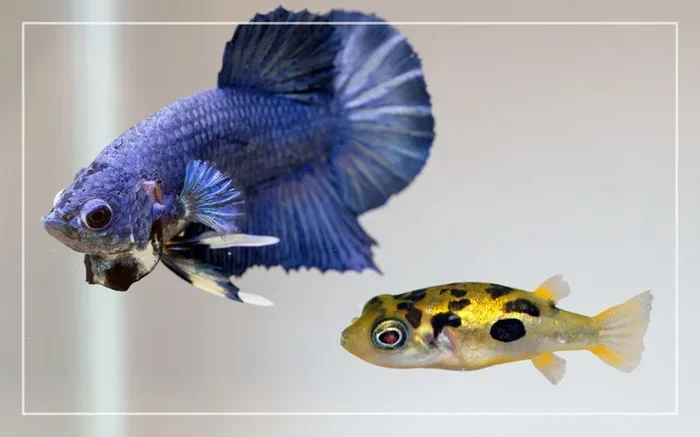
Feeding a pea to your betta fish can help with digestion and relieve constipation. Many fish keepers use a single pea as a natural remedy, but it should only be an occasional treat — not a staple food. Learn exactly how, when, and how often to feed peas to your betta fish safely.
You have probably heard the rumor floating around fish tanks and online forums: feed your betta fish a pea. It sounds strange, right? A green vegetable for a carnivorous fish? But here is the thing — this little trick actually works. Many experienced fish keepers swear by it. And once you understand why, you will see why feeding peas to betta fish has become such a popular topic in the aquarium world.
So should you actually do it? The short answer is yes, but with some important caveats. Peas can be a helpful tool for your betta’s digestive health. However, they are not a magic cure, and they are certainly not a meal replacement. In this guide, we will walk through everything you need to know about giving your betta a pea. We will cover the benefits, the risks, the right way to prepare them, and how often to do it.
Whether your betta is struggling with constipation or you just want to add variety to their diet, this article has you covered. Let us dive in and get all your questions answered about should i feed my betta fish a pea.
Key Takeaways
- Peas can help relieve constipation and improve digestion in betta fish due to their high fiber content.
- Always remove the pea shell before feeding, as it can cause choking or digestive blockages.
- Feed peas only occasionally — once or twice a week — and never as a replacement for a balanced betta diet.
- Blanch or thaw frozen peas before serving to make them soft and safe for your fish.
- Overfeeding peas can cause bloating and water quality issues in your tank.
- Watch for signs of digestive distress like swelling or loss of appetite after feeding peas.
- Peas are not a complete food for bettas — they need protein-rich meals as their primary diet.
📑 Table of Contents
Why Feed Peas to Your Betta Fish?
Peas are not just a human superfood. They offer real benefits for tropical fish like bettas. Understanding why peas help betta fish is the first step toward using them correctly.
The Fiber Connection
Peas are rich in dietary fiber. Fiber helps move food through the digestive tract. Bettas are prone to digestive issues, especially constipation. This happens because of their diet. In the wild, bettas eat insects and larvae. These foods are high in protein but low in fiber. In captivity, many betta owners rely heavily on dry flakes or pellets. These foods can expand in the stomach and cause blockages. A soft pea can act as a natural laxative. It helps push things through the digestive system smoothly.
Nutritional Value of Peas
Peas contain vitamins A, C, and K. They also provide minerals like iron and potassium. While bettas need protein as their main nutrient, a small amount of plant matter can support overall health. Peas for betta fish are not a complete nutritional solution. But as a supplement, they add value. Think of them as a side dish, not the main course.
Common Digestive Problems in Bettas
Bettas often face digestive troubles. Bloating is very common. So is constipation. You might notice your fish swimming oddly or refusing food. A swollen belly is a clear sign. In these cases, a pea can provide quick relief. The fiber softens waste and helps your fish pass it naturally. This is why many aquarists keep frozen peas on hand for bettas.
How to Prepare Peas for Your Betta Fish
Preparing peas the right way is critical. A poorly prepared pea can harm your fish. Follow these simple steps every time.
Step 1: Choose the Right Pea
Use green peas. Frozen peas work great because they are already blanched. You can also use fresh peas or canned peas. If you use canned peas, make sure they have no added salt or seasoning. Frozen peas for betta fish are the easiest and safest option. Just pull one out of the bag and let it thaw.
Step 2: Remove the Outer Shell
This is the most important step. The outer skin of a pea is tough and fibrous. Your betta cannot digest it easily. The shell can get stuck in their throat or cause a blockage. To remove it, simply squeeze the pea gently. The soft inner part will pop right out. Discard the skin completely. Never feed a pea with the shell on. This is a common mistake that many beginners make.
Step 3: Soften the Pea
Your betta has a small mouth. A hard pea chunk can be difficult to eat. Boil the pea for about two minutes. This makes it soft and easy to chew. Alternatively, you can soak it in warm water for a few minutes. The goal is a mushy, bite-sized piece. Let it cool completely before placing it in the tank.
Step 4: Serve the Right Amount
One small pea is enough for a single betta. Cut it into tiny pieces if needed. You can use a fork to mash it into small bits. Drop the pieces near your fish. How to feed a pea to a betta fish is simpler than you think — just small, soft, and shell-free pieces.
How Often Should You Feed Peas to Your Betta?
Moderation is key. Peas should never become a daily habit for your betta. They are a treat and a digestive aid, not a regular meal.
Recommended Feeding Frequency
Feed peas to your betta once or twice a week at most. This gives them the digestive benefits without overloading their system. How often should you feed a betta fish peas? Keep it to a weekly schedule. Some owners give a pea when they notice signs of constipation. Others use it as a routine weekly supplement. Both approaches work, as long as you keep the frequency low.
Portion Control Matters
One small pea per feeding is the rule. Even if your betta seems hungry, do not give more. Overfeeding peas can lead to bloating and other problems. How much do i feed a betta fish when it comes to peas? Less is more. A tiny piece is enough to do the job.
What Happens If You Overdo It?
Too much fiber can cause diarrhea. It can also lead to nutritional imbalances. Bettas need protein-rich foods to thrive. If peas replace too many meals, your fish may become malnourished. Always prioritize quality betta pellets or flakes as the main diet. Use peas as a supplement only. If you are unsure about how often should i feed my betta fish, check our detailed feeding guide for more info.
Signs Your Betta Needs a Pea
Not every betta needs a pea on a regular basis. But some clear signs tell you it might be time to offer one.
Constipation Symptoms
Watch for these warning signs:
- Swollen or bloated belly that does not go down
- Refusing to eat or showing no interest in food
- Strange swimming patterns, like floating sideways or sinking to the bottom
- Hard, stringy waste hanging from the fish
- Lethargy and staying in one spot for long periods
If you notice these signs, a single pea can help. The fiber works gently and naturally. Most fish show improvement within a few hours. However, if symptoms persist, you should consult a vet or experienced aquarist. Sometimes digestive issues point to a deeper problem that peas alone cannot fix.
When Peas Are Not the Answer
Peas are not a cure-all. If your betta is sick, stressed, or showing signs of disease, do not rely on peas alone. Conditions like swim bladder disease, bacterial infections, or parasites require proper treatment. What should i do if my betta fish isn’t eating? Start by checking water parameters and temperature. Then consider a pea as a digestive aid. But if the problem continues, seek professional advice.
Common Mistakes When Feeding Peas to Bettas
Even well-meaning fish keepers make mistakes. Here are the most common ones to avoid.
Mistake 1: Forgetting to Remove the Shell
This is the number one mistake. The shell is not digestible. It can block the digestive tract and cause serious harm. Always, always remove the shell before feeding.
Mistake 2: Feeding Too Many Peas
Some owners think more is better. It is not. Too many peas lead to loose stools, bloating, and nutritional deficiencies. Stick to the recommended amount.
Mistake 3: Using Canned Peas with Salt
Canned peas often contain added sodium. Salt is harmful to freshwater fish. Always choose frozen, fresh, or unsalted canned peas. Can i feed my betta fish canned peas? Only if they have no salt added. But frozen peas are the safest choice.
Mistake 4: Using Peas as a Primary Food
Peas do not provide the protein bettas need. They are a supplement, not a staple. A diet of mainly peas will lead to malnutrition. Always feed a high-quality betta pellet or flake as the main food. You can also offer live or frozen foods like brine shrimp or bloodworms for protein.
Expert Tips for the Best Results
Follow these tips to get the most benefit from feeding peas to your betta.
Quick Tips
- Keep a bag of frozen peas in your freezer at all times. They are your best friend for betta digestive care.
- Always thaw and cool the pea before serving. Hot food can burn your fish.
- Mash the pea into small pieces so your betta can eat it easily.
- Remove any uneaten pieces after a few hours. Uneaten food can foul the water.
- Pair peas with a day of fasting. Skip a meal before offering a pea. This helps the digestive system respond better.
- Observe your fish after feeding. Look for improved behavior and normal waste within 24 hours.
Expert Insight
Many experienced aquarists recommend a weekly pea routine as a preventive measure. Just one small piece once a week can keep the digestive system running smoothly. It is a simple habit that makes a big difference. If you are new to betta care, start slow. Offer a pea once every two weeks at first. See how your fish responds. Then adjust the frequency if needed. For more tips on betta fish care, explore our other guides on feeding schedules and tank setup.
Final Thoughts
So, should you feed your betta fish a pea? Absolutely. Peas are a safe, natural, and effective way to support your betta’s digestive health. They help with constipation, provide fiber, and add a small nutritional boost. But they are not a food staple. Use them wisely and in moderation. Feed your betta a pea once or twice a week, always remove the shell, and keep it soft and small.
A healthy betta is a happy betta. And sometimes, the simplest solutions work the best. Keep a bag of frozen peas in your kitchen. Your fish will thank you for it. For more information on how much food should i feed my betta fish, check out our detailed feeding guide. And if you ever wonder about how often should i feed my betta fish, we have you covered there too.
Remember, every fish is different. Watch your betta’s behavior, adjust as needed, and enjoy the process of keeping these beautiful creatures healthy. A little pea goes a long way.
Frequently Asked Questions
Can I feed my betta fish peas every day?
No, you should not feed peas to your betta every day. Peas are high in fiber and lack the protein bettas need. Stick to feeding a pea once or twice a week as an occasional supplement. Daily feeding of peas can cause digestive issues and nutritional imbalances.
What kind of peas can I feed my betta fish?
Green peas are the best option. You can use frozen, fresh, or unsalted canned peas. Frozen peas are the most convenient because they are already blanched. Always avoid peas with added salt, seasoning, or preservatives.
Do I need to remove the pea shell before feeding?
Yes, absolutely. The outer shell of a pea is tough and not digestible. It can cause choking or blockages in your betta’s digestive system. Always squeeze out the soft inner part and discard the skin completely before offering it to your fish.
Will a pea help my constipated betta fish?
Yes, peas can help relieve constipation in betta fish. The dietary fiber in peas acts as a natural laxative. Most fish show improvement within a few hours after eating a prepared pea. If constipation persists, check your water parameters and consider consulting a vet.
Can I feed my betta fish other vegetables besides peas?
Yes, you can offer small amounts of other vegetables like lettuce, cucumber, or zucchini. However, peas are the most commonly recommended because of their fiber content and soft texture. Always research any new food before offering it to your betta.
How do I know if my betta is getting enough nutrition from peas?
Peas should only be a small part of your betta’s diet. The main nutrition should come from high-quality betta pellets or flakes. If your betta is active, eating regularly, and producing normal waste, their diet is likely balanced. Peas are a supplement, not a complete food source.