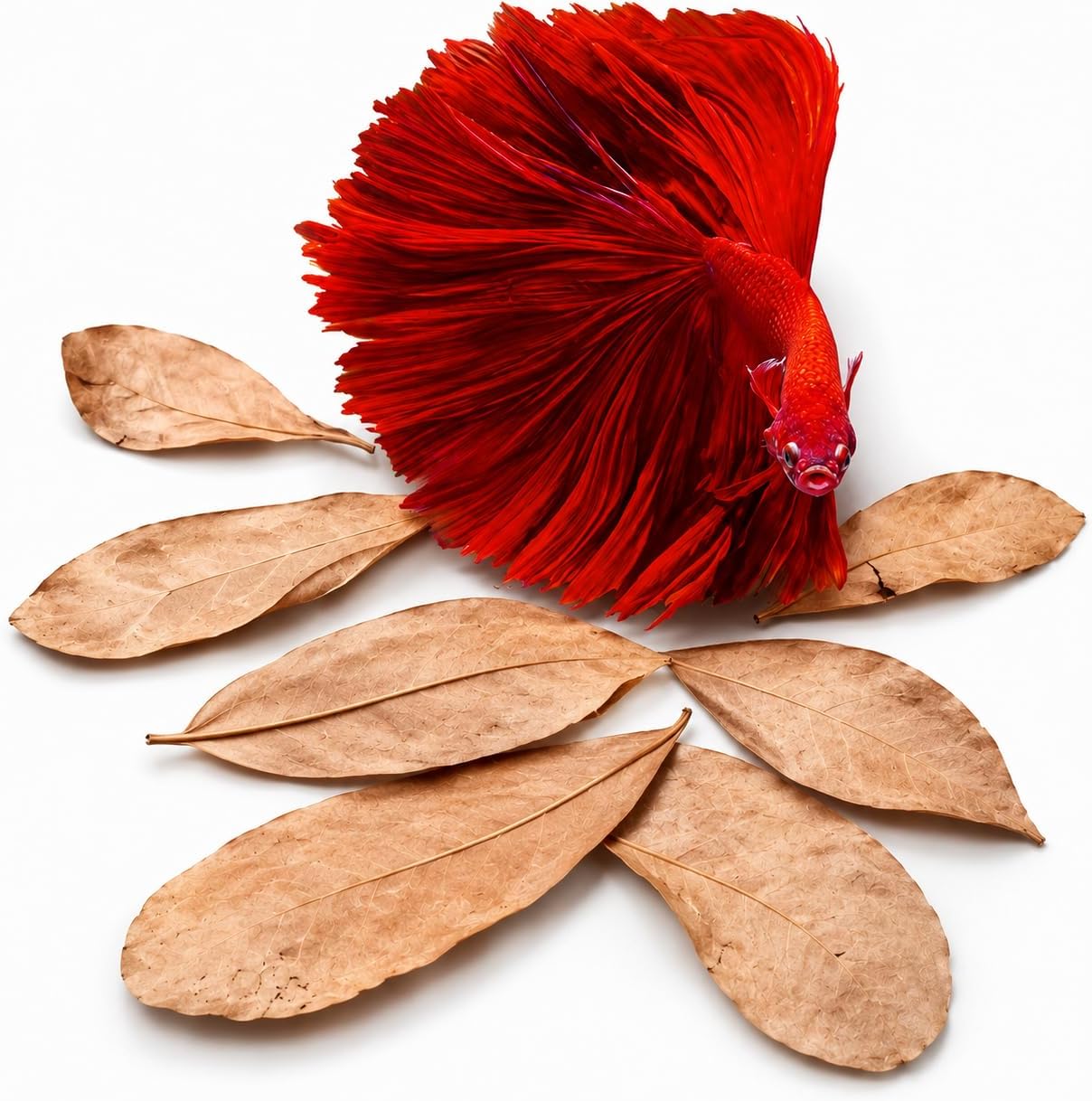
Should I Cycle a Betta Fish Tank
Yes, you should absolutely cycle a betta fish tank before adding your fish. Cycling builds beneficial bacteria that break down toxic waste like ammonia and nitrite. A properly cycled tank means a healthier, happier betta with a longer lifespan. Skipping this step can lead to new tank syndrome and unnecessary fish loss.
You just got a beautiful betta fish. Maybe you already have the tank set up. And now you are wondering, should I cycle a betta fish tank? The short answer is yes. But let us talk about why that matters so much.
Cycling a fish tank means building up colonies of good bacteria inside your aquarium. These tiny organisms do the heavy lifting. They convert toxic substances like ammonia into less harmful compounds. Without them, your betta fish is swimming in poison every single day.
Cycling a betta fish tank is not optional. It is a basic requirement for any healthy aquarium. Whether you are a complete beginner or a hobbyist looking to refresh your setup, understanding the nitrogen cycle is the foundation of betta fish care. In this guide, we will walk through everything you need to know.
Key Takeaways
- Cycling is essential: It creates a safe environment by establishing beneficial bacteria that neutralize harmful toxins.
- Fishless cycling is the safest method: You avoid putting your betta at risk during the process.
- A full cycle takes 4 to 6 weeks: Patience now saves your fish later.
- Test your water regularly: Ammonia, nitrite, and nitrate levels tell you exactly where you stand in the cycle.
- Uncycled tanks cause new tank syndrome: This is one of the leading causes of betta fish death in new setups.
- A filter speeds up cycling: It provides surface area for beneficial bacteria to colonize.
- Temperature matters during cycling: Keeping water in the right range supports bacterial growth.
📑 Table of Contents
- What Does It Mean to Cycle a Fish Tank?
- Why You Should Always Cycle Before Adding a Betta
- How to Cycle a Betta Fish Tank Step by Step
- Common Mistakes People Make When Cycling a Betta Tank
- How a Filter Helps During the Cycling Process
- How to Tell If Your Tank Is Fully Cycled
- Can You Cycle a Tank With a Betta Inside?
- How Long Does Cycling Actually Take?
- Maintaining Your Cycled Tank After Setup
- Final Thoughts on Cycling Your Betta Fish Tank
What Does It Mean to Cycle a Fish Tank?
Cycling a tank is the process of growing beneficial bacteria in your aquarium filter and substrate. These bacteria handle the breakdown of fish waste. Think of it like building a tiny waste treatment plant inside your tank.
When fish produce waste, uneaten food decays, and plants shed leaves, ammonia is released. Ammonia is extremely toxic to fish, even in small amounts. The first group of bacteria converts ammonia into nitrite. Nitrite is also harmful. Then a second group of bacteria turns nitrite into nitrate. Nitrate is much less dangerous and can be managed through regular water changes.
This entire process is called the nitrogen cycle. It is the invisible engine that keeps your aquarium safe. A betta fish tank needs this cycle fully established before any fish moves in.
The Three Stages of the Nitrogen Cycle
The nitrogen cycle has three clear stages. Understanding each one helps you track your progress.
- Stage 1, Ammonia: Waste produces ammonia. Levels rise in the first week or two. No bacteria are present yet to process it.
- Stage 2, Nitrite: The first bacteria colony forms. It starts converting ammonia into nitrite. Nitrite is still toxic.
- Stage 3, Nitrate: The second bacteria colony appears. It converts nitrite into nitrate. Nitrate is safe at low levels.
You know your tank is fully cycled when ammonia and nitrite both read zero on your test kit. Nitrate should be present but low. This usually takes four to six weeks.
Why You Should Always Cycle Before Adding a Betta
Some people skip cycling and add their fish right away. This is a dangerous shortcut. Here is why taking the time to cycle properly makes all the difference.
New tank syndrome is the biggest risk. This happens when you add fish to an uncycled tank. Ammonia and nitrite spike rapidly. Your betta fish suffers from burning gills, stressed breathing, and weakened immunity. In many cases, the fish does not survive.
A cycled tank gives your betta a stable home from day one. Stable water parameters mean less stress. Less stress means a stronger immune system. A strong immune system means fewer diseases and a longer life. Betta fish can live five years or more with proper care. Skipping the cycle can cut that life short dramatically.
Benefits of a Fully Cycled Tank
- Stable water quality: Toxins are broken down continuously without sudden spikes.
- Less maintenance: You do not need to do as many emergency water changes.
- Healthier fish: Your betta shows natural colors, eats well, and behaves actively.
- Peace of mind: You know your setup is safe and reliable.
How to Cycle a Betta Fish Tank Step by Step
Now that you understand why cycling matters, let us look at how to actually do it. The fishless method is the best approach. It keeps your betta safe while the bacteria colony develops.
Before you start, make sure you have what you need for a betta fish tank. You will need a filter, a heater, a test kit, and a source of ammonia. That is it. No fish required during this process.
Step 1: Set Up Your Tank
Start by filling your tank with dechlorinated water. Install your filter and heater. Set the temperature between 76 and 82 degrees Fahrenheit. Warm water helps beneficial bacteria grow faster. You can check the ideal range here for the recommended betta fish tank temperature in celsius.
Turn on your filter and let the tank run for 24 hours. This allows everything to settle. Make sure there are no leaks or equipment issues.
Step 2: Introduce Ammonia
You need ammonia to feed the first bacteria colony. You can use pure ammonia without additives. Add a small amount each day to reach about 2 to 4 parts per million. Your aquarium cycling process has officially begun.
Test the water daily. You will see ammonia rise first. This is normal and expected. Do not change the water yet. Let the bacteria start working.
Step 3: Wait for Nitrite to Appear
After one to two weeks, you should notice nitrite showing up in your test results. This means the first bacteria colony is forming. Keep adding ammonia daily to maintain levels.
When you add ammonia and it drops to zero within 24 hours, the first colony is established. That is a great sign.
Step 4: Wait for Nitrate to Appear
Next, nitrite will spike as the second colony develops. This can be stressful to watch. Keep testing. Once nitrite starts dropping and nitrate appears, you are in the final stretch.
When both ammonia and nitrite read zero after 24 hours, and nitrate is present, your tank is cycled. This typically takes four to six weeks.
Step 5: Do a Water Change and Add Your Betta
Before adding your fish, do a 50 percent water change. This brings nitrate levels down. Then you can safely introduce your betta to its new home.
If you want a more detailed walkthrough, check out our guide on how to cycle a betta fish tank for extra tips and troubleshooting.
Common Mistakes People Make When Cycling a Betta Tank
Even experienced hobbyists sometimes make mistakes during the cycling process. Knowing what to avoid saves you time and protects your fish.
Adding Fish Too Early
The biggest mistake is adding your betta before cycling is complete. Some people think a few days is enough. It is not. The bacteria need time to multiply and establish colonies. Rushing this process almost always leads to problems.
Skipping Water Tests
You cannot cycle by guesswork. You need a liquid test kit. Test strips are less accurate. Testing ammonia, nitrite, and nitrate every few days gives you the data you need to track progress.
Overcleaning the Filter
Your filter houses the beneficial bacteria. If you rinse it with tap water or replace all the media at once, you wipe out your bacterial colony. Rinse filter media in old tank water only. Never use soap or hot water.
Not Being Patient
Cycling takes weeks. There is no shortcut that is truly safe. Some products claim to speed up the process with bacteria starters. These can help but do not replace the natural cycling timeline. Be patient and let nature do its work.
How a Filter Helps During the Cycling Process
A good filter does more than keep water clear. It provides surface area where beneficial bacteria can grow. The filter media acts as a home for your bacteria colony. Without a filter, cycling takes much longer and is harder to maintain.
If you are unsure about which filter to use, our article on should I use a filter for my betta fish covers the best options for betta tanks.
Choose a filter with adjustable flow. Bettas prefer gentle water movement. A sponge filter works great for betta tanks. It provides good biological filtration without creating too much current.
How to Tell If Your Tank Is Fully Cycled
Testing your water is the only reliable way to confirm your tank is cycled. Here is what a completed cycle looks like:
- Ammonia: 0 ppm (parts per million)
- Nitrite: 0 ppm
- Nitrate: Below 20 ppm
When all three readings fall in these ranges, your tank is ready. Add your betta slowly. Float the bag in the tank for 15 to 20 minutes to equalize temperature. Then gently release your fish into its new home.
Keep testing for the first few weeks after adding your betta. Water parameters can shift slightly. Regular testing catches problems early before they become serious.
Can You Cycle a Tank With a Betta Inside?
Some people ask if they can cycle with their betta already in the tank. This is called fish-in cycling. It works but carries more risk. Your betta is exposed to rising ammonia and nitrite during the process. You must keep levels as low as possible through frequent water changes.
Fishless cycling is always the safer choice. It protects your fish from unnecessary stress. But if you must do a fish-in cycle, test the water daily and change 20 to 30 percent of the water whenever ammonia rises above 0.5 ppm.
The safest bet is always to cycle first. Then add your betta to a fully established tank. Your fish will thank you with vibrant colors and energetic behavior.
How Long Does Cycling Actually Take?
The short answer is four to six weeks. But several factors can speed up or slow down the process.
Warmer water temperatures between 76 and 82 degrees Fahrenheit help bacteria multiply faster. A good filter with plenty of media provides more surface area for colonization. Adding a bacteria starter product can give you a head start.
On the other hand, cold water, poor filter media, or low ammonia doses can stretch the timeline to eight weeks or more. The key is patience and consistent testing. Do not rush the process.
Once your tank is cycled, the bacteria colony stays active as long as your filter runs. You never need to cycle again unless you completely replace your filter media or do a massive tank cleaning.
Maintaining Your Cycled Tank After Setup
Cycling is just the beginning. Keeping your tank stable requires ongoing care. Here is what to do after your tank is fully cycled.
- Test water weekly: Check ammonia, nitrite, and nitrate levels every seven days.
- Do regular water changes: Replace 20 to 30 percent of the water every week. This keeps nitrate in check.
- Do not overfeed: Excess food decays and spikes ammonia. Feed your betta small amounts once or twice a day.
- Clean the filter gently: Rinse media in old tank water once a month. Never use soap.
- Monitor temperature: Keep the heater set consistently. Sudden temperature drops stress your betta.
A well-maintained cycled tank is a stable tank. Stability is the single most important factor in betta fish health. Your fish will live longer, look brighter, and behave more naturally in a stable environment.
Final Thoughts on Cycling Your Betta Fish Tank
Should I cycle a betta fish tank? The answer is a resounding yes. Cycling is the single most important step you can take for your betta fish. It builds the biological foundation that keeps water safe and clean. Without it, your fish is at risk of toxic exposure, disease, and early death.
The process takes time. Four to six weeks might feel long when you are eager to set up your aquarium. But those weeks of patience pay off in years of healthy fish. A properly cycled tank gives your betta the best possible start in life.
Follow the steps in this guide. Test your water regularly. Be patient. And resist the urge to skip ahead. Your future self and your betta fish will both be glad you did the work the right way.
Remember, every great aquarium starts with a solid foundation. Cycling is that foundation. Build it well, and your betta will thrive.
Frequently Asked Questions
How long does it take to cycle a betta fish tank?
It typically takes four to six weeks to fully cycle a betta fish tank. Warmer water temperatures and a good filter can help speed up the process. Patience is key during this time.
Can I add my betta fish before the tank is cycled?
You can, but it is not recommended. Adding fish to an uncycled tank exposes them to dangerous ammonia and nitrite levels. This can cause serious health problems or death. Always cycle first for the safest results.
What is the best method for cycling a betta tank?
Fishless cycling is the safest and most recommended method. You add a source of ammonia without any fish in the tank. This allows beneficial bacteria to grow without putting your betta at risk.
How do I know when my tank is fully cycled?
Your tank is fully cycled when ammonia and nitrite both read zero on your test kit, and nitrate is present at low levels. Test your water regularly to confirm these readings before adding your betta.
Can I use a bacteria starter to speed up cycling?
Yes, bacteria starter products can help shorten the cycling timeline. They introduce beneficial bacteria directly into your tank. However, they do not replace the natural cycling process entirely. Continue testing your water even when using a starter.
Do I need a filter to cycle my betta tank?
Yes, a filter is essential for cycling. It provides surface area where beneficial bacteria colonize. Without a filter, the cycling process is much slower and harder to maintain. A sponge filter works great for betta tanks and supports healthy bacterial growth.
=== CONCLUSION ===
Cycling your betta fish tank is not just a good idea. It is a necessity. Every betta fish deserves a safe and stable home. Taking the time to complete the nitrogen cycle properly sets the stage for a thriving aquarium. Follow the steps, test your water, and be patient. Your betta will reward you with years of beauty and companionship.