Should Betta Fish Have Sand or Gravel Substrate
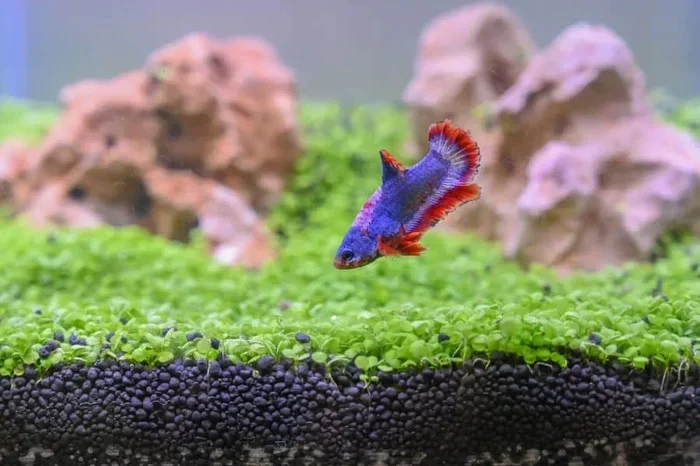
Should betta fish have sand or gravel substrate? The answer depends on your tank setup, your betta’s needs, and how much maintenance you want to do. Sand substrate is soft and natural-looking, while gravel is easier to clean and comes in more colors. Both options work well when chosen and maintained correctly.
Setting up a tank for your betta fish is exciting. You pick the right filter, the right heater, and the right plants. But one decision often gets overlooked: the substrate. The material at the bottom of your tank is more important than most fish keepers realize. It affects water quality, bacteria growth, and even how comfortable your betta feels. So, should betta fish have sand or gravel substrate? Let us break it all down.
When you walk into a fish store, the choices can feel overwhelming. Bags of sand sit next to bags of gravel. Different sizes. Different colors. Different prices. It is easy to just grab the cheapest bag and call it a day. But taking a few extra minutes to choose the right substrate for your betta tank can make a huge difference. Your fish will be healthier, your tank will look better, and cleaning will be easier. This guide covers everything you need to know about sand versus gravel for betta fish tanks.
Key Takeaways
- Sand substrate mimics a betta’s natural habitat and is gentle on their fins.
- Gravel is easier to vacuum and comes in many colors and sizes.
- Sharp or rough gravel can damage betta fins, so always choose smooth options.
- Sand needs regular stirring to prevent gas pockets from forming underneath.
- The best choice depends on your tank size, plants, and cleaning routine.
- Both substrates support beneficial bacteria that help keep water clean.
- Consider mixing sand and gravel for a natural, functional look.
📑 Table of Contents
Why Substrate Matters for Betta Fish
The substrate is more than just decoration. It plays a real role in your tank’s ecosystem. Beneficial bacteria live on the surface of your substrate. These bacteria break down harmful waste like ammonia and nitrite. Without a good substrate, your biological filtration suffers. Your betta fish habitat needs these bacteria to stay healthy.
Substrate also affects your betta’s daily life. In the wild, bettas live in shallow, warm waters with soft, sandy bottoms. They like to explore the floor. They sift through the material. They rest on it. A harsh or uncomfortable substrate can stress your fish. Stress leads to illness. So choosing the right aquarium flooring is about more than looks. It is about welfare.
Another thing to consider is tank maintenance. Some substrates trap waste easily. Others let it sit on top where you can remove it quickly. Your choice will affect how often you clean and how much work you put in. We will look at both sand and gravel in detail below.
Sand Substrate for Betta Fish
Types of Sand for Betta Tanks
Not all sand is the same. When choosing sand substrate for your betta, you have a few options. Play sand is cheap and natural. It comes from hardware stores and works well in aquariums. Pool filter sand is finer and very smooth. Aquarium sand is sold specifically for fish tanks and is pre-rinsed. Each type has its pros and cons.
Play sand is the most affordable option. But it can be very fine, which means it clouds your water for days after you add it. Pool filter sand strikes a nice balance between fine and medium grain. Aquarium sand is the easiest because it is ready to go. No rinsing required. Just dump it in and you are good to start.
Benefits of Sand for Bettas
Sand feels natural underfoot for your betta. In their native Thailand habitats, bettas live among soft, silty sand at the bottom of rice paddies and slow streams. A sand substrate for bettas lets them behave naturally. They can sift and explore without discomfort.
Sand also looks beautiful. It gives tanks a clean, natural appearance. Dark sand makes colorful bettas pop. Light sand creates a soft, sandy beach look. Many fish keepers prefer sand because it stays in place better than gravel. It does not shift around as much when you move decorations.
Another advantage is that sand is gentle on betta fins. Bettas have long, flowing fins that can tear on rough surfaces. Smooth sand eliminates this risk entirely. Your betta can swim close to the bottom without worry.
Drawbacks of Sand Substrate
Sand is not perfect, though. One of the biggest issues is gas pockets. Over time, waste and debris get trapped between sand grains. When enough builds up, pockets of hydrogen sulfide gas form. If you stir the sand and release this gas all at once, it can spike your ammonia levels. This is dangerous for your fish.
Sand also needs regular maintenance. You cannot just vacuum it the way you would gravel. The sand tends to shift and clog siphon tubes. You need to use a thin siphon or a sand-specific vacuum. This takes more effort and patience. Sand substrate for bettas works well only if you are willing to put in the upkeep.
Some sand types also lower your pH over time. This is not always bad, but you need to monitor your water parameters. If your tap water is already soft and acidic, sand might push things too far. Test your water regularly to stay safe.
Gravel Substrate for Betta Fish
Types of Gravel for Betta Tanks
Gravel comes in many shapes and sizes. Pebble gravel is the most common. It has small, rounded stones that are easy to clean. Plant gravel is designed to support rooted plants. It is usually larger and has a nutrient-rich core. Colored gravel is popular for aesthetics. It comes in blues, reds, and blacks. But not all colored gravel is safe.
When choosing gravel for betta fish, always look for smooth, rounded edges. Sharp or jagged gravel can cut betta fins. This is one of the most common mistakes new fish keepers make. Your betta’s long fins are delicate. Any rough surface can cause tears and infections. Stick with polished or pre-washed gravel labeled safe for aquariums.
Benefits of Gravel for Bettas
Gravel is much easier to clean than sand. Its irregular shape means waste sits on top of the stones rather than sinking between them. You can use a standard gravel vacuum and clean your tank quickly. This makes gravel ideal for busy fish keepers who do not want to spend hours on maintenance.
Gravel also supports beneficial bacteria very well. The rough surface area of each stone gives bacteria plenty of space to colonize. More bacteria means better biological filtration. Your tank stays cleaner longer. Gravel substrate is especially useful in larger tanks where waste builds up faster.
If you plan to keep live plants, gravel can work well too. Plant gravel provides anchorage for roots and nutrients for growth. Your plants will thrive in a gravel bed, and your betta will enjoy the added cover and enrichment. Plants also help oxygenate the water, which benefits your fish in many ways.
Drawbacks of Gravel Substrate
The main problem with gravel for bettas is sharp edges. Even “smooth” gravel can have rough spots that damage fins. Always run your hand through the gravel before adding it to your tank. If it feels scratchy, wash it thoroughly or choose a different brand.
Gravel also traps food and waste in the gaps between stones. If you do not vacuum regularly, debris builds up and decays. This can spike ammonia and nitrite. Regular maintenance is non-negotiable with gravel. Skip a cleaning, and your water quality suffers fast.
Another issue is that gravel shifts easily. If you have a strong filter current, gravel can move around and uncover the tank floor. This looks messy and can expose waste that was hidden underneath. Placing larger stones along the edges can help keep gravel in place.
Sand vs Gravel: Head-to-Head Comparison
Still not sure which one to pick? Let us put side by side so you can compare easily.
| Feature | Sand | Gravel |
|---|---|---|
| Comfort for betta fins | Excellent | Good (if smooth) |
| Ease of cleaning | Difficult | Easy |
| Natural look | Very natural | Moderate |
| Waste trapping | Traps waste between grains | Waste sits on top |
| Gas pocket risk | Yes, if not stirred | No |
| Plant support | Poor (unless special planted sand) | Good (especially plant gravel) |
| Cost | Low to moderate | Low to moderate |
| Water parameter impact | Can lower pH | Generally neutral |
| Best for | Natural-style tanks, solo bettas | Planted tanks, busy keepers |
Both substrates work well for betta fish. The right choice depends on your priorities. If you want a natural look and your betta can explore comfortably, go with sand. If you want easy cleaning and plant support, gravel wins. You can also combine both. Many fish keepers use gravel near the front and sand toward the back. This gives you the best of both worlds.
When comparing sand or gravel for fish tanks, remember that your betta’s comfort comes first. No matter which you choose, make sure the material is safe, clean, and appropriate for tropical freshwater tanks. The wrong substrate can cause more harm than good.
How to Choose the Right Substrate for Your Betta
Choosing the right substrate for your betta tank comes down to a few key factors. Let us walk through them so you can make a confident decision.
First, think about your tank size. Smaller tanks benefit from sand because it is easier to maintain a stable environment. Larger tanks can handle gravel better because the volume of water dilutes any mistakes. If you have a 5-gallon tank, sand is usually the safer bet. For tanks over 10 gallons, you have more flexibility.
Second, consider your plants. Live plants need a substrate that supports root growth. Gravel works best for most planted setups. If you are going with fake plants or no plants at all, sand gives a cleaner, more natural look. Substrate choice should always match your overall tank design.
Third, think about your cleaning routine. If you already have a busy schedule, gravel is easier to maintain. If you enjoy spending time with your tank and do not mind extra care, sand can be very rewarding. Be honest about how much time you can dedicate.
Common Mistakes When Choosing Substrate for Betta Fish
Many fish keepers make avoidable mistakes when selecting substrate. Here are the ones to watch out for.
The first mistake is using gravel from a garden or playground. This gravel is not aquarium safe. It may contain chemicals, sharp edges, or harmful bacteria. Always buy substrate specifically labeled for aquarium use. Can betta fish have gravel? Yes, but only if it is aquarium-grade and smooth.
The second mistake is adding sand without rinsing it first. Even pre-washed sand benefits from a quick rinse. Put the sand in a bucket, add water, and swirl it around. Drain the cloudy water and repeat until the water runs clear. Skipping this step will cloud your tank for days.
The third mistake is choosing the wrong grain size. Super-fine sand can compact too tightly and prevent water flow. Very large gravel can trap your betta’s fins. Medium-grain sand or small, smooth gravel hits the sweet spot for most betta tanks. Aim for particles between 1 and 3 millimeters.
Finally, some people forget that substrate depth matters. Too thin and waste shows through. Too thick and gas pockets become a real risk. A layer of about 1 to 2 inches is ideal for most betta tanks. Adjust based on your tank size and whether you have plants.
Expert Tips for Substrate Maintenance
Once you have chosen your substrate, maintenance becomes key. Here are some tips from experienced fish keepers to keep your tank in top shape.
- Stir sand gently once a week during water changes. This releases any trapped gas before it builds up.
- Vacuum gravel regularly using a thin siphon. Focus on areas around decorations where waste collects.
- Rinse new substrate before adding it to your tank. Even aquarium-grade products carry dust from shipping.
- Match your substrate to your filter. A strong filter can displace lightweight sand. Use heavier sand or anchor it with decorations.
- Test your water weekly after changing substrate. pH and ammonia levels can shift, especially with sand.
These simple habits will keep your fish tank bottom clean and your betta healthy. Maintenance is not glamorous, but it is what separates thriving tanks from struggling ones.
Final Thoughts
So, should betta fish have sand or gravel substrate? The answer is both can work beautifully when you choose wisely and maintain properly. Sand substrate offers a natural, comfortable environment that bettas love. Gravel substrate provides easier cleaning and better plant support. There is no single right answer. The best choice is the one that fits your tank, your lifestyle, and your betta’s needs.
Take your time choosing. Look at your options. Think about your tank setup. A good substrate choice sets the foundation for a healthy, beautiful aquarium. Your betta will thank you for it with vibrant colors and active behavior. Make the choice that feels right for you and your fish, and enjoy the process of building a home they will thrive in.
Frequently Asked Questions
Can betta fish live on sand substrate?
Yes, betta fish can absolutely live on sand substrate. In fact, sand closely mimics their natural habitat in shallow Asian waters. Just make sure the sand is aquarium-safe and rinse it thoroughly before adding it to your tank to avoid clouding the water.
Is gravel safe for betta fish?
Gravel is safe for betta fish as long as it has smooth, rounded edges. Sharp or jagged gravel can damage their long, delicate fins. Always choose aquarium-grade gravel and run your fingers through it before adding it to the tank to check for roughness.
Can you mix sand and gravel in a betta tank?
Yes, you can mix sand and gravel in a betta tank. Many fish keepers use gravel near the front and sand toward the back for a natural look. Just make sure both materials are aquarium-safe and that you clean both thoroughly during water changes.
How deep should the substrate be for a betta tank?
A substrate depth of 1 to 2 inches is ideal for most betta tanks. This depth is enough to support beneficial bacteria and keep waste hidden, but not so deep that gas pockets become a problem with sand or debris gets trapped too far down with gravel.
Does substrate choice affect betta fish behavior?
Yes, substrate choice can affect betta behavior. Bettas feel more comfortable and natural on soft, smooth sand. Rough gravel can cause stress and fin damage. A comfortable substrate encourages your betta to explore, eat well, and display natural behaviors like sifting and resting on the bottom.
What is the easiest substrate to clean for a betta tank?
Gravel is the easiest substrate to clean because waste sits on top of the stones and can be removed with a standard gravel vacuum. Sand is harder to clean because it shifts easily and clogs siphon tubes. If low maintenance is your priority, gravel is the better choice.