Is Vitamin E Better Than Fish Oil
Is vitamin E better than fish oil for betta fish? The answer depends on what your fish needs. Vitamin E acts as a powerful antioxidant that protects cells and supports skin and scales, while fish oil delivers omega-3 fatty acids that reduce inflammation and boost overall betta fish health. Both supplements play unique roles in your fish’s diet.
Every betta fish owner wants their colorful companion to thrive. You feed them the best pellets, keep the water clean, and watch them flare with energy. But sometimes, your betta needs a little extra help. That is where supplements come in. Two of the most popular options are vitamin E and fish oil. But which one is right for your fish? Let us break it down.
The debate over is vitamin E better than fish oil comes up a lot in betta fish communities. Some owners swear by vitamin E for vibrant colors and healthy scales. Others point to fish oil for its omega-3 fatty acids and anti-inflammatory benefits. The truth is, both supplements offer real value. The key is understanding what each one does and when to use it.
In this guide, we will compare vitamin E and fish oil side by side. You will learn about their benefits, risks, and the best way to use them. By the end, you will know exactly how to support your betta’s health. Let us dive in.
Key Takeaways
- Vitamin E and fish oil serve different purposes: Vitamin E is an antioxidant, while fish oil provides omega-3 fatty acids.
- Neither is universally better: The right choice depends on your betta fish’s specific health needs.
- Vitamin E supports skin, scales, and cell protection: It helps prevent oxidative stress in aquarium fish.
- Fish oil promotes heart health, reduces inflammation, and supports brain function: It is essential for long-term fish wellness.
- You can use both together: Combining supplements may offer the best results for your betta.
- Always follow proper dosage guidelines: Too much of either supplement can cause problems.
- Consult a vet or aquatic specialist: They can help you choose the right supplement for your fish.
📑 Table of Contents
- What Is Vitamin E and Why Does It Matter for Betta Fish?
- What Does Fish Oil Do for Betta Fish?
- Is Vitamin E Better Than Fish Oil? A Direct Comparison
- When to Use Vitamin E for Your Betta
- When to Choose Fish Oil Instead
- How to Choose the Right Supplement for Your Betta
- Common Mistakes to Avoid
- Expert Insights on Betta Fish Supplementation
- Conclusion
What Is Vitamin E and Why Does It Matter for Betta Fish?
Vitamin E is a fat-soluble antioxidant that plays a critical role in protecting cells from damage. In the world of aquatic nutrition, it is one of the most talked-about supplements. But what does it actually do for your betta?
How Vitamin E Works in Fish
Vitamin E fights oxidative stress in your betta’s body. Oxidative stress happens when harmful molecules called free radicals build up. These molecules damage cells, proteins, and DNA. Over time, this damage can lead to serious health problems.
Vitamin E neutralizes free radicals before they can cause harm. This makes it especially important for fish that live in environments with fluctuating water conditions. Poor water quality increases oxidative stress, which makes vitamin E even more valuable.
Benefits of Vitamin E for Betta Fish
Here are the main benefits of adding vitamin E to your betta’s diet:
- Healthier skin and scales: Vitamin E supports the repair and growth of skin cells. This helps your betta maintain its vibrant, iridescent scales.
- Stronger immune system: Antioxidants like vitamin E help your fish fight off infections and diseases more effectively.
- Improved reproduction: For breeding enthusiasts, vitamin E can boost fertility and egg quality in female bettas.
- Reduced inflammation: While not as potent as fish oil in this area, vitamin E still helps lower mild inflammation.
- Better coloration: Many owners report brighter, more vivid colors after adding vitamin E to their fish’s diet.
Signs Your Betta Might Need Vitamin E
How do you know if your betta could benefit from vitamin E? Watch for these signs:
- Faded or dull coloration
- Brittle or ragged fins
- Slow healing from wounds or infections
- Low energy or reduced appetite
- Frequent illness or disease outbreaks
If you notice any of these symptoms, vitamin E might be worth trying. But remember, it is always best to address water quality first. Poor tank conditions can mimic supplement deficiencies.
What Does Fish Oil Do for Betta Fish?
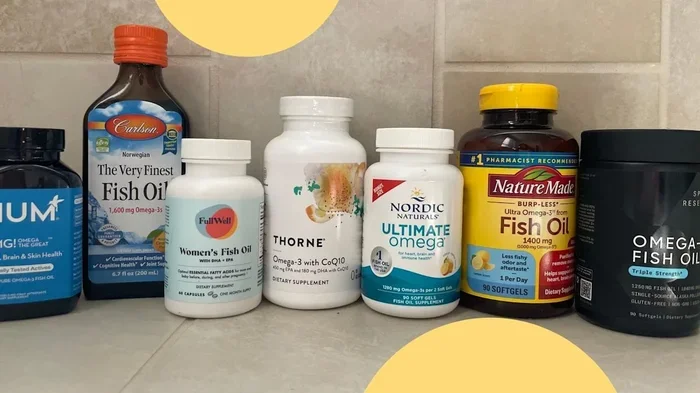
Fish oil is one of the most widely used fish health supplements in the aquarium hobby. It is packed with omega-3 fatty acids, particularly EPA and DHA. These fatty acids are essential for many bodily functions in betta fish.
The Role of Omega-3 Fatty Acids
Omega-3 fatty acids are building blocks that your betta’s body cannot produce on its own. They must come from the diet. Fish oil is one of the richest and most bioavailable sources of these essential fats.
EPA and DHA support everything from brain function to heart health. They also play a major role in reducing inflammation throughout the body. This makes fish oil especially valuable for fish recovering from injury or illness.
Benefits of Fish Oil for Betta Fish
Here is what fish oil can do for your betta:
- Heart health: Omega-3 fatty acids strengthen the cardiovascular system and help maintain a steady heartbeat.
- Brain and eye development: DHA is a major component of brain and eye tissue. It supports cognitive function and sharp vision.
- Anti-inflammatory effects: Fish oil is one of the most powerful natural anti-inflammatories available for aquarium fish.
- Joint and mobility support: Omega-3s help keep joints lubricated and reduce stiffness, especially in older fish.
- Improved coat and fin condition: Fish oil promotes the production of healthy mucus layers, which protect against parasites and bacteria.
Fish Oil vs Other Oil Supplements
You might wonder how fish oil compares to other oils. Is fish oil better than flaxseed oil? Yes, for bettas. Fish oil provides preformed EPA and DHA, while flaxseed oil offers ALA, which fish convert poorly. Similarly, is krill oil better than fish oil? Krill oil has some advantages, but fish oil remains the gold standard for aquarium fish due to its high concentration and availability.
Also, which is better fish oil or omega 3 is a common question. The truth is, fish oil is simply the most common and effective way to deliver omega-3s to your fish.
Is Vitamin E Better Than Fish Oil? A Direct Comparison
Now for the big question: is vitamin E better than fish oil? The honest answer is that they are not really competitors. They serve different purposes and can even work together. Let us look at how they compare across key areas.
Comparison Table: Vitamin E vs Fish Oil
| Factor | Vitamin E | Fish Oil |
|---|---|---|
| Primary Function | Antioxidant protection | Omega-3 fatty acid delivery |
| Best For | Cell protection, skin, scales | Heart, brain, inflammation |
| Key Nutrient | Alpha-tocopherol | EPA and DHA |
| Dosage Frequency | 2-3 times per week | Daily or every other day |
| Risk of Overdose | Moderate | Low to moderate |
| Best For Color | Yes | Moderate |
| Best For Recovery | Moderate | Yes |
When Vitamin E Wins
Vitamin E is the better choice when your betta needs antioxidant support. If your fish is showing signs of oxidative stress, dull colors, or slow healing, vitamin E can make a real difference. It is also the go-to supplement for breeding tanks, where it supports reproductive health and egg viability.
If you are deciding which is better vitamin e or fish oil for a breeding setup, vitamin E takes the lead. It helps protect delicate eggs from oxidative damage and supports healthy development.
When Fish Oil Wins
Fish oil is the clear winner when it comes to systemic health. If your betta needs support for its heart, brain, or immune system, fish oil delivers targeted omega-3 fatty acids that vitamin E simply cannot provide.
Fish oil is also the better choice for fish recovering from injury, surgery, or illness. Its powerful anti-inflammatory properties help speed up healing and reduce swelling. If you are asking is fish oil better than krill oil for recovery, the answer is usually yes, because fish oil is more concentrated and easier to dose accurately.
Can You Use Both Together?
Absolutely. In fact, many experienced betta keepers use both vitamin E and fish oil in their fish’s routine. They complement each other well. Vitamin E protects cells, while fish oil provides essential structural fats. Together, they offer comprehensive supplement support that neither can provide alone.
Just be careful not to overdo it. Follow recommended dosages for each supplement and monitor your fish for any changes in behavior or appetite.
When to Use Vitamin E for Your Betta
Vitamin E shines in specific situations. Here is when you should consider adding it to your betta’s care routine:
After Water Quality Issues
If your tank has experienced a spike in ammonia or nitrite, your betta’s cells have likely taken a hit. Vitamin E helps repair oxidative damage caused by poor water conditions. Adding a supplement after a water quality crisis can speed up recovery.
For Faded or Dull Colors
Betta fish are famous for their stunning colors. If your fish looks washed out, vitamin E can help bring the vibrancy back. It supports the production of pigments in skin cells and protects them from UV-like damage even under aquarium lighting.
During Breeding Seasons
If you are breeding bettas, vitamin E is an essential part of the process. It improves sperm quality in males and supports healthy egg development in females. Many breeders add vitamin E to the diet of breeding pairs for several weeks before spawning.
Quick Tip: Start with a small dose of vitamin E and observe your fish for 48 hours. If there are no adverse reactions, you can gradually increase to the recommended amount.
When to Choose Fish Oil Instead
There are clear situations where fish oil is the better choice. Here is when to reach for it:
For Active Recovery from Injury
Betta fish can get fin tears, scale damage, or internal injuries. Fish oil accelerates the healing process by reducing inflammation and providing the fats needed for tissue repair. It is like giving your fish a nutritional boost during recovery.
For Long-Term Health Maintenance
Even if your betta looks healthy, fish oil can help maintain that good health. Regular omega-3 intake supports heart function, brain health, and a strong immune system. Think of it as a daily multivitamin for your fish.
For Fish Showing Signs of Stress
Stressed bettas are more susceptible to disease. Fish oil helps strengthen the body’s natural defenses and reduces the physical toll of stress. If you have just moved your betta to a new tank or introduced tank mates, fish oil can help ease the transition.
How to Choose the Right Supplement for Your Betta
Choosing between vitamin E and fish oil does not have to be overwhelming. Here are some practical tips to guide your decision.
Consider Your Betta’s Current Health
Is your betta showing signs of oxidative stress or dull coloration? Go with vitamin E. Is your fish recovering from injury or dealing with chronic inflammation? Choose fish oil. If you are unsure, is vitamin E better than fish oil for general wellness? For most healthy bettas, fish oil provides broader benefits. But adding a small amount of vitamin E can enhance color and cell protection.
Check the Source and Quality
Not all supplements are created equal. Look for fish oil that is molecularly distilled and free of heavy metals and contaminants. For vitamin E, choose natural forms like d-alpha-tocopherol rather than synthetic versions. High-quality supplements make a noticeable difference in your fish’s health.
Follow Dosage Guidelines Carefully
More is not always better. Overdosing on vitamin E can interfere with vitamin A absorption and cause other imbalances. Too much fish oil can lead to fatty liver deposits in fish. Stick to recommended dosages and adjust slowly based on your fish’s response.
Observe and Adjust
Every betta is different. What works for one fish might not work for another. Watch your betta closely after starting any new supplement. Look for improvements in energy, color, and appetite. If something seems off, stop the supplement and consult an aquatic veterinarian.
Common Mistakes to Avoid
Many betta owners make mistakes when it comes to fish supplements. Here are the most common ones to avoid:
- Skipping water quality: No supplement can replace clean water. Always maintain proper tank conditions before adding anything to the diet.
- Overdosing: More is not better. Follow dosage instructions carefully for both vitamin E and fish oil.
- Ignoring the diet: Supplements work best when paired with a high-quality, balanced diet. Feed your betta premium pellets or flakes as the foundation.
- Switching too quickly: Do not introduce multiple new supplements at once. Add one at a time and monitor your fish’s response.
- Using human supplements: Human-grade fish oil capsules or vitamin E oil may contain additives that are harmful to fish. Always use products designed for aquarium use.
Expert Insights on Betta Fish Supplementation
According to aquatic nutrition experts, the best approach to betta fish supplementation is a balanced one. Fish oil should be a staple in most betta diets because omega-3 fatty acids are essential nutrients that fish cannot synthesize on their own. Vitamin E serves as a valuable addition, especially for fish showing signs of oxidative stress or those in breeding programs.
Many experts also recommend rotating supplements rather than relying on just one. This approach ensures your betta gets a wide range of nutrients without overloading on any single one. If you are exploring options, consider whether is krill oil better than fish oil for muscle growth or if which is better omega-3 or fish oil matters for your setup. The answer, in most cases, is that high-quality fish oil provides the best overall value for betta fish.
One final thought: is vitamin E better than fish oil is not really the right question. The better question is, how can I combine vitamin E and fish oil to give my betta the best care possible? When used correctly, both supplements can work together to create a healthier, happier fish.
Conclusion
So, is vitamin E better than fish oil for your betta? The answer is not a simple yes or no. Vitamin E and fish oil each bring unique benefits to the table. Vitamin E protects cells, supports healthy scales, and boosts coloration. Fish oil delivers essential omega-3 fatty acids that support heart, brain, and immune health.
The best approach is to understand your betta’s specific needs and choose accordingly. For general health, fish oil is often the better choice. For targeted antioxidant support and color enhancement, vitamin E shines. And for comprehensive care, using both together can give your betta the best of both worlds.
Start with one supplement, observe how your fish responds, and adjust as needed. Your betta will thank you with vibrant colors, active behavior, and a long, healthy life. Happy fishkeeping!
Frequently Asked Questions
Can I give my betta both vitamin E and fish oil?
Yes, you can. In fact, combining vitamin E and fish oil offers the most comprehensive nutritional support. Just make sure to follow proper dosages for each supplement and introduce them one at a time.
How often should I add fish oil to my betta’s diet?
Most experts recommend adding fish oil to your betta’s diet 3 to 5 times per week. Start with a small amount and increase gradually. Daily supplementation is also safe for most healthy bettas.
What happens if I give my betta too much vitamin E?
Excessive vitamin E can interfere with the absorption of other fat-soluble vitamins, especially vitamin A. Symptoms of overdose may include lethargy, loss of appetite, and swim bladder issues. Always stick to recommended dosages.
Is it better to use liquid vitamin E or fish oil capsules?
Both forms work well. Liquid vitamin E is easy to dose directly into the tank or food. Fish oil capsules can be punctured and the contents added to food. Choose high-quality, aquarium-safe products for the best results.
Can vitamin E cure fin rot in betta fish?
Vitamin E supports healing and can improve the rate of fin regrowth, but it is not a cure for fin rot on its own. Fin rot is caused by bacterial or fungal infections and requires proper treatment, including water changes and possibly medication.
Which is better for betta fish: vitamin E or fish oil for color enhancement?
Vitamin E is generally better for enhancing and maintaining vibrant coloration in bettas. It protects pigment cells from oxidative damage and supports healthy skin. However, fish oil also contributes to overall health, which indirectly supports color quality.