Is Vegetarian Omega 3 Better Than Fish Oil
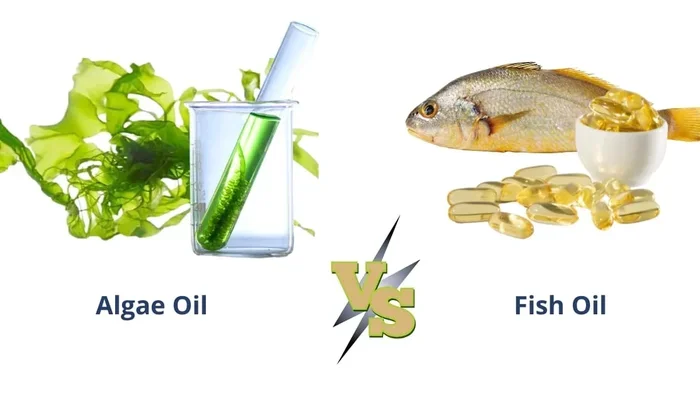
Vegetarian omega 3 supplements can be just as effective as fish oil for most people, offering a sustainable and cruelty-free source of essential fatty acids like ALA, EPA, and DHA. Derived from algae and plant-based sources, these alternatives deliver the same heart and brain health benefits without the fishy aftertaste or environmental concerns. If you are looking for a clean, ethical, and allergen-friendly option, plant-based omega 3 might be the better choice for your daily routine.
Key Takeaways
- Vegetarian omega 3 sources like flaxseed provide ALA, but conversion to EPA and DHA is very inefficient.
- Fish oil delivers preformed EPA and DHA directly, making it more bioavailable than plant-based ALA sources.
- Algae oil is the best vegetarian source of EPA and DHA, bypassing the conversion problem entirely.
- Plant-based omega 3 supports heart health but may not match fish oil for brain and joint benefits.
- Fish oil carries potential contamination risks like heavy metals, while vegetarian options are typically cleaner and safer.
- Choose based on your dietary needs, health goals, and sustainability values rather than assuming one is superior.
- Always consult a healthcare provider before switching supplements to ensure you meet your daily omega 3 requirements.
📑 Table of Contents
- What Is Vegetarian Omega 3?
- Understanding Fish Oil and Its Omega 3 Content
- Is Vegetarian Omega 3 Better Than Fish Oil? A Head-to-Head Comparison
- Pros and Cons of Each Option
- How to Choose the Right Omega 3 for You
- Quick Tips for Getting More Omega 3 on a Vegetarian Diet
- Common Mistakes People Make With Omega 3
- Expert Insights on Vegetarian Omega 3 vs Fish Oil
- Key Takeaways
- Final Verdict: Which Omega 3 Wins?
What Is Vegetarian Omega 3?
Omega 3 fatty acids are some of the most important nutrients your body needs. They support heart health, boost brain function, and help fight inflammation. But here is the big question: where should you get them from? If you follow a vegetarian diet or a vegan diet, you may be wondering whether vegetarian omega 3 can match up to the traditional fish oil option.
Vegetarian omega 3 refers to plant-based sources of omega 3 fatty acids. These include things like flaxseed oil, chia seeds, walnuts, and most notably, algae oil. Unlike fish oil, which comes directly from marine sources, these alternatives are derived from plants or microorganisms. The big debate is whether these plant-based omega 3 sources can truly compete with the well-known benefits of fish oil.
In this article, we will break it all down for you. We will compare vegetarian omega 3 with fish oil, look at the science, and help you figure out which option is better for your lifestyle. Whether you are a committed vegan or just curious about switching, this guide has you covered.
Understanding Fish Oil and Its Omega 3 Content
Fish oil has been the go-to source of omega 3 for decades. It is found in the tissues of oily fish like salmon, mackerel, sardines, and tuna. Most omega 3 supplements on the market are made from fish oil because it is rich in two specific types of omega 3:
- EPA (Eicosapentaenoic Acid) – Known for its anti-inflammatory properties and support for heart health.
- DHA (Docosahexaenoic Acid) – Crucial for brain development, eye health, and nervous system function.
Fish oil is widely studied and has a strong track record. Many health organizations recommend it for people who have an omega 3 deficiency. It is available in liquid form or as fish oil capsules, making it easy to add to your daily routine.
Why Fish Oil Has Been the Standard
For years, fish oil was basically the only option for people looking to boost their omega 3 intake. The research behind it is massive. Hundreds of clinical trials have shown that fish oil supports cardiovascular health, reduces triglycerides, and may even help with mood disorders. This deep body of evidence is one reason fish oil has remained the gold standard in omega 3 fatty acids supplementation.
However, fish oil does have some downsides. It can cause a fishy aftertaste, lead to digestive discomfort, and raises concerns about sustainability. Overfishing and ocean pollution are real issues. This is exactly why many people are now turning to vegetarian omega 3 alternatives.
Is Vegetarian Omega 3 Better Than Fish Oil? A Head-to-Head Comparison
So, is vegetarian omega 3 actually better than fish oil? The answer depends on what you are looking for. Let us compare them side by side across several important factors.
Nutrient Profile
The biggest difference lies in the types of omega 3 each source provides. Fish oil delivers EPA and DHA directly. Most vegetarian omega 3 sources, like flaxseed oil, primarily contain ALA (Alpha-Linolenic Acid). Your body must convert ALA into EPA and DHA, but this conversion rate is quite low, often around 5 to 10 percent.
However, algae oil is a game-changer. Algae is where fish actually get their DHA and EPA from. By going straight to the source, algae oil provides both DHA and EPA without any conversion needed. This makes it one of the most effective plant-based supplements for omega 3.
Absorption and Effectiveness
When it comes to omega 3 absorption, fish oil has an edge because EPA and DHA are already in their active forms. ALA from plant sources needs to go through a multi-step conversion process in the body. This means you may need to consume more ALA to get the same benefits as a smaller dose of fish oil or algae oil.
That said, algae oil matches fish oil pretty closely in terms of bioavailability. Several studies have shown that DHA and EPA from algae oil are absorbed just as effectively as those from fish oil. If you want a direct comparison, algae oil clearly wins among vegetarian omega 3 options.
Sustainability and Ethics
This is where vegetarian omega 3 really shines. Fish oil raises serious environmental concerns. Overfishing is depleting ocean ecosystems, and fish oil production can contribute to bycatch and habitat destruction. On the other hand, algae oil is grown in controlled environments and has a much smaller environmental footprint.
For anyone who cares about sustainable omega 3 sourcing, plant-based options like algae oil are the clear winner. You get the same essential fatty acids without harming marine life.
Taste and Digestibility
Let us be honest. Nobody loves the taste of fish oil. Many people complain about the fishy burps, the aftertaste, or an upset stomach after taking fish oil capsules. Vegetarian omega 3 supplements, especially algae oil, tend to be much gentler on the stomach. They also do not leave that unpleasant fishy taste in your mouth.
Flaxseed oil has a nutty, earthy flavor that many people find pleasant. Chia seeds can be easily added to smoothies or yogurt. These options make getting your omega 3 feel less like a chore and more like part of a healthy routine.
Comparison Table: Vegetarian Omega 3 vs Fish Oil
| Factor | Fish Oil | Vegetarian Omega 3 (Algae Oil) | Vegetarian Omega 3 (Flaxseed) |
|---|---|---|---|
| Primary Omega 3 Types | EPA and DHA | EPA and DHA | ALA |
| Absorption Rate | High | High | Low (5-10% conversion) |
| Sustainability | Low to Moderate | High | High |
| Digestibility | Moderate (fishy aftertaste) | Good | Good |
| Heart Health Support | Strong | Strong | Moderate |
| Brain Health Support | Strong | Strong | Moderate |
| Anti-inflammatory Benefits | Strong | Strong | Moderate |
| Price Range | $$ | $$$ | $ |
Pros and Cons of Each Option
Pros of Fish Oil
- Rich in EPA and DHA, the most active forms of omega 3.
- Backed by decades of scientific research.
- Widely available and affordable.
- Strong evidence for heart health and brain function.
Cons of Fish Oil
- Raises sustainability and ethical concerns.
- Can cause fishy aftertaste and digestive issues.
- May contain trace amounts of heavy metals or pollutants.
- Not suitable for vegetarian or vegan lifestyles.
Pros of Vegetarian Omega 3
- Eco-friendly and sustainable sourcing, especially algae oil.
- Algae oil provides DHA and EPA directly, just like fish.
- Gentle on the stomach with no fishy aftertaste.
- Great for vegetarians, vegans, and those with fish allergies.
- Plant-based supplements like flaxseed and chia are versatile and easy to add to food.
Cons of Vegetarian Omega 3
- ALA sources like flaxseed have a low conversion rate to EPA and DHA.
- Algae oil can be more expensive than fish oil.
- Less widely available in some areas.
- Some people are not aware that algae oil exists as an option.
How to Choose the Right Omega 3 for You
Choosing between vegetarian omega 3 and fish oil really comes down to your personal needs, values, and health goals. Here are some practical tips to help you decide:
Consider Your Diet
If you eat fish regularly, fish oil might be a convenient addition to your routine. But if you follow a vegetarian diet or vegan diet, then plant-based options are the obvious choice. Going vegetarian with your omega 3 is easier than ever now, thanks to algae oil and other plant-based omega 3 sources.
Think About Your Health Goals
If you specifically need EPA and DHA for heart health, brain function, or anti-inflammatory benefits, algae oil is your best bet among vegetarian options. If you are okay with a more moderate approach, flaxseed oil and chia seeds can still contribute to your overall omega 3 fatty acids intake, especially when combined with other healthy fats.
Check the Label
Not all omega 3 supplements are created equal. Always check the label for the actual amounts of EPA and DHA per serving. Some products claim to be rich in omega 3 but may not provide enough of the specific fatty acids your body needs. Look for third-party testing and quality certifications to ensure purity and potency.
Talk to a Healthcare Professional
Before starting any new supplement, it is always smart to talk to your doctor or a registered dietitian. They can help you figure out the right dosage and the best source based on your health conditions, medications, and nutritional needs. This is especially important if you have blood thinning conditions or are about to undergo surgery.
Quick Tips for Getting More Omega 3 on a Vegetarian Diet
- Add ground flaxseeds to your oatmeal, smoothies, or baked goods every morning.
- Snack on walnuts instead of processed foods to boost your ALA intake.
- Try algae oil supplements for a direct source of DHA and EPA that rivals fish oil.
- Include chia seeds in your yogurt or overnight oats for an easy omega 3 boost.
- Cook with hemp seed oil or walnut oil instead of regular vegetable oils.
- Eat fortified foods like omega 3 enriched eggs or plant-based milks.
Common Mistakes People Make With Omega 3
Assuming All Omega 3 Sources Are Equal
This is probably the biggest mistake. ALA from flaxseed is not the same as EPA and DHA from fish or algae. Your body has to work much harder to convert ALA into the active forms it needs. Simply eating a lot of flaxseed does not guarantee you are getting enough EPA and DHA in your system.
Ignoring Dosage
Many people take omega 3 supplements but do not pay attention to how much EPA and DHA they are actually getting. A typical recommended intake is 250 to 500 mg of combined EPA and DHA per day. Make sure your supplement meets this benchmark. Just taking a capsule without checking the content is not enough.
Relying Only on One Source
Even if you take a high-quality vegetarian omega 3 supplement, it is wise to also eat whole food sources. A varied approach ensures you get a broader range of nutrients along with your omega 3 fatty acids. Think of it as building a balanced nutritional foundation rather than relying on a single pill.
Not Storing Supplements Properly
Omega 3 oils can oxidize quickly when exposed to light and heat. Always store your fish oil or algae oil capsules in a cool, dark place. Once opened, try to finish them within a few months to maintain freshness and effectiveness.
Expert Insights on Vegetarian Omega 3 vs Fish Oil
Nutrition experts have been increasingly open to plant-based omega 3 options. Dr. Andrew Weil, a well-known integrative medicine specialist, has noted that algae-based DHA supplements are a viable alternative to fish oil, especially for those who want to avoid the environmental impact of fishing. Many dietitians now recommend algae oil as a reliable source of DHA and EPA for their vegetarian and vegan clients.
The key takeaway from the experts is this: if you are going vegetarian, make sure you choose an algae-based supplement that provides both DHA and EPA directly. Do not rely solely on ALA sources like flaxseed because the conversion rate is simply too low to meet your daily needs effectively.
Some researchers also point out that the omega 3 absorption from algae oil may even be slightly better than fish oil in certain forms. Algae oil is often processed in a way that keeps the fatty acids in a phospholipid form, which some studies suggest may be easier for the body to use. This is an exciting area of research that continues to evolve.
Key Takeaways
- Vegetarian omega 3 options like algae oil can match fish oil in providing EPA and DHA directly to your body.
- Flaxseed and other ALA-rich foods are great additions but should not be your only source of omega 3.
- Algae oil is the most sustainable and ethical source of omega 3 fatty acids available today.
- Fish oil remains a solid choice if you are not vegetarian, but it comes with environmental and ethical trade-offs.
- Always check labels for actual EPA and DHA content, and consult a healthcare provider before starting any new supplement.
Final Verdict: Which Omega 3 Wins?
So, is vegetarian omega 3 better than fish oil? The honest answer is: it depends on your priorities. If your main goal is getting the most EPA and DHA with the best absorption, both fish oil and algae oil are excellent choices. They deliver similar results for heart health, brain function, and reducing inflammation.
However, if sustainability, ethics, and being kind to the planet matter to you, then vegetarian omega 3 wins hands down. Algae oil gives you the same powerful fatty acids without the environmental cost. Plus, it is free from the fishy aftertaste and digestive issues that many people experience with fish oil capsules.
For those who prefer a budget-friendly approach, combining flaxseed oil or chia seeds with an algae oil supplement can be a smart strategy. This way, you get the direct DHA and EPA from algae while also benefiting from the fiber and other nutrients found in whole plant sources.
Bottom line: vegetarian omega 3 is not just a decent alternative to fish oil. For many people, it is actually the better choice. The science supports it, the planet supports it, and your body will thank you for it. Whatever you decide, the most important thing is to make omega 3 a priority in your daily routine. Your heart, your brain, and your overall health will benefit greatly from it.
Frequently Asked Questions
Is Vegetarian Omega 3 Better Than Fish Oil?
Both sources offer benefits, but vegetarian omega 3 is often considered better for those who follow a plant-based diet or want to avoid marine-derived products. Fish oil contains EPA and DHA directly, while plant sources provide ALA, which your body converts to these fatty acids at a lower rate. Ultimately, the best choice depends on your dietary preferences, health goals, and ethical values.
What Are the Main Differences Between Plant-Based Omega 3 and Fish Oil?
Fish oil provides EPA and DHA in their active forms, meaning your body can use them right away without conversion. Vegetarian omega 3 sources like flaxseed, chia seeds, and algae oil mainly offer ALA, which requires your body to convert it into EPA and DHA. Algae-based supplements are a notable exception because they contain DHA directly, similar to fish oil.
Which Is Better for Heart Health – Vegetarian Omega 3 or Fish Oil?
Fish oil has a stronger track record in clinical studies for supporting heart health because it delivers EPA and DHA directly. However, vegetarian omega 3 from algae oil can provide the same EPA and DHA benefits without relying on fish sources. Both can lower inflammation and support healthy cholesterol levels when taken consistently.
Can You Get Enough Omega 3 From Vegetarian Sources Alone?
It is possible, but it requires careful planning because plant-based omega 3 sources are rich in ALA rather than the more active EPA and DHA forms. Eating flaxseeds, walnuts, hemp seeds, and algae oil regularly can help you meet your daily needs. Many people also choose a vegan omega 3 supplement to ensure they get adequate DHA levels.
Are There Side Effects of Choosing Vegetarian Omega 3 Over Fish Oil?
Vegetarian omega 3 supplements typically cause fewer side effects than fish oil, such as fishy burps or stomach discomfort. Plant-based options are also less likely to contain heavy metals or environmental contaminants found in some fish oil products. The main consideration is that ALA conversion rates are low, so you may need a higher intake or an algae-based DHA supplement.
Is Fish Oil or Algae-Based Omega 3 Better for the Environment?
Algae-based omega 3 is widely regarded as the more sustainable choice because it does not contribute to overfishing or ocean ecosystem disruption. Fish oil production relies on harvesting marine life, which can impact biodiversity and fish populations over time. Choosing vegetarian omega 3 from algae supports a smaller environmental footprint while still delivering the same essential fatty acids.