Is Tuna Fish or Tuna Steak Better
Is tuna fish or tuna steak better? The answer depends on your taste, nutrition goals, and how you like to prepare your seafood. Both options deliver omega-3 fatty acids and lean protein, but they differ in texture, mercury levels, and cooking versatility. Let’s break down everything you need to know.
Key Takeaways
- Tuna steak offers a richer flavor and firmer texture: It is ideal for grilling, searing, and serving as a premium dish.
- Canned tuna fish is more affordable and convenient: It works great for quick meals, salads, and sandwiches.
- Mercury levels vary between the two: Tuna steak from larger species often contains more mercury than smaller canned tuna.
- Both are excellent sources of lean protein: You get roughly 20-25 grams of protein per serving from either option.
- Cooking method matters for nutrition: Grilling or baking preserves more omega-3 fatty acids than frying.
- Tuna is a saltwater fish: Understanding its habitat helps you judge quality and freshness.
- Both can fit a healthy diet: Moderation and smart preparation are key to enjoying either option safely.
📑 Table of Contents
What’s the Difference Between Tuna Fish and Tuna Steak?
Before we answer is tuna fish or tuna steak better, let’s clear up the basics. Tuna fish and tuna steak come from the same fish. The difference lies in how they are cut, processed, and served.
Tuna fish usually refers to canned tuna or small fillets. It is often packed in water or oil. You can eat it straight from the can or use it in recipes. It is soft, flaky, and very budget-friendly.
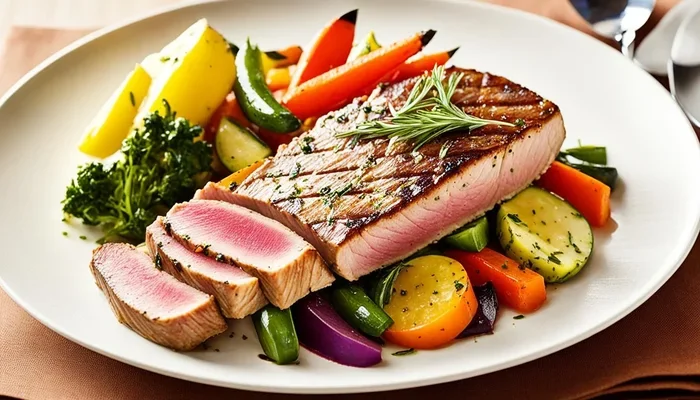
Tuna steak comes from the loin of the fish. It is cut into thick, steak-like portions. You typically grill, sear, or bake it. It has a firmer texture and a more robust, meaty flavor. Think of it as the premium cut of the seafood world.
How They Are Caught and Processed
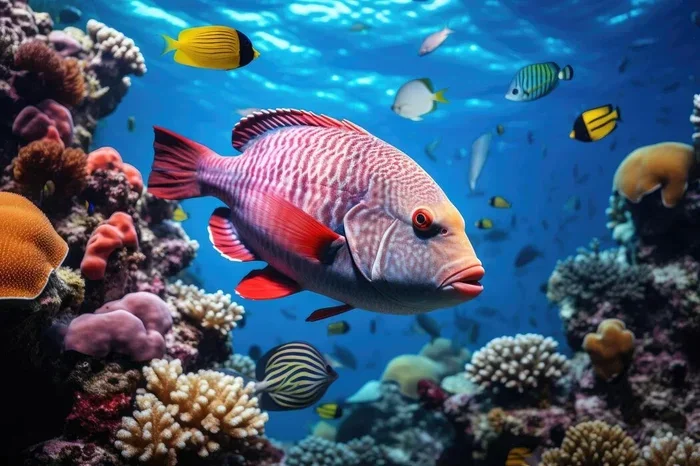
Tuna is a large saltwater fish found in oceans worldwide. Commercial fishing boats catch tuna using longlines or purse seines. For tuna steak, manufacturers cut the loin section carefully. For canned tuna, the fish is cooked, cleaned, and packed in cans or pouches.
If you want to learn more about how tuna compares to other popular fish, check out this comparison of salmon and tuna to see how these two seafood favorites stack up.
Nutritional Comparison: Tuna Fish vs Tuna Steak
Nutrition is often the biggest concern when deciding between these two. Both are packed with protein and healthy fats. But the numbers do shift depending on the form.
Protein Content
Both options deliver impressive protein. A typical 3-ounce serving of tuna steak provides about 22-25 grams of protein. Canned tuna fish offers roughly 20-22 grams per serving. The difference is small, so you are getting quality lean protein either way.
Omega-3 Fatty Acids
Omega-3 fatty acids are one of the main reasons people eat tuna. These healthy fats support heart health, brain function, and inflammation control. Fresh tuna steak tends to retain more omega-3s, especially when cooked gently. Canned tuna still has omega-3s, but the canning process can reduce levels slightly.
Vitamins and Minerals
Tuna is rich in several important nutrients:
- Vitamin D: Supports bone health and immune function.
- Selenium: Acts as a powerful antioxidant.
- B vitamins: Help convert food into energy.
- Potassium: Supports heart rhythm and blood pressure.
Fresh tuna steak generally has higher vitamin D levels. Canned tuna still provides good amounts of selenium and B vitamins. Both are excellent choices for boosting your nutrient intake.
Calorie and Fat Content
| Nutrient (per 3 oz serving) | Tuna Steak | Canned Tuna Fish |
|---|---|---|
| Calories | ~130 kcal | ~100-150 kcal |
| Protein | ~25 g | ~22 g |
| Total Fat | ~1-3 g | ~1-8 g (varies by oil/water) |
| Omega-3s | ~1.5-2 g | ~0.5-1.5 g |
| Mercury | Moderate to High | Low to Moderate |
As you can see, the numbers are close. Canned tuna packed in water is typically lower in calories than tuna steak cooked with oil. But tuna steak usually wins for omega-3 content.
Taste and Texture: Which One Wins Your Palate?
Let’s talk about what matters most to your taste buds. Is tuna fish or tuna steak better when it comes to flavor?
Tuna Steak Flavor Profile
Tuna steak has a rich, meaty, and slightly sweet flavor. The texture is firm and dense, almost like a beef steak. When seared properly, the outside gets a golden crust while the inside stays tender. Some people describe it as having a clean, ocean-fresh taste without being too fishy.
You can serve tuna steak with a variety of seasonings. Popular options include sesame crust, garlic butter, or a simple squeeze of lemon. Grilled tuna steak is a favorite at restaurants and home kitchens alike.
Canned Tuna Flavor Profile
Canned tuna has a milder, more savory taste. It is soft and flaky, making it perfect for mixing into dishes. Many people enjoy it in sandwiches, salads, pasta, and rice bowls. The flavor can vary depending on whether it is packed in water, oil, or brine.
Some find canned tuna a bit strong or “fishy.” But with the right recipes, it becomes a versatile ingredient that many people love. If you are new to cooking with canned tuna, try mixing it with mayo, celery, and spices for a classic tuna salad.
Expert Insight: Texture Matters
Chefs often say the texture difference is the biggest factor. Tuna steak delivers a restaurant-quality experience. Canned tuna offers convenience and ease. Neither is objectively better. It depends on the meal you want to create.
Health Benefits of Each Option
Both tuna fish and tuna steak bring serious health benefits. Let’s explore what each one offers.
Heart Health
Tuna is one of the best sources of omega-3 fatty acids. These fats help lower triglycerides, reduce blood pressure, and decrease inflammation. Eating tuna regularly is linked to a lower risk of heart disease. Tuna steak may have a slight edge here due to higher omega-3 retention.
Weight Management
Both options are low in calories and high in protein. This makes them excellent for anyone trying to manage their weight. Protein keeps you full longer and helps maintain muscle mass. A can of tuna fish or a grilled tuna steak can be the centerpiece of a healthy, satisfying meal.
Brain Health
The omega-3s in tuna also support brain function. Studies suggest that regular fish consumption is linked to better memory and cognitive performance. Vitamin D, which tuna provides, also plays a role in brain health and mood regulation.
Quick Tips for Maximizing Health Benefits
- Choose tuna packed in water instead of oil for fewer calories.
- Cook tuna steak using gentle methods like grilling or baking.
- Avoid overcooking. Overcooked tuna loses moisture and some nutrients.
- Pair tuna with vegetables and whole grains for a balanced meal.
- Limit consumption to 2-3 servings per week due to mercury concerns.
Common Mistake: Ignoring Mercury Levels
One of the biggest mistakes people make is not paying attention to mercury. Tuna is a larger fish that can accumulate mercury over time. Tuna steak from bluefin or bigeye tuna tends to have higher mercury levels. Canned light tuna generally has less mercury than canned albacore.
To stay safe, rotate your tuna intake with other seafood. If you are pregnant or nursing, talk to your doctor about safe tuna consumption levels. This does not mean you need to avoid tuna. It just means enjoying it in moderation.
Understanding how tuna fits into a broader diet is helpful. For instance, comparing freshwater or saltwater fish can help you make more informed choices about the types of seafood you eat regularly.
How to Cook Tuna Fish and Tuna Steak
Cooking method changes everything. The right technique brings out the best in each type of tuna. Let’s go over the best ways to prepare both.
How to Cook Tuna Steak
- Choose a good cut: Look for steaks that are bright red or pink. Avoid any that look dull or brown.
- Pat it dry: Remove moisture from the surface. This helps create a nice sear.
- Season simply: Salt, pepper, and garlic work well. You can also add sesame seeds or a spice rub.
- Sear hot and fast: Heat a skillet to high heat. Add a bit of oil. Sear each side for 1-2 minutes. The center should remain cool and pink.
- Rest before slicing: Let the steak rest for a few minutes. This keeps the juices inside.
Grilling is another fantastic option. Preheat your grill to high heat. Place the steaks directly on the grates. Cook for about 2-3 minutes per side. You will get a beautiful char and smoky flavor.
How to Prepare Canned Tuna Fish
Canned tuna is already cooked. You can eat it straight from the can, but it tastes much better with a little preparation.
- Tuna salad: Mix with mayo, mustard, celery, and pickles. Serve on bread or in a wrap.
- Tuna pasta: Toss with olive oil, garlic, cherry tomatoes, and spinach.
- Tuna rice bowls: Combine with rice, soy sauce, avocado, and cucumber.
- Tuna melt: Layer on bread with cheese and broil until bubbly.
- Tuna stew: Simmer with potatoes, carrots, and broth for a hearty dish.
Quick Tip: Elevate Canned Tuna
Even though canned tuna is simple, you can make it taste gourmet. Add a drizzle of olive oil, a squeeze of lemon, and some fresh herbs. A pinch of smoked paprika also adds depth. Do not underestimate the power of simple seasonings!
Which One Should You Choose?
So, is tuna fish or tuna steak better? The honest answer is: it depends on your situation. Let’s break it down by scenario.
Choose Tuna Steak If You:
- Want a premium dining experience at home or at a restaurant.
- Prefer a firm, meaty texture with a rich flavor.
- Are looking to maximize your omega-3 intake.
- Enjoy cooking and want a show-stopping main dish.
- Want a low-calorie option that still feels satisfying.
Choose Canned Tuna Fish If You:
- Need a quick, budget-friendly protein source.
- Are meal prepping or packing lunches.
- Want convenience and a long shelf life.
- Enjoy versatile ingredients for salads, sandwiches, and snacks.
- Are watching your sodium and want to control added ingredients.
You Can Also Enjoy Both!
There is no rule that says you can only pick one. Tuna steak for a weekend dinner. Canned tuna for a quick weekday lunch. Both are delicious, nutritious, and packed with benefits. The best choice is the one that fits your lifestyle and taste preferences.
For more insights on choosing between different types of seafood, you might find this sea fish versus freshwater fish guide helpful. It covers how ocean-caught fish like tuna compare to their freshwater counterparts in terms of nutrition and flavor.
Conclusion: Finding the Right Tuna for You
The debate over is tuna fish or tuna steak better does not have a single answer. Both options are packed with lean protein, omega-3 fatty acids, and essential nutrients. Tuna steak delivers a richer flavor and firmer texture, perfect for grilled or seared dishes. Canned tuna fish offers convenience, affordability, and endless recipe possibilities.
Your best bet is to enjoy both as part of a balanced diet. Rotate between tuna steak nights and quick tuna salads during the week. Pay attention to mercury levels and aim for 2-3 servings of tuna per week. With smart choices and good preparation, you get to enjoy the best of both worlds.
So next time you are at the grocery store or scanning a menu, do not hesitate. Grab that tuna steak or crack open a can. Either way, you are making a healthy, delicious choice that your body and taste buds will thank you for.
Frequently Asked Questions
Is tuna steak healthier than canned tuna fish?
Both are healthy, but tuna steak generally has higher omega-3 fatty acid content. Canned tuna is still nutritious but may have slightly lower omega-3 levels due to processing. The healthiest option depends on how you prepare it and how often you eat it.
Can I eat tuna every day?
Most health experts recommend eating tuna 2-3 times per week. Tuna can contain mercury, which builds up with frequent consumption. Eating it in moderation helps you enjoy the benefits without the risks. Mixing in other fish like salmon or sardines is also a smart strategy.
What is the best way to cook tuna steak?
Searing and grilling are the top methods for tuna steak. Heat your pan or grill to high heat, cook each side for 1-3 minutes, and keep the center pink. This preserves moisture and flavor. Avoid frying in heavy oil, which adds unnecessary calories and can reduce omega-3 benefits.
Does canned tuna have the same protein as tuna steak?
Almost. A serving of canned tuna provides about 20-22 grams of protein, while tuna steak offers around 22-25 grams. The difference is small. Both are excellent sources of lean protein for building and maintaining muscle.
Is tuna fish or tuna steak better for weight loss?
Both are great for weight loss because they are low in calories and high in protein. Canned tuna in water is slightly lower in calories. Tuna steak is more filling due to its firmer texture. Choose whichever fits your meal plan and cravings best to stay consistent with your diet.
What should I look for when buying tuna steak?
Look for bright, vibrant color. The fish should smell fresh, not overly fishy. Buy from reputable sources, and check the label for sustainably caught options. Sushi-grade tuna is the safest choice if you plan to eat it rare or lightly cooked. Fresh tuna steak should feel firm to the touch.