Is Trout Fishing Better in the Rain
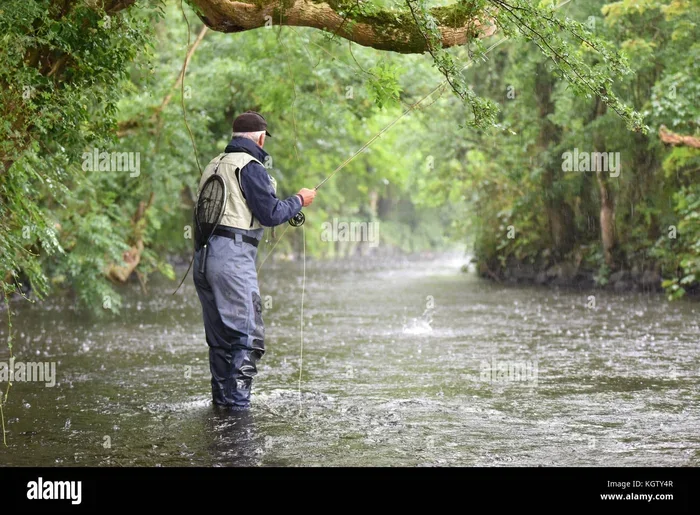
Yes, trout fishing can be better in the rain. Rain triggers trout feeding activity, lowers water light levels, and washes insects into streams, creating ideal conditions for anglers. Whether you fish light drizzle or steady rainfall, understanding how rain affects trout helps you plan successful trips.
There is something magical about trout fishing in the rain. The sound of raindrops hitting the water, the misty mountains, and the thrill of hooking a trout when most people are sitting at home — it is hard to beat. But does rain actually make trout fishing better? The short answer is yes, and there is real science behind it.
Trout are sensitive creatures. They respond to changes in weather, water temperature, light levels, and food availability. Rain affects all of these factors at once. This is why many experienced anglers chase trout when the skies open up. In this guide, we will explore why trout fishing is better in the rain, what to expect, and how you can make the most of your next rainy-day fishing trip.
If you have ever wondered whether fishing in the rain is worth the effort, keep reading. We will break down everything you need to know, from trout behavior to gear tips and safety advice.
Key Takeaways
- Rain stimulates trout feeding: Trout become more active and aggressive during and after rainfall.
- Lower light levels help: Overcast rainy skies make trout less wary and more willing to bite.
- Insects wash into streams: Rain triggers natural insect activity, giving trout an easy food source.
- Proper gear matters: Wearing the right rain gear and using dark lures boosts your success rate.
- Safety first: Always check weather conditions and water levels before heading out in the rain.
📑 Table of Contents
- Why Trout Fishing Improves in the Rain
- How Rain Affects Trout Behavior
- Best Types of Rain for Trout Fishing
- Gear and Tackle for Rainy Trout Fishing
- Safety Tips for Fishing in the Rain
- Common Mistakes to Avoid When Trout Fishing in the Rain
- Expert Tips for Catching Trout in the Rain
- Comparing Trout Fishing: Rain vs. Clear Days
- Final Thoughts
Why Trout Fishing Improves in the Rain
Trout fishing during rainy weather offers unique advantages that clear-sky days simply cannot match. Understanding these benefits helps you appreciate why so many dedicated anglers welcome the rain.
Rain Triggers Feeding Activity
When rain hits the water surface, it creates vibrations and disturbs the stream bed. This sends insects, larvae, and other food sources floating into the current. Trout notice this immediately. They move into feeding positions and become more aggressive. Trout feeding patterns change during rain, and you will often see them actively rising to the surface.
This is very similar to what happens with why fish bite better in the rain. The rain creates a natural buffet, and trout take full advantage. You will find them holding in seams, behind rocks, and near inlets where food collects.
Lower Light Levels Make Trout Less Wary
Rain clouds block sunlight, which dims the water. Trout have excellent eyesight, and bright conditions can make them cautious. Overcast, rainy skies give them a sense of security. They venture into shallower water and move closer to the surface. This means you can fish areas that are normally too exposed during sunny days.
If you have ever struggled to get trout to bite on a bright day, rainy weather might be your answer. The reduced light puts trout at ease, and they are less likely to spook at your presence or your line.
Water Temperature Changes
Rain cools the water surface, especially during warmer months. Trout prefer cool, oxygen-rich water. A light rain can bring water temperatures into the trout comfort zone. This makes them more active and willing to chase your lure or fly.
However, heavy cold rain in winter can drop temperatures too low. In those cases, trout slow down and become less responsive. Timing matters. A gentle spring or summer rain is often the sweet spot for trout fishing in wet conditions.
How Rain Affects Trout Behavior
Trout behavior shifts noticeably when it rains. Understanding these changes helps you adjust your approach and catch more fish. Here is what happens beneath the surface when the rain starts.
Trout Move Closer to the Surface
During rain, insects fall onto the water continuously. Trout respond by moving up in the water column. They feed on the surface and in the top few feet. This is great news for fly fishers. Dry flies and emergers become extremely effective when it is raining.
Even if you are not a fly fisherman, this behavior matters. Lures fished near the surface will produce more strikes during rain. Try topwater baits or inline spinners that run in the upper water column.
Trout Spread Out
On clear days, trout tend to stack up in specific holding spots. Rain changes the current and stirs things up. Trout spread out across the stream to take advantage of newly available food. You may find trout in spots you would normally overlook. Try fishing areas near bank overhangs, fallen trees, and creek mouths.
Rain Creates Current Variations
Rain increases water flow and creates new current seams. These seams are natural holding areas for trout. They sit in the slower water behind rocks and ledges, waiting for food to wash by. Rain makes these seams more pronounced and easier to identify.
When fishing in the rain, focus on seams, eddies, and pools. These are where trout will be feeding comfortably. If you want to learn more about how water conditions affect fishing, check out our guide on is fishing better when water is rising or falling.
Best Types of Rain for Trout Fishing
Not all rain is created equal when it comes to trout fishing. The type, intensity, and duration of rain all matter. Here is a breakdown of what works best.
Light Drizzle
Light drizzle is often the best rain for trout fishing. It dims the light just enough to make trout feel safe. It triggers insect activity without creating dangerous water conditions. The water remains clear enough for trout to see your lure or fly easily.
During a light drizzle, trout feed steadily and confidently. This is the perfect time to fish. Many anglers consider this the ideal rainy day fishing condition.
Steady Moderate Rain
Steady moderate rain works well too. It creates more surface disturbance and washes more food into the stream. Trout become more active and aggressive. However, the water may become slightly stained. This is where darker lures and brighter fly patterns shine.
Heavy Downpour
Heavy rain can be tricky. It muddies the water significantly and raises the flow rate fast. Trout may retreat to deeper pools and become less active. Safety is also a concern during heavy rain. Flash flooding, slippery banks, and lightning are real risks. If you do head out, focus on deeper pools and slower water sections.
For more on how different weather affects fishing success, read our article on does rain make fishing better or worse.
Gear and Tackle for Rainy Trout Fishing
Having the right gear makes a big difference when trout fishing in the rain. You want to stay comfortable and present your bait or lure effectively.
Rain Gear
Invest in a quality waterproof jacket and pants. Breathable fabrics work best because they keep you dry without making you overheated. Waterproof boots with good ankle support are essential. Wet feet ruin a fishing trip fast.
Bring a waterproof hat and gloves if the temperature drops. Staying warm and dry keeps you focused on the fish instead of your discomfort.
Lure and Fly Selection
Rain tends to stain the water with sediment. This means you need colors that stand out. Dark lures like black, brown, and dark olive work well in stained water. Bright colors like chartreuse and orange can also be effective in low-light conditions.
For fly fishers, try streamers, Woolly Buggers, and attractor patterns. These imitate the insects and baitfish that trout key on during rain. Spin fishermen can use small crankbaits, spoons, or inline spinners in natural colors.
Line and Leader Choices
Consider using a slightly heavier leader or tippet in stained water. Trout can see your line more easily when the water is clear, but rain reduces their visibility. A thicker leader helps you detect strikes and turn fish faster.
If you use braided line, it casts well in the wind that often accompanies rain. Monofilament and fluorocarbon leaders provide the right amount of stretch and invisibility in slightly off-color water.
Safety Tips for Fishing in the Rain
Rain fishing can be rewarding, but safety must come first. Rivers and streams can change quickly during rainfall. Here are some important safety tips to keep in mind.
- Check the forecast before you go. Avoid fishing during thunderstorms or lightning. Seek shelter immediately if thunder starts.
- Watch water levels. Rising water is dangerous. If the stream is swelling, move to higher ground.
- Wear slip-resistant footwear. Wet rocks and banks are extremely slippery. Studded boots or cleats help a lot.
- Bring extra layers. Hypothermia is a real risk, even in summer. Wet cold weather can drain your body heat fast.
- Tell someone your plans. Let a friend or family member know where you are going and when you expect to return.
Fishing in the rain does not have to be dangerous. With proper preparation and common sense, you can enjoy a safe and productive trip.
Common Mistakes to Avoid When Trout Fishing in the Rain
Even experienced anglers make mistakes on rainy days. Avoid these common errors to improve your success rate.
Using Bright or Flashy Lures in Clear Water
If the rain is light and the water is still relatively clear, flashy lures can spook trout. Stick to natural or subdued colors until the water stains more.
Ignoring Water Temperature
Cold rain can drop water temperatures below the trout comfort zone. If the water feels too cold, trout will be sluggish. Try deeper pools where the water retains warmth better.
Fishing Too Shallow in Fast Water
During heavy rain, the current runs fast and the water rises. Fishing shallow water in fast current is frustrating and often fruitless. Focus on deeper pools and slower seams instead.
Forgetting to Adjust Your Approach
Rain changes everything. What worked on a sunny day may not work on a rainy day. Be willing to switch up your techniques, locations, and presentations. Adaptability is the key to fishing success in the rain.
Expert Tips for Catching Trout in the Rain
Here are some pro tips that can help you hook more trout when it is raining.
- Fish near inlets and outlets. These areas collect food washed in by the rain. Trout stack up here to feed.
- Use a darker or brighter color scheme. Stained water demands high-visibility presentations.
- Slow your retrieve down. Trout may be less active in cold rain. A slower presentation gives them time to find your lure.
- Fish the banks. Rain pushes insects along the shoreline. Trout follow the edges to feed on them.
- Stay patient. Rain can be unpredictable. Give your spots time to produce before moving on.
These tips come from years of on-the-water experience. They apply whether you are fishing a mountain stream, a stocked pond, or a river. For additional insight on how weather patterns affect fishing, see our piece on is fishing better after rain.
Comparing Trout Fishing: Rain vs. Clear Days
Wondering how rain fishing stacks up against fishing on a clear day? Here is a quick comparison.
| Factor | Rainy Days | Clear Days |
|---|---|---|
| Trout Activity | Higher — trout feed more aggressively | Moderate — trout feed in specific spots |
| Light Levels | Low — trout less wary | Bright — trout more cautious |
| Food Availability | High — insects wash into streams | Lower — less natural food movement |
| Water Clarity | Stained — use bright or dark lures | Clear — use natural or subtle colors |
| Comfort | Challenging — wet and cold | Easy — dry and comfortable |
| Safety Risk | Higher — slippery banks, lightning | Lower — stable conditions |
As you can see, rain offers advantages for trout fishing that clear days simply cannot match. The trade-off is comfort and safety. But for those willing to get a little wet, the rewards can be excellent.
Final Thoughts
Trout fishing in the rain is one of the most exciting and productive ways to spend a day on the water. Rain triggers trout feeding, lowers their guard, and brings food into the water column. Whether you fish a light drizzle or steady moderate rain, you are likely to see improved results compared to bright sunny days.
Remember to dress properly, stay safe, and adjust your techniques to match the conditions. The rain creates challenges, but it also creates opportunities. The anglers who embrace fishing in wet weather often come home with the best catches of the season.
Next time the forecast calls for rain, do not pack up your gear. Grab your rod, pull on your rain jacket, and head to your favorite trout stream. You might just discover that your best fishing days happen when it is raining.
Frequently Asked Questions
Is trout fishing better in the rain or after the rain?
Both have their advantages. During the rain, trout feed actively on insects washed into the water. After the rain, water clarity may improve and trout continue feeding aggressively. Many anglers find that fishing right after a rain stop can be equally productive, especially if the water has settled slightly.
What kind of rain is best for trout fishing?
Light to moderate rain works best. It dims the light, triggers insect activity, and stimulates trout feeding without making the water too muddy or dangerous. Heavy downpours can reduce visibility and make conditions unsafe.
Do trout bite more when it is raining?
Yes, trout often bite more when it is raining. The combination of lower light levels, increased food availability, and cooler water temperatures makes trout more active and willing to take your lure or fly.
What color lures work best for trout fishing in the rain?
Dark colors like black, brown, and dark olive work well in stained water. Bright colors like chartreuse and orange are also effective because they stand out in low-light, off-color conditions. Natural colors work better in light rain when the water stays relatively clear.
Is it safe to fish for trout in the rain?
It can be safe if you take proper precautions. Avoid fishing during thunderstorms or lightning. Watch water levels and stay away from fast-rising streams. Wear slip-resistant boots and dress in layers to stay warm and dry.
Can I catch trout in the rain using a spinning rod?
Absolutely. Spinning rods work great for trout fishing in the rain. Use small spinners, spoons, or inline lures. Fish near seams, inlets, and along the banks where rain pushes food into the current.