Is Trout Fishing Better in Summer or Winter
Trout fishing changes a lot between summer and winter. In summer, trout are active, feed more, and can be found in cooler water spots. In winter, trout slow down and stay in deeper pools. Understanding these seasonal shifts helps you pick the right time, place, and technique for better results.
Trout fishing is one of the most popular outdoor activities for anglers of all skill levels. But when exactly is the best time to cast your line? The answer depends on the season. Trout fishing in summer feels completely different from trout fishing in winter. Each season brings its own challenges and rewards.
Fish behavior shifts with the temperature. In warm months, trout feed more often and move around more. In cold months, they conserve energy and stay in fewer spots. If you want to maximize your catch rates, you need to understand how trout act in each season. This guide breaks it all down for you.
Whether you are a beginner or a seasoned angler, knowing when and how to fish for trout makes a huge difference. Let us dive into the details of seasonal trout fishing and help you plan your next trip the right way.
Key Takeaways
- Summer trout fishing offers longer feeding windows and more active fish in cooler water zones.
- Winter trout fishing requires patience but can reward anglers who target deep, slow-moving pools.
- Water temperature is the biggest factor in trout behavior across both seasons.
- Morning and evening hours matter more in summer, while midday can work better in winter.
- Choosing the right bait and technique for each season dramatically improves your chances.
- Weather patterns like rain and storms affect trout activity in both summer and winter.
- Knowing where trout hide in each season is just as important as knowing when to fish.
📑 Table of Contents
- Understanding Trout Behavior Across Seasons
- Summer Trout Fishing: What to Expect
- Winter Trout Fishing: What to Expect
- Summer vs Winter Trout Fishing: A Side-by-Side Comparison
- Tips for Fishing Trout in Any Season
- Common Mistakes to Avoid
- Expert Insights on Seasonal Trout Fishing
- Final Thoughts on Trout Fishing by Season
Understanding Trout Behavior Across Seasons
Trout are cold-water fish. They thrive in temperatures between 50 and 65 degrees Fahrenheit. When the water gets too warm or too cold, their behavior changes a lot. Understanding these changes is the first step to fishing smarter.
How Water Temperature Affects Trout
Water temperature controls almost everything trout do. In summer, surface water heats up fast. Trout move to deeper or shaded areas to find cooler water. In winter, the opposite happens. Cold water slows their metabolism down. They eat less and move less.
Here is what happens at different water temperatures:
- Below 40°F: Trout become very sluggish. They barely feed.
- 40 to 50°F: Trout are moderately active. They feed in short bursts.
- 50 to 65°F: This is the sweet spot. Trout are most active and feed regularly.
- Above 65°F: Trout get stressed. They seek out cold-water refuges.
These ranges explain why summer and winter trout fishing require different strategies. You cannot use the same approach year-round.
Summer Trout Feeding Habits
During summer, trout feed heavily in the early morning and late evening. The water is cooler at these times. Insects are abundant, and trout take advantage of this. They move to riffles, pools, and shaded undercut banks to hunt.
In the heat of the day, trout retreat to deeper pools. They still feed, but less aggressively. Summer trout fishing success often comes down to timing your trip around cooler hours.
Winter Trout Feeding Habits
In winter, trout metabolism drops significantly. They do not need to eat as much. Their feeding windows are shorter and more predictable. They tend to stay in deep pools where the water temperature is more stable.
Winter trout are not completely inactive. On warmer winter days, they can still be tempted with the right presentation. But you need to slow down your approach. Patience is the most important tool for winter trout fishing.
Summer Trout Fishing: What to Expect
Summer offers some of the most exciting trout fishing opportunities. The days are long, insects are hatching, and trout are feeding with energy. But summer also brings challenges that every angler should prepare for.
Best Times to Fish for Trout in Summer
The early bird gets the trout in summer. The best hours are typically from dawn until mid-morning. After that, the sun heats the water and trout become less active. Then, the evening bite picks up again around sunset.
If you can fish during these windows, you will see much better results. Fishing in the morning is especially productive because insects are active and the water is coolest. If your schedule does not allow early mornings, try evening sessions instead.
Keep in mind that fishing at night or during the day can also work on particularly hot days. Trout may move into shaded areas during midday. Look for overhanging trees, rock ledges, and deep pools.
Top Techniques for Summer Trout
There are several techniques that work well for summer trout:
- Fly fishing: Match the hatch. Watch for insects on the water surface and use flies that imitate them.
- Spin fishing: Use small spinners or spoons that mimic baitfish or insects.
- Natural bait fishing: Worms, crickets, and minnows work great in summer.
- Sight fishing: In clear summer water, you can often spot trout in shallow areas.
Each technique has its place. Fly fishing is especially popular because summer hatches are strong. But do not overlook bait fishing if you want a simpler approach.
Where to Find Trout in Summer
Trout seek out cool water in summer. They will hold in:
- Deep pools below riffles
- Shaded areas under overhanging trees and bushes
- Spring-fed streams where the water stays cold
- Tailwaters below dams where water releases from deep, cold reservoirs
- Undercut banks and log jams
Focus your efforts on these spots and you will find trout holding in them all summer long. Also check weather conditions before you go. Fishing before or after a rain event can change trout activity significantly.
Winter Trout Fishing: What to Expect
Winter trout fishing is not for everyone. It requires warm clothing, patience, and a different mindset. But for those who embrace the cold, winter can offer some truly memorable fishing experiences.
Best Times to Fish for Trout in Winter
In winter, trout are more active during the warmest part of the day. Midday is usually the best window. The water has had time to warm up slightly from the sun. Early mornings are often too cold and the fish barely move.
On sunny winter days, try fishing from late morning to early afternoon. Overcast days can also work because the light is softer and trout may feed more confidently. Some anglers even find success fishing right after a storm passes, when barometric pressure changes trigger feeding.
Top Techniques for Winter Trout
Winter trout fishing demands a slower, more precise approach:
- Fly fishing with nymphs: Nymphs fished deep and slow work best in cold water.
- Small bait presentations: Use tiny worms or live bait fished close to the bottom.
- Slow retrieve techniques: If using lures, retrieve them very slowly to match the trout’s reduced energy.
- Dead drifting: Letting bait drift naturally with the current is extremely effective in winter.
The key in winter is to make your presentation look as natural as possible. Trout are not willing to chase fast-moving prey. They want an easy meal right in front of them.
Where to Find Trout in Winter
In winter, trout stay in deep pools and slow-moving water. They avoid shallow areas where the water is coldest. Look for:
- Deep pools that are at least four to six feet deep
- Slow-moving runs with gentle current
- Areas near the bottom where the water stays slightly warmer
- Spring-fed sections of streams that maintain stable temperatures
Finding these spots is critical. If you fish shallow water in winter, you will likely come up empty-handed.
Summer vs Winter Trout Fishing: A Side-by-Side Comparison
Let us put everything side by side so you can see the differences clearly.
| Factor | Summer | Winter |
|---|---|---|
| Water Temperature | Warm, often above 60°F in shallow areas | Cold, often below 45°F |
| Trout Activity | High in early morning and evening | Low, mostly midday |
| Feeding Windows | Longer and more frequent | Short and unpredictable |
| Best Techniques | Fly fishing, spin fishing, bait fishing | Nymph fishing, dead drifting, slow presentations |
| Preferred Locations | Shallow riffles, shaded banks, spring-fed areas | Deep pools, slow runs, tailwaters |
| Catch Difficulty | Moderate | Challenging |
| Comfort Level | Easy and enjoyable | Requires proper cold-weather gear |
As you can see, both seasons have clear advantages. Summer is more forgiving and productive for most anglers. Winter demands more skill and preparation but offers a unique and peaceful fishing experience.
Tips for Fishing Trout in Any Season
No matter what time of year you fish, some tips always apply. Here are the best practices that will improve your results in every season.
Match Your Gear to the Season
Using the right gear makes a big difference. In summer, a lighter rod and thinner line work well because trout are more active and can fight harder. In winter, you may want a slightly heavier setup to handle deeper water and slower presentations.
Also consider your line choice. Clear or green fishing line can make a difference depending on water clarity. In summer, clear water often calls for a more invisible line. In winter, green line can help you see your presentation better in low light.
Pay Attention to the Weather
Weather is one of the biggest factors in trout fishing success. Before every trip, check the forecast. Fishing before or after rain can be very productive because rain stirs up insects and changes water flow. However, fishing right during a heavy storm is usually not worth it.
Similarly, fishing after a storm can be excellent because trout get triggered to feed by the changing conditions. On the other hand, extremely cold or windy days may not be worth the effort.
Observe and Adapt
The best anglers watch the water before they cast. Look for rising fish, insect activity, and current seams. If one spot is not working, move to another. Trout holding in different spots will respond to different techniques.
Adapting to what you see on the water is the single most important skill in trout fishing. No two days are the same, and being flexible will always serve you well.
Common Mistakes to Avoid
Even experienced anglers make mistakes that cost them fish. Here are the most common ones to watch out for:
- Fishing at the wrong time of day: In summer, midday heat kills the bite. In winter, early mornings are often too cold.
- Using the wrong bait size: In winter, downsizing your bait or lure is crucial. In summer, matching the hatch matters most.
- Ignoring water temperature: If the water is too warm in summer or too cold in winter, trout will not feed actively.
- Moving too fast: Winter trout need slow presentations. Summer trout can be spooked by rushed approaches.
- Not dressing properly: Winter fishing without proper layers makes the experience miserable and shortens your time on the water.
Avoiding these mistakes will immediately improve your results. Simple adjustments lead to more fish caught and more enjoyable trips.
Expert Insights on Seasonal Trout Fishing
Experienced trout anglers know that the key to success lies in reading the water and the season. Many top guides agree that water temperature is the number one factor in determining trout behavior. It drives everything from where fish hold to how fast they feed.
Seasonal fishing also depends on understanding the local ecosystem. Insect hatches, water levels, and even the type of trout species in the water all play a role. For example, rainbow trout may behave differently than brown trout in the same body of water during different seasons.
One piece of advice that many experts share is to fish more during transition periods. These are the times when seasons change or when weather fronts move through. Trout often feed heavily before a storm or during the first cool days of autumn. These windows of opportunity can be incredibly productive.
Final Thoughts on Trout Fishing by Season
So, is trout fishing better in summer or winter? The honest answer is that both seasons have their own magic. Summer trout fishing offers more active fish, longer days, and easier access to shallow water. It is the go-to season for most anglers and a great time to introduce newcomers to the sport.
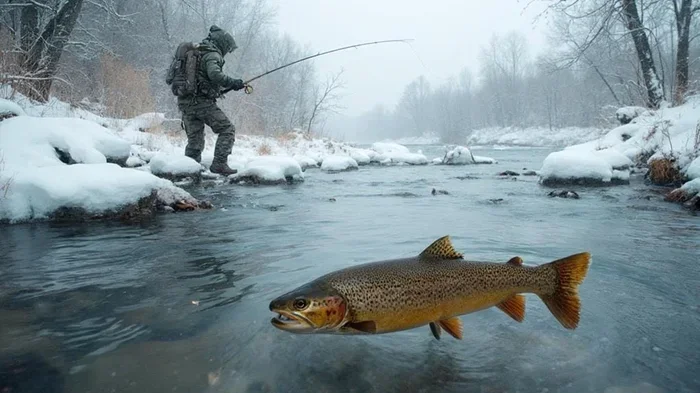
Winter trout fishing is a different kind of challenge. It tests your patience, your skills, and your willingness to endure the cold. But the rewards can be significant. A winter trout caught in a quiet, snow-covered stream is one of the most rewarding experiences in all of fishing.
No matter which season you choose, preparation and knowledge are your best tools. Understand trout behavior, match your techniques to the conditions, and always respect the fish and the water. With the right approach, you can enjoy trout fishing all year long and keep improving your skills with every trip.
The best advice is simple: get out there as often as you can. Every season teaches you something new. Every trip brings you closer to becoming a better angler. So grab your gear, pick your season, and enjoy the time on the water.
Frequently Asked Questions
What is the best time of day for trout fishing in summer?
The early morning and late evening are the best times in summer. The water is coolest during these hours, and trout are most active. Midday fishing can still work on overcast days or in deep, shaded pools.
Can you catch trout in winter?
Yes, you absolutely can. Winter trout fishing is more challenging because fish are less active. But targeting deep pools during the warmest part of the day with slow presentations can yield great results.
Does rain affect trout fishing in summer?
Rain can be very beneficial in summer. It cools the water temperature and washes insects into the stream, triggering trout to feed. Fishing before or after a rain event is often more productive than fishing during clear, hot days.
What bait works best for trout in winter?
Small natural baits like worms work best in winter. Nymphs for fly fishing are also highly effective. The key is to keep your presentation slow and close to the bottom where trout hold in cold water.
Is fly fishing or bait fishing better for seasonal trout?
Both methods work in every season. Fly fishing shines in summer when insect hatches are strong. Bait fishing can be more effective in winter when trout are less willing to chase flies. Choose based on the season and conditions.
How does water temperature affect trout fishing success?
Water temperature is the single biggest factor. Trout are most active between 50 and 65 degrees Fahrenheit. In summer, they seek cooler water. In winter, they slow down in cold water. Matching your strategy to the water temperature dramatically improves your catch rates.
=== CONCLUSION ===
Trout fishing in summer and winter each offer unique experiences and challenges. Summer brings active fish and longer fishing windows. Winter demands patience and precision but rewards those who brave the cold. By understanding trout behavior, water temperature, and seasonal patterns, you can plan your trips for maximum success.
Use the tips and techniques in this guide to improve your seasonal trout fishing strategy. Pay attention to the weather, choose the right gear, and always adapt to the conditions on the water. The more you fish, the better you will get. Tight lines and happy fishing, no matter what season you choose!