Is Triple Sulfa Ok for Betta Fish
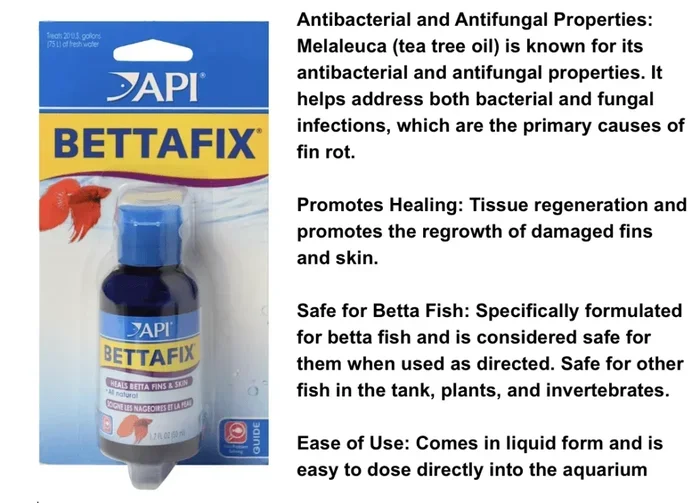
So, is triple sulfa ok for betta fish? Yes, triple sulfa can be a safe and effective medication for betta fish when used correctly. It targets common bacterial infections, but proper dosage and tank maintenance are critical. Below, you will learn everything about using triple sulfa safely.
Key Takeaways
- Triple sulfa is a broad-spectrum antibiotic that can treat bacterial infections in betta fish, including fin rot and columnaris.
- Proper dosage is essential — always follow the manufacturer’s instructions carefully to avoid harming your betta.
- Water quality matters — performing partial water changes during treatment helps support your betta fish health.
- Common mistakes include overdosing and treating without confirming a bacterial infection, which reduces effectiveness.
- Monitor your betta closely during treatment for any adverse reactions or improvements.
- Triple sulfa works best in a clean tank with stable water parameters and a healthy immune system.
📑 Table of Contents
- What Is Triple Sulfa and How Does It Work?
- Is Triple Sulfa Ok for Betta Fish? Benefits and Risks
- How to Safely Use Triple Sulfa on Your Betta Fish
- Common Mistakes to Avoid When Using Triple Sulfa
- Quick Tips and Expert Insights for Using Triple Sulfa
- When Should You NOT Use Triple Sulfa?
- How to Support Your Betta After Treatment
- Conclusion
What Is Triple Sulfa and How Does It Work?
Before we dive into whether is triple sulfa ok for betta fish, let us first understand what this medication actually is. Triple sulfa is a broad-spectrum antibiotic designed for aquarium use. It combines three sulfonamide compounds to target a wide range of bacteria.
This medication works by blocking bacteria from producing folic acid. Without folic acid, bacteria cannot grow or multiply. Your betta fish immune system can then fight off the remaining infection more easily.
What Infections Does Triple Sulfa Target?
Triple sulfa is effective against several common fish diseases. Here are the main ones:
- Fin rot — a bacterial infection that eats away at your betta’s fins and tail.
- Columnaris — a fast-acting disease that causes white patches on the body and gills.
- Bacterial body infections — red streaks or sores appearing on the skin.
- Gill infections — which can cause rapid breathing and gasping for air at the surface.
- Ulcers and open wounds — often caused by poor water quality or injury.
It is important to note that triple sulfa only works against bacterial infections. It will not treat fungal, parasitic, or viral issues. Using it for the wrong problem wastes time and can stress your fish.
Is Triple Sulfa Ok for Betta Fish? Benefits and Risks
The short answer is yes — triple sulfa for betta fish is generally safe when used properly. However, like any medication, it comes with both benefits and potential risks. Let us break them down.
The Benefits of Using Triple Sulfa
Many betta fish owners reach for triple sulfa because it offers several advantages:
- Broad-spectrum coverage — it targets multiple types of bacteria in one dose.
- Easy to use — most products come as a liquid you simply add to the tank.
- Safe for most community tanks — when dosed correctly, it does not harm healthy fish or betta fish tank mates.
- Promotes healing — it creates a hostile environment for bacteria, helping wounds and damaged fins recover.
Potential Risks to Watch For
Even though triple sulfa is generally safe, there are some risks you should know about:
- Overdosing can damage your betta fish immune system and harm beneficial bacteria in your tank.
- Sensitive bettas may show signs of stress, such as clamped fins or hiding, during treatment.
- Water chemistry changes — the medication can alter pH levels and affect water parameters.
- Ineffective if misused — using it on the wrong infection or at the wrong dose makes it useless and may cause resistance.
Comparison: Triple Sulfa vs. Other Common Betta Fish Medications
Not sure how triple sulfa compares to other treatments? Here is a quick comparison table:
| Feature | Triple Sulfa | Melafix | Furan-2 |
|---|---|---|---|
| Infection Type | Bacterial | Bacterial | Fungal & Bacterial |
| Best For | Fin rot, body infections | Mild infections, prevention | Fungal infections, severe cases |
| Ease of Use | Easy | Very easy | Moderate |
| Risk to Sensitive Fish | Low (if dosed correctly) | Very low | Moderate |
| Treatment Duration | 7-10 days | 7 days | 10-14 days |
As you can see, triple sulfa is a solid middle-ground option. It is stronger than Melafix for serious infections but less harsh than Furan-2. For most bacterial issues, it hits the sweet spot between effectiveness and safety.
How to Safely Use Triple Sulfa on Your Betta Fish
Now that you know is triple sulfa ok for betta fish, let us talk about how to use it safely. Proper application makes all the difference between a successful recovery and a stressed fish.
Step-by-Step Treatment Guide
- Quarantine if possible. Moving your betta to a hospital tank protects other fish and makes monitoring easier. A smaller tank also means the medication stays concentrated.
- Test your water first. Check ammonia, nitrite, nitrate, and pH levels. Medication works best in stable water conditions.
- Perform a partial water change. Replace about 25-30% of the tank water before adding medication. This removes waste and helps the medication work better.
- Add the medication. Follow the product instructions exactly. Typically, you dose based on tank size — usually a few drops per gallon.
- Turn off the filter carbon. Activated carbon absorbs medication. Remove it or turn off external filters with carbon during treatment.
- Maintain the treatment schedule. Most courses last 7-10 days. Do not skip doses, and do not stop early even if your betta looks better.
- Do water changes between doses. Replace 20-25% of the water every other day to keep waste levels down and support betta fish care.
Recommended Dosage Guidelines
Different brands may have slightly different concentrations. Always read the label. Here is a general guideline:
- Standard dose: 5 ml per 10 gallons of tank water.
- For mild infections: Start with half the recommended dose and observe your betta for 24 hours.
- For severe infections: Use the full dose but monitor your fish closely for any stress signs.
- Maximum treatment duration: Do not exceed 14 days. If there is no improvement, try a different medication.
Signs Your Betta Is Responding Well
Watch for these positive signs during treatment:
- Fins beginning to regrow or stop deteriorating
- Reduced redness or inflammation on the body
- Return of normal appetite and energy
- Less gasping for air at the surface
- Active swimming and curiosity returning
Common Mistakes to Avoid When Using Triple Sulfa
Even experienced fish keepers can make mistakes. Here are the most common ones to avoid:
Mistake 1: Treating Without Confirming the Infection
Not every problem is bacterial. If your betta has a fungal infection or a parasite, triple sulfa will do nothing. Betta fish symptoms like white spots usually indicate ich, a parasite, not bacteria. Always observe your fish carefully before starting treatment.
Mistake 2: Overdosing the Tank
More medication does not mean faster healing. Overdosing can harm your betta fish immune system and kill beneficial bacteria. Stick to the recommended dose and resist the urge to add extra.
Mistake 3: Skipping Water Changes
Medication builds up in the tank over time. Waste from your betta also accumulates. Without regular water changes, ammonia and nitrite levels can spike, making the infection worse. A clean tank supports faster healing.
Mistake 4: Stopping Treatment Too Early
Your betta may look better after three days, but the bacteria may still be present. Stopping early can lead to a relapse or create antibiotic-resistant bacteria. Complete the full course every time.
Mistake 5: Using in a Tank with Sensitive Plants or Invertebrates
Sulfonamides can harm some live plants and invertebrates like shrimp and snails. If you keep betta fish is good for plants companions, consider using a hospital tank instead.
Quick Tips and Expert Insights for Using Triple Sulfa
Quick Tips
- Always quarantine new fish before adding them to your main tank to prevent spreading disease.
- Keep a record of your treatment dates, doses, and your betta’s response.
- Pair with good nutrition. High-quality food supports the immune system. For more on this, check out our guide on what is the best food for betta fish.
- Adjust lighting. Reducing light exposure during treatment can help your betta rest and heal. Learn more at our article on are lights ok for a betta fish tank.
- Monitor temperature. Keep the water warm (78-80°F) to support healing and comfort.
Expert Insights
Veterinarians and experienced aquarists offer valuable advice when it comes to fish antibiotics. Here are a few key insights:
- Dr. Richmond Loh (fish veterinarian) emphasizes the importance of accurate diagnosis before any medication. He notes that bacterial cultures can help determine the right antibiotic.
- Experienced breeders recommend starting with a half dose on the first day to see how your betta reacts before continuing with the full strength.
- Aquaculture specialists advise that combining triple sulfa treatment with improved water quality produces the best results. Medication alone cannot fix a poorly maintained tank.
When Should You NOT Use Triple Sulfa?
There are situations where triple sulfa is not the right choice. Avoid using it in these cases:
- Fungal infections — look for cotton-like growths. Use a fungal treatment instead.
- Parasitic diseases — such as ich or velvet. These require anti-parasitic medications.
- Open wounds with no bacterial signs — if there is no redness, swelling, or fraying, the medication is unnecessary.
- Tanks with invertebrates — shrimp, snails, and other invertebrates can be harmed by sulfonamides.
- Fish showing severe stress — if your betta is already very weak, adding medication may be too much. Focus on water quality and supportive care first.
How to Support Your Betta After Treatment
Finishing the medication course is only half the battle. After treatment, your betta needs support to fully recover.
Post-Treatment Care Steps
- Do a large water change (50-70%) to remove residual medication from the tank.
- Replace filter media if you used carbon, and restart your filter.
- Feed high-quality food in small amounts to boost energy and recovery.
- Keep lighting gentle for a few days. Bright lights can stress a recovering fish.
- Watch for relapse signs for at least two weeks after treatment ends.
- Consider preventive care — regular water changes, proper feeding, and a clean tank environment reduce future risks.
Building Long-Term Betta Fish Health
The best treatment is prevention. A healthy betta fish immune system can fight off infections before they become serious. Here is how to keep your betta in top shape:
- Maintain a proper tank size — at least 5 gallons. Learn more about whether a 5-gallon tank is good for a betta fish.
- Keep water parameters stable and within safe ranges.
- Feed a varied, high-quality diet.
- Avoid overcrowding and aggressive betta fish tank mates.
- Perform weekly partial water changes consistently.
- Quarantine new fish and plants before adding them to your tank.
Conclusion
So, is triple sulfa ok for betta fish? Absolutely — when used correctly. Triple sulfa is a reliable, broad-spectrum antibiotic that effectively treats common bacterial infections in bettas. The key lies in proper dosage, consistent treatment, and maintaining excellent water quality throughout the process.
Always confirm that your betta actually has a bacterial infection before starting treatment. Avoid the common mistakes we discussed, such as overdosing or stopping treatment too early. After finishing the course, give your betta supportive care to ensure a full recovery.
Remember, medication is a tool, not a cure-all. The best defense against disease is a clean tank, good nutrition, and a stress-free environment. Your betta fish deserves the very best care, and now you have the knowledge to provide it.
Frequently Asked Questions
How long should I treat my betta with triple sulfa?
Most treatment courses last 7 to 10 days. Do not stop early even if your betta looks better. Complete the full course to ensure the infection is fully cleared and to prevent relapse.
Can I use triple sulfa in a community tank?
Yes, you can use triple sulfa in a community tank as long as there are no invertebrates like shrimp or snails. Always dose based on the total tank volume and monitor all fish for any adverse reactions during treatment.
Will triple sulfa harm my plants?
Triple sulfa can harm some sensitive live plants. If you have valuable plants in your tank, consider moving your betta to a quarantine or hospital tank during treatment. This protects your plants while your fish heals.
Can I combine triple sulfa with other medications?
It is generally not recommended to combine medications unless directed by a fish veterinarian. Mixing drugs can cause unpredictable reactions and may harm your betta fish health. Stick to one treatment at a time for the safest results.
What if my betta does not improve after triple sulfa treatment?
If there is no improvement after 7-10 days, the infection may be fungal or parasitic rather than bacterial. Switch to a different type of medication and consider consulting a fish veterinarian for a more accurate diagnosis.
Is triple sulfa safe for betta fry and young fish?
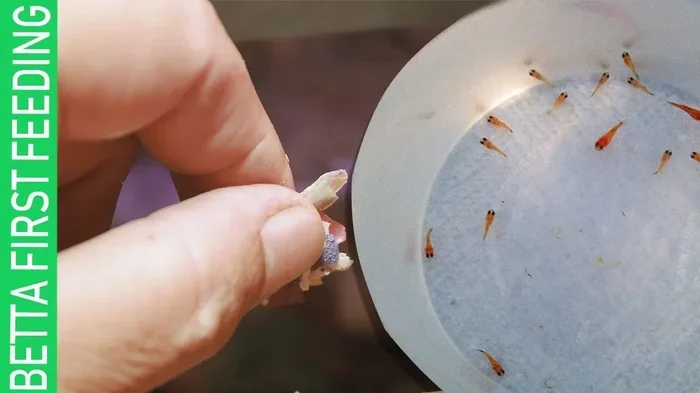
Triple sulfa can be used on betta fry but at a reduced dose. Young fish are more sensitive to medications. Start with half the recommended dose and observe closely. Maintaining excellent water quality is even more critical for fry during treatment.
=== CONCLUSION ===
Is triple sulfa ok for betta fish? Yes, it is a safe and effective option for treating bacterial infections when used responsibly. Always dose correctly, maintain clean water, and complete the full treatment course. With the right approach, your betta fish can recover quickly and thrive once again.