Is Surf Fishing Better at Low or High Tide
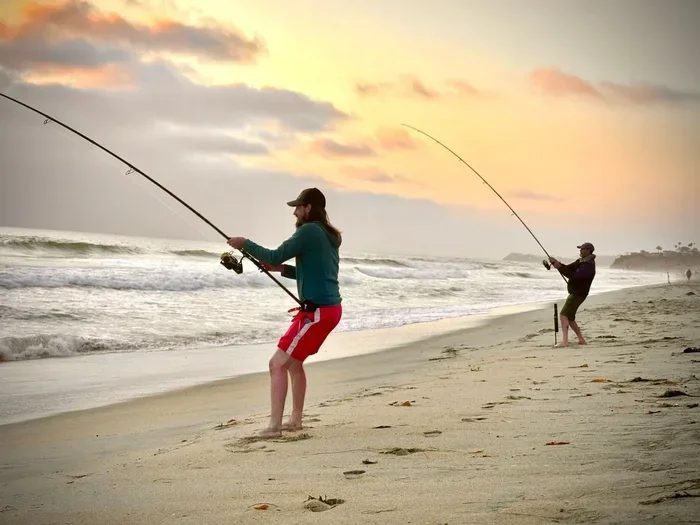
Surf fishing is better at high tide for most anglers because deeper water lets fish move closer to shore, but low tide also has its perks when you know how to read the beach. Understanding tidal movement is the single biggest factor that separates successful surf anglers from those who go home empty-handed.
There is nothing quite like standing on a sandy beach with your rod in hand, watching the waves roll in, and waiting for a fish to hit. But if you have ever wondered is surf fishing better at low or high tide, you are not alone. This question trips up beginners and even some experienced anglers. The answer is not as simple as picking one over the other.
Surf fishing depends on many factors. Tide is one of the most important ones. The way water moves in and out along the shoreline shapes where fish go, what they eat, and how they feed. Understanding this gives you a huge edge. In this guide, we will break down everything you need to know about fishing at low tide versus high tide. You will learn what works, what does not, and how to plan your next beach trip for the best results.
Key Takeaways
- High tide brings fish closer to shore: deeper water covers sandbars and lets predators hunt near the beach.
- Low tide reveals key structure: sandbars, channels, and troughs become visible and create natural fish traps.
- The incoming tide is often the best time to fish: moving water stirs up bait and triggers feeding activity.
- Tide charts are essential tools: planning around tide times dramatically improves your catch rate.
- Wind and wave conditions matter just as much: onshore winds combined with the right tide create ideal surf fishing conditions.
- Different fish species prefer different tides: knowing your target species helps you pick the right time.
- Safety always comes first: tide changes can create dangerous rip currents and slippery sand.
📑 Table of Contents
- Understanding Tides and Surf Fishing
- Is Surf Fishing Better at High Tide?
- Is Surf Fishing Better at Low Tide?
- Incoming vs Outgoing Tide: Which Is Best?
- How to Read Tide Charts for Surf Fishing
- Combining Tide with Other Conditions
- Common Mistakes Surf Anglers Make
- Expert Insights: What Pro Anglers Say About Tide and Surf Fishing
- Key Takeaways
Understanding Tides and Surf Fishing
Before we compare low and high tide, let us talk about what tides actually are. Tides are the rise and fall of ocean water caused by the gravitational pull of the moon and sun. Most coastal areas experience two high tides and two low tides every day. This cycle is called a tidal movement, and it drives everything that happens in the surf zone.
When the tide comes in, it is called an incoming tide. When it goes out, it is called an outgoing tide. Both phases create different fishing opportunities. The key is knowing what each phase does to the beach and the fish.
Why Tide Matters for Beach Fishing
Fish are not static. They move with the water. During high tide, water covers areas that are normally dry. This includes sandbars, rocks, and shallow flats. Fish follow the water in because it brings food with it. Small baitfish, crabs, and shrimp get swept into the surf zone. Predators follow the bait.
During low tide, the water pulls back and exposes the ocean floor. Sandbars become visible. Channels form between them. These structures act like natural funnels for fish. The trick is knowing how to read these exposed features and position yourself correctly.
If you want a deeper dive into how tides affect all types of fishing, check out our article on is high tide or low tide better for fishing.
Is Surf Fishing Better at High Tide?
The short answer is yes, for most situations. High tide is often considered the best time for surf fishing. Here is why.
When the water rises, it pushes closer to the shore. This means fish can reach areas they cannot get to during low tide. You can cast your line further into the surf and target fish that are holding in deeper water closer to the beach. The surf fishing action tends to pick up as the water covers the sandbars and creates new feeding lanes.
Advantages of Fishing at High Tide
- Fish move closer to shore: deeper water means predators can hunt in areas that were too shallow before.
- Better casting distance: more water between you and the fish means longer casts and better coverage.
- Bait gets pushed inshore: the rising water carries food closer to the beach, triggering feeding activity.
- Less visible to fish: higher water levels make it harder for fish to see you on the beach.
- More consistent results: many experienced anglers prefer fishing the last two hours before high tide.
What Fish You Can Catch at High Tide
At high tide, you will find a variety of species in the surf zone. Striped bass, bluefish, redfish, and flounder are common targets. The exact species depends on your location and the time of year. The tidal movement brings in different bait at different times, which attracts different fish.
For more on how tides compare across different fishing styles, read our piece on is it better to fish outgoing or incoming tide.
Is Surf Fishing Better at Low Tide?
Low tide gets a bad reputation, but it can be surprisingly productive. The key is understanding what happens when the water goes out. As the tide drops, it pulls away from the shore and reveals the ocean floor. This creates opportunities that simply do not exist at high tide.
During a low tide, sandbars, channels, and troughs become exposed. These features concentrate fish in specific areas. If you can find the right spot, you can catch fish even when the water is far from the shore.
Advantages of Fishing at Low Tide
- You can see the structure: exposed sandbars and channels help you identify where fish will hold.
- Fish get trapped in pools: as the water recedes, fish can get trapped in deeper pockets between sandbars.
- Less crowded beaches: most anglers avoid low tide, so you often have the beach to yourself.
- Better for sight fishing: clearer, shallower water lets you spot fish before you cast.
- Ideal for targeting specific species: some fish like redfish and trout feed heavily in the shallows at low tide.
Challenges of Low Tide Surf Fishing
Low tide is not without its downsides. The water is shallower, which means fish can be spooky and easily spooked. You also have to deal with more obstacles like rocks, shells, and exposed sandbars. Casting distance can be limited because the water does not reach as far up the beach.
For more insights on how water levels affect fishing, check out our article on is fishing better when water is rising or falling.
Incoming vs Outgoing Tide: Which Is Best?
This is one of the most debated topics in surf fishing. The truth is that both incoming and outgoing tides have their advantages. It depends on what you are targeting and the conditions on a given day.
An incoming tide pushes water onto the beach. This movement stirs up the sand, dislodges bait, and brings nutrients into the surf zone. Fish feed aggressively during this phase because the moving water delivers food right to them. Many anglers consider the last few hours of the incoming tide the prime window for surf fishing.
An outgoing tide pulls water back into the ocean. This can create strong currents that carry baitfish out to sea. Predators often line up along channels and cuts to feed on bait being swept away. The outgoing tide can be excellent if you position yourself in the right spot.
If you want a full breakdown of this topic, our article on is high tide or low tide better for surf fishing covers it in detail.
How to Read Tide Charts for Surf Fishing
Tide charts are your best friend as a surf angler. These simple tools tell you exactly when high tide and low tide will occur at your fishing spot. Most coastal areas have tide charts available online or through mobile apps. Learning to read them is a game changer.
Look for the tidal range, which is the difference between high and low tide. A larger tidal range means more water movement, which generally means better fishing. A small tidal range can still produce fish, but the action is often slower.
Best Times to Fish Based on Tide
- 2 hours before high tide: This is often called the “golden window.” Fish are moving in with the rising water and feeding actively.
- High tide itself: Water is at its deepest near shore. Fish are close to the beach and feeding.
- 2 hours after high tide: The water starts to settle, but fish are still active from the incoming feed.
- Outgoing tide: Strong current can trigger aggressive feeding, especially near channels and cuts.
Quick Tips for Using Tide Charts
- Always check the tide chart the night before your trip.
- Plan to arrive at least 30 minutes before your target fishing window.
- Combine tide timing with weather conditions for the best results.
- Use local tide charts specific to your beach, as tides vary by location.
Combining Tide with Other Conditions
Tide is important, but it is not the only factor. The best surf fishing happens when you combine the right tide with other favorable conditions. Let us look at what else matters.
Wind and Wave Conditions
Onshore winds push waves onto the beach and create chop on the surface. This stirs up sand and bait, which attracts fish. A moderate onshore breeze during high tide is a combination many anglers dream of. Offshore winds flatten the surface and make it easier to see your line, but they can push baitfish away from the shore.
Barometric Pressure
Fish are sensitive to changes in air pressure. A falling barometer often signals an incoming storm, and this can trigger aggressive feeding. Many anglers report their best catches during low pressure systems, especially when combined with the right tide phase.
Time of Day
Early morning and late evening are often the best times to hit the beach. Fish are more active during low-light conditions. Combine dawn or dusk with an incoming tide, and you have a recipe for success.
Common Mistakes Surf Anglers Make
Even experienced anglers make mistakes when it comes to tide fishing. Here are some common ones to avoid.
- Ignoring the tide entirely: showing up at random times without checking the tide chart is a recipe for disappointment.
- Fishing at the wrong tide phase: trying to catch fish in 2 inches of water at low tide will not work for most species.
- Not scouting the beach: walk the beach before you fish. Look for sandbars, channels, and gutters that fish will use.
- Using the wrong bait: match your bait to what the fish are feeding on during that tide phase.
- Forgetting about safety: rip currents and sneaker waves are real dangers. Always check local beach conditions before wading in.
Remember that surf fishing is as much about reading the environment as it is about casting a line. The more you practice reading tides and beach conditions, the better you will get.
Expert Insights: What Pro Anglers Say About Tide and Surf Fishing
Professional surf anglers consistently emphasize the importance of tide timing. Most agree that the incoming tide is the most productive phase for surf fishing. The moving water creates energy and brings food into the strike zone.
Many pros also stress the importance of location. Finding the right spot on the beach, such as a cut in a sandbar or a gutter where water channels back out, can make all the difference. These spots hold fish regardless of the tide level, but they are especially productive during high tide when the water reaches them.
One pro tip from experienced surf casters is to fish the “slack tide” — the brief period between the outgoing and incoming tide when the water is not moving much. This can be a surprisingly productive time to fish, especially in clear water conditions where fish are less likely to be spooked by moving currents.
Key Takeaways
- High tide is generally better for surf fishing: deeper water brings fish closer to shore and creates better feeding opportunities.
- Low tide has its own advantages: it reveals structure and can concentrate fish in specific spots if you know where to look.
- The incoming tide is often the most productive phase: moving water triggers feeding activity and brings bait into the surf zone.
- Always check tide charts before your trip: planning around tide times is the single easiest way to improve your catch rate.
- Combine tide with wind, weather, and time of day: the best results come from stacking multiple favorable conditions together.
- Practice makes perfect: the more you fish different tide phases, the better you will understand how fish behave at each stage.
Surf fishing is a thrilling way to spend a day outdoors. Whether you prefer fishing at high tide or low tide, the key is understanding how tidal movement affects fish behavior. High tide gives you deeper water and easier access to fish near the shore. Low tide lets you see the beach structure and target fish in shallow pockets. The best anglers know how to use both to their advantage.
So next time you plan a beach trip, pull up the tide chart, check the weather, and pick your window wisely. You will be amazed at how much more successful your trips become. Get out there, enjoy the surf, and tight lines to you.
Frequently Asked Questions
Is it better to surf fish at high tide or low tide?
For most anglers, high tide is the better choice because deeper water brings fish closer to shore. However, low tide can be productive if you target the right structure like exposed sandbars and channels. The incoming tide phase is often the most productive regardless of whether it is high or low.
What is the best tide for surf fishing?
The incoming tide is widely considered the best tide for surf fishing. As water moves onto the beach, it pushes baitfish and nutrients into the surf zone, triggering aggressive feeding in predators. The two hours before and during high tide are the prime windows.
Can you catch fish at low tide while surf fishing?
Yes, you can still catch fish at low tide, but you need to adjust your strategy. Look for deeper channels, sandbar cuts, and pools where fish get trapped as the water recedes. Low tide is also great for sight fishing in clear water conditions.
How do I read a tide chart for surf fishing?
A tide chart shows the predicted times and heights of high and low tides for your location. Look for the largest tidal range and plan to fish during the incoming tide phase. Arrive at least 30 minutes before your target window to set up and scout the beach.
Does wind affect surf fishing success during different tides?
Yes, wind plays a big role. Onshore winds during high tide create ideal surf fishing conditions by pushing baitfish closer to shore and stirring up the sand. Offshore winds can make casting easier but may push bait away from the beach, reducing your chances.
What species are best to target during high tide surf fishing?
Striped bass, bluefish, redfish, and flounder are common targets during high tide. The deeper water allows these species to move into the surf zone and feed on baitfish and crustaceans being swept in by the rising water. Your local species will vary based on your region and the season.
=== CONCLUSION ===
Surf fishing is better at high tide for most situations, but low tide has its place too. The real secret is understanding tidal movement and combining it with the right conditions. Check your tide charts, watch the wind, and pick your spots wisely. With practice and patience, you will catch more fish and have more fun on the beach. Now get out there and make your next surf fishing trip count.