Is Substrate Under Gravel Better for Plants and Fish
Adding substrate under gravel can transform your aquarium by boosting plant growth and improving water quality for your fish. This simple layer creates a natural ecosystem that supports beneficial bacteria, nutrient retention, and root development for aquatic plants. Whether you keep bettas or community fish, understanding substrate layers is key to a thriving tank.
Every aquarium owner wants a tank that looks great and keeps fish healthy. One question that comes up a lot is whether substrate under gravel really makes a difference. The short answer is yes. Putting a layer of material beneath your gravel can do wonders for both aquarium plants and your fish. It creates a more natural environment and helps with tank maintenance in ways that bare gravel simply cannot match.
In this guide, we will walk through everything you need to know about using substrate under gravel. You will learn why it helps, what types work best, and how to set it up the right way. By the end, you will feel confident about improving your fish tank floor for a happier, healthier aquarium.
Key Takeaways
- Better Nutrient Supply: Substrate under gravel holds nutrients that aquatic plants need to grow strong and healthy.
- Improved Water Quality: The bottom layer hosts beneficial bacteria that break down waste and keep your fish safe.
- Natural Habitat: Fish feel more comfortable in tanks that mimic their natural environment with layered substrates.
- Root Development: Plants establish deeper roots when they have a nutrient-rich base beneath the gravel.
- Easy Setup: Adding substrate under gravel is a simple process that any aquarium owner can do.
- Avoid Common Mistakes: Using the wrong grain size or skipping rinsing can cause cloudy water and tank problems.
📑 Table of Contents
What Is Substrate Under Gravel?
Let us start with the basics. Substrate under gravel means placing a layer of material beneath your gravel bed. This layer can be sand, soil, or a specialized aquarium substrate. The gravel sits on top and acts as a cap that keeps everything in place.
Think of it like a cake. The substrate is the filling, and the gravel is the frosting on top. Each layer has a job to do. The bottom layer feeds plants and houses good bacteria. The top layer gives your tank a clean look and protects the layers below.
Many people skip this step and just use gravel alone. But adding a substrate underneath opens up a lot of benefits. It turns a basic tank into a living ecosystem. If you are curious about how different materials compare, check out our guide on sand or gravel for a fish tank to understand your options better.
Why Does the Bottom Layer Matter?
The floor of your tank does more than just hold things in place. It plays a big role in water filtration and nutrient cycling. Fish waste, leftover food, and decaying matter all settle to the bottom. Without a proper substrate layer, these toxins can build up fast. A good bottom layer absorbs and processes waste before it harms your fish.
Also, plants need nutrients to survive. In a planted tank, the gravel alone often does not provide enough food for roots. A nutrient-rich substrate underneath gives plants exactly what they need. This leads to greener leaves, stronger growth, and a more beautiful aquarium overall.
Benefits of Substrate Under Gravel for Plants
If you want aquarium plants to thrive, substrate under gravel is one of the best things you can do. Plants in a tank are not just decoration. They produce oxygen, absorb harmful chemicals, and give fish a sense of security. Here is why a substrate layer helps plants so much.
Nutrient Retention
A quality substrate holds essential nutrients like iron, potassium, and nitrogen. These nutrients feed plant roots directly. Without them, plants struggle to grow and may turn yellow or melt away. The substrate acts like a slow-release fertilizer that keeps feeding your plants over time.
When you place gravel on top, it locks those nutrients in place. They do not wash away during water changes. This means your plants get a steady supply of food day after day. For more on choosing the right plants for your tank, see our article on real plants versus fake plants for fish tanks.
Stronger Root Development
Plants need something to anchor into. Gravel alone is often too coarse or too thin for roots to spread. A softer substrate underneath gives roots room to grow deep and wide. Strong roots mean healthier plants that can resist melting and disease.
Think of it this way. Would you rather grow a plant in solid rock or in soft, rich soil? Your aquatic plants feel the same way. A layered setup gives them the best chance to establish themselves and flourish in your planted tank.
Better Plant Colors and Growth Rates
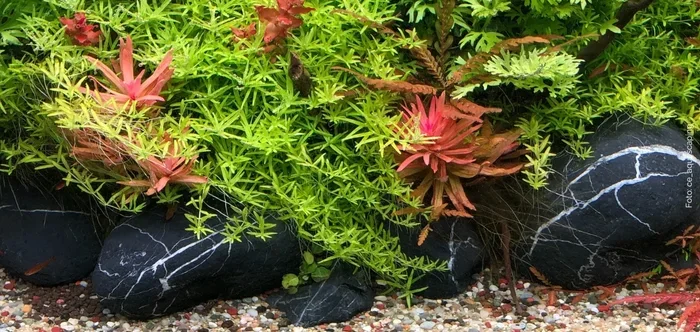
When plants get proper nutrition from below, the results show fast. You will notice brighter reds, deeper greens, and more vigorous growth. Some plants even flower when their nutritional needs are met. This is one of the most rewarding parts of keeping a planted aquarium.
Benefits of Substrate Under Gravel for Fish
Plants are not the only ones who benefit. Your fish also enjoy a better life when you add substrate under gravel. A well-designed tank floor supports water quality, behavior, and overall health.
Natural Habitat Feel
Fish in the wild do not live on bare rock bottoms. They live over sand, mud, and layers of organic matter. Replicating this in your tank helps fish feel at home. They explore, forage, and behave more naturally when the tank floor looks and feels like their natural habitat.
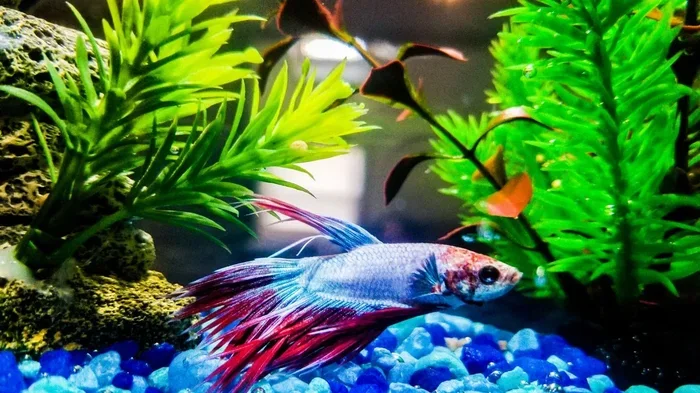
This is especially important for species like bettas. A betta fish habitat that includes soft substrate and gentle plants reduces stress. Less stress means a healthier, more colorful fish. If you want to learn more about safe plants for bettas, read our piece on live plants safe for betta fish.
Improved Water Quality
The substrate layer hosts colonies of beneficial bacteria. These tiny organisms break down ammonia and nitrite into less harmful nitrate. This process is the backbone of the nitrogen cycle in your tank. Without enough surface area for good bacteria, your tank can cycle poorly and put fish at risk.
A layered substrate gives bacteria more places to live and work. This means your tank maintenance becomes easier. You will notice fewer ammonia spikes and clearer water over time. The gravel cap protects the bacteria-rich layer below while still allowing water to flow through.
Reduced Stress for Fish
Fish that feel safe are less likely to hide or act aggressively. A natural-looking floor with substrate and gravel gives them places to explore and rest. This is especially true for bottom-dwelling fish that spend most of their time near the tank floor.
Even surface-dwelling fish benefit. They feed on tiny organisms that live in the substrate. These micro-organisms thrive in a layered setup and provide a natural food source that keeps your fish healthy and active.
Types of Substrate to Use Under Gravel
Not all substrates are the same. Choosing the right one depends on your tank setup, the fish you keep, and the plants you want to grow. Here are the most popular options.
Sand
Sand is a soft, fine substrate that many fish love. It looks natural and is easy for bottom-dwellers to sift through. Sand works well under gravel because it compacts gently and holds nutrients. Just make sure to choose aquarium-grade sand, not beach sand or builder sand.
Nutrient-Rich Aquarium Soil
If you are serious about plants, aquarium soil is the gold standard. It is packed with nutrients and has a slightly acidic pH that many plants prefer. You typically place soil at the very bottom, then add a layer of gravel on top to keep it from clouding the water.
Soil can be messy during the first few weeks, but the results are worth it. Your plants will grow faster and look better than with any other substrate option. Just remember to rinse your gravel cap thoroughly before adding it to the tank.
Clay-Based Substrates
Clay pellets or laterite are another great choice. They are rich in iron and other minerals that plants love. Clay substrates are often used under gravel in planted tanks. They do not break down easily and provide long-lasting nutrition.
Gravel Cap Over Substrate
No matter what substrate you choose, a gravel cap on top is important. The gravel prevents the lower layer from floating up into the water column. It also gives your tank a neat, uniform look. Use medium-sized gravel for the cap, about 2 to 3 inches deep, for the best results.
Common Mistakes to Avoid
Setting up substrate under gravel is simple, but there are a few mistakes that can cause problems. Avoid these pitfalls to keep your tank healthy.
Skipping the Rinse
Always rinse your gravel and substrate before adding them to the tank. Dust and debris will cloud your water for days if you skip this step. Rinse until the water runs clear. It takes a little extra time, but it saves you from a huge headache later.
Using the Wrong Grain Size
Too-fine sand can compact too much and trap harmful gases. Too-coarse gravel lets waste slip through to the bottom layer. Aim for a balanced setup with a fine substrate below and medium gravel on top. This creates the perfect environment for both bacteria and plant roots.
Overloading with Nutrients
More is not always better. Too much nutrient-rich substrate can cause algae blooms. Algae thrive on excess nutrients, and they can take over your tank fast. Start with a thin layer of substrate and add more only if your plants show signs of deficiency.
Forgetting to Cycle the Tank
Before adding fish, let your tank cycle with the substrate in place. This gives beneficial bacteria time to colonize the new layers. Skipping the cycle can lead to ammonia spikes that harm or even kill your fish. Patience at the start saves you from big problems down the road.
Quick Tips for Setting Up Substrate Under Gravel
Ready to set up your own layered substrate? Here are some quick tips to get you started on the right foot.
- Plan your layers. Decide how deep each layer will be. A good setup is 1 to 2 inches of substrate, then 2 to 3 inches of gravel on top.
- Slope the substrate. Create a gentle slope from the back to the front of the tank. This looks more natural and gives plants different depth zones.
- Use a divider. If you are planting in specific areas, use a plastic mesh or divider to keep substrate from mixing with gravel.
- Add substrate before water. Place your substrate layers in the empty tank first, then add water slowly to avoid disturbing the layers.
- Wait before adding fish. Give your tank at least 24 to 48 hours after setup to let everything settle and the water to clear.
- Monitor water parameters. Test your water regularly after setup. Watch for ammonia, nitrite, and pH changes, especially in the first few weeks.
Expert Insights on Substrate Layering
Experienced aquarium keepers agree that substrate under gravel is one of the simplest upgrades you can make. It costs very little and delivers big results. Many seasoned hobbyists recommend starting with a thin layer of aquarium soil or sand, then capping it with gravel.
The key is balance. You want enough substrate to feed plants and house bacteria, but not so much that it creates dead zones or gas pockets. A well-planned layered setup supports both plant growth and fish health without extra effort. It is one of those rare upgrades that makes everything else in your tank work better.
If you are new to aquarium keeping, start simple. Use a basic sand substrate under a gravel cap, and grow a few easy plants like java moss or anubias. As you gain confidence, you can experiment with richer substrates and more demanding plant species. The most important thing is to start and learn as you go.
Conclusion
Substrate under gravel is better for plants and fish in almost every way. It provides nutrients, supports beneficial bacteria, and creates a natural, stress-free environment for your fish. Whether you are setting up a new tank or upgrading an existing one, adding this simple layer makes a real difference.
Remember to choose the right substrate for your needs, rinse everything thoroughly, and give your tank time to cycle before adding fish. With the right setup, your aquarium will look more vibrant and your fish will be happier and healthier. Start experimenting with substrate layers today and see the difference it makes in your underwater world.
Frequently Asked Questions
Can I use sand as substrate under gravel?
Yes, sand works great as a substrate layer beneath gravel. It is soft, natural-looking, and holds nutrients well. Just make sure to use aquarium-grade sand and rinse it thoroughly before adding it to your tank.
How thick should the substrate layer be under gravel?
Aim for 1 to 2 inches of substrate beneath a 2 to 3 inch gravel cap. This gives plants enough room for root growth while keeping the gravel layer stable and protective on top.
Will substrate under gravel cause cloudy water?
It can if you do not rinse the materials properly. Always wash sand and gravel until the water runs clear. Adding substrate slowly and letting it settle before filling the tank also helps prevent cloudiness.
Is substrate under gravel necessary for a fish-only tank?
It is not strictly necessary, but it is highly beneficial. Even in a fish-only tank, substrate supports beneficial bacteria that improve water quality. It also gives your tank a more natural and attractive appearance.
What is the best substrate for betta fish tanks?
Soft sand or fine aquarium soil works best for betta fish. Bettas like to explore the bottom of the tank, and rough gravel can hurt their delicate fins. Pair the substrate with gentle plants for a beautiful and safe environment.
How often should I replace the substrate under gravel?
You do not need to replace it often. A good substrate can last for years. However, you should vacuum the gravel layer regularly to remove debris. Replace the substrate only if it breaks down, compacts heavily, or starts releasing harmful substances into the water.