Is Spring Water or Distilled Water Better for Beta Fish
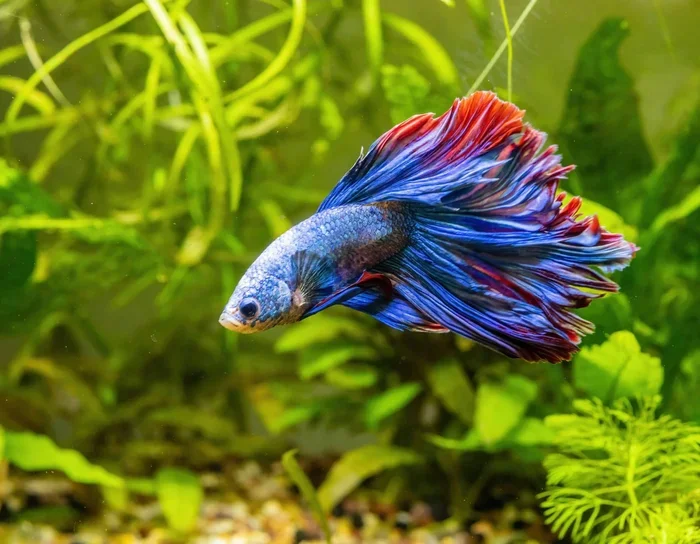
Spring water and distilled water each offer different benefits for beta fish. Spring water provides natural minerals but may contain additives you cannot see. Distilled water is pure but lacks essential nutrients, so it needs careful preparation before use.
Is spring water or distilled water better for beta fish? This is one of the most common questions among new beta fish owners. The answer matters because the wrong water choice can harm your fish’s health and shorten its lifespan. In this guide, we will break down the differences between spring water and distilled water, explain the pros and cons of each, and show you exactly how to prepare the best water for your tank. By the end, you will have the confidence to make the right choice for your beta fish.
Choosing the right water is just one part of proper beta fish care. From temperature to pH levels, every detail counts. Let us start by understanding what your fish actually needs from its water.
Key Takeaways
- Spring water can work well for beta fish if it is free from additives and contaminants.
- Distilled water lacks minerals and must be re-mineralized before use in a beta fish tank.
- Water parameters matter – pH, hardness, and temperature all affect beta fish health.
- Always test your water before adding it to your beta fish habitat.
- Tap water needs a conditioner to remove chlorine and chloramine before use.
- There is no one-size-fits-all answer – the best water depends on your specific setup.
📑 Table of Contents
- Understanding Beta Fish Water Requirements
- Spring Water for Beta Fish: What You Need to Know
- Distilled Water for Beta Fish: What You Need to Know
- Spring Water vs Distilled Water: A Direct Comparison
- How to Prepare the Best Water for Your Beta Fish
- Common Mistakes to Avoid When Setting Up Beta Fish Water
- Conclusion
Understanding Beta Fish Water Requirements
Beta fish are tropical freshwater fish that originate from warm, slow-moving waters in Southeast Asia. In the wild, they live in rice paddies, floodplains, and shallow streams. To keep them healthy in captivity, you need to replicate their natural beta fish habitat as closely as possible.
The most important factor is maintaining stable water parameters. This includes temperature, pH, and hardness. Let us look at each one in detail.
What Do Beta Fish Need From Their Water?
Beta fish need clean, warm water with the right balance of minerals. Here are the basics you should know:
- Temperature: Keep water between 76°F and 82°F (24°C to 28°C). Water temperature for beta fish that drops too low can cause stress and illness.
- pH Level: Aim for a pH between 6.5 and 7.5. Stable pH levels for beta fish are more important than hitting a perfect number.
- Water Hardness: Soft to moderately hard water works best. Very hard water can stress your fish over time.
- Chlorine and Chloramine: These chemicals in tap water are harmful. You must remove them before adding water to your tank.
Using the wrong aquarium water can lead to serious health problems. Always research your water source before adding it to your tank.
Key Water Parameters to Monitor Regularly
Even after you set up your tank, you need to keep checking the water. Beta fish tank maintenance includes regular testing. Here is what to watch for:
- Ammonia: Should be 0 ppm. Even small amounts are toxic to beta fish.
- Nitrite: Should be 0 ppm. This is a sign of an uncycled tank.
- Nitrate: Should be below 20 ppm. Regular water changes help keep this low.
- Water Hardness (GH and KH): GH should be 3-4 dGH. KH should be 3-5 dKH.
Water quality for fish directly affects how well your beta fish thrives. Test your water at least once a week with a reliable test kit. If you are unsure about your source, you can also check whether well water is okay for beta fish to understand what to watch out for.
Quick Tips:
- Always let water sit for 24 hours before adding it to the tank if you are not using a conditioner.
- Use a thermometer to check temperature before each water change.
- Keep a log of your test results to spot trends early.
Spring Water for Beta Fish: What You Need to Know
Spring water comes from natural underground sources. It is collected before it reaches the municipal water supply. Many fish owners wonder if spring water for beta fish is a good choice. The answer depends on the source and the processing.
If you are new to this, you may want to first read about can you use spring or distilled water for betta fish to understand the basics.
Benefits of Using Spring Water for Your Beta Fish
Spring water has several advantages that make it appealing for beta fish care:
- Natural Minerals: Spring water contains calcium, magnesium, and other trace minerals that support beta fish health. These minerals help with gill function and overall well-being.
- No Added Chemicals: Unlike tap water, spring water does not contain chlorine or chloramine. This means you can often use it directly without a conditioner.
- Natural pH Balance: Many spring waters have a balanced pH that falls within the safe range for beta fish.
- Soft Texture: Spring water often feels soft and smooth, which many owners prefer for their fish.
Potential Risks of Spring Water
However, spring water is not without risks. Here is what you need to watch out for:
- Inconsistent Mineral Content: Different brands and sources vary widely. One bottle may have high calcium while another has very little. This inconsistency can cause problems over time.
- Added Minerals or Flavoring: Some brands add minerals for taste. Others add fluoride or other treatments. Always read the label carefully.
- Cost: Buying spring water regularly can get expensive, especially for larger tanks.
- Contamination Risk: If the source is not properly tested, spring water can carry bacteria or pollutants.
Expert Insight: Not all spring water is created equal. Some brands are excellent for fish, while others are designed for human consumption and contain additives that harm beta fish. Always check the label for added minerals, fluoride, or flavoring.
Quick Tips:
- Buy spring water from reputable brands that list full mineral content on the label.
- Test the water before using it to make sure the pH and hardness are within range.
- Avoid flavored or vitamin-enhanced spring waters. These contain ingredients that are harmful to fish.
Distilled Water for Beta Fish: What You Need to Know
Distilled water is water that has been boiled into steam and then condensed back into liquid. This process removes almost all impurities, including minerals, chemicals, and bacteria. It is one of the purest forms of water available. But is it good for beta fish?
Benefits of Using Distilled Water
Distilled water for beta fish has some clear advantages:
- Purity: Distilled water is free from chlorine, chloramine, heavy metals, and other contaminants. This makes it very safe to use as a base.
- Consistency: Unlike spring water, distilled water has a consistent composition every time. You know exactly what you are getting.
- No Unknown Additives: You do not have to worry about hidden chemicals, minerals, or flavorings that could harm your fish.
- Great Base Water: Many experienced fish keepers use distilled water as a starting point and then add back only the minerals they need.
If you are curious about other pure water options, you might also want to read about is reverse osmosis water good for betta fish to understand how it compares.
Why Distilled Water Alone Is Not Enough
Here is the critical issue with distilled water: it is too pure. The distillation process strips away all minerals, including the ones your beta fish need. Using distilled water without adding minerals back can actually harm your fish.
- Low Mineral Content: Beta fish need calcium, magnesium, and other trace minerals for healthy gills and bones. Distilled water provides none of these.
- Low pH: Distilled water tends to be slightly acidic, which can lower the pH in your tank over time.
- Osmoregulation Stress: Without proper minerals, your fish has to work harder to maintain the balance of water and salts in its body. This causes stress and weakens the immune system.
- Long-Term Health Risks: Over time, using unmodified distilled water can lead to poor growth, faded colors, and increased susceptibility to disease.
Common Mistake: Never add your beta fish directly to pure distilled water. Always re-mineralize it first. This is one of the most common errors new owners make.
Quick Tips:
- If you use distilled water, always add a quality mineral supplement designed for freshwater aquariums.
- Test the water after adding minerals to make sure the parameters are in the safe range.
- Consider mixing distilled water with a small amount of conditioned tap water to add back some natural minerals.
Spring Water vs Distilled Water: A Direct Comparison
So which is better? The answer depends on your setup, budget, and how much effort you want to put in. Let us compare them side by side.
| Factor | Spring Water | Distilled Water |
|---|---|---|
| Mineral Content | Natural minerals present | No minerals (must be added back) |
| Purity | Generally clean but variable | Very pure and consistent |
| pH Level | Usually balanced naturally | Tends to be slightly acidic |
| Cost | Moderate to high | Low to moderate |
| Convenience | Ready to use (check label) | Requires mineral supplementation |
| Risk of Contaminants | Low to moderate | Very low |
| Best For | Hands-off owners with good brands | Experienced owners who want full control |
As you can see, neither option is perfect on its own. Spring water is more convenient but less predictable. Distilled water is more controllable but requires extra preparation. The best choice is the one that fits your lifestyle and commitment level.
How to Prepare the Best Water for Your Beta Fish
No matter which type of water you choose, proper preparation is essential. This is the step many owners skip, and it makes all the difference in beta fish health.
Testing Your Water Before Use
Before adding any water to your tank, test it first. You need a liquid test kit or reliable test strips. Here is what to check:
- pH: Should be between 6.5 and 7.5 for most beta fish.
- General Hardness (GH): Should be 3-4 dGH.
- Carbonate Hardness (KH): Should be 3-5 dKH.
- Ammonia and Nitrite: Both should be 0 ppm.
Testing takes just a few minutes but saves you from serious problems down the road. Water parameters that are off can cause stress, disease, and even death. Make testing a habit, not an afterthought.
Adding Minerals Back to Distilled Water
If you choose distilled water, you will need to add minerals back. Here is a simple method:
- Start with a clean bucket of distilled water.
- Add a quality aquarium mineral supplement according to the product instructions.
- Let the water sit for 15-20 minutes to allow the minerals to dissolve fully.
- Test the water to confirm pH and hardness are in the safe range.
- Adjust if needed before adding the water to your tank.
This process gives you full control over your beta fish tank water quality. Many experienced keepers prefer this method because they know exactly what is in their water.
Using a Water Conditioner
If you use tap water or want to mix it with spring or distilled water, a good water conditioner is essential. Conditioners remove chlorine, chloramine, and heavy metals. They also often add aloe vera and other beneficial ingredients that help protect your fish’s slime coat.
Always follow the dosage instructions on the bottle. Using too little will not remove all harmful chemicals, and using too much can also cause problems.
Expert Insight: Some of the best beta fish care routines combine distilled water with a mineral supplement and a small amount of conditioned tap water. This gives you the purity of distilled water with the natural benefits of tap water minerals.
Common Mistakes to Avoid When Setting Up Beta Fish Water
Even experienced owners make mistakes with water setup. Here are the most common ones and how to avoid them.
Using Untreated Tap Water Directly
This is the number one mistake. Tap water contains chlorine and chloramine that are deadly to beta fish. Always use a water conditioner before adding tap water to your tank. Never skip this step, even if the water smells fine to you.
Ignoring Water Temperature
Beta fish are tropical fish and need warm water. Adding cold water during a water change can shock your fish and cause stress. Always match the temperature of the new water to the tank water before adding it. Use a thermometer every time.
Overlooking Mineral Balance
Whether you use spring water or distilled water, the mineral balance matters. Too many minerals can cause hardness problems. Too few can lead to osmotic stress. Test regularly and adjust as needed. Water hardness for beta fish should stay within the recommended range at all times.
Not Changing Water Regularly
Even the best aquarium water becomes stale over time. Regular water changes (about 25% every week) help maintain water quality for fish and remove waste buildup. This is a core part of beta fish tank maintenance and should never be skipped.
Quick Tips:
- Always let water sit at room temperature before adding it to the tank.
- Use a gravel vacuum during water changes to remove debris from the substrate.
- Keep spare containers of pre-treated water ready for emergency water changes.
- Never change more than 50% of the water at once, as this can shock your fish.
Conclusion
So, is spring water or distilled water better for beta fish? The honest answer is that both can work well when used correctly. Spring water offers natural minerals and convenience, making it a great choice for owners who want a simple setup. Distilled water gives you complete control and purity, which is ideal for experienced keepers who are willing to do the extra preparation.
The most important thing is to test your water regularly, maintain stable water parameters, and always treat water before adding it to your tank. Your beta fish depends on you to provide a safe and healthy environment.
Take the time to understand your water source, invest in a good test kit, and follow the preparation steps outlined in this guide. Your beta fish will thank you with vibrant colors, active behavior, and a long, healthy life. Start implementing these tips today, and you will see the difference in your beta fish habitat within weeks.
Frequently Asked Questions
Can I use bottled spring water for my beta fish?
Yes, you can use bottled spring water for your beta fish, but you need to check the label first. Make sure the water does not contain added minerals, fluoride, or flavoring. Always test the pH and hardness before adding it to your tank to ensure it is within the safe range for beta fish.
Is distilled water safe for beta fish?
Distilled water is safe for beta fish only after you add minerals back to it. Pure distilled water lacks the calcium and magnesium that beta fish need for healthy gills and bones. Always use a quality aquarium mineral supplement and test the water before introducing your fish to it.
How often should I change my beta fish water?
You should change about 25% of your beta fish tank water every week. Regular water changes help maintain good water quality and remove harmful waste buildup. Always match the temperature and treat the new water before adding it to the tank.
Can I mix spring water and distilled water together?
Yes, mixing spring water and distilled water can be a great approach. This gives you the natural minerals from spring water with the purity of distilled water. Test the mixture to make sure the pH and hardness are in the safe range for your beta fish before adding it to the tank.
Do I need a water conditioner if I use spring water?
Most spring water does not need a conditioner because it is free from chlorine and chloramine. However, you should always check the label to confirm no harmful additives are present. If you are mixing spring water with tap water, you will need a conditioner for the tap water portion.
What is the best water temperature for beta fish?
The best water temperature for beta fish is between 76°F and 82°F (24°C to 28°C). Beta fish are tropical fish and need warm, stable water to stay healthy. Use a reliable aquarium thermometer to monitor the temperature and avoid sudden changes that can stress your fish.