Is Primrose Better Than Fish Oil
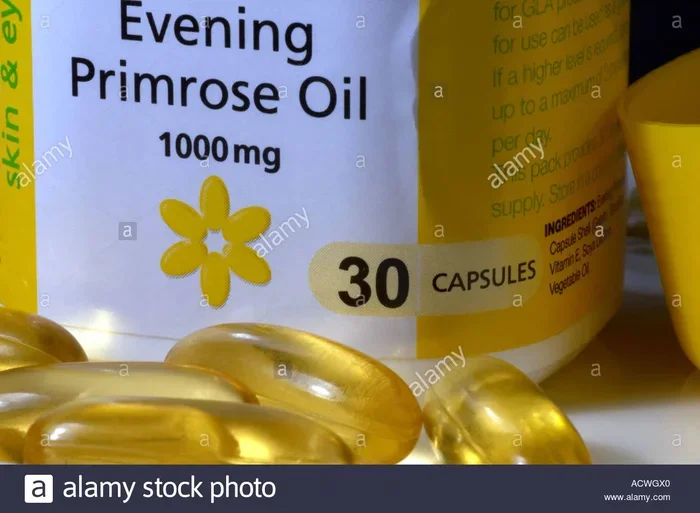
Is primrose better than fish oil? The answer depends on your health goals. Evening primrose oil excels for skin, hormonal balance, and inflammation, while fish oil leads in omega-3 fatty acids for heart and brain health. Both are powerful dietary supplements with unique strengths.
You have probably heard about fish oil and its amazing health benefits. But have you ever wondered if primrose oil could be a better choice for you? The truth is, both oils come with their own set of strengths. And picking the right one can feel confusing.
In this guide, we will break down everything you need to know. We will compare the nutrients, benefits, and side effects of each. By the end, you will know exactly which oil fits your needs best. Let us dive in and explore primrose oil vs fish oil in a simple, honest way.
Key Takeaways
- Primrose oil is rich in GLA: A unique omega-6 fatty acid that supports skin health and reduces inflammation naturally.
- Fish oil provides EPA and DHA: These are the most studied omega-3s for heart, brain, and joint health.
- They serve different purposes: Neither is universally better — it depends on what your body needs most.
- Side effects differ: Fish oil may cause fishy burps, while primrose oil can affect bleeding time.
- Plant-based vs. animal-based: Primrose is a plant source, making it ideal for vegetarians seeking omega benefits.
- Combining both may help: Some people benefit from taking both for a broader range of fatty acids.
📑 Table of Contents
- What Is Evening Primrose Oil?
- What Is Fish Oil and Why Is It So Popular?
- Primrose Oil vs Fish Oil: Head-to-Head Comparison
- Benefits of Primrose Oil You Should Know
- Benefits of Fish Oil You Should Know
- Which One Should You Choose?
- Common Mistakes People Make When Choosing Oils
- Quick Tips for Getting the Most Out of Your Oil
- Expert Insights on Omega Oil Selection
- Final Thoughts: Is Primrose Better Than Fish Oil?
What Is Evening Primrose Oil?
Evening primrose oil comes from the seeds of the evening primrose plant. It has been used for centuries in traditional medicine. People value it for its high content of gamma-linolenic acid, also known as GLA. This is a type of omega-6 fatty acid that your body converts into anti-inflammatory compounds.
Unlike many fats you eat, GLA is special. It helps calm inflammation at the cellular level. This makes primrose oil benefits unique compared to other plant-based oils. It is also a great option for vegetarians and vegans who want a plant-based omega supplement.
Key Nutrients in Primrose Oil
- Gamma-Linolenic Acid (GLA): The main star of primrose oil. It supports skin, hormones, and inflammation control.
- Omega-6 Fatty Acids: Essential fats your body cannot make on its own.
- Linoleic Acid: Another omega-6 that plays a role in cellular health.
- Vitamin E: A natural antioxidant that protects the oil from going bad and supports your cells.
When you compare this to fish oil, the difference is clear. Fish oil does not contain GLA. It focuses on a different family of fatty acids entirely. That is why many people ask, is primrose better than fish oil? The answer lies in what your body is missing.
What Is Fish Oil and Why Is It So Popular?
Fish oil is one of the most widely used dietary supplements in the world. It comes from fatty fish like salmon, mackerel, and sardines. The main reason it is so popular is its high concentration of omega-3 fatty acids, specifically EPA and DHA.
These two fatty acids are essential for your heart, brain, and joints. Decades of research support their benefits. If you want to know which is better omega 3 or fish oil, the truth is fish oil is one of the best natural sources of these specific acids.
Key Nutrients in Fish Oil
- EPA (Eicosapentaenoic Acid): Helps reduce inflammation, supports mood, and benefits heart health.
- DHA (Docosahexaenoic Acid): Critical for brain function, eye health, and fetal development.
- Omega-3 Fatty Acids: The most studied healthy fats in nutrition science.
- Vitamin A and D: Found in some fish oil forms, especially cod liver oil.
Fish oil has a strong track record. Studies show it supports heart health, improves brain function, and helps with joint support. But does that make it better than primrose oil? Not necessarily. Each oil targets different needs in the body.
Primrose Oil vs Fish Oil: Head-to-Head Comparison
So, how do these two oils stack up against each other? Let us look at the key areas where they differ and overlap.
Omega-3 vs Omega-6 Balance
One of the biggest differences is the type of fatty acid each oil provides. Fish oil is rich in omega-3s, while primrose oil is rich in omega-6s. Your body needs both, but most modern diets already have too much omega-6. This is an important point to consider.
When you ask which is better fish oil or omega-3, the answer is straightforward. Fish oil delivers omega-3s directly. Primrose oil gives you omega-6s in the form of GLA, which actually has anti-inflammatory properties. So it is not as simple as omega-3 being good and omega-6 being bad.
Anti-Inflammatory Properties
Both oils fight inflammation, but in different ways. Fish oil uses EPA and DHA to calm inflammatory responses. Primrose oil uses GLA, which your body converts into a compound called DGLA. DGLA also helps reduce inflammation.
If you are dealing with chronic inflammation, both options are worth considering. Some people find that primrose oil works better for their skin inflammation, while fish oil is more effective for joint inflammation.
Skin Health Benefits
For skin health, primrose oil has a strong reputation. It has been used to help with eczema, dryness, and irritation. The GLA content helps repair the skin barrier from the inside out.
Fish oil also supports healthy skin. The omega-3s help maintain moisture and reduce acne-related inflammation. If your main goal is glowing skin, you might want to explore which is better fish oil or evening primrose more deeply. Both can help, but they work through different pathways.
Heart and Brain Health
When it comes to heart and brain health, fish oil has the edge. The EPA and DHA in fish oil are directly used by your heart and brain cells. Research strongly supports fish oil for reducing triglycerides, lowering blood pressure, and supporting cognitive function.
Primrose oil does not provide EPA or DHA. So for heart and brain health specifically, fish oil is the stronger choice. If you want to understand more about how fish oil compares to other options, check out our article on which is better omega 3 or fish oil.
Benefits of Primrose Oil You Should Know
Evening primrose oil offers several health benefits that make it stand out. Here is a closer look at what it can do for you.
Supports Hormonal Balance
Many women use primrose oil for PMS symptoms and hormonal balance. The GLA content helps regulate prostaglandins, which are hormone-like compounds. This can reduce bloating, mood swings, and breast tenderness during the menstrual cycle.
Improves Skin Conditions
Studies have shown that primrose oil can help with eczema and dermatitis. It works by strengthening the skin barrier and reducing dryness. People with chronic skin issues often report noticeable improvement after several weeks of use.
Reduces Nerve Pain
Some research suggests that primrose oil may help with neuropathy and nerve pain. The anti-inflammatory properties of GLA appear to calm irritated nerves over time. This is a promising area of study that continues to grow.
Supports Overall Inflammation Control
Because GLA converts into anti-inflammatory compounds, primrose oil helps manage systemic inflammation. This can benefit people with conditions like rheumatoid arthritis. It is a gentle but effective approach to long-term inflammation control.
Benefits of Fish Oil You Should Know
Fish oil brings a different set of powerful benefits to the table. Here is why so many people rely on it every day.
Promotes Heart Health
The American Heart Association recommends omega-3s for cardiovascular health. Fish oil helps lower triglycerides, reduce blood pressure, and prevent plaque buildup in arteries. These are well-established benefits backed by thousands of studies.
Boosts Brain Function
DHA makes up a large part of your brain tissue. Getting enough of it through fish oil supplements supports memory, focus, and overall cognitive performance. It may also help protect against age-related mental decline.
Supports Eye Health
DHA is also found in high concentrations in the retina. Adequate intake through fish oil supports long-term eye health and may reduce the risk of macular degeneration.
Helps with Mood and Mental Health
Research links omega-3 intake from fish oil to improved mood and reduced symptoms of depression and anxiety. EPA in particular appears to play a key role in emotional well-being.
Which One Should You Choose?
The right choice depends on your personal health goals. Here is a simple guide to help you decide.
Choose primrose oil if:
- You want to improve your skin health naturally
- You are dealing with hormonal imbalances or PMS symptoms
- You follow a vegetarian or vegan diet
- You want a plant-based source of essential fatty acids
- You are looking for anti-inflammatory support for nerve or joint pain
Choose fish oil if:
- You want to support your heart and cardiovascular system
- You need brain health and cognitive support
- You want a strong source of EPA and DHA
- You are looking for joint and inflammation relief
- You want the most researched omega-3 supplement available
Some people choose to take both oils together. This can give you a broader range of fatty acids. Just be mindful of your total fat intake and talk to a healthcare provider if you are unsure.
If you are curious about how fish oil compares to other oils, you can read our guide on is fish oil better than flaxseed oil for more insights. And if you are exploring plant-based alternatives, check out is flax seed better than fish oil to make an informed decision.
Common Mistakes People Make When Choosing Oils
Avoid these common pitfalls when selecting between primrose oil and fish oil:
- Assuming all omega fats are the same: Omega-3 and omega-6 are very different. They serve different roles in your body.
- Ignoring your diet: If you already eat a lot of omega-6-rich foods, adding primrose oil may not be the best move.
- Not checking the dosage: Both oils work best at specific doses. More is not always better.
- Skipping quality checks: Always choose reputable brands that test for purity and freshness.
- Expecting overnight results: Both oils need time to build up in your system. Give them at least 4 to 6 weeks.
Quick Tips for Getting the Most Out of Your Oil
- Take with food: Both oils absorb better when taken with a meal that contains some fat.
- Store properly: Keep oils in a cool, dark place to prevent oxidation.
- Check expiration dates: Fresh oils work better and taste less rancid.
- Start with a low dose: Let your body adjust before increasing the amount.
- Consult your doctor: Especially if you take blood thinners or have a bleeding disorder.
Expert Insights on Omega Oil Selection
Nutrition experts often say that the best oil is the one that matches your specific health needs. There is no single winner in the primrose vs fish oil debate. What matters most is understanding what your body lacks and what it needs.
Many health professionals recommend getting a fatty acid profile test before starting any supplement. This simple blood test can reveal whether you need more omega-3s, more omega-6s, or a balanced approach. It takes the guesswork out of choosing between oils.
If you are still wondering whether primrose oil or fish oil is right for you, remember this: both are excellent supplements with strong track records. They simply serve different purposes. The best choice is the one that aligns with your personal health goals.
For a broader perspective on fish oil comparisons, you might also enjoy reading about which is better fish oil or evening primrose on our site. It covers the same topic from a slightly different angle.
Final Thoughts: Is Primrose Better Than Fish Oil?
The answer to whether primrose oil is better than fish oil comes down to your individual needs. Primrose oil shines for skin health, hormonal balance, and plant-based nutrition. Fish oil excels for heart health, brain function, and omega-3 supplementation.
Neither oil is a clear winner across the board. They each bring something valuable to the table. The smartest approach is to understand your body and choose accordingly. You can even use both if they complement each other for your goals.
Take your time, do your research, and listen to your body. The best supplement is the one that works for you. And now you have the knowledge to make a confident choice between primrose oil and fish oil.
Frequently Asked Questions
Can I take primrose oil and fish oil together?
Yes, many people take both oils together without any issues. They provide different types of fatty acids that can complement each other. However, it is always a good idea to talk to your doctor before combining supplements.
Which oil is better for eczema and skin problems?
Evening primrose oil is often recommended for eczema and dry skin. Its GLA content helps repair the skin barrier and reduce inflammation. Fish oil can also help, but primrose oil is generally considered more targeted for skin conditions.
Is primrose oil a good source of omega-3?
No, primrose oil is not a source of omega-3 fatty acids. It is rich in omega-6 fatty acids, specifically GLA. If you are looking for omega-3s, fish oil or algae-based supplements are better choices.
How long does it take to see results from these oils?
Most people notice benefits after 4 to 6 weeks of consistent use. Some may see changes sooner, while others might take longer. Consistency is key when it comes to fatty acid supplements.
Are there any side effects of taking primrose oil?
Primrose oil is generally well tolerated. Some people may experience mild stomach upset or headaches. It can also affect bleeding time, so people on blood thinners should consult their doctor first.
Which is better for heart health, primrose oil or fish oil?
Fish oil is the clear winner for heart health. The EPA and DHA in fish oil have strong evidence supporting cardiovascular benefits. Primrose oil does not provide these specific fatty acids and is not typically recommended for heart health alone.
=== CONCLUSION ===
So, is primrose better than fish oil? The honest answer is that both oils have their place. Primrose oil offers unique benefits through its GLA content, making it a great choice for skin, hormones, and plant-based nutrition. Fish oil delivers powerful EPA and DHA that support your heart, brain, and joints. The best option depends entirely on what your body needs. Now that you understand the differences, you can make a smart, informed choice. Start with your health goals, pick the right oil, and enjoy the benefits that come with it.