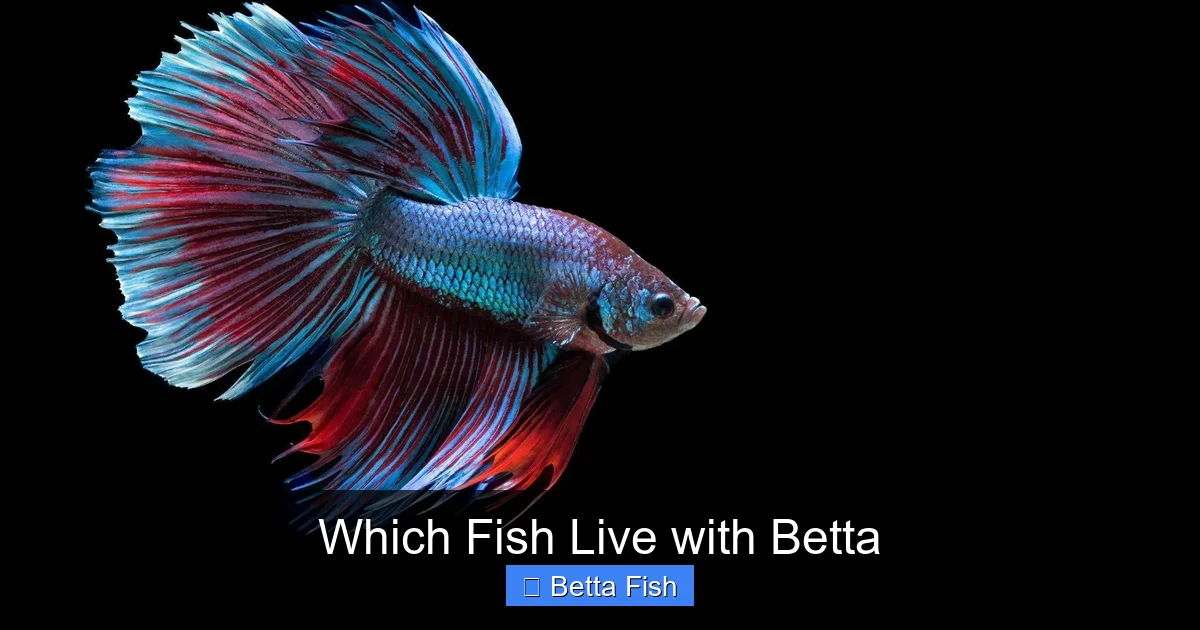
Which Fish Live with Betta
Not all fish can live with a betta. The betta’s aggressive, territorial nature means choosing tank mates requires careful consideration of size, temperament, and fin types. Success depends on a properly sized, heavily planted tank with ample hiding spots and a well-researched selection of peaceful, fast-swimming species that won’t trigger the betta’s aggression. Always have a backup plan for separation.
Key Takeaways
- Betta temperament is key: Your betta’s individual personality is the biggest variable. A peaceful betta in a large, planted tank has more options than an aggressive one in a small bowl.
- Tank size is non-negotiable: The absolute minimum for a community is 10 gallons, but 20+ gallons dramatically increases success rates and fish choices.
- Hiding spots are essential: Live plants, driftwood, and caves break line-of-sight, giving both the betta and its tank mates places to retreat and feel secure.
- Avoid flashy fins and bright colors: Fish with long, flowing fins (like guppies) or extremely bright colors can be mistaken for rival bettas and attacked.
- Speed and schooling are your friends: Fast-moving, schooling fish (like neon tetras or harlequin rasboras) can often evade a betta’s strikes and thrive in groups.
- Never house two male bettas together: This is a universal rule. Female bettas can sometimes be kept in sororities, but this is advanced and requires specialized setup.
- Always have a Plan B: Keep a separate “hospital” tank ready. Even with perfect planning, a betta may not accept a tank mate, and you must be prepared to separate them immediately.
📑 Table of Contents
- Understanding Your Betta: The Siamese Fighting Fish Legacy
- Ideal Tank Conditions: The Foundation for Success
- Top Contenders: Fish That Often Live with Betta
- High-Risk & Absolute No-Nos: Fish to Never House with a Betta
- The Community Tank Setup: A Step-by-Step Guide
- Common Mistakes and Troubleshooting
Understanding Your Betta: The Siamese Fighting Fish Legacy
Before we even think about which fish live with betta tanks, we must understand the creature at the center of it all. The betta splendens, or Siamese Fighting Fish, earned its name for a reason. For centuries, they were bred for aggression in staged fights. This history has hardwired them with a strong territorial instinct and a deep-seated need to defend their space, particularly from other fish that look like them—fish with long, flowing fins and vibrant colors.
The Myth of the “Lonely” Betta
Many people believe their betta is lonely and needs friends. This is a human emotion projected onto a fish. Bettas are solitary by nature. In the wild, they are not schooling fish; they command a small territory of plants and debris, only seeking others for breeding. A peaceful, well-decorated tank with proper filtration, heating, and enrichment is not a prison—it’s a suitable home. The decision to add tank mates should be for your enjoyment and to create a dynamic ecosystem, not because you think the betta is “sad.”
Reading Betta Body Language
To successfully choose tank mates, you must become a betta behavior expert. Flaring (gills and fins puffed out) is the classic sign of aggression or excitement. A relaxed betta will have slightly spread fins and swim calmly. Persistent flaring at a specific fish, chasing, or nipping are clear signs of incompatibility. Observation is your most important tool during the introduction phase.
Ideal Tank Conditions: The Foundation for Success
The single most important factor in determining which fish live with betta successfully is the environment you provide. A betta in a 2.5-gallon bowl has almost zero chance of cohabiting peacefully with anything. In a properly set-up 20-gallon long aquarium, the odds increase dramatically. Think of it this way: a small apartment makes people cranky and territorial. A spacious house with private rooms allows for much better relationships.
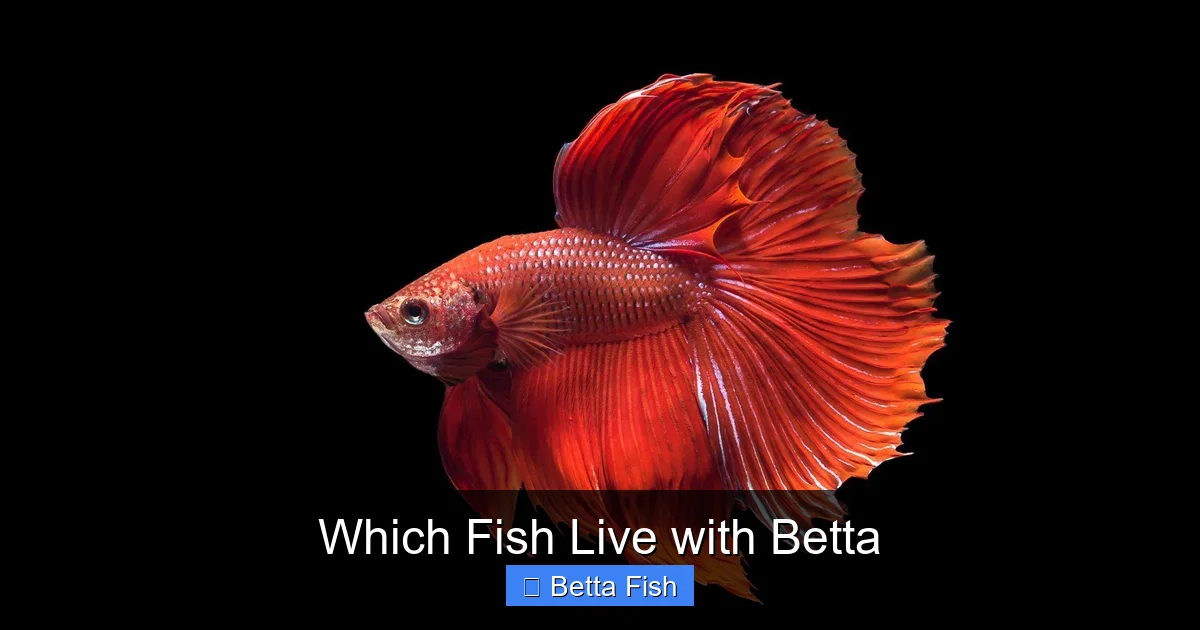
Visual guide about Which Fish Live with Betta
Image source: wallpapercave.com
Tank Size and Dimensions Matter
Absolute Minimum: 10 gallons. This provides enough horizontal swimming space and water volume to dilute aggression and waste. Strongly Recommended: 20 gallons or more. The extra space allows you to establish distinct territories with decorations and gives pursued fish a real chance to escape. Long, shallow tanks (like a 20-gallon long) are better than tall, deep ones, as bettas are surface-dwellers and need easy access to air.
The Power of Plants and Décor
You cannot have too many hiding spots. The goal is to break the betta’s constant line of sight to any other fish. Use a combination of:
- Tall, leafy plants: Amazon swords, Java fern, and Cryptocorynes create vertical forests.
- Floating plants: Salvinia or frogbit are perfect. They shade the tank, reduce stress, and provide a surface for bubble nests (if you have a male).
- Driftwood and rock caves: These offer solid, dark hideaways.
- PVC pipes or terracotta pots: Simple, effective artificial hides.
A tank that looks like a dense jungle, not a clear swimming pool, is the goal.
Top Contenders: Fish That Often Live with Betta
With the right tank setup, certain species have a proven track record of cohabiting with bettas. Remember, there are no 100% guarantees due to individual betta personalities, but these are your safest starting points. Always research each species’ full care requirements (temperature, pH, diet) to ensure they match your betta’s needs.
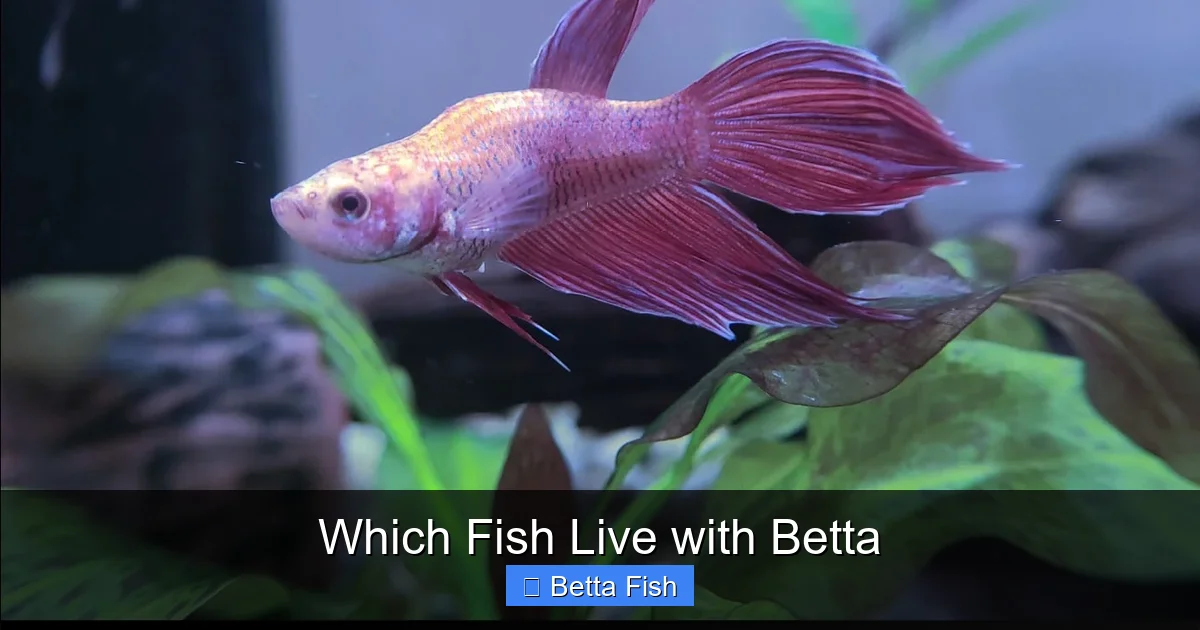
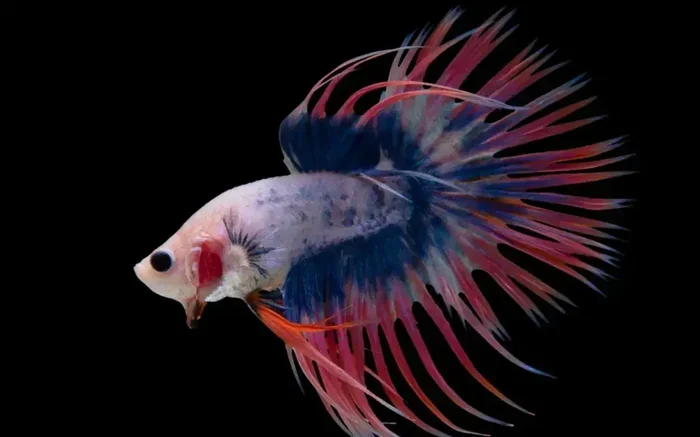
Visual guide about Which Fish Live with Betta
Image source: buildyouraquarium.com
1. Corydoras Catfish (The Peaceful Bottom-Feeders)
These adorable, tiny “armored catfish” are arguably the best tank mates for a betta. They are entirely bottom-dwellers, so they occupy a different “neighborhood” of the tank. Corys are social and must be kept in groups of at least 5-6. They are fast, active, and have armored plates, making them unappealing targets. Their constant scavenging also helps keep the tank clean.
2. Harlequin Rasboras (The Active Schoolers)
These beautiful, orange fish with the distinctive black triangle are excellent choices. They are fast, active mid-to-top level swimmers that prefer to be in groups of 8 or more. Their speed and tendency to stay in a cohesive school make it very difficult for a betta to single one out. They are hardy and share the same warm, soft water preferences as bettas.
3. Kuhli Loaches (The Eel-Like Oddities)
If you want something truly unique, Kuhli loaches are fascinating. These eel-like fish are completely nocturnal and spend the day burrowed in the substrate or hiding under décor. They are utterly harmless, peaceful, and their odd shape and behavior mean the betta often ignores them entirely. Keep them in groups of 3-5. They are expert escape artists, so a secure lid is mandatory.
4. Bristlenose Plecos (The Algae Eaters)
Unlike their larger, common pleco cousins that can grow over a foot long and produce massive waste, the Bristlenose Pleco (Ancistrus sp.) stays small (4-5 inches). They are primarily nocturnal and have bony plates, making them poor targets. They come in various color morphs (albino, lemon, etc.). Their primary job is algae control, but they also need supplemental foods like algae wafers and blanched veggies.
5. Ember Tetras (The Tiny, Fiery Schoolers)
For a 10-gallon tank, Ember Tetras are perfect. They are one of the smallest tetra species (about 0.8 inches) and have a beautiful, fiery orange-red color. Their tiny size and hyperactive schooling behavior in groups of 10+ make them elusive targets. They are very peaceful and add a stunning shimmer to the upper and middle levels of the tank.
6. White Cloud Mountain Minnows (The Hardy Cold-Water Option)
These are excellent, hardy fish that can tolerate the same temperature range as bettas (though they prefer it cooler). They are active, peaceful schoolers that stay in the middle levels. Their plain, silvery-green coloration with a red tail means they don’t look like rival bettas. They are a great, inexpensive option for a community tank.
High-Risk & Absolute No-Nos: Fish to Never House with a Betta
Just as important as knowing who might work is knowing who absolutely will not. Some combinations are recipes for disaster, leading to stress, injury, or death.

Visual guide about Which Fish Live with Betta
Image source: happybettafish.com
Fish with Long, Flowing Fins
This is the cardinal rule. The betta’s instinct is to attack anything that resembles another male betta—a fish with a big, flowing tail. This includes:
- Fancy Guppies: Their elaborate caudal fins are a red flag to a betta.
- Fancy Goldfish: Too cold-water, produce too much waste, and have flowing fins.
- Siamese Algae Eaters (True): While they can work, many have a stripe and fin shape that triggers bettas. High risk.
- Other long-finned tetras or barbs.
Even a peaceful betta may see these as rivals to be nipped and torn.
Aggressive or Semi-Aggressive Fish
Do not pair your potentially aggressive betta with other fish known for bossiness or fin-nipping. Two aggressive personalities in a confined space will lead to constant conflict. Avoid:
- Other Anabantoids: Gouramis (Dwarf, Pearl, Kissing) are closely related and often just as territorial. They will likely fight.
- Tiger Barbs: Classic fin-nippers. They will harass a betta relentlessly.
- Most Cichlids: Too aggressive and have different water parameter needs.
- Red-tailed Sharks or other “shark” barbs: They are territorial and will chase the betta (or vice versa).
Slow, Fancy, or Delicate Fish
Fish that are slow-moving, have elaborate bodies, or are very delicate will become targets for a curious or aggressive betta. They cannot evade a strike.
- Fancy Goldfish: (Mentioned above, but bears repeating due to temperature mismatch and messiness).
- Bettles (except for Plecos): Other bettas are the #1 enemy.
- Angelfish: Can be aggressive, large, and may see the betta as food or a threat.
- Discus: Delicate, require pristine, warm water, and are too slow.
The Community Tank Setup: A Step-by-Step Guide
So you’ve chosen a potential tank mate and have a suitable tank. Now, the introduction process is critical. Rushing this is the #1 cause of failure.
Step 1: The Quarantine Tank
Before any new fish enters your main display tank, it must spend 2-4 weeks in a separate quarantine tank. This prevents the introduction of parasites, bacteria, or pests (like bladder snails) into your established ecosystem. It also allows you to observe the new fish for any signs of illness.
Step 2: Rearrange the Décor
On the day of introduction, first, do a major rearrange of your main tank. Move plants, rocks, and driftwood to break up any established territories your betta may have claimed. This “resets” the tank and forces the betta to re-establish its territory, making it less likely to immediately attack a newcomer who is now in a “new” space.
Step 3: The Acclimation Process
Use the drip acclimation method for the new fish. Float the bag in the tank to equalize temperature, then slowly drip tank water into the bag over 1-2 hours. This is crucial for sensitive species like tetras and rasboras. Once acclimated, use a net to transfer the fish into the tank, never pouring bag water into your display.
Step 4: The Initial Observation Period
Have a divider ready (like a piece of acrylic or a fine-mesh breeder box) to create a temporary barrier. Place the new fish on one side and your betta on the other for 24-48 hours. This lets them see and get used to each other’s presence without physical contact. Watch for extreme flaring, posturing, or frantic chasing against the divider.
Step 5: The First Release
After the divider period, it’s time for the first face-to-face meeting. Have a net and a backup container ready. Gently release the new fish into a corner of the tank, preferably near a large piece of décor where it can immediately hide. Observe closely for 30-60 minutes. Some initial flaring and chasing is normal as hierarchies are established. Intervene only if:
- The betta is in relentless pursuit with no breaks.
- One fish is visibly injured (torn fins, missing scales).
- The new fish is cornered and cannot escape.
If you intervene, you may need to use the divider permanently or rehome the new fish.
Common Mistakes and Troubleshooting
Even with the best plan, things can go wrong. Here’s how to navigate the most common pitfalls.
Mistake: Adding Too Many Fish at Once
The bioload (waste produced) of a new fish is a shock to the tank’s cycle. Always add only one new species at a time, waiting 2-3 weeks between additions to monitor water parameters (ammonia, nitrite, nitrate) and ensure the filter can handle the load. Overstocking leads to poor water quality, which stresses all fish and increases aggression.
Mistake: Ignoring Water Quality
Clean water is the single biggest stress reducer for all fish. A betta with poor water quality is a cranky, sick betta. Perform weekly water changes of 25-30%, vacuum the substrate, and test water parameters regularly. A pristine tank is a peaceful tank.
What to Do If Fighting Erupts
If your betta and a tank mate are fighting, act immediately. Use a net to remove the injured or targeted fish to the quarantine/hospital tank. Do not return it to the main tank for at least 48 hours. Re-evaluate the entire situation:
- Is the tank big enough? Consider an upgrade.
- Are there enough hiding spots? Add more plants and décor.
- Is the betta’s personality the problem? Some bettas are simply too aggressive for any tank mates.
- Was the chosen species wrong? Perhaps a faster, more skittish species is needed.
Sometimes, the only solution is to give the betta a species-only tank. This is not a failure; it’s providing the correct environment for that individual fish.
Frequently Asked Questions
Can betta fish live with guppies?
Generally, no. Male guppies have long, colorful fins that closely resemble a rival male betta, almost always triggering aggression. While some rare, very peaceful bettas might ignore a single plain female guppy, it’s an extremely high-risk combination not recommended for beginners.
Can a female betta live with other fish?
Yes, female bettas are often less aggressively territorial than males and can sometimes be kept in a well-planned community tank. However, their temperament varies individually. The same rules of tank size, décor, and compatible species (like cories or rasboras) apply. Never assume a female is automatically peaceful.
How many fish can I put with my betta in a 10-gallon tank?
In a 10-gallon tank with a single betta, you should start with a very small school of tiny, fast fish like 6-8 Ember Tetras or 5-6 male White Cloud Mountain Minnows. You could also add a small group of 5-6 Pygmy Corydoras. The total number of additional fish should be modest to avoid overstocking and allow ample space.
Can bettas live with snails or shrimp?
Snails: Usually yes. Nerite snails, Mystery/Apple snails, and Ramshorn snails are excellent. They are slow, have hard shells, and do most of their activity at night. They help clean algae and are generally ignored.
Shrimp: It’s a gamble. Large shrimp like Bamboo or Amano shrimp are often safe and make great cleanup crews. Small Cherry Shrimp or Neocaridina are frequently seen as food by a betta, especially if the betta is hungry or aggressive. Have a backup plan if you try shrimp.
What is the best first tank mate for a betta?
The safest, most beginner-friendly tank mates are Corydoras catfish (in a group of 6+) and Harlequin Rasboras (in a group of 8+). They occupy different tank levels (bottom and middle-top), are fast and peaceful, and have body types that don’t trigger the betta’s aggression. They also have similar water parameter requirements.
My betta flares at his reflection all the time. Will he attack tank mates?
Constant flaring at its own reflection indicates a highly territorial and possibly stressed betta. This is a major red flag for adding any tank mates. First, address the reflection issue by using aquarium background paper on the outside of the tank sides, ensuring no bright lights are directly behind the tank, and providing plenty of plants to block the view. Do not add tank mates until this behavior subsides significantly.