Is Lobster Fishing Better at Night or Morning
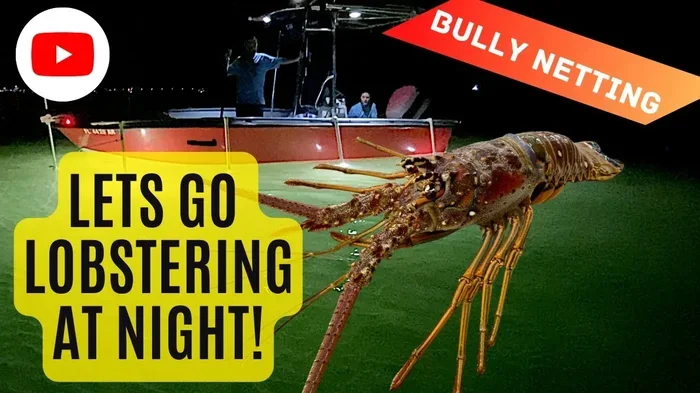
Is lobster fishing better at night or morning? The answer depends on water temperature, tide cycles, and lobster behavior. Lobster fishing at night often wins because these creatures are more active after dark, but early morning can also produce excellent results. This guide breaks down the best times, conditions, and techniques to help you plan a successful trip.
There is something magical about heading out on the water when the sun goes down. The ocean quiets down. The air cools. And for many anglers, lobster fishing truly begins once darkness falls. If you have ever wondered whether lobster fishing is better at night or morning, you are not alone. This question comes up among both beginners and seasoned pros.
The truth is that both times of day can work. But the results often favor one over the other depending on the season, location, and water conditions. In this article, we will break down everything you need to know. You will learn why lobsters behave the way they do, what time of day produces the best catch, and how to plan your trips for maximum success.
Whether you fish from a boat or wade into the shallows, understanding lobster patterns gives you a real edge. Let us dive into the details and help you decide the best time to drop your traps.
Key Takeaways
- Night fishing is generally better: Lobsters are nocturnal and more active after sunset.
- Morning has its own advantages: Cooler water temperatures and low light can still attract lobsters.
- Tide timing matters: Fishing around tide changes boosts your chances of a good catch.
- Water temperature is critical: Lobsters move to shallower or deeper water based on seasonal warmth.
- Location and habitat play a big role: Rocky reefs, ledges, and kelp beds hold more lobster.
- Using the right bait and traps increases success: Fresh bait like herring or mackerel works best.
- Safety first: Night fishing requires proper gear, lights, and awareness of your surroundings.
📑 Table of Contents
Understanding Lobster Behavior: Day vs Night
Lobsters are fascinating creatures. They follow strong patterns that have evolved over thousands of years. Knowing these patterns is the first step toward becoming a better angler.
Why Lobsters Are More Active at Night
Lobsters are nocturnal animals. This means they are naturally most active after dark. During the day, they hide in crevices, under rocks, and inside burrows on the ocean floor. They stay hidden to avoid predators like eels, seals, and larger fish.
Once the sun sets, lobsters come out to feed. They crawl along the reef, searching for small fish, crabs, snails, and dead animals. This is when your lobster fishing efforts can really pay off.
Many experienced anglers agree that is fishing better at night or day depends on the species. For lobster, the clear winner is almost always night. The darkness gives them the cover they need to move freely and hunt.
What Happens in the Morning
Early morning is a transition period. The light is low, and the water is often still cool from the night. During this window, some lobsters are still moving around from their daytime hiding spots. Others are heading back to cover.
This means morning lobster fishing can be productive, especially during certain seasons. In cooler months, lobsters may stay active longer into the morning because the water takes more time to warm up. In summer, they tend to retreat to deeper, cooler water earlier in the day.
So while morning is not as reliable as night, it is far from a waste of time. Smart anglers use the early hours to set up and be ready when the sun dips below the horizon.
The Best Time of Day for Lobster Fishing
Timing is everything in lobster fishing. But what exactly does the best timing look like? Let us break it down by time of day and season.
Night Fishing: The Prime Window
Most experts agree that the hours between sunset and two hours after dark are the golden window for lobster fishing. During this time, lobsters are actively leaving their hiding spots and beginning to feed. The water is dark enough for them to feel safe, and the temperature is often ideal.
If you are asking yourself, is it better to fish at night for lobster, the answer is almost always yes. Here is why:
- Lobsters are naturally active: Their eyes are adapted to low light conditions.
- Predators are less active: Fewer threats mean lobsters move more freely.
- Water temperatures are stable: Nighttime cooling keeps the shallows comfortable.
- Less boat traffic: You have more fishing spots to yourself.
Many coastal fishing communities have built their entire lobster seasons around night schedules. Whether you are diving or setting traps, working the night shift gives you the best shot at a full cooler.
Morning Fishing: The Second Best Option
Morning lobster fishing works best during the last hour before sunrise and the first hour after. The light is dim, and many lobsters are still on the move. This is a great time to check traps that you set the night before.
In some regions, local regulations actually require that you pull traps before a certain morning hour. This is often to avoid conflicting with other fishing activities during peak daytime hours.
One thing to keep in mind is that is fishing better when water is rising or falling also affects morning success. Lobsters tend to feed more actively during moving water, so fishing around tide changes in the early morning can boost your results.
What Affects Lobster Fishing Success
Time of day is only one piece of the puzzle. Several other factors play a big role in how successful your lobster fishing trip will be. Let us look at the most important ones.
Tide Cycles and Water Movement
Tides are a huge factor in lobster fishing. Lobsters use the moving water to travel and feed. When the tide is coming in or going out, they are more likely to be on the move across the reef.
Fishing during slack tide (when the water is barely moving) is usually less productive. Instead, aim to be on the water during the change of tide. Many anglers check tide charts the night before and plan their trips around the best windows.
So if you are wondering whether is high tide or low tide better for fishing, the answer for lobster is that moving water matters most. Both incoming and outgoing tides can work well.
Water Temperature and Season
Lobsters are sensitive to water temperature. In the spring and fall, they tend to be found in shallower water near the shore. In summer, they move deeper to find cooler temperatures. In winter, they become less active and harder to find.
The best months for lobster fishing vary by region. In the Northeast United States, the lobster season peaks in late fall and winter. In warmer southern waters, you can fish year-round, but the best results still come at night.
Here is a quick comparison of how seasons affect lobster activity:
| Season | Water Temp | Lobster Activity | Best Fishing Time |
|---|---|---|---|
| Spring | Cooling or warming | Moderate to high | Night and early morning |
| Summer | Warm | High at night, low during day | Night only |
| Fall | Cooling | Very high | Night and morning |
| Winter | Cold | Low to moderate | Midday when water is warmest |
Location and Habitat
Where you fish matters just as much as when you fish. Lobsters love structure. Rocky reefs, underwater ledges, kelp beds, and artificial reefs are all prime habitat. These features give them shelter and a steady food supply.
If you are new to the area, talk to local bait shops or experienced anglers. They will know the best fishing spots for lobster in your region. Some coastal areas are famous for producing big catches, and local knowledge can save you hours of searching.
Bait and Trap Setup
Using fresh, oily bait like herring, mackerel, or bluefish makes a big difference. Lobsters are attracted to strong scents in the water. The smellier the bait, the better it draws them to your trap.
Make sure your traps are in good condition. Check the doors, vents, and bait bags regularly. A well-maintained trap catches more lobster than a worn-out one. And always use bait that is legal in your area. Some regions have specific rules about what you can use.
Night Lobster Fishing: Pros and Cons
Night fishing for lobster has a lot going for it. But like anything, it comes with trade-offs. Let us look at both sides.
The Pros
- Higher catch rates: Lobsters are actively feeding and moving.
- Less competition: Fewer boats and anglers are on the water.
- Cooler conditions: Working at night is more comfortable in warm climates.
- Better visibility for divers: Lobsters are easier to spot with a flashlight or headlamp against the dark reef.
The Cons
- Safety risks: Navigating boats and diving in the dark requires extra caution.
- More gear needed: You need lights, reflective gear, and a reliable boat.
- Regulation limits: Some areas have restricted hours for night fishing.
- Fatigue: Staying up late and waking early can wear you down over time.
Despite the challenges, most lobster anglers would say that lobster fishing at night is well worth the effort. The payoff in catch size and quantity is hard to beat.
Morning Lobster Fishing: Pros and Cons
Morning fishing for lobster is underrated. It does not get the same attention as night fishing, but it has real benefits.
The Pros
- Calm water: Morning often brings smoother conditions and less wind.
- Good for checking traps: You can retrieve traps set the night before.
- Comfortable temperatures: Especially nice during hot summer months.
- Less gear preparation: You do not need as much lighting equipment.
The Cons
- Lower activity: Most lobsters have already returned to their hiding spots.
- Shorter window: The productive time is brief before the sun gets too high.
- More boat traffic: Recreational boaters and other anglers are out in force.
Morning lobster fishing works best as a complement to night fishing. Set your traps at dusk, then head out early the next morning to pull them in. This approach gives you two chances at success in a single day.
Expert Tips for a Successful Lobster Fishing Trip
After years of fishing for lobster, both day and night, here are the tips that consistently deliver the best results.
Plan Around the Moon Phase
Believe it or not, the moon affects lobster behavior. During a full moon, the extra light can keep lobsters closer to their hiding spots. During a new moon, the darker conditions make them bolder and more active. Planning your trips around the lunar cycle is a simple trick that can improve your catch.
Always Check Local Regulations
Lobster fishing is heavily regulated in many areas. There are size limits, trap limits, and seasonal closures. Before you head out, make sure you have the right licenses and understand the rules. Ignorance of the law is not an excuse, and violations can lead to heavy fines.
Invest in Quality Lighting
If you fish at night, good lighting is non-negotiable. A bright headlamp for diving, powerful deck lights for the boat, and backup flashlights are all essential. Being able to see clearly in the dark keeps you safe and helps you spot lobster faster.
Keep a Fishing Log
Tracking your trips is one of the best ways to improve over time. Note the date, time, location, tide, water temperature, and how many lobster you caught. Over time, patterns will emerge. You will learn exactly when and where lobster fishing works best for your local waters.
Stay Safe on the Water
Night and early morning fishing can be dangerous if you are not careful. Always wear a life jacket on the boat. Let someone know your plans before you go out. Carry a first aid kit, a radio, and a fully charged phone. The ocean does not forgive carelessness.
Many anglers also ask, is fishing better before or after rain for lobster. Light rain can actually help by washing nutrients into the water and stirring up the bottom. But heavy storms make conditions unsafe. Use good judgment and stay off the water when the weather turns rough.
Conclusion
So, is lobster fishing better at night or morning? The honest answer is that both have their place. Night fishing offers the highest catch rates because lobsters are naturally active after dark. Morning fishing is a solid backup and a great way to check your overnight traps.
The key is to plan around tide cycles, water temperature, and local regulations. Use fresh bait, fish in the right habitat, and always prioritize safety. Whether you head out under the stars or catch the first light of dawn, the effort you put into preparation will show up in your cooler at the end of the day.
Now that you know the best times and conditions, it is time to get out on the water. Grab your traps, check your bait, and enjoy the thrill of lobster fishing at its finest. Tight lines and good luck out there.
Frequently Asked Questions
Is lobster fishing better at night or morning?
Most experts agree that lobster fishing at night is better because lobsters are nocturnal and actively feed after dark. However, early morning can also be productive, especially when checking traps set the night before. The best results often come from combining both times.
What is the best time of year for lobster fishing?
The best season depends on your location. In the Northeast U.S., fall and winter are peak months. In warmer southern waters, you can fish year-round. Always check local regulations because many areas have specific lobster seasons with open and closed dates.
Do lobsters come out in the morning?
Some lobsters are still moving in the early morning, especially during cooler months. However, most have retreated to their hiding spots by sunrise. The window for morning lobster fishing is short but can be worthwhile if you time it right.
What bait works best for lobster fishing?
Fresh oily fish like herring, mackerel, and bluefish are the top choices. The strong scent attracts lobsters from a distance. Some anglers also use salted fish or commercial lobster bait. Always check local rules about approved bait types.
Can you fish for lobster from shore?
In some areas, yes. Shore-based lobster fishing works best in rocky coastal zones where lobsters are close to the surface. You will need to wade into the water or cast from piers and jetties. However, boat fishing gives you access to deeper water and more productive spots.
Is it safe to lobster fish at night?
Night fishing can be safe if you take the right precautions. Always wear a life jacket, use proper lighting, and let someone know your plans. Diving at night requires extra skill and experience. Never fish alone in unfamiliar waters, and always check the weather forecast before heading out.