Is It Better to Fish When It’s Cold or Hot
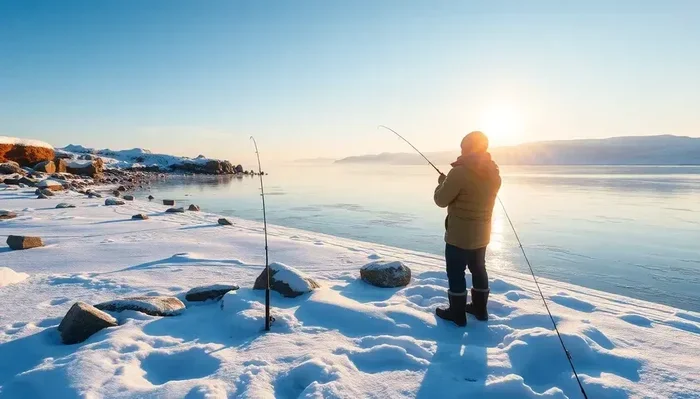
Is it better to fish when it’s cold or hot? The answer depends on several factors, including the species you are targeting, water temperature, and oxygen levels. Cold water slows fish metabolism, making them less active but more predictable. Hot weather boosts fish feeding but can push them into deeper, cooler water. Understanding these patterns helps you choose the right time and spot for a successful day on the water.
Every angler has asked themselves this question at some point. You wake up, check the thermometer, and wonder whether to grab your gear or stay in bed. Is it better to fish when it’s cold or hot? The truth is, both conditions offer unique advantages and challenges. What matters most is understanding how temperature affects fish behavior and adapting your approach accordingly.
Fishing is not just about casting a line and hoping for the best. It is about reading the environment, understanding the habits of your target species, and making smart decisions based on conditions. Water temperature plays a huge role in determining where fish are, how actively they feed, and what techniques will work best. In this guide, we will break down everything you need to know about fishing in cold and hot conditions so you can plan your next trip with confidence.
Whether you are a seasoned pro or a beginner just getting started, this article will give you practical tips you can use right away. We will explore the science behind fish behavior in different temperatures, share proven strategies for both cold and hot weather, and highlight common mistakes to avoid. By the end, you will have a clear picture of how to make the most of every fishing trip, no matter what the forecast says.
Key Takeaways
- Fish behavior changes with temperature: Cold water slows fish down, while hot water increases their activity and feeding drive.
- Optimal fishing temperatures vary by species: Different fish species thrive in different temperature ranges.
- Early morning and late evening are golden hours: These times offer the best conditions in both cold and hot weather.
- Oxygen levels matter just as much as temperature: Warm water holds less oxygen, which directly impacts fish activity.
- Adjust your technique based on conditions: Slow down in cold water and fish deeper in hot weather.
- Avoid common mistakes like ignoring water temperature: Many anglers overlook this simple but critical factor.
📑 Table of Contents
How Temperature Affects Fish Behavior
Fish are cold-blooded creatures. This means their body temperature matches the temperature of the water around them. Because of this, water temperature directly affects their metabolism, energy levels, and feeding habits. When the water is cold, fish move slowly and need less food. When it is warm, their metabolism speeds up and they become more active.
The Science Behind Fish Metabolism
Fish metabolism works like a engine that runs on temperature. In cold water, the engine runs slow. Fish burn less energy and eat less. In warm water, the engine revs up. They need more food and move around more. This is why water temperature is one of the most important factors in fishing success.
Here are the key ways temperature impacts fish:
- Feeding activity: Warmer water generally increases feeding appetite, while cold water reduces it.
- Movement patterns: Fish in cold water stay near the bottom. In warm water, they may move to different depths.
- Oxygen levels: Cold water holds more oxygen than warm water. Low oxygen in hot water can make fish sluggish.
- Spawning behavior: Many species spawn at specific temperature ranges, which affects their location and feeding.
Why Oxygen Levels Matter
Oxygen is essential for fish. Cold water holds more dissolved oxygen than warm water. When temperatures rise, oxygen levels drop. This can stress fish and push them to seek cooler, more oxygen-rich areas. This is why in hot weather, you often find fish hiding in deeper water or near springs and inflows where the water is cooler and fresher.
Understanding this connection between temperature and oxygen gives you a big advantage. You can predict where fish will be and what they will be doing. This is the foundation of smart fishing, whether you are dealing with a cold front or a heat wave.
Cold Weather Fishing: What You Need to Know
Fishing in cold weather can be incredibly rewarding if you know what to expect. Many anglers avoid the cold, but those who embrace it often find less competition and more focused fish. Cold water fishing requires patience and the right approach, but the results can be well worth the effort.
How Fish Act in Cold Water
In cold water, fish become sluggish. Their metabolism slows down, and they do not need to eat as often. This means they will not chase fast-moving lures or strike aggressively. Instead, they prefer slow, easy meals that come to them without much effort.
Here is what happens to fish in cold conditions:
- They move to deeper water where temperatures are more stable.
- They hold near the bottom and stay in one spot longer.
- They respond better to slow presentations and small baits.
- They are less likely to travel long distances to feed.
Best Techniques for Cold Water Fishing
When the temperature drops, you need to change your strategy. Fast retrieves and aggressive lures will not work well. Instead, focus on slow and subtle presentations. Jig fishing, drop shotting, and ned rigging are excellent techniques for cold water. These methods keep your bait moving slowly and naturally, which is exactly what sluggish fish want to see.
One of the best times to fish in cold weather is during the warmest part of the day. Midday sun can warm the shallows and trigger some feeding activity. Fishing with or without a bobber can also make a difference. A bobber helps you detect subtle bites that might otherwise go unnoticed when fish are not feeding aggressively.
Ideal Species for Cold Weather Fishing
Not all fish are equally affected by cold water. Some species remain active even in low temperatures. Trout, walleye, and crappie are known for being good cold-water fighters. Bass and catfish, on the other hand, become very sluggish when temperatures drop below 50 degrees Fahrenheit. Knowing your target species and its cold-weather behavior is essential for success.
Hot Weather Fishing: What You Need to Know
Hot weather brings its own set of challenges and opportunities. When temperatures soar, fish metabolism increases and they become more active feeders. However, high heat can also push fish into deeper water or make them seek shade and cooler areas. Understanding these patterns is key to catching fish during the summer months.
How Fish Act in Hot Water
In warm water, fish are more energetic and willing to chase prey. Their feeding windows are longer, and they are more likely to cover water to find food. However, there is a tipping point. When water temperatures get too high, oxygen levels drop, and fish become stressed. They will retreat to deeper, cooler water or find shade under structure, logs, and vegetation.
Here is how hot weather affects fish behavior:
- Fish feed more actively during early morning and late evening.
- During midday heat, they move to deeper water or shaded areas.
- They may become less willing to chase fast-moving lures.
- They prefer cooler water temperatures, typically between 65 and 75 degrees Fahrenheit for most species.
Best Techniques for Hot Weather Fishing
During hot weather, early morning and late evening are your best windows. Fish are more active and closer to the surface during these times. Fishing in the morning is especially effective because the water has cooled overnight and oxygen levels are high. As the day heats up, switch to deeper water techniques like trolling, deep dropping, or fishing near structure.
Using lighter line and smaller lures can also help in hot conditions. Fish are more wary in clear, warm water and can be easily spooked. Stealth and precision matter more than ever. If you are fishing during the heat of the day, focus on shaded areas, docks, and underwater structure where fish seek relief from the sun.
Species That Thrive in Warm Water
Bass, bluegill, and sunfish are excellent targets during hot weather. They stay active in warm water and feed readily during low-light periods. Catfish are another great option because they are bottom feeders and can be very active even in warm water. Knowing which species are most active in the heat will help you target them more effectively.
Best Times to Fish Based on Temperature
Timing is everything in fishing. The time of day, the season, and the weather all play a role in determining whether conditions are favorable. Let us break down the best times to fish in both cold and hot weather so you can plan your trips more effectively.
Cold Weather Fishing Windows
In cold weather, the best fishing windows are during the warmest parts of the day. Late morning to early afternoon is ideal when the sun has had time to warm the shallows. Overcast days can also be productive because fish are less spooky and may feed more actively without the bright sun overhead.
Early spring and late fall can offer excellent cold-weather fishing opportunities. Fish are preparing for seasonal changes and may feed more aggressively during these transitional periods. Pay attention to water is rising or falling as well. Rising water after a cold front can trigger feeding activity in many species.
Hot Weather Fishing Windows
During hot weather, the early morning hours before sunrise and the late evening hours after sunset are the best times to fish. The water is cooler, oxygen levels are higher, and fish are actively feeding. Midday fishing can still be productive if you target deep water or shaded structure.
Fishing at night is another excellent strategy during hot summer months. Many species become more active after dark when the water cools and there is less fishing pressure. Night fishing for bass, catfish, and walleye can be incredibly productive and is a great way to beat the heat.
Seasonal Temperature Patterns
Each season brings different temperature patterns and fishing opportunities. Spring warming triggers spawning and aggressive feeding. Summer heat pushes fish to find comfort in cooler water. Fall cooling brings a second feeding surge as fish prepare for winter. Winter cold slows everything down but can still offer solid catches for those willing to bundle up and be patient.
Tips for Fishing in Extreme Temperatures
Extreme cold and extreme heat both require special adjustments. Here are some practical tips to help you succeed no matter what the thermometer says.
Fishing in Extreme Cold
When temperatures drop below freezing, ice fishing becomes an option in many regions. If you are open-water fishing in extreme cold, focus on slow presentations and fish deep. Use smaller baits and lighter tackle. Fish are not going to expend energy chasing a fast lure in near-freezing water. Be patient and let the bait do the work.
Fishing in Extreme Heat
In extreme heat, prioritize early morning and nighttime fishing. Stay hydrated and protect yourself from the sun. Fish deep during the day and target the thermocline, which is the layer of water where temperature changes rapidly and oxygen levels are optimal. Using a fish finder to locate the thermocline can dramatically improve your success in hot weather.
General Tips for All Conditions
- Always check the water temperature before you head out.
- Match your lure speed to the activity level of the fish.
- Fish deeper in hot weather and shallower in cold weather during peak warming periods.
- Pay attention to weather fronts and barometric pressure changes.
- Keep your line light and your knots strong in extreme temperatures.
Common Mistakes to Avoid
Even experienced anglers make mistakes when fishing in extreme temperatures. Avoiding these common errors can significantly improve your catch rate and make your time on the water more enjoyable.
Ignoring Water Temperature
Many anglers focus on the air temperature and forget about the water. Air temperature does not always match water temperature, especially in early spring or late fall. A warm sunny day in spring does not mean the water has warmed up enough to trigger feeding. Always check the water temperature and adjust your expectations accordingly.
Using the Wrong Speed
Retrieving your lure too fast in cold water is one of the most common mistakes. Fish are not going to chase a fast-moving bait when their metabolism is slow. Slow down your presentation and give fish time to find and strike your lure. Conversely, in hot water, sometimes a faster retrieve can trigger a reaction strike from active fish.
Fishing at the Wrong Depth
In hot weather, fishing shallow during midday is usually a waste of time. Fish will be deep and cool. In cold weather, fishing deep during midday when the shallows are still cold may also not be productive. Adjust your depth based on the current temperature and time of day for much better results.
Not Adjusting Your Bait Selection
Using the wrong bait for the temperature can cost you catches. In cold water, live bait like worms and minnows work well because they move naturally and slowly. In hot water, softer plastics and natural baits that mimic easy prey are more effective. Matching your bait to the conditions is a simple but powerful way to improve your fishing.
Expert Insights: What the Pros Say
Professional anglers consistently emphasize the importance of reading water temperature before making any decisions on the water. They know that is it better to fish when it’s cold or hot is not a simple yes or no answer. It depends on the species, the location, the time of day, and the specific conditions you are facing.
Many top anglers keep a fishing log where they record water temperature, weather conditions, and their catch results. Over time, this data helps them identify patterns and predict the best fishing conditions. You can do the same with a simple notebook or a fishing app on your phone.
One thing all experts agree on is that versatility is key. The ability to adjust your technique, location, and timing based on temperature changes separates good anglers from great ones. Whether you are fishing in a cold mountain stream or a hot southern lake, the principles remain the same. Read the conditions, adapt your approach, and stay patient.
Another important insight from the pros is to pay attention to seasonal transitions. The periods just before and after major temperature changes often produce the best fishing. A warming trend in early spring or a cooling trend in early fall can trigger aggressive feeding in many species. These transitional periods are often overlooked by casual anglers but are golden opportunities for those who understand the patterns.
Finally, do not underestimate the value of observation. Watch the water, watch the sky, and watch the birds. Nature gives you many clues about what is happening below the surface. Fish feeding on the surface, birds diving, and changes in water color can all tell you something about what is working on that particular day.
Conclusion
Is it better to fish when it’s cold or hot? The honest answer is that both conditions have their merits. Cold water fishing requires patience, slow presentations, and a focus on deeper water. Hot weather fishing offers more active fish but demands early mornings, shade fishing, and deeper tactics during peak heat. The key is to understand how temperature affects fish behavior and adapt your approach to match the conditions.
Water temperature is one of the most important factors in fishing, yet it is often overlooked. By paying attention to the thermometer and adjusting your technique accordingly, you can dramatically improve your success rate. Whether you prefer the quiet solitude of a cold winter day or the excitement of a summer evening session, there is always an opportunity to catch fish if you know where to look and how to present your bait.
Remember that every fishing trip is a learning experience. Each outing teaches you something new about the water, the fish, and the conditions. Keep experimenting, keep observing, and keep improving. The more you fish in different temperatures and conditions, the better angler you will become. So grab your gear, check the forecast, and head out to the water. You never know what kind of catch awaits you, no matter what the temperature says.
Frequently Asked Questions
What is the best water temperature for fishing?
Most freshwater fish are most active in water temperatures between 65 and 75 degrees Fahrenheit. However, this varies by species. Trout prefer cooler water around 50 to 65 degrees, while bass and catfish are more active in warmer water. Always research the specific species you are targeting to find their preferred temperature range.
Can you fish in cold weather and still catch fish?
Yes, absolutely. Cold weather fishing can be very productive if you adjust your technique. Fish are slower in cold water, so use slow presentations, fish deeper, and target species that remain active in low temperatures. Patience and the right approach are the keys to success in cold conditions.
Is night fishing better in hot weather?
Night fishing is often better in hot weather because the water cools down after sunset and oxygen levels increase. Fish become more active and move closer to the surface and shallower areas. Many anglers find that fishing at night during summer produces better results than daytime fishing in the heat.
How does a cold front affect fishing?
A cold front typically makes fish less active and pushes them deeper. After a cold front passes, fish may take a day or two to adjust and resume normal feeding. Fishing slowly and targeting deeper water is the best strategy during and after a cold front.
Should I fish shallow or deep in hot weather?
In hot weather, fish deeper during the midday heat when surface temperatures are highest. During early morning and late evening, fish can move into shallower water to feed. Look for structure, shade, and cooler water inflows where fish seek relief from the heat.
What is the thermocline and why does it matter for fishing?
The thermocline is a layer in the water column where temperature changes rapidly with depth. It is important because fish often concentrate near this layer where temperatures and oxygen levels are optimal. Using a fish finder to locate the thermocline can help you pinpoint where the fish are holding, especially in hot weather when surface water is too warm.