Is It Better to Fish During Low or High Tide
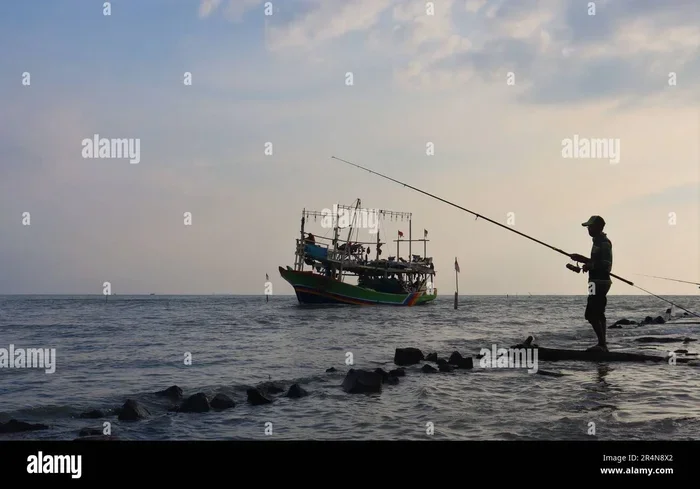
Fishing during high tide and low tide each offer unique advantages depending on the species, location, and water conditions. High tide pushes fish closer to shore and into shallower feeding zones, making it ideal for surf fishing and targeting species like redfish and striped bass. Low tide exposes structure, baitfish, and feeding lanes that predator fish patrol, creating excellent opportunities for sight-casting and targeting bottom dwellers. Understanding tidal movements and planning your trips around tide charts can dramatically improve your fishing success.
Fishing is one of the most rewarding outdoor activities you can enjoy. But if you have ever wondered whether is it better to fish during low or high tide, you are not alone. Anglers have debated this question for generations, and the answer is not as simple as picking one over the other.
The truth is that both high tide and low tide create excellent fishing opportunities. The key is understanding how each tide phase affects fish behavior, water movement, and feeding patterns. Once you grasp these basics, you can plan your trips with confidence and dramatically improve your catch rate.
In this guide, we will break down everything you need to know about fishing during different tide stages. We will cover what happens underwater during each tide phase, which species benefit most, and how to read tide charts like a pro. Whether you fish from the beach, a pier, or a kayak, this article has you covered.
Key Takeaways
- High tide is best for reaching shallow feeding zones where fish move in to hunt baitfish near the shore.
- Low tide reveals underwater structure and baitfish concentrations that attract predator fish to predictable spots.
- Slack tide (the transition between tides) often produces slower fishing, so plan around active tidal movement.
- Using tide charts helps you time your trips for peak fishing windows before and during each tide change.
- Species-specific behavior matters — some fish feed more aggressively during rising tides while others prefer falling tides.
- Combining tide knowledge with weather and moon phases gives you the best chance of a successful fishing trip.
📑 Table of Contents
Understanding Tides and Why They Matter for Fishing
Tides are the rise and fall of ocean water caused by the gravitational pull of the moon and sun. They create a predictable cycle that repeats roughly every 12 hours and 25 minutes. Most coastal areas experience two high tides and two low tides each day.
But why does this matter for fishing? Tidal movements directly affect water depth, current strength, and the location of fish. As water rises and falls, it pushes baitfish, nutrients, and oxygen into different areas. Fish follow these movements to feed, and smart anglers follow them too.
How Tidal Movement Affects Fish Behavior
Fish are creatures of habit. They rely on tidal cycles to know when and where to feed. During rising tides, water moves inland and fills shallow areas. This pushes baitfish and crustaceans toward the shore, drawing predator fish in to feed. During falling tides, water recedes and concentrates fish in deeper channels and holes.
Slack tide — the brief period between high and low tide when water movement stops — usually produces the slowest fishing. Fish tend to pause and rest during this transition. The most active feeding windows happen just before and during the change from one tide to the next.
Using a tide chart is one of the simplest ways to plan a successful fishing trip. These charts show you exactly when each tide phase will occur, giving you the power to fish at the right time every time.
Is It Better to Fish During High Tide
High tide is often considered the best time to fish for many species. When the water rises, it reaches areas that are normally dry or too shallow for fish to access. This opens up new feeding grounds and brings fish closer to shore.
Why High Tide Works So Well
During high tide, water floods onto flats, marshes, and grassy shorelines. This is where baitfish, crabs, and shrimp get trapped in shallow water. Predator fish like redfish, trout, and striped bass follow the rising water to feed on these easy meals. The current also slows down during high tide, making it easier for fish to hold their position and feed without expending too much energy.
If you fish in surf zones, high tide is especially effective. Is high tide or low tide better for surf fishing? Many surf anglers prefer high tide because the water reaches the sandbars and troughs where fish patrol for food. You can cast further and reach deeper channels that are inaccessible during low tide.
Best Species to Target During High Tide
Several popular game fish feed aggressively during high tide:
- Redfish — They move onto shallow flats to hunt for crabs and shrimp as the water rises.
- Striped bass — They follow bait schools into estuaries and tidal rivers during incoming high tide.
- Trout — They stack up in shallow grass beds when high tide pushes baitfish into their range.
- Flounder — They ride the incoming tide into shallow mud flats to ambush prey.
Pro tip: Fish the last hour of the incoming tide for the best results. This is when the water is still moving but fish have already moved into the shallows to feed.
Is It Better to Fish During Low Tide
Low tide gets a bad reputation among some anglers, but it can be incredibly productive when you know what to look for. When the water recedes, it reveals structure, channels, and baitfish concentrations that attract hungry predator fish.
Why Low Tide Can Be Productive
During low tide, water pulls away from the shore and concentrates into deeper channels and holes. Fish that were spread out across the flats during high tide now bunch up in these deeper areas. This makes them easier to locate and target.
Low tide also exposes oyster bars, rock piles, and oyster beds. These structures hold crabs, small fish, and other prey. Game fish patrol these areas looking for easy meals. If you can identify these spots during low tide, you can return during high tide and know exactly where the fish will be feeding.
For those who target bottom-dwelling species, low tide offers a major advantage. You can see the structure clearly and present your bait right where the fish are holding. Is it better to fish during low or high tide for catfish? Many catfish anglers swear by low tide fishing in rivers and estuaries where the current concentrates bait in predictable spots.
Best Species to Target During Low Tide
Here are some species that feed well during low tide:
- Flounder — They move into deeper channels and holes as the water drops, making them easy to target from bridges and docks.
- Black drum — They root around oyster bars and structure exposed during low tide looking for shellfish.
- Sheepshead — They feed on barnacles and crabs attached to structure that becomes accessible at low tide.
- Snook — They position themselves in deeper cuts and channels to ambush baitfish pushed out by the receding water.
Quick tip: Use a polarized pair of sunglasses during low tide to spot fish holding in the channels. You will be amazed at how many fish you can see when the water is clear and shallow.
High Tide vs Low Tide: Direct Comparison
So which is better? The honest answer is that both have strengths depending on what you are trying to catch and where you are fishing. Let us break it down side by side.
| Factor | High Tide | Low Tide |
|---|---|---|
| Water Depth | Shallow areas flood with water | Water recedes, concentrating fish in deeper spots |
| Fish Location | Fish move onto flats and near shore | Fish hold in channels and deeper holes |
| Best For | Surf fishing, sight-casting, topwater action | Bottom fishing, structure fishing, bridge fishing |
| Current Strength | Moderate to strong during incoming tide | Strong during outgoing tide |
| Ease of Access | Reaches areas normally inaccessible | Reveals structure and fish holding spots |
| Best Species | Redfish, trout, striped bass, flounder | Black drum, sheepshead, snook, catfish |
Many experienced anglers recommend fishing the tidal change — the period when the tide is shifting from high to low or vice versa. This is when water movement is strongest and fish are most actively feeding. If you want to learn more about how tidal direction affects your catch, check out our guide on is it better to fish outgoing or incoming tide.
It is also worth noting that surf fishing during different tide stages produces different results. High tide generally provides better access to sandbars and deeper channels in the surf zone. For a deeper dive into this topic, read our article on is high tide or low tide better for surf fishing.
Best Fishing Times Based on Tide Conditions
Timing is everything in fishing. Knowing when to hit the water based on tidal conditions can mean the difference between a limit and going home empty-handed.
Plan Around the Tide Calendar
Most anglers agree that the best fishing happens during the two hours before a tide change. This is called the “tidal window.” During this time, water is actively moving and fish are in feeding mode. Whether you are fishing an incoming or outgoing tide, this window gives you the best chance of success.
Here is a simple way to plan your trips:
- Check a local tide chart for your fishing spot.
- Identify the high and low tide times for the day.
- Plan to arrive at least one hour before the tide change.
- Fish actively during the tidal change and for about two hours after.
- Use the slack tide period to rest, change locations, or plan your next move.
Weather and atmospheric pressure also play a huge role. Do fish bite better in high or low pressure? Fish generally feed more actively during stable or rising pressure, which often coincides with certain tidal phases. Combining tide timing with weather awareness gives you a serious edge.
Morning and Evening Tide Windows
If you can fish during the early morning or late evening, you will often find even better results. Many species feed more aggressively during low-light conditions, and combining this with an active tide creates a perfect storm of feeding activity. To understand why morning fishing is so effective, check out our article on why is it better to fish in the morning.
Expert Tips for Maximizing Your Catch During Any Tide
Even with perfect tide timing, you still need the right approach to catch fish consistently. Here are some expert tips that work across all tide conditions.
Match Your Bait to the Tide
During high tide, use lighter tackle and smaller baits since fish are spread out in shallow water. During low tide, go heavier and use fresh cut bait to attract fish holding in deeper channels. Matching your presentation to the tide phase helps you look like natural prey rather than an awkward intruder.
Read the Water
Watch for birds working over the water, baitfish jumping, or ripples on the surface. These are all signs of active feeding fish. During high tide, look for redfish tails poking out of the water in shallow flats. During low tide, watch for baitfish funneling through channels and cuts.
Adjust Your Fishing Pressure
Fish behavior changes with atmospheric pressure. Before heading out, check the local barometric pressure forecast. Many anglers find that fish feed more aggressively when pressure is stable or slightly falling. To learn more about how pressure affects fish feeding, read our detailed guide on do fish bite better in high or low pressure.
Use Tide-Related Structure to Your Advantage
Every tidal phase reveals different structure. High tide floods oyster bars and grass flats. Low tide exposes rock piles and channel edges. Learn to identify these features and you will always know where to find fish, regardless of the tide stage.
Common Mistakes to Avoid
Here are some mistakes that cost anglers fish every day:
- Fishing during slack tide — The water is not moving and fish are not actively feeding.
- Ignoring tide charts — Showing up at the wrong time wastes an entire trip.
- Staying in one spot too long — If the fish are not biting, move to a different depth or structure.
- Using the wrong bait size — Big bait during high tide in shallow water looks unnatural and scares fish away.
Remember, fishing during low or high tide is not about picking a winner. It is about understanding the conditions and adapting your approach accordingly. The best anglers are the ones who can read the water and adjust on the fly.
Conclusion
So, is it better to fish during low or high tide? The answer is both. High tide brings fish into shallow feeding areas and opens up access to water that is normally out of reach. Low tide concentrates fish in predictable channels and exposes structure that holds baitfish and game fish alike.
The real secret is not choosing one over the other. It is about understanding how each tide phase works and planning your trips accordingly. Use tide charts, pay attention to weather and pressure, and match your bait and technique to the current conditions.
Next time you head out, take a few minutes to study the tide schedule. You will be surprised at how much your catch improves when you fish with the tides instead of against them. Tight lines and happy fishing!
Frequently Asked Questions
What time of tide is best for fishing?
The best time to fish is usually during the two hours before a tide change. This is when water movement is strongest and fish are actively feeding. Both incoming and outgoing tides produce excellent results during this window.
Can you catch fish at low tide?
Absolutely. Low tide concentrates fish in deeper channels and holes, making them easier to locate. Bottom-dwelling species like black drum, flounder, and sheepshead feed aggressively during low tide around exposed structure.
Is high tide or low tide better for surf fishing?
High tide is generally better for surf fishing because the water reaches sandbars and deeper channels closer to shore. However, low tide can also be productive for targeting fish that hold in troughs and deeper pockets near the beach.
How do tides affect freshwater fishing?
Tides mainly affect saltwater and brackish water fishing. However, in rivers and estuaries that connect to the ocean, tidal movements can push saltwater upstream and influence freshwater fish behavior, especially for species like striped bass and redfish.
Do fish feed better during incoming or outgoing tide?
Many species feed more actively during incoming tide because the rising water pushes baitfish and nutrients into shallow areas. However, outgoing tide can also be excellent as it concentrates fish in channels and draws them toward deeper water. The best approach depends on the species and location.
Should I fish before or after a storm?
Fishing before a storm often produces better results because falling barometric pressure triggers aggressive feeding. After a storm, fish may be sluggish for a day or two. For more details on weather and fishing, check out our guide on is it better to go fishing before or after rain.