Is High or Low Tide Better for Surf Fishing
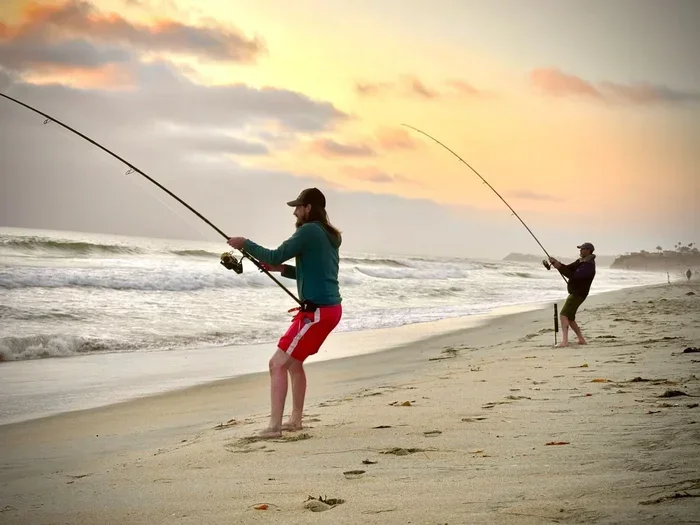
Choosing the right tide can make or break your surf fishing trip. Both high and low tide offer unique advantages depending on fish behavior, wave conditions, and beach structure. This guide breaks down the science behind tidal movements and shows you exactly when and where to fish for the best results.
There is something magical about standing on the beach with a rod in your hands and the ocean stretching out before you. Surf fishing connects us to nature in a way few other activities can. But if you have ever wondered whether high or low tide is better for surf fishing, you are not alone. Anglers debate this question all the time, and for good reason. The answer shapes everything from where you set up to what bait you use.
Tides are the rise and fall of ocean water caused by gravitational forces from the moon and sun. These movements create constantly changing conditions along the shoreline. Fish respond to these changes in predictable ways. Understanding how tides affect surf fishing can turn an average day at the beach into a truly memorable catch. In this article, we will explore the science, the strategies, and the practical tips that help you fish any tide with confidence.
Whether you are a beginner just getting started or a seasoned angler looking to refine your approach, this guide covers everything you need to know. We will break down the benefits of each tide stage, compare them side by side, and give you actionable steps you can use on your next beach trip. No fluff, no guesswork. Just clear, proven advice that works.
Key Takeaways
- High tide brings fish closer to shore: Rising water pushes baitfish and sand fleas onto the beach, creating prime feeding zones.
- Low tide helps you scout the beach: You can identify sandbars, channels, and structure that hold fish when the water returns.
- The tide change is often the best time to fish: Both incoming and outgoing tides activate feeding behavior in surf fish.
- Tide charts are essential tools: Planning your trip around tidal data dramatically improves your catch rate.
- Wind and weather matter just as much: Combining tide knowledge with wind direction and pressure changes leads to better results.
- Location-specific factors change everything: Every beach has unique features that respond differently to tidal movements.
📑 Table of Contents
Understanding Tides and Why They Matter for Surf Fishing
Tides are not just about water going up and down. They are the heartbeat of the ocean. Every coastal angler needs to understand how tidal movements influence fish behavior. The two main tidal phases are high tide and low tide. Between them, you get rising tide (incoming) and falling tide (outgoing). Each phase creates different conditions that affect where fish feed and how they move.
When the tide rises, water pushes closer to the shore. This brings food, oxygen, and new habitats into areas that were dry just hours before. Fish follow this water. They move into shallower areas to feed on sand fleas, small crabs, and other prey that the rising water carries with it. This is why many anglers consider high tide fishing to be among the most productive times to hit the beach.
When the tide falls, the opposite happens. Water pulls away from the shore, exposing sandbars and channels. Fish often follow the retreating water back out. Some species feed aggressively during this outgoing movement, chasing baitfish that get trapped in deeper channels. Is high tide or low tide better for fishing? The honest answer is both, and understanding why is the key to consistent success.
The Science Behind Tidal Cycles
Tides follow a roughly 12-hour and 25-minute cycle. Most coastal areas experience two high tides and two low tides each day. These are called semidiurnal tides. The height of each tide varies based on the moon’s phase. Spring tides, which happen during full and new moons, produce the highest high tides and lowest low tides. Neap tides, which happen during quarter moons, produce more moderate tidal ranges.
For surf fishing, the tidal range matters a lot. A larger range means water reaches farther up the beach during high tide and pulls back more during low tide. This creates bigger changes in the surf zone and affects where fish hold. Smaller tidal ranges produce subtler changes but still influence fish behavior in meaningful ways.
Why High Tide Can Be Great for Surf Fishing
High tide is often the go-to choice for surf anglers, and for good reason. As water rises, it floods the beach and carries food with it. This creates a feast for fish that patrol the surf zone. Is high tide or low tide better for surf fishing? Many experienced anglers will say high tide gives them the best action.
During high tide, the water can reach areas that are completely dry at low tide. This means fish can access new feeding grounds. They move closer to the beach, sometimes right into the breaking waves. For the angler, this means you can fish in shallower water without needing long casts. It also means you can reach spots that are completely unreachable during low tide.
Best Baits and Lures During High Tide
High tide is a great time to use natural baits that mimic what the rising water carries ashore. Sand fleas, shrimp, and small crabs are excellent choices. These baits match what fish are actively feeding on during the incoming water. Fresh bait is always a strong option, and many surf anglers swear by live bait for surf fishing during high tide.
If you prefer lures, topwater plugs and spoons can be very effective. The rising water pushes baitfish closer to shore, and predatory fish follow them. Casting a lure into the breaking waves during high tide can trigger aggressive strikes. The key is to match the hatch. Watch what is washing ashore and choose your bait accordingly.
Where to Fish During High Tide
Look for areas where the water meets the sand at a steep angle. These spots often indicate channels or depressions that hold fish. Points of land jutting into the ocean also concentrate water flow and attract feeding fish. Gutters, which are channels running parallel to the beach, are prime high-tide fishing spots because they channel fish toward shore.
Many anglers also target areas near rock formations or jetties during high tide. These structures create current breaks and holding areas where fish can rest and ambush prey. The combination of structure and rising water makes these spots incredibly productive.
Why Low Tide Can Also Work for Surf Fishing
Low tide gets a bad reputation among surf anglers, but it deserves more respect. When the water pulls back, it reveals the hidden anatomy of the beach. You can see sandbars, channels, and troughs that are invisible when the water is high. This information is incredibly valuable for planning your next high-tide trip.
Some fish species actually feed more actively during low tide. As the water retreats, baitfish and crustaceans get trapped in pools and channels. Predatory fish move in to feed on these trapped prey. If you know where to look, low tide can offer some surprising catches.
Scouting Your Beach at Low Tide
One of the best things you can do for your surf fishing success is to scout the beach during low tide. Walk the shoreline and look for changes in the sand. Channels, dips, and bars all influence where fish will hold when the water returns. Mark these spots on a map or take photos so you can find them again.
Low tide is also the perfect time to clean up debris and look for natural bait. If you find sand fleas or small crabs in the wet sand, you know the area is active. These spots become even more productive when the tide comes back in. Think of low tide as your research session before the real fishing begins.
Fishing the Outgoing Tide
The last few hours of low tide and the beginning of the outgoing movement can be excellent fishing windows. As water starts to fall, it pulls fish back toward deeper water. This movement often triggers aggressive feeding. Many surf anglers target this transition period specifically because the fish are actively moving and feeding.
If you want to learn more about whether outgoing or incoming tide produces better results, check out our detailed guide on is it better to fish outgoing or incoming tide. It covers the specific differences between these two movements and how to fish each one effectively.
The Best Tide for Surf Fishing: A Comparison
So which tide is actually the winner? The truth is, it depends on several factors. Let us break down the comparison so you can make the best decision for your next trip.
High Tide vs. Low Tide for Different Fish Species
Different species respond to different tides. Striped bass, for example, often feed heavily during incoming high tide. They follow the rising water up onto the beach to chase baitfish. Whiting and pompano, on the other hand, can be caught in large numbers during both rising and falling tides. Redfish and black drum sometimes feed best during low tide in shallow channels and flats near the surf zone.
The general rule is that moving water triggers feeding. Whether the water is rising or falling, fish tend to be more active during the change than when the tide is static. This is why many experienced anglers focus on the tide change rather than the specific tide level.
Comparison Table: High Tide vs. Low Tide Surf Fishing
| Factor | High Tide | Low Tide |
|---|---|---|
| Water Depth at Shore | Deeper, closer to beach | Shallower, water pulls back |
| Fish Access to Shore | High, fish move onto beach | Low, fish retreat to deeper areas |
| Bait Availability | More bait washed ashore | Trapped bait in pools and channels |
| Best for Casting Distance | Shorter casts often work | Longer casts needed to reach fish |
| Scouting Opportunities | Limited by water coverage | Excellent, can see beach structure |
| Best Species Targeted | Striped bass, bluefish, pompano | Redfish, black drum, flounder |
| Overall Difficulty for Beginners | Easier | Moderate |
If you want to understand more about how rising and falling water affects fish behavior, our article on is fishing better when water is rising or falling provides in-depth coverage of this topic.
How to Read Tide Charts for Surf Fishing
Tide charts are one of the most important tools in any surf angler’s kit. These charts show you exactly when high and low tide will occur at your local beach. Most charts also show the tidal height, which tells you how much water will be moving. A chart with a large tidal range is often better for surf fishing than one with a small range.
You can find tide charts online, in fishing apps, or at many bait shops. Look for charts that are specific to your beach or nearby coastal station. Tides can vary significantly from one location to the next, even along the same coastline. Local knowledge always helps you interpret the charts more accurately.
Plan your surf fishing trips around the tide times that match your target species. Arrive at least an hour before the tide change so you can get set up. The first hour after a tide change is often the most productive. Fish are adjusting to the new water levels and are actively feeding during this window.
Best Times of Day to Combine with Tide
Dawn and dusk are prime fishing times in general, and they combine powerfully with tide changes. Fishing during a high tide at dawn or a low tide at dusk can produce exceptional results. The low light conditions make fish bolder, and the tide movement keeps them active and feeding.
Midday fishing can also work well, especially during high tide on overcast days. The key is to match the tide with the conditions that make fish feel safe and comfortable. Overcast skies, gentle winds, and steady tidal movement create the perfect fishing scenario.
Pro Tips for Surf Fishing Any Tide
No matter what tide you are fishing, a few proven tips can boost your success. First, always watch the waves. The way waves break on the beach tells you about underwater structure. Waves that break suddenly indicate shallow sandbars. Waves that gradually build suggest deeper channels nearby.
Second, match your bait to what is naturally available. If you see sand fleas on the beach, use them. If you see small shrimp, use those. Fish in the surf zone feed on what is in front of them, so matching the hatch is one of the simplest and most effective strategies.
Third, pay attention to the wind. Onshore winds push baitfish toward the shore and create chop that masks your presence. Offshore winds clear the water but can make casting more difficult. A gentle onshore breeze is often the ideal wind condition for surf fishing, regardless of the tide.
Finally, be patient and observant. Spend time watching the beach before you cast. Look for birds diving, baitfish jumping, or disturbances in the water. These signs tell you where the fish are feeding. Combine this observation with your tide knowledge, and you will be well on your way to consistent surf fishing success.
For more tips on how different weather conditions affect your fishing, read our article on is it better to go fishing before or after rain to understand how weather patterns interact with tidal conditions.
Surf fishing is one of the most rewarding forms of angling. The combination of ocean scenery, the challenge of reading conditions, and the thrill of hooking a fish from the beach is hard to beat. Understanding tides is the foundation of all this success. Whether you choose to fish high tide, low tide, or the transition between them, the knowledge you gain from this guide will serve you well on every beach trip.
If you are still wondering is high tide or low tide better for fishing in general terms, remember that both have their place. The best anglers are the ones who adapt to whatever conditions they face. Use the tide to your advantage, trust your preparation, and enjoy every moment on the beach. Tight lines and tight lines out there!
One more thing worth mentioning is the importance of understanding inshore vs offshore fishing differences. Surf fishing is a form of inshore fishing, and it comes with its own set of rules and rhythms. The tide is just one piece of the puzzle. Combining tide knowledge with wind, weather, and beach structure gives you a complete picture of when and where to fish.
Start with the next high tide. Walk the beach beforehand if you can. Set up your rod, pick your bait, and enjoy the experience. The ocean has a lot to teach us, and every trip is a chance to learn something new. Get out there, try different tides, and discover what works best for your local beach. That is the real joy of surf fishing.
Frequently Asked Questions
What is the best tide for surf fishing?
The best tide for surf fishing is usually the incoming tide, especially as it approaches high tide. Rising water pushes baitfish and food closer to shore, which triggers active feeding in surf fish. Many anglers find that fishing the two hours before high tide and the two hours after produces the best results.
Can you surf fish at low tide?
Yes, you can surf fish at low tide, but it requires a different approach. Low tide exposes sandbars and channels that hold fish when the water returns. You may need to cast farther because the water is shallower near the shore. Low tide is also the best time to scout the beach for future fishing spots.
How do tides affect fish behavior at the beach?
Tides affect fish behavior by changing water depth, current speed, and food availability. Rising tides push baitfish and nutrients closer to shore, drawing predators in. Falling tides pull fish back toward deeper water. Fish feed most actively during tide changes when the water is moving.
Should I fish before or after high tide?
Fishing before high tide is often more productive because the incoming water brings food and oxygen closer to the beach. Fish are actively moving shoreward during this period. However, fishing right after high tide can also work well, especially if the water is still moving and baitfish are being pushed along the shore.
Do I need special gear for surf fishing at different tides?
You do not need completely different gear, but adjustments help. At high tide, you can use shorter rods and lighter line because fish are closer to shore. At low tide, you may need a longer rod for distance and heavier line to handle deeper channels. Always match your gear to the conditions you are facing.
What is the worst tide to surf fish?
The worst tide to surf fish is typically dead low tide with no water movement. When the tide is completely still and at its lowest point, fish tend to be inactive and spread out in deep channels. They are not actively feeding, which makes them harder to catch. The moving water during tide changes is almost always better than static water.