Is Ground Flaxseed Better Than Fish Oil
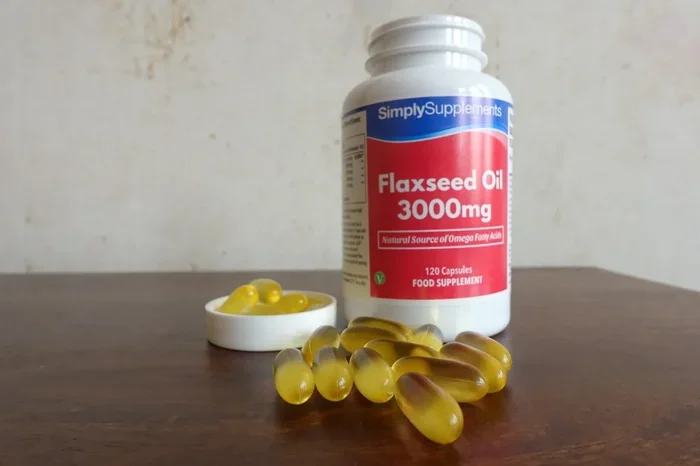
Ground flaxseed and fish oil are both popular omega-3 sources for betta fish, but they work differently. Fish oil provides EPA and DHA directly, while flaxseed offers ALA that fish must convert. For most betta owners, fish oil is the more efficient choice, but ground flaxseed has its own unique advantages.
Is ground flaxseed better than fish oil for your betta fish? This is a question many betta owners ask when they want to give their fish the best nutrition possible. Omega-3 fatty acids play a vital role in betta health. They support heart function, reduce inflammation, and keep fins and scales looking vibrant.
The debate between plant-based and animal-based omega-3 sources is not new. But when it comes to betta fish specifically, the answer is not as simple as you might think. Ground flaxseed and fish oil each bring something unique to the table. Understanding the differences helps you make the best choice for your fish.
In this guide, we break down everything you need to know. We compare nutrition profiles, absorption rates, benefits, and potential drawbacks. By the end, you will know exactly which option fits your betta’s needs. Let us dive in.
Key Takeaways
- Fish oil delivers EPA and DHA directly: Betta fish can use these omega-3s immediately without conversion.
- Ground flaxseed provides ALA: Bettas must convert ALA into EPA and DHA, which is an inefficient process.
- Both options support heart and skin health: Each offers distinct benefits for your betta’s overall wellness.
- Dosage matters: Too much of either supplement can cause digestive issues or water quality problems.
- Flaxseed has anti-inflammatory properties: It may help with specific inflammation-related concerns in bettas.
- Quality sources matter: Always choose food-grade, contaminant-free supplements for your fish.
- Combining both can be beneficial: A balanced approach may offer the best of both omega-3 sources.
📑 Table of Contents
- Understanding Omega-3 Fatty Acids for Betta Fish
- What Is Ground Flaxseed and How Does It Benefit Bettas?
- What Is Fish Oil and Why Do Bettas Need It?
- Direct Comparison: Ground Flaxseed vs. Fish Oil for Bettas
- How to Supplement Your Betta’s Diet Properly
- Common Mistakes to Avoid When Supplementing Bettas
- Expert Insights on Omega-3 Supplementation for Bettas
- Conclusion
Understanding Omega-3 Fatty Acids for Betta Fish
Omega-3 fatty acids are essential fats. Your betta fish cannot produce them on its own. These fats must come from diet or supplements. There are three main types of omega-3s that matter here.
ALA, EPA, and DHA Explained
ALA stands for alpha-linolenic acid. It is found in plant sources like flaxseed. EPA and DHA are eicosapentaenoic acid and docosahexaenoic acid. These are found in marine sources like fish and krill.
Here is the key difference. Fish oil contains EPA and DHA ready to use. Your betta can absorb these directly. Ground flaxseed contains ALA. Bettas must convert ALA into EPA and DHA first. This conversion process is slow and inefficient in most fish species.
Research suggests that fish convert less than 5 percent of ALA into EPA and DHA. That means the majority of flaxseed omega-3s go to waste from a betta’s perspective. This is why many aquarists prefer fish oil over plant-based alternatives.
What Is Ground Flaxseed and How Does It Benefit Bettas?
Ground flaxseed comes from the flax plant. It is a rich source of ALA omega-3. It also contains fiber, lignans, and protein. For humans, flaxseed is a popular health food. For betta fish, it offers some specific benefits.
The Omega-3 Content of Ground Flaxseed
One tablespoon of ground flaxseed contains about 1.6 grams of ALA. That sounds impressive on paper. But for betta fish, the real question is how much of that ALA actually gets used.
Bettas are carnivorous fish. Their digestive systems are designed to process animal-based proteins and fats. They are not optimized for plant matter. This does not mean flaxseed has zero value. It means the benefits are more limited than many people assume.
Potential Benefits of Flaxseed for Bettas
- Anti-inflammatory properties: ALA may help reduce mild inflammation in bettas.
- Digestive support: The fiber content can aid digestion when used in small amounts.
- Skin and scale health: Some aquarists report improved fin condition with flaxseed.
- Affordable option: Ground flaxseed is inexpensive and easy to find.
- Plant-based alternative: Great for owners who prefer not to use animal-derived supplements.
While these benefits are real, they come with a catch. The conversion rate from ALA to usable EPA and DHA is very low in fish. This makes flaxseed a less efficient omega-3 source compared to marine options.
What Is Fish Oil and Why Do Bettas Need It?
Fish oil is extracted from fatty fish like salmon, sardines, and anchovies. It is one of the most concentrated sources of EPA and DHA available. For betta fish, these two fatty acids are incredibly important.
The Omega-3 Profile of Fish Oil
A high-quality fish oil supplement can contain 30 to 50 percent EPA and DHA combined. This is far more bioavailable than flaxseed ALA. Your betta does not need to convert anything. The omega-3s are ready for immediate use.
Fish oil supports several critical functions in bettas. It promotes healthy cell membranes. It reduces systemic inflammation. It supports cardiovascular function. And it contributes to the production of compounds that regulate immune responses.
Why Fish Oil Is Often the Better Choice
If you want the most direct and effective omega-3 source for your betta, fish oil is hard to beat. The EPA and DHA in fish oil are immediately usable. There is no conversion bottleneck. This means your betta gets maximum benefit from every dose.
Many experienced aquarists consider fish oil the gold standard for betta supplementation. It aligns with the natural diet of bettas, which consists of small aquatic creatures rich in marine omega-3s.
For those wondering is fish oil better than flaxseed oil, the answer is generally yes for betta fish. The direct availability of EPA and DHA makes it far more effective.
Direct Comparison: Ground Flaxseed vs. Fish Oil for Bettas
Let us put the two side by side. This comparison helps you see the strengths and weaknesses of each option clearly.
| Factor | Ground Flaxseed | Fish Oil |
|---|---|---|
| Primary Omega-3 Type | ALA (plant-based) | EPA and DHA (marine-based) |
| Bioavailability for Bettas | Low (requires conversion) | High (ready to use) |
| Conversion Rate in Fish | Less than 5% | 100% directly usable |
| Anti-inflammatory Effect | Moderate | Strong |
| Digestive Benefits | Yes (fiber content) | Minimal |
| Cost | Low | Moderate |
| Ease of Use | Easy to mix with food | Easy to dose |
| Natural Diet Alignment | Low (plant-based) | High (matches betta diet) |
The table makes it clear that fish oil has the edge in most categories. But flaxseed is not without merit. If you are looking for a budget-friendly or plant-based option, ground flaxseed can still provide some value.
If you are curious how fish oil compares to other omega-3 sources, check out our article on which is better omega 3 fish oil or flaxseed for a deeper dive into this topic.
How to Supplement Your Betta’s Diet Properly
Adding any supplement to your betta’s diet requires care. More is not always better. Over-supplementation can lead to water quality issues and health problems. Here is how to do it right.
Dosage Guidelines for Ground Flaxseed
If you choose to use ground flaxseed, less is more. A tiny pinch mixed into your betta’s food once or twice a week is sufficient. Do not exceed small amounts. Too much flaxseed can cause digestive upset and cloud your tank water.
Always use finely ground flaxseed. Whole seeds pass through the digestive system undigested. Grinding them breaks open the cells and releases the nutrients. Store ground flaxseed in the refrigerator to prevent oxidation.
Dosage Guidelines for Fish Oil
Fish oil supplements designed for fish are widely available. Follow the manufacturer’s dosing instructions carefully. Typically, one or two drops per feeding session is enough for a single betta.
Look for fish oil that is free from heavy metals and contaminants. High-quality products are purified and tested for safety. Avoid using human-grade fish oil supplements, as they may contain additives that are not safe for fish.
Quick Tips for Best Results
- Always mix supplements with a small amount of food before feeding.
- Start with smaller doses and increase gradually.
- Monitor your betta for any changes in behavior or appearance.
- Perform water changes after introducing new supplements.
- Rotate between different omega-3 sources for balanced nutrition.
Common Mistakes to Avoid When Supplementing Bettas
Even well-meaning betta owners make mistakes when adding supplements. Here are the most common ones to watch out for.
Overdosing Supplements
More does not mean better. Excess omega-3 can lead to fatty deposits in organs. It can also degrade water quality as unused oils dissolve into the tank. Stick to recommended doses and observe your fish closely.
Ignoring the Source Quality
Not all flaxseed or fish oil products are created equal. Cheap products may contain contaminants, rancid oils, or fillers. Always choose food-grade supplements from reputable brands. Freshness matters enormously when it comes to omega-3 oils.
Relying Solely on Supplements
Supplements should enhance a good diet, not replace it. High-quality betta pellets or flakes should form the foundation of your fish’s nutrition. Supplements are just that, a supplemental addition to an already balanced diet.
Forgetting About Water Quality
Oil-based supplements can affect water parameters if overused. Always remove uneaten food after feeding. Regular water changes help maintain a clean environment and prevent oil buildup on the surface.
Expert Insights on Omega-3 Supplementation for Bettas
Veterinary aquatic specialists generally recommend marine-based omega-3 sources for carnivorous fish like bettas. The reasoning is straightforward. Bettas evolved eating small crustaceans and insects that naturally contain EPA and DHA.
Dr. Richmond Loh, a respected fish veterinarian, notes that plant-based omega-3s can still play a role in fish diets. However, they should not be the primary source. The conversion inefficiency means bettas miss out on much of the nutritional value.
For owners exploring alternatives, the question is flax seed better than fish oil often comes up. The honest answer is that for bettas specifically, fish oil delivers more usable nutrition per serving.
Some owners combine both sources for a broader nutritional profile. This can work well when done carefully. The flaxseed adds fiber and ALA, while the fish oil provides direct EPA and DHA. Just keep all doses moderate.
Conclusion
So, is ground flaxseed better than fish oil for betta fish? The evidence points to fish oil as the more effective choice. It provides EPA and DHA in their ready-to-use forms. Bettas absorb and utilize these omega-3s efficiently without any conversion step.
Ground flaxseed still has a place in a betta’s diet. It offers anti-inflammatory benefits and digestive support at a low cost. But its low conversion rate means it cannot match the direct benefits of marine-based omega-3s.
The best approach depends on your goals and budget. If you want maximum nutritional impact, go with fish oil. If you prefer a plant-based option or want to add variety, ground flaxseed can complement your betta’s diet in small amounts.
Whatever you choose, quality matters. Use fresh, contaminant-free products. Dose appropriately. And always prioritize a balanced, species-appropriate diet as the foundation of your betta’s health. Your fish will thank you with vibrant colors, active behavior, and long-lived wellness.
Frequently Asked Questions
Can betta fish digest ground flaxseed effectively?
Bettas can digest ground flaxseed in small amounts, but they are not optimized for plant-based foods. The fiber in flaxseed may aid digestion, but the ALA omega-3 conversion rate is very low. Use it sparingly and always grind it finely before adding to food.
How often should I give my betta fish oil supplements?
Most experts recommend fish oil supplements one to two times per week. Follow the product instructions carefully and do not exceed the recommended dose. Over-supplementation can lead to digestive issues and water quality problems in your tank.
Is flaxseed oil the same as ground flaxseed for bettas?
Flaxseed oil is more concentrated in ALA than ground flaxseed. However, it still lacks EPA and DHA. Both forms require conversion in the fish’s body, which is inefficient. If you choose flaxseed, oil or ground, use only small amounts.
What are the signs that my betta needs more omega-3?
Dull color, faded fins, low energy, and poor appetite can all signal an omega-3 deficiency. If you notice these symptoms, consider adding a high-quality fish oil supplement to your betta’s diet and consult a fish veterinarian if the problem persists.
Can I use human fish oil supplements for my betta fish?
It is not recommended. Human fish oil products may contain additives, flavorings, or concentrations that are not safe for fish. Always choose supplements specifically formulated for aquarium fish to ensure purity and appropriate dosing.
Are there any side effects of giving bettas too much omega-3?
Yes, excess omega-3 can cause oily stool, digestive discomfort, and water quality degradation. Unused oils can form a film on the tank surface and reduce oxygen exchange. Always stick to recommended doses and monitor your tank parameters closely.