Is Fishing at High Tide Better
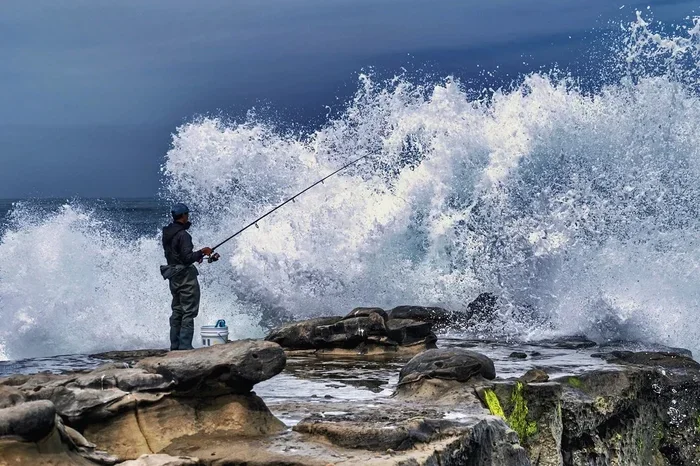
Fishing at high tide can be incredibly productive because the rising water pushes baitfish and nutrients closer to shore. High tide fishing opens up new areas for anglers and triggers aggressive feeding in many species. In this guide, we break down why high tide works, when to fish it, and how to maximize your catch on every trip.
Key Takeaways
- High tide brings fish closer to shore: Rising water pushes baitfish into shallower areas, making them easier targets for anglers.
- Timing matters enormously: Fishing during the incoming tide and the first few hours of high tide often yields the best results.
- Location changes with the tide: Spots that are dry at low tide become prime fishing grounds when the water rises.
- Weather and moon phases play a role: Combining high tide with favorable weather and a full moon can supercharge your fishing success.
- Different species respond differently: Some fish feed aggressively at high tide, while others prefer incoming or outgoing tides.
- Preparation is key: Checking tide tables and planning ahead can make the difference between a great day and a frustrating one.
📑 Table of Contents
- Is Fishing at High Tide Better? The Complete Guide
- Why High Tide Fishing Works So Well
- The Best Times to Fish During High Tide
- Which Fish Species Bite Best at High Tide?
- Practical Tips for Fishing at High Tide
- Common Mistakes Anglers Make When Fishing at High Tide
- Expert Insights on High Tide Fishing
- Key Takeaways
- Conclusion
Is Fishing at High Tide Better? The Complete Guide
Anglers have debated this question for decades. The short answer is yes, fishing at high tide is often better than fishing at low tide. But the full picture is more nuanced than that. Tide levels affect where fish are, what they eat, and how actively they feed. Understanding these dynamics can transform your fishing trips from mediocre to outstanding.
If you have ever wondered why your catches seem to spike around certain times, the answer might be the tide. High tide fishing pulls fish into areas they cannot reach during low water. This means more fish in range, more action, and more opportunities for a great catch. Whether you fish from the beach, a pier, or a boat, knowing when the tide is rising can give you a serious edge.
In this article, we will explore everything you need to know about fishing at high tide. We will cover why it works, the best times to fish, which species respond well, and practical tips you can use right away. Let us dive in.
Why High Tide Fishing Works So Well
The Science Behind Rising Water
When the tide rises, water floods areas that are normally dry. This includes sand flats, marsh channels, and rocky shorelines. As the water spreads, it carries food with it. Baitfish, crabs, shrimp, and other prey get swept into these newly flooded zones. Predatory fish follow the food.
High tide fishing works because it puts you closer to where the fish are feeding. The rising water also increases oxygen levels in shallow areas. Fish become more active and willing to bite. This is why many experienced anglers plan their trips around the tide tables rather than just the clock.
Think of it this way. At low tide, the fish have a small pool to live in. At high tide, the entire beach becomes their playground. They spread out, feed more, and become less cautious. That is exactly what you want as an angler.
How Tide Affects Fish Behavior
Fish are creatures of habit. They adjust their feeding patterns based on water movement. During high tide, many species move from deeper channels into shallower water. This is especially true for redfish, snook, striped bass, and flounder.
The incoming tide, also called the flood tide, is often the most productive phase. As water pushes inland, it creates current. Fish use this current to ambush prey. They position themselves in channels and gaps where baitfish are funneled past them. If you can find these spots, you will find fish.
Tidal flow also affects water temperature. Incoming tides can bring cooler or warmer water depending on the source. This temperature change can trigger feeding bursts. Fish that were sluggish at low tide suddenly become active and aggressive.
The Best Times to Fish During High Tide
Incoming Tide vs. High Tide
Many anglers make the mistake of only fishing at the peak of high tide. The truth is, the incoming tide is often even better. As water rises and begins to move, fish start feeding aggressively. The last two hours before high tide and the first hour after are prime windows.
Some species prefer fishing at high tide specifically. For example, redfish and trout love the shallow water that arrives with the rising tide. They move onto the flats to feed on crabs and shrimp. If you are targeting these species, aim to be on your spot about an hour before the peak high tide.
On the other hand, some fish feed more during the outgoing tide. If you are unsure which tide phase to target, check out our guide on is it better to fish outgoing or incoming tide for more detailed advice.
Morning High Tide Fishing
Fishing during a morning high tide can be especially rewarding. Many species feed most actively in the early hours of the day. Combine that with rising water, and you have a recipe for success. Why is fishing better in the morning? Light levels are low, water temperatures are comfortable, and fish are naturally in feeding mode.
If your local high tide happens to coincide with early morning, you have found a golden window. Set your alarm, grab your gear, and hit the water. You will likely notice a difference in both the number and size of fish you catch.
Evening High Tide Fishing
Evening high tides are another excellent option. As the sun sets, many fish move into shallower water to feed. The combination of fading light and rising water creates ideal conditions. Species like bass and bluefish become particularly active during evening high tide windows.
If you prefer night fishing, an evening high tide can be a game-changer. The reduced light makes fish less wary, and the moving water triggers their feeding instincts. Just make sure you have proper lighting and safety gear when fishing after dark.
Which Fish Species Bite Best at High Tide?
Saltwater Species
In saltwater environments, fishing at high tide is essential for many popular species. Redfish, also called red drum, move onto shallow flats during high tide. They feed on crabs and small fish in water that is too shallow at low tide. Look for tailing redfish in the shallows, and you will know you have found the right spot.
Snook are another species that responds strongly to high tide. They patrol the edges of mangroves and oyster bars. As the water rises, they follow the baitfish into these areas. Casting near structure during high tide is one of the most effective ways to hook a snook.
Striped bass, flounder, and speckled trout also benefit from high water levels. Flounder, in particular, move into shallow sandy areas to ambush prey. High tide brings them closer to shore, making them accessible to shore-bound anglers.
Freshwater and Coastal Species
Even in freshwater environments, rising water levels can trigger feeding activity. Bass often move into flooded areas to feed on baitfish and insects. If you fish rivers or lakes near the coast, the tide can influence freshwater species too.
For those who target catfish, check out our guide on is it better to fish for catfish at night to learn how tide and time of day interact for the best results.
Practical Tips for Fishing at High Tide
Check Tide Tables Before Every Trip
Always consult a tide table before heading out. These are available online, in apps, and at many bait shops. Knowing the exact times of high and low tide allows you to plan your trip around the best windows. Aim to arrive at least 30 minutes before the predicted high tide.
Tide tables also show you the height of the tide. A higher high tide will push water further inland than a lower one. This means more area to fish and more opportunities to find fish in unexpected places.
Match Your Lure to the Tide
During high tide, fish are in a feeding mode. Use lures and bait that mimic the natural prey in the area. Live shrimp, cut bait, and soft plastic swimbaits all work well. The key is to present your bait in the current where fish are waiting to ambush it.
For surf fishing during high tide, try casting into the breaking waves. The incoming tide carries baitfish and sand fleas into the surf zone. Fish position themselves right in the wave break to feed. A well-placed cast into this zone can result in fast action.
Focus on Structure and Cover
During high tide, fish use structures like docks, pilings, rocks, and vegetation as ambush points. Cast your line near these areas and let your bait drift with the current. Fish will be positioned behind these structures, waiting for food to come to them.
If you are fishing from a kayak or canoe, high tide gives you access to areas that are unreachable at low tide. Explore shallow creeks and mangrove tunnels. These spots become highways for fish during the rising tide.
Watch the Weather Along with the Tide
Weather and tide work together. A high tide during overcast conditions can be even more productive than a high tide on a sunny day. Fish feel safer in low-light conditions and are more willing to venture into shallow water.
Rain can also enhance high tide fishing. Freshwater runoff brings nutrients into the estuary, attracting baitfish and game fish alike. If you are wondering whether fishing after rain is a good idea, the answer is often yes, especially when it coincides with a rising tide.
Safety First
Fishing at high tide requires extra caution. Rising water can quickly flood areas that were dry minutes earlier. Always fish with a buddy and let someone know your plans. Wear appropriate footwear and be aware of your surroundings. The best catch means nothing if you are not safe.
Common Mistakes Anglers Make When Fishing at High Tide
Even experienced anglers can make mistakes when targeting high tide fishing opportunities. Here are the most common ones to avoid:
- Arriving too late: Missing the incoming tide window means you are fishing during the least productive phase. Plan to arrive early.
- Ignoring tide height: Not all high tides are equal. A spring tide will push water much further than a neap tide. Check the height before you go.
- Fishing the wrong spots: Some locations only produce during specific tide phases. If a spot is not working, try moving to a different area.
- Using the wrong bait: High tide fish are actively feeding. Match your bait to what is naturally available in the area.
- Not adjusting your technique: Fast-moving water during high tide requires heavier weights and stronger knots. Adapt your rig to the conditions.
Expert Insights on High Tide Fishing
Professional anglers consistently emphasize the importance of tide planning. According to many guides, the single biggest factor in consistent success is fishing during the right tidal phase. Fishing at high tide is not just a suggestion, it is a strategy backed by decades of observation and results.
Many top anglers also recommend combining high tide with other favorable conditions. For example, fishing during a high tide before a storm can produce exceptional results. The changing barometric pressure combined with rising water creates a feeding frenzy in many species.
Another expert tip is to pay attention to the moon phase. During a full moon or new moon, the tidal range is at its maximum. These are called spring tides, and they produce the highest highs and lowest lows. Spring tide fishing can be incredibly productive because the water movement is at its greatest.
Some anglers also note that fishing in the rain during high tide can be surprisingly effective. The combination of rain runoff, moving water, and low light creates ideal feeding conditions for many species. Do not let a little rain keep you off the water.
Key Takeaways
- High tide fishing brings fish closer to shore and triggers aggressive feeding behavior.
- The incoming tide and the first hour after high tide are the most productive windows.
- Tide tables are essential tools for planning successful trips.
- Morning and evening high tides often outperform midday fishing sessions.
- Matching your bait and technique to the tide conditions dramatically improves your chances.
- Safety precautions become even more important when fishing in rising water.
- Combining high tide with favorable weather and moon phases can lead to exceptional results.
Conclusion
Is fishing at high tide better? The evidence strongly supports yes. High tide fishing creates conditions that bring fish into range, trigger feeding activity, and open up new areas for exploration. Whether you are a beginner or a seasoned angler, planning your trips around the tide can dramatically improve your results.
The key is to understand the relationship between water movement and fish behavior. Use tide tables, pay attention to weather, and adjust your technique to match the conditions. With practice, you will learn to read the water and predict where the fish will be at any given tide level.
Next time you plan a fishing trip, check the high tide times first. You might be surprised at how much more productive your outings become. Tight lines and good luck out there.
Frequently Asked Questions
Is it better to fish at high tide or low tide?
Fishing at high tide is generally better because rising water pushes baitfish and nutrients into shallow areas where game fish feed. However, some species respond well to low tide or outgoing tide conditions. The best approach is to match the tide phase to your target species and location.
What time of day is best for high tide fishing?
Early morning and evening high tides tend to be the most productive. Fish are naturally more active during low-light conditions. If your local high tide coincides with dawn or dusk, you have an excellent window for success.
Do I need a boat to fish at high tide?
No, you do not need a boat. Many shore-based anglers have excellent success fishing at high tide. The rising water brings fish closer to the beach, pier, or dock. In fact, high tide fishing from shore can be more productive than fishing from a boat in some locations.
What bait works best during high tide?
Live shrimp, cut bait, and natural prey that match the local ecosystem work best during high tide. Since fish are actively feeding in the moving water, using bait that mimics what is naturally available in the area will give you the best results.
Can high tide fishing be too much of a good thing?
Extremely high tides, such as king tides or spring tides, can flood areas too deeply for fish to hold in shallow feeding zones. The sweet spot is usually a moderate to high tide with strong water movement. Extremely high water can push fish too far into deep channels, away from the shallows where anglers typically fish.
How can I find tide tables for my local fishing spot?
Tide tables are available free online through government websites, fishing apps, and local bait shops. Look for resources specific to your coastal region. Many anglers also use apps that send tide alerts to their phones, making it easy to plan trips around the best high tide windows.