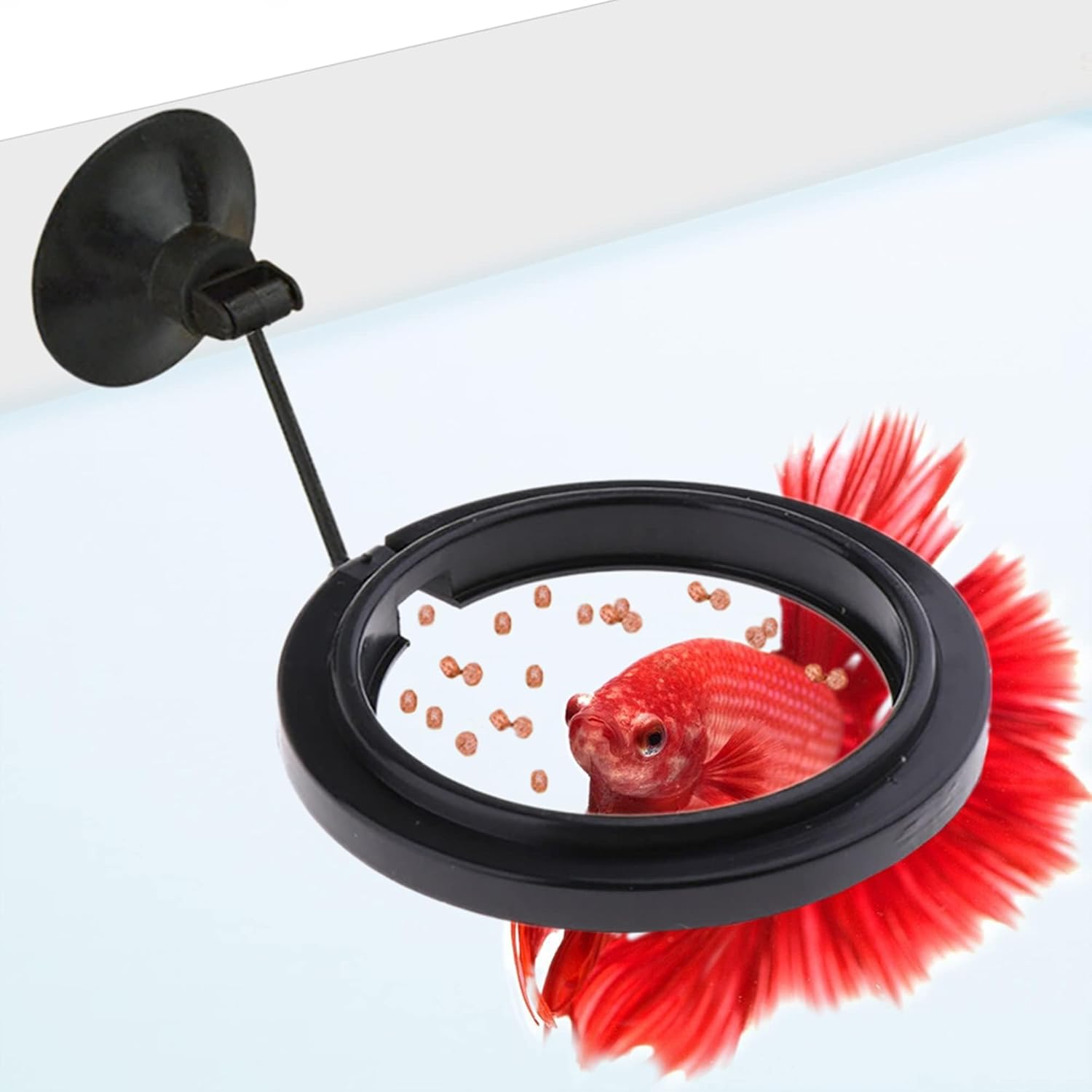
Is Fish Oil or Salmon Oil Better

Fish oil and salmon oil both deliver essential omega-3 fatty acids that support betta fish health, but they differ in nutrient density and purity. Salmon oil typically contains higher concentrations of EPA and DHA, making it a more potent source of omega-3s. Understanding the differences helps you make the best choice for your aquatic pet’s nutrition.
When it comes to keeping your betta fish healthy and vibrant, nutrition plays a huge role. Many betta owners wonder about adding supplements to their fish’s diet. One of the most common questions is is fish oil or salmon oil better for bettas. Both options offer omega-3 fatty acids, but they are not identical. Understanding the differences helps you make the best decision for your finned friend.
Fish oil is a broad category that comes from various fish species. It is one of the most popular supplements in the aquarium hobby. Salmon oil, on the other hand, is a specific type of fish oil derived from salmon. It tends to be more concentrated and nutrient-dense. This guide breaks down everything you need to know about fish oil vs salmon oil for betta fish.
Key Takeaways
- Salmon oil generally offers higher omega-3 concentration: It contains more EPA and DHA per serving compared to standard fish oil.
- Fish oil is more widely available and affordable: You can find it in most pet stores and online retailers at a lower price point.
- Purity matters for both types: Look for third-party tested products free from heavy metals and contaminants.
- Betta fish benefit from omega-3 fatty acids: These nutrients support inflammation reduction, immune function, and vibrant coloration.
- Dosage is critical: Too much fish oil or salmon oil can cause digestive issues in bettas.
- Salmon oil may be better for picky eaters: Its stronger scent and flavor can entice finicky bettas to eat.
- Consult your aquatic vet before starting supplements: Professional guidance ensures you meet your betta’s specific needs.
📑 Table of Contents
- What Is Fish Oil and Why Does It Matter for Bettas?
- What Is Salmon Oil and What Makes It Different?
- Fish Oil vs Salmon Oil: Head-to-Head Comparison
- How to Choose the Right Oil for Your Betta Fish
- Common Mistakes Bettas Owners Make With Fish Oil Supplements
- Expert Insights on Fish Oil and Salmon Oil for Bettas
- Final Verdict: Is Fish Oil or Salmon Oil Better?
What Is Fish Oil and Why Does It Matter for Bettas?
Fish oil is a fat extracted from the tissues of oily fish. Common sources include menhaden, anchovies, sardines, and herring. The oil is rich in omega-3 fatty acids, specifically EPA and DHA. These are essential nutrients that fish cannot produce on their own.
For betta fish, omega-3 fatty acids serve several important purposes. They support healthy cell membranes, reduce inflammation, and promote a strong immune system. Fish oil benefits also include improving skin and scale condition, which gives your betta that gorgeous, glossy appearance. Many betta keepers use fish oil supplements to enhance their fish’s overall well-being.
How Fish Oil Is Made
Fish oil production starts with catching oily fish. The fish are cleaned, and their tissues are pressed to extract oil. The oil then goes through a purification process to remove impurities. High-quality fish oil capsules and liquid forms undergo molecular distillation. This process ensures the final product is free from heavy metals, PCBs, and other contaminants.
Not all fish oil is created equal. The quality depends on the source fish, the extraction method, and the purification standards. When choosing a fish oil for bettas, always look for products that have been third-party tested. This ensures you are getting a clean, safe supplement for your fish.
The Role of Omega-3 in Betta Fish Health
Omega-3 fatty acids are polyunsaturated fats that play a crucial role in fish biology. EPA (eicosapentaenoic acid) and DHA (docosahexaenoic acid) are the two most important types. EPA helps reduce inflammation and supports cardiovascular health. DHA is vital for brain function and cell membrane integrity.
Betta fish thrive when they receive adequate omega-3s in their diet. In the wild, bettas consume insects, larvae, and small crustaceans that naturally contain these fatty acids. In captivity, their diet may lack sufficient omega-3s. This is where omega-3 fish oil supplements become valuable. They bridge the nutritional gap and keep your betta healthy.
What Is Salmon Oil and What Makes It Different?
Salmon oil is a specific type of fish oil sourced from salmon. It is extracted from the fatty tissues of salmon fish, typically Pacific or Atlantic species. Salmon oil has gained popularity in the aquarium hobby because of its impressive nutrient profile. Many aquarists consider it one of the best omega-3 sources available.
What sets salmon oil apart is its higher concentration of EPA and DHA compared to standard fish oil. A single serving of salmon oil often provides more omega-3s than the same amount of generic fish oil. This means you may need less of it to achieve the same benefits. For betta fish, this efficiency can be very appealing.
Salmon Oil Nutrients Breakdown
Salmon oil contains a rich profile of nutrients beyond just omega-3s. It includes vitamin A, vitamin D, and astaxanthin. Astaxanthin is a powerful antioxidant that gives salmon its pink color. It also provides health benefits like reducing oxidative stress in fish cells.
The salmon oil benefits for betta fish include:
- Higher omega-3 potency: More EPA and DHA per milliliter compared to standard fish oil.
- Better absorption: The fatty acid profile in salmon oil is easily absorbed by fish.
- Natural antioxidants: Vitamins and astaxanthin help protect cells from damage.
- Improved coloration: The natural pigments in salmon oil can enhance red and blue tones in bettas.
- Stronger immune response: The concentrated nutrients support overall immune function.
How Salmon Oil Is Sourced and Processed
Salmon oil is typically sourced from farmed or wild-caught salmon. The extraction process is similar to other fish oils but often results in a purer product. High-quality salmon oil supplements undergo cold-press extraction, which preserves the delicate omega-3 fatty acids. Heat processing can degrade these nutrients, so cold-pressed methods are preferred.
When shopping for salmon oil for your betta, check the label for EPA and DHA content. A good product will clearly list the amounts per serving. Avoid products with artificial additives or fillers. The purer the oil, the better it is for your fish.
Fish Oil vs Salmon Oil: Head-to-Head Comparison
Now that you understand both options, let us compare them directly. This fish oil vs salmon oil comparison covers the key factors that matter most for betta fish health.
Nutrient Comparison Table
| Factor | Fish Oil | Salmon Oil |
|---|---|---|
| EPA and DHA Content | Moderate (varies by source) | High (concentrated) |
| Omega-3 Potency | Standard | Higher per serving |
| Price Range | Affordable | Moderate to high |
| Availability | Widely available | Good, but less common |
| Purity Standards | Varies by brand | Generally higher |
| Antioxidant Content | Low | Higher (astaxanthin, vitamins) |
| Taste and Scent | Mild | Stronger fish scent |
| Absorption Rate | Good | Excellent |
| Best For | Budget-conscious owners | Maximum omega-3 delivery |
Purity and Safety Considerations
Purity is a major concern when choosing any fish-based supplement. Both fish oil and salmon oil can contain trace contaminants if not properly processed. However, salmon oil from reputable brands tends to have stricter quality controls. This is because salmon is a higher-value fish, and manufacturers invest more in quality assurance.
Always look for products that list heavy metal testing results. Fish oil side effects from contaminated products can include digestive upset and long-term health issues in fish. Salmon oil side effects are similar but less common due to the higher purity standards. When in doubt, choose a trusted brand that prioritizes transparency.
Cost and Value Analysis
Fish oil is generally more budget-friendly than salmon oil. A bottle of standard fish oil can last several months for a single betta tank. Salmon oil costs more per ounce, but you may use less of it due to its higher potency. Over time, the cost difference may even out.
Think of it this way. A cheaper fish oil may require a larger dose to match the benefits of a smaller dose of salmon oil. When you factor in the cost per effective serving, salmon oil can actually be the more economical choice. It all depends on the brand and concentration.
How to Choose the Right Oil for Your Betta Fish
Choosing between fish oil and salmon oil depends on several factors. Your budget, your betta’s health needs, and the quality of available products all play a role. Here is a practical guide to help you decide.
Consider Your Betta’s Specific Needs
Every betta fish is unique. Some bettas need extra immune support due to age or stress. Others may need help with inflammation or skin issues. If your betta needs a strong omega-3 boost, salmon oil is the better choice. Its concentrated EPA and DHA content delivers more nutrients per drop.
If your betta is generally healthy and you are looking for a basic supplement, standard fish oil works well. It provides adequate omega-3s at a lower cost. The key is to match the supplement to your fish’s specific requirements.
Quick Tips for Choosing Quality Supplements
- Check the EPA and DHA content: Higher numbers mean more potent oil.
- Look for third-party testing: This ensures purity and accuracy of the label claims.
- Avoid artificial colors and flavors: These additives offer no nutritional value.
- Choose liquid over capsules when possible: Liquid oil is easier to dose for small aquariums.
- Read reviews from other betta keepers: Real-world experience helps you find reliable brands.
- Store oil properly: Keep supplements in a cool, dark place to prevent oxidation.
The Best Way to Administer Oil to Bettas
Giving your betta fish oil or salmon oil is simple but requires care. The most common method is to add a few drops directly to the tank or to the food. Soaking pellets or flakes in a small amount of oil before feeding is very effective.
Start with a small dose and observe your betta’s reaction. A good starting point is one to two drops per feeding, two to three times per week. You can gradually increase the frequency if your betta tolerates it well. Fish oil dosage should always be kept moderate. Too much omega-3 can cause loose stools or greasy water conditions.
Never add oil directly to the water in large amounts. This can coat the betta’s labyrinth organ and impair breathing. Always mix the oil with food first. This ensures your betta ingests the supplement safely and receives the full nutritional benefit.
Common Mistakes Bettas Owners Make With Fish Oil Supplements
Even well-meaning betta owners can make mistakes when using fish oil or salmon oil. Being aware of these pitfalls helps you avoid them and get the best results.
Overdosing Your Betta
The most common mistake is giving too much oil. More is not always better. Excess omega-3 fatty acids can lead to diarrhea, bloating, and poor water quality. The oily residue on the water surface can also reduce gas exchange. This lowers oxygen levels in the tank, which stresses your betta.
Stick to the recommended dosage on the product label. If you are unsure, start with the smallest possible amount. Monitor your betta for any signs of digestive discomfort over the next 24 hours.
Using Low-Quality Products
Not all fish oil products are created equal. Cheap, unrefined oils may contain harmful contaminants. Rancid oil offers no nutritional value and can actually harm your fish. Always purchase fish oil supplements from reputable brands with clear sourcing and testing information.
Check the expiration date before buying. Old fish oil loses its potency and can go rancid. Fresh oil smells clean and slightly ocean-like. If it smells strongly fishy or off, do not use it.
Ignoring the Overall Diet
Fish oil or salmon oil should complement a balanced diet, not replace it. Bettas need protein-rich foods like pellets, frozen brine shrimp, and bloodworms. Supplements work best when the foundation diet is already strong. Do not rely on oil alone to meet all of your betta’s nutritional needs.
Expert Insights on Fish Oil and Salmon Oil for Bettas
Many experienced aquarists and aquatic veterinarians recommend both fish oil and salmon oil for betta fish. The consensus is that salmon oil offers superior omega-3 concentration, but standard fish oil remains a solid choice for everyday use. According to experts in aquatic pet nutrition, the best supplement is one that is pure, properly dosed, and consistently offered.
Dr. Linda Thompson, a veterinary specialist in aquatic animals, notes that “omega-3 fatty acids are essential for betta fish health, but the source matters. Salmon oil provides a more concentrated and bioavailable form of EPA and DHA compared to generic fish oil.” She also emphasizes that quality control is the deciding factor between products, regardless of whether the source is fish or salmon.
For those exploring broader comparisons, you might also want to read about salmon oil vs fish oil for general health applications. If you are curious about how fish oil stacks up against other supplements, check out this article on fish oil vs omega-3 to understand the differences better.
When comparing options, remember that the best fish oil or salmon oil for your betta is the one that fits your budget, meets quality standards, and is easy to administer consistently.
Final Verdict: Is Fish Oil or Salmon Oil Better?
The answer to is fish oil or salmon oil better depends on your priorities. If you want maximum omega-3 potency and nutrient density, salmon oil wins. It delivers more EPA and DHA per serving, along with beneficial antioxidants like astaxanthin. For betta fish that need extra support for inflammation, immunity, or coloration, salmon oil is the top choice.
If you are looking for an affordable, widely available option that still provides solid omega-3 benefits, standard fish oil works well. It may not be as concentrated, but it gets the job done when used correctly. Both oils are safe and effective when sourced from reputable manufacturers and dosed appropriately.
Ultimately, the best choice is the one you will use consistently. A good quality fish oil used regularly will outperform a premium salmon oil that sits unused on the shelf. Start with what fits your budget and lifestyle, and adjust as you learn more about your betta’s needs.
Fish oil and salmon oil both play important roles in betta fish nutrition. The key is to choose quality products, dose correctly, and pair supplements with a balanced diet. Your betta fish will thank you with vibrant colors, active behavior, and a long, healthy life.
Frequently Asked Questions
Can betta fish eat both fish oil and salmon oil?
Yes, you can alternate between fish oil and salmon oil. Some owners use fish oil for routine supplementation and salmon oil for targeted health boosts. Just make sure to monitor the total dosage and avoid overfeeding either oil.
How often should I give my betta fish oil or salmon oil?
Most experts recommend supplementing two to three times per week. Start with a small dose of one to two drops per feeding and observe your betta. Adjust the frequency based on your fish’s response and overall health.
Is salmon oil safe for all betta fish?
Salmon oil is generally safe for healthy bettas. However, fish with pre-existing digestive issues or those recovering from illness should be introduced to any supplement slowly. Consult an aquatic veterinarian if you are unsure about your betta’s specific situation.
What are the signs that my betta needs more omega-3 fatty acids?
Signs of omega-3 deficiency in bettas include faded colors, sluggish behavior, and weakened immunity. If your betta seems less active or its colors appear dull, a quality omega-3 supplement like fish oil or salmon oil may help restore vibrancy.
Can I use human-grade fish oil or salmon oil for my betta?
Yes, human-grade products are often of high quality and safe for fish. Just make sure the oil does not contain any additives like garlic flavoring or artificial preservatives that could harm your betta. Choose pure, molecularly distilled oils.
What is the difference between fish oil and omega-3 supplements?
Fish oil is a source of omega-3 fatty acids, but not all omega-3 supplements come from fish. Some are plant-based, like flaxseed oil. When comparing fish oil vs omega-3 products, remember that fish-derived omega-3s contain EPA and DHA, which are the most bioavailable forms for betta fish.