Is City Water Safe for Betta Fish
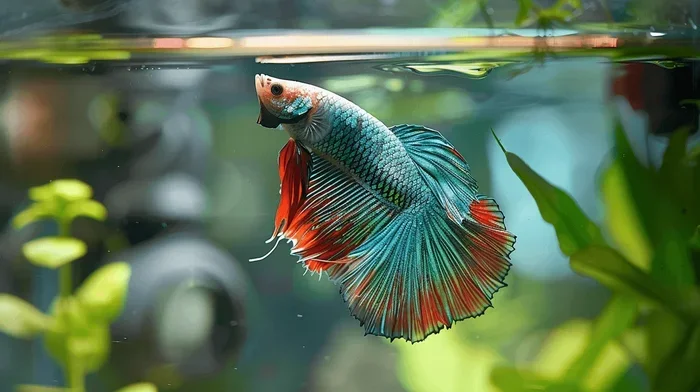
City water is generally safe for betta fish, but only after proper treatment. Most municipal water contains chlorine or chloramine that can harm your betta. Using a water conditioner, letting water sit, and monitoring water parameters are simple steps that keep your betta fish safe and thriving in a clean tank environment.
Keeping a betta fish healthy starts with one simple thing: the water you use. Many betta owners wonder whether city water is safe for their fish. After all, tap water comes straight from the faucet, and it looks clean. But looks can be deceiving.
The truth is that city water contains chemicals added during the treatment process. These chemicals keep humans safe but can be dangerous for betta fish. The good news is that with the right steps, you can make city water safe for betta fish without much effort.
In this guide, we will walk you through everything you need to know. We will cover what is in city water, why it matters, and how to treat it properly. By the end, you will feel confident about using tap water in your betta tank.
Key Takeaways
- City water contains chlorine and chloramine: These chemicals are harmful to betta fish and must be removed before adding water to the tank.
- Water conditioner is the easiest solution: A good conditioner neutralizes harmful chemicals quickly and safely.
- Letting water sit helps but isn’t enough: Chlorine can evaporate, but chloramine does not, so treatment is still needed.
- Monitor pH and temperature: City water pH varies by location, and betta fish need stable conditions between 76-82°F.
- Regular water changes are essential: Changing 25-50% of tank water weekly keeps ammonia and nitrite levels low.
- Test your water often: A simple test kit helps you catch problems before they hurt your fish.
📑 Table of Contents
What Is in City Water?
Municipal water treatment facilities add several chemicals to make water safe for human drinking. While these chemicals work well for us, they can cause serious problems for betta fish. Understanding what is in your water is the first step toward keeping your fish healthy.
Chlorine and Chloramine
Most city water contains chlorine or chloramine. These chemicals kill bacteria and viruses in the water supply. They protect people from waterborne diseases. But for betta fish, they are toxic.
Chlorine is a gas that can be removed by letting water sit for 24 hours. However, chloramine is a combination of chlorine and ammonia. It is more stable and does not evaporate as easily. This means simply letting water sit will not remove chloramine completely.
Heavy Metals
City water may also contain trace amounts of heavy metals. These include copper, lead, and zinc. Even small amounts can stress betta fish over time. Heavy metals can damage gills and other organs. They weaken the immune system and make fish more prone to disease.
pH and Mineral Content
The pH level of city water varies depending on where you live. Some areas have soft water with a low pH. Others have hard water with a high pH. Betta fish prefer slightly acidic to neutral water, typically between 6.5 and 7.5. Large swings in pH can shock your fish and even be fatal.
Minerals like calcium and magnesium are also present in varying amounts. These minerals affect water hardness. Soft water and hard water each come with their own challenges for betta care.
Why City Water Can Be Dangerous for Betta Fish
Now that you know what is in city water, let us talk about why it matters. Betta fish are sensitive creatures. They live in small tank environments where water quality changes quickly. Even small amounts of harmful chemicals can build up fast.
When you add untreated city water directly to a betta tank, several things can go wrong:
- Gill damage: Chlorine and chloramine burn the delicate gill tissue. This makes it hard for your fish to breathe.
- Stress: Chemical exposure causes stress. Stressed fish are more likely to get sick.
- ammonia poisoning: Chloramine contains ammonia. Even small amounts of ammonia are deadly to bettas.
- Skin and fin irritation: Heavy metals and chemicals can irritate the skin and cause fin rot.
- Long-term health problems: Repeated exposure to untreated water shortens a betta’s lifespan.
The key takeaway here is that city water is not safe for betta fish in its untreated form. But the good news is that treatment is simple and effective.
How to Make City Water Safe for Betta Fish
Treating city water for your betta tank is straightforward. You do not need expensive equipment or a chemistry degree. A few simple steps go a long way toward keeping your fish healthy.
Use a Water Conditioner
The fastest and easiest way to make tap water safe is to use a water conditioner. These products neutralize chlorine, chloramine, and heavy metals instantly. You simply add the recommended dose to your tank water before or during a water change.
Look for conditioners that specifically target chloramine. Not all conditioners remove chloramine completely. Some only neutralize chlorine. Reading the label helps you pick the right product. Popular brands like Seachem Prime and API Tap Water Conditioner are widely trusted by betta keepers.
If you are wondering whether a tap water conditioner works for betta fish, the answer is yes. It is one of the most important tools in any betta tank setup. Using a conditioner every time you do a water change should be a non-negotiable habit.
Let Water Sit Out
Another method is to let water sit out for 24 to 48 hours before adding it to the tank. This allows chlorine to evaporate naturally. However, this method has limits. As mentioned earlier, chloramine does not evaporate easily. So this method alone is not enough if your water supply uses chloramine.
Some betta owners let water sit out as a first step and then add conditioner. This two-step approach provides extra safety. It also helps the water reach room temperature before it goes into the tank.
Use a Reverse Osmosis System
For those who want more control over water quality, a reverse osmosis (RO) system is a great option. An RO system removes almost everything from the water, including chemicals, minerals, and heavy metals. You then remineralize the water to the desired levels.
This method gives you complete control over water parameters. However, it requires an upfront investment. If you live in an area with very poor water quality, an RO system is worth considering.
Boil Water
Boiling water can remove chlorine. It is a simple and free method. You boil the water, let it cool completely, and then add it to the tank. However, boiling does not remove chloramine or heavy metals. So this method works best only if your water supply uses chlorine alone.
Testing Your City Water for Betta Fish
You cannot always tell what is in your water just by looking at it. Testing your water regularly helps you understand what you are dealing with. It also helps you catch problems early before they harm your fish.
What to Test For
Here are the key water parameters you should test for your betta tank:
- Chlorine and chloramine: Test kits specifically designed for aquarium water can detect these chemicals.
- pH level: Betta fish thrive in a pH range of 6.5 to 7.5. Test your water to see where it falls.
- Ammonia: Ammonia should always be at 0 ppm in a betta tank. Even 0.25 ppm can cause stress.
- Nitrite: Like ammonia, nitrite should be 0 ppm. It is toxic to fish even in small amounts.
- Nitrate: Nitrate should stay below 20 ppm. Regular water changes help keep nitrate levels low.
- Water hardness: Test for general hardness (GH) and carbonate hardness (KH) to understand mineral content.
When to Test
Test your water at least once a month. You should also test after any major changes, such as switching water sources or adding new tank decorations. If your betta shows signs of stress, testing the water should be your first step.
Common Mistakes People Make with City Water
Even experienced betta owners make mistakes when it comes to water treatment. Avoiding these common errors can save your fish a lot of stress and illness.
Skipping the Water Conditioner
This is the most common mistake. Some owners think that because their water looks clean, it is safe. But clear water can still contain harmful chemicals. Always use a water conditioner before adding tap water to your tank.
Using Distilled Water Without Remineralizing
Some owners switch to distilled water thinking it is safer. While distilled water is free of chemicals, it also lacks essential minerals. Betta fish need minerals for healthy gill function and osmoregulation. If you use distilled water, you must remineralize it properly.
Doing Too Large of Water Changes
Large water changes can shock your betta. Sudden changes in temperature, pH, and chemistry are stressful. Stick to 25-50% water changes weekly. This keeps the environment stable and safe.
Ignoring Temperature
City water temperature can vary depending on the season and your plumbing. Betta fish need warm water between 76 and 82 degrees Fahrenheit. Always check the temperature before adding water to the tank. Use a heater if needed to maintain a stable temperature.
How Often Should You Change Betta Tank Water?
Regular water changes are the backbone of good betta care. They remove waste, dilute toxins, and replenish essential minerals. For most betta tanks, a 25-50% water change every week is ideal. Smaller tanks may need more frequent changes because toxins build up faster.
Always treat new water with a conditioner before adding it to the tank. Match the temperature of the new water to the tank water as closely as possible. A small temperature difference is fine, but a large one can shock your betta.
If you are unsure about your water quality, consider using bottled spring water or treating purified drinking water as an alternative. These options can work well in a pinch, but they are more expensive than treated tap water.
Final Thoughts
City water is safe for betta fish as long as you take the right steps to treat it. The chemicals added to municipal water supplies can harm your fish, but a simple water conditioner solves most of the problems. Test your water regularly, perform consistent water changes, and keep an eye on temperature and pH levels.
Your betta fish depends on you for its environment. Taking the time to treat city water properly shows that you care about your fish’s health and happiness. With the tips in this guide, you are well on your way to creating a safe and thriving home for your betta.
Remember, every tank is different. What works for one betta may not work for another. Pay attention to your fish’s behavior, test your water often, and adjust as needed. A little effort goes a long way when it comes to keeping your betta healthy and colorful.
Frequently Asked Questions
Can betta fish live in city tap water without treatment?
No, untreated city tap water contains chlorine and chloramine that are harmful to betta fish. Always treat tap water with a conditioner before adding it to your betta tank to remove these toxic chemicals.
How long should you let city water sit before adding it to a betta tank?
If your water contains only chlorine, letting it sit for 24 hours is enough. However, if your water contains chloramine, letting it sit will not remove it completely. Always use a water conditioner for the safest results.
Is bottled water better than city water for betta fish?
Bottled water can be a good alternative, but it depends on the type. Spring water may contain minerals that are beneficial, while purified water lacks them. Always test bottled water before using it and consider using a conditioner for extra safety.
What is the best water conditioner for betta fish?
Look for a conditioner that removes chlorine, chloramine, and heavy metals. Brands like Seachem Prime and API Tap Water Conditioner are popular choices among betta keepers. Always follow the dosage instructions on the label.
Can you boil city water to make it safe for betta fish?
Boiling water can remove chlorine, but it does not remove chloramine or heavy metals. It is not a reliable method on its own. Using a water conditioner is a much more effective and convenient option.
How often should you test city water for your betta tank?
Test your water at least once a month. You should also test after any changes to your water source or if your betta shows signs of stress. A simple test kit can check for chlorine, pH, ammonia, nitrite, and nitrate levels.