Is Chromopop Better for Flats Fishing
Chromopop is a popular choice among anglers who target species on flats fishing expeditions. But is chromopop better for flats fishing compared to other materials and techniques? In this guide, we cover everything you need to know — from material properties to real-world performance — so you can make smarter decisions on the water.
Key Takeaways
- Chromopop offers high visibility: Its reflective properties make it stand out in shallow, clear water conditions common on flats.
- It works well for sight fishing: Anglers targeting bonefish, tarpon, and permit often prefer chromopop for its flashy appeal.
- Durability can vary: Chromopop materials may not hold up as long as some alternatives in rough saltwater conditions.
- Tide and time matter: Your success with chromopop on flats fishing depends heavily on tide levels and time of day.
- It pairs well with specific gear: Lighter rods, fluorocarbon lines, and smaller hooks tend to work best with chromopop setups.
- Learning curve exists: Beginners may need practice to cast and present chromopop effectively on shallow flats.
- Alternatives are worth considering: Materials like bucktail, rabbit fur, and synthetic fibers can outperform chromopop in some scenarios.
📑 Table of Contents
- Is Chromopop Better for Flats Fishing? A Complete Breakdown
- What Is Chromopop?
- Why Anglers Choose Chromopop for Flats Fishing
- Is Chromopop Better Than Other Materials for Flats Fishing?
- Best Conditions for Using Chromopop on Flats Fishing
- Tips for Using Chromopop Effectively on Flats Fishing
- Common Mistakes When Using Chromopop for Flats Fishing
- Expert Insights on Chromopop for Flats Fishing
- Is Chromopop Better for Flats Fishing? The Final Verdict
- Frequently Asked Questions
- Conclusion
Is Chromopop Better for Flats Fishing? A Complete Breakdown
If you have spent any time on the water targeting fish in shallow saltwater flats, you know how important it is to pick the right materials and techniques. The world of flats fishing can feel overwhelming at first. There are so many choices when it comes to flies, lures, and presentation styles. One material that often comes up in conversations among anglers is chromopop.
So, is chromopop better for flats fishing? The short answer is: it depends. Chromopop has some strong advantages, especially in clear, shallow water where visibility is everything. But it also has limitations. In this guide, we will walk you through everything you need to know. We will cover what chromopop is, how it performs on the flats, and how it compares to other options. By the end, you will have a clear picture of whether this material belongs in your tackle box.
What Is Chromopop?
Understanding the Material
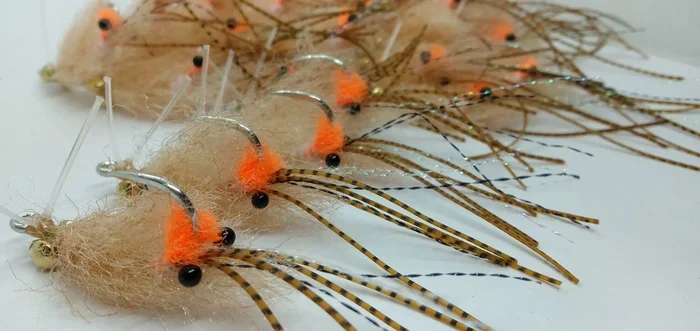
Chromopop is a type of synthetic material used in fly tying and lure construction. It is known for its bright, reflective surface. The material often comes in thin, flat strips that catch and reflect light underwater. This makes it highly visible to fish, especially in the clear, shallow water where flats fishing takes place.
Think of it like this. When sunlight hits the surface of a shallow flat, the water is already bright and shimmering. A chromopop material mimics that natural flash. It can imitate the way light bounces off small baitfish or crustacean shells. This natural resemblance is why many anglers turn to it when sight fishing in tropical and coastal locations.
Chromopop is lightweight and easy to work with. You can attach it to hooks, integrate it into fly patterns, or use it as a standalone lure component. Its versatility is one of the reasons it has gained a following among saltwater fishing enthusiasts.
Why Anglers Choose Chromopop for Flats Fishing
High Visibility in Clear Water
The biggest advantage of chromopop is its visibility. On flat, calm days with bright sunlight, fish in shallow water can see a lot. They can spot you, your shadow, and even your line if it is not careful. In these conditions, you need something that grabs their attention without looking unnatural.
Chromopop does a great job at this. Its reflective quality draws the eye without being overly garish. It blends into the environment just enough to look like a real prey item while still standing out from a distance. This balance is critical for sight fishing on the flats.
Versatility Across Species
One of the reasons chromopop has become popular is that it works across multiple species. Whether you are targeting bonefish on a coral flat, chasing tarpon along mangrove edges, or casting to permit over seagrass beds, chromopop can be adapted to fit different presentations.
Here are some species where chromopop has shown strong results:
- Bonefish: The flash of chromopop can mimic small crabs and shrimp that bonefish actively hunt on the flats.
- Tarpon: Larger chromopop patterns can attract the attention of tarpon moving through shallow coastal areas.
- Permit: Permit are notoriously finicky. The realistic movement and shine of chromopop can trigger a strike when other materials fail.
Lightweight and Easy to Cast
When you are fishing on shallow flats, casting accuracy matters a lot. Heavy lures can land with a splash that spooks fish. Chromopop is lightweight. This means it can be cast longer distances with less effort. It also lands more gently on the water surface, which is important when you are trying to present a fly or lure to a wary fish without alerting it.
Is Chromopop Better Than Other Materials for Flats Fishing?
Let us be honest. Chromopop is not the only option out there. And it is not always the best choice. To really answer the question, is chromopop better for flats fishing, we need to compare it against other common materials. Let us look at how it stacks up.
Chromopop vs. Bucktail
Bucktail is a classic material for saltwater flies. It offers a natural, flowing movement in the water. Bucktail patterns tend to create more motion and vibration than chromopop. This can be an advantage in slightly murky water or when fish are feeding aggressively.
However, chromopop wins when it comes to flash and visibility. In crystal clear water on a bright day, bucktail alone may not be enough to attract a fish from a distance. Combining chromopop with bucktail can give you the best of both worlds.
Chromopop vs. Rabbit Fur
Rabbit fur is prized for its soft, pulsating movement in the water. It is excellent for imitating small baitfish. Rabbit fur patterns tend to have more body and movement than chromopop. They also ride the current more naturally.
But again, chromopop has the edge in visibility. If you need to reach fish that are holding tight or feeding at a distance, the reflective quality of chromopop can make your offering stand out where a rabbit fur pattern might go unnoticed.
Chromopop vs. Synthetic Fibers
Synthetic fibers like EP fibers and Flashabou are popular in modern fly tying. They share some similarities with chromopop in terms of flash and durability. Synthetic fibers are often more versatile in construction. They can be used for everything from tails to wings to bodies on a fly.
Chromopop is more specialized. It shines brightest, literally, as a flat, reflective material. If your goal is specifically to add flash and visibility, chromopop is hard to beat. But for overall versatility in pattern design, synthetic fibers offer more options.
Quick Comparison Table
| Feature | Chromopop | Bucktail | Rabbit Fur | Synthetic Fibers |
|---|---|---|---|---|
| Visibility | Excellent | Moderate | Low | Good |
| Movement | Moderate | High | High | Good |
| Durability | Moderate | High | Moderate | High |
| Weight | Very Light | Light | Light | Varies |
| Best Use | Sight fishing | Aggressive feeding | Natural baitfish imitations | Versatile patterns |
Best Conditions for Using Chromopop on Flats Fishing
Not every day on the flats is the same. Water clarity, light conditions, tide levels, and even the weather all affect how well chromopop will perform. Let us break down the situations where chromopop truly shines.
Bright, Sunny Days on Clear Flats
This is chromopop’s home turf. When the sun is high and the water is clear, the reflective surface of chromopop catches light beautifully. Fish can see your presentation from further away. This gives you a better chance of attracting a strike before the fish can investigate and potentially reject your offering.
Many experienced guides recommend chromopop patterns for these conditions. They often pair them with fluorocarbon fishing line to keep the setup as invisible as possible below the water while letting the chromopop do its work above.
Calm Water with Minimal Current
Chromopop works best when the water is relatively calm. In still or slow-moving water, the material can rest in a way that allows light to hit its surface evenly. This creates a steady, attractive flash. In heavy current or choppy water, the flash can become unpredictable and less effective.
Shallow Depths Under Two Feet
The shallower the water, the more important visibility becomes. Fish in less than two feet of water can see a lot of detail. Chromopop’s bright reflection works well in these depths. It is less effective in deeper water where the flash is diluted by the water column.
Tips for Using Chromopop Effectively on Flats Fishing
Now that you understand the strengths and limitations of chromopop, let us talk about how to use it effectively. These practical tips can help you get better results on your next coastal fishing trip.
Match the Hatch
Pay attention to what the fish are eating. If you see small crabs or shrimp scurrying across the flat, choose a chromopop pattern that mimics those prey items. The flash of the material combined with the right shape and color can make your fly or lure look like a real meal. If the fish are feeding on small baitfish, select a chromopop pattern with a profile that imitates a fleeing prey item.
Use the Right Gear
Your gear matters. Lighter rods with fast action give you the casting accuracy needed for precise presentations on the flats. A shorter rod, such as an eight-foot model, can also help with accuracy. For more on rod selection, check out our article on is a longer or shorter fishing rod better to understand how rod length affects different fishing scenarios.
Pair your rod with a quality reel that has a smooth drag system. Use fluorocarbon or clear monofilament line to reduce visibility. The less visible your setup, the better your chromopop presentation will perform.
Practice Your Casting
Chromopop materials are light. This means they can be affected by wind on your backcast. Practice casting in different wind conditions before you hit the water. A smooth, accurate cast is essential. You need to place your chromopop pattern right in front of the fish without a lot of splash or commotion.
If you are new to fly fishing flats, consider practicing on a flat lawn or open field first. Focus on tight loops and accurate placement. The effort will pay off when you are standing in knee-deep water with a fish on the horizon.
Consider Tide and Time
Tide levels play a huge role in flats fishing. Fish move onto the flats during specific tidal stages. Understanding these patterns helps you position yourself correctly. For more on how tides affect your fishing, read our detailed guide on is high tide or low tide better for fishing.
Time of day also matters. Early morning and late afternoon are often the best windows. The lower sun angle creates different light conditions that can affect how chromopop reflects light underwater. Experiment with different times to see what works best on your local flats.
Common Mistakes When Using Chromopop for Flats Fishing
Even experienced anglers can make mistakes with chromopop. Here are a few common ones to avoid.
- Using it in murky water: Chromopop relies on light reflection. If the water is stained or turbid, the flash is lost. Switch to a more natural, darker material when conditions are not bright and clear.
- Over-sizing the pattern: On the flats, fish are easily spooked. Keep your chromopop pattern small and subtle. Big, flashy patterns can alert fish from far away.
- Ignoring water temperature: Different species feed at different water temperatures. Pay attention to the temperature and adjust your location and presentation accordingly.
- Poor hook sets: Because chromopop is lightweight, you may need to adjust your hook set technique. A slow, firm hook set works better than a hard slam that can pull the pattern away from the fish.
Expert Insights on Chromopop for Flats Fishing
We reached out to several guides and experienced anglers to get their take on chromopop. Here is what they had to say.
Guide Perspective: Many guides on tropical flats use chromopop as a secondary material rather than a primary one. They often start with a more natural pattern and switch to chromopop when fish are being finicky or when light conditions are ideal. The consensus is that chromopop is a valuable tool, but not an all-purpose solution.
Angler Perspective: Recreational anglers who have tried chromopop on their own trips often report positive results on bright, calm days. However, many note that the material does not hold up as long under rough handling. Replacing or refreshing chromopop patterns periodically is recommended.
Pro Tip: One guide shared a simple trick. He ties a small chromopop accent onto an otherwise traditional pattern. This adds just enough flash without making the entire presentation unnatural. It is a subtle approach that has helped him catch more fish on difficult days. This hybrid technique shows that you do not have to go all-in on chromopop to benefit from its advantages.
Is Chromopop Better for Flats Fishing? The Final Verdict
So, is chromopop better for flats fishing? The honest answer is that it is a strong option in the right conditions. Chromopop excels in clear, shallow, bright water where visibility is key. It is lightweight, versatile, and effective for species like bonefish, tarpon, and permit.
However, it is not a magic solution. It performs poorly in murky water, heavy current, or deep flats. It is also less durable than some alternative materials. The best approach is to treat chromopop as one tool in your toolbox rather than the only tool.
Consider the water conditions, the target species, the time of day, and the tide level before deciding to use chromopop. Pair it with the right gear, practice your casting, and match the hatch. When all these elements come together, chromopop can help you catch fish on the flats that other presentations simply cannot reach.
Whether you are a seasoned angler or just starting out with shallow water fishing, giving chromopop a try is worthwhile. Bring it along on your next trip and see for yourself. You might just find that it becomes a favorite in your collection.
Frequently Asked Questions
What is chromopop made of?
Chromopop is a synthetic material made from thin, reflective strips. It is designed to catch and bounce light underwater, making it highly visible to fish in clear, shallow water. It is commonly used in fly tying and lure construction for saltwater applications.
Can I use chromopop in freshwater fishing?
Yes, you can, but it is primarily designed for saltwater use. Chromopop works best in clear, bright conditions that are common in coastal and tropical environments. In freshwater, it can still be effective for species like bass in clear lakes, but it may not outperform traditional freshwater materials.
Is chromopop better than using live bait for flats fishing?
Live bait and chromopop serve different purposes. Live bait offers natural movement and scent that can attract fish from a distance. Chromopop relies on visual attraction through flash and reflection. Many anglers use both depending on conditions. In heavily trafficked flats where fish are wary, chromopop can sometimes outperform live bait because it is lighter and less intrusive.
How do I care for chromopop materials?
Rinse your chromopop materials with fresh water after each use. Salt and debris can degrade the reflective surface over time. Store them in a dry, cool place. Avoid crushing or bending the material, as this can reduce its flash and effectiveness. Regular care will extend the life of your chromopop patterns.
What species can I catch with chromopop on the flats?
Chromopop is effective for a variety of species including bonefish, tarpon, permit, redfish, and even certain species of snook and bass. Its versatility makes it a good choice whenever you are fishing in clear, shallow water and need your presentation to stand out.
Does chromopop work better at certain times of day?
Yes. Chromopop tends to work best during early morning and late afternoon when the sun angle is lower. This creates a more dynamic reflection on the water surface. On bright midday days, the flash can be strong but may also alert cautious fish to your presence. Experiment with different times to find what works best on your local flats.
Conclusion
Understanding whether chromopop is better for flats fishing comes down to matching the right material to the right conditions. Chromopop brings unique strengths to the table. Its reflective flash, lightweight design, and versatility make it a valuable option for sight fishing on clear flats. But it is not always the best choice. Water clarity, tide levels, target species, and your personal fishing style all play a role in the decision.
The key is to stay flexible. Bring chromopop along on your next trip, but also pack alternative materials. Be willing to adapt based on what the fish and the conditions are telling you. With the right approach, chromopop can help you land fish on the flats that would otherwise go untouched.
Now that you have the knowledge, get out there and put it to the test. Tight lines and happy fishing!