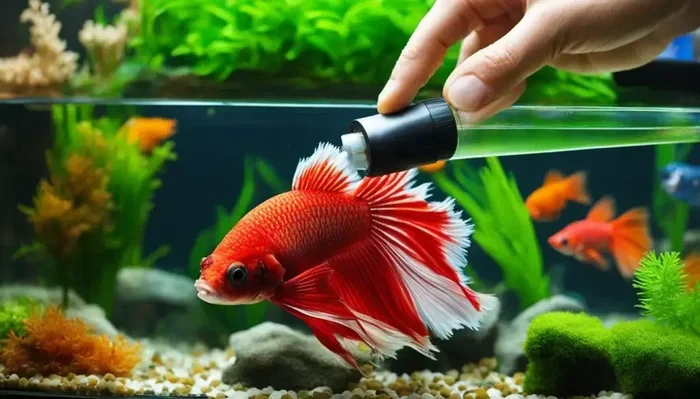
Is Brown Algae Harmful to Betta Fish

Brown algae is generally not harmful to betta fish and can even provide a natural environment, but excessive growth may indicate poor water quality that could affect your fish’s health. Understanding what causes brown algae blooms and how to manage them will help you keep your betta fish tank clean, balanced, and thriving. This guide covers everything you need to know about the relationship between brown algae and your betta fish.
Key Takeaways
- Brown algae are generally harmless: they’re a normal part of new tank cycling and rarely threaten bettas.
- Heavy blooms can lower oxygen: dense algae may reduce oxygen, so control growth early.
- Reduce light and nutrients: limit light duration and avoid overfeeding to starve diatoms.
- Add algae-eating helpers: snails or shrimp can help clean brown algae from surfaces.
- Perform regular water changes: removing excess silicates and organics keeps diatoms from thriving.
- Brown algae often disappear on their own: once the tank fully cycles, they clear up.
📑 Table of Contents
- What Is Brown Algae and Why Does It Show Up in Betta Tanks?
- Is Brown Algae Actually Harmful to Your Betta Fish?
- Common Causes of Brown Algae Growth in Betta Tanks
- How to Remove Brown Algae From Your Betta Tank
- Preventing Brown Algae From Coming Back
- When Should You Really Worry About Brown Algae?
- Final Thoughts on Brown Algae and Your Betta Fish
What Is Brown Algae and Why Does It Show Up in Betta Tanks?
Brown algae is a common sight in many betta fish tanks. It looks like a thin, dust-like film that coats your glass, substrate, and decorations. Many fish owners panic when they see it for the first time. But here is the good news: brown algae is usually not dangerous on its own.
This type of algae is also called diatom algae. It thrives in new tanks especially. When you set up a betta fish tank for the first time, beneficial bacteria are still building up. During this phase, silicates and other nutrients float freely in the water. Brown algae feeds on these nutrients and spreads quickly.
Experienced aquarists know that a little algae is normal. It does not mean you failed as a tank owner. Even the best-maintained tanks can develop a thin film of brown algae from time to time. The key is understanding what triggers it and how to manage it before it becomes a real problem.
How Brown Algae Differs From Other Types of Algae
Not all algae look the same. Green algae tends to be fuzzy or stringy. Blue-green algae is actually bacteria and can be toxic. But brown algae has a distinctive powdery or dusty texture. You can often wipe it off the glass with your finger. This makes it easier to identify compared to other types of aquarium algae.
Another difference is the color. Brown algae ranges from light tan to dark brown. In low-light conditions, it may even appear greenish-brown. This color variation sometimes confuses new fish keepers. They might mistake it for something more serious than it actually is.
Is Brown Algae Actually Harmful to Your Betta Fish?
This is the question most betta owners want answered. The short answer is: brown algae is not directly harmful to your fish. It does not produce toxins that poison bettas. A small amount of film on your tank walls is mostly cosmetic.
However, there is more to the story. When brown algae grows out of control, it can indirectly affect your betta’s health. Thick algae blooms reduce light penetration. This can harm live plants that your betta relies on for oxygen and hiding spots. Over time, a tank with heavy algae growth may also signal underlying water quality issues.
So while brown algae itself is not deadly, ignoring it completely is not wise. You should address the root cause. This protects both your tank environment and your betta’s long-term well-being. If you notice your betta acting strangely alongside algae growth, check out our guide on why your betta fish is struggling to swim for helpful insights.
The Real Risks of Ignoring Heavy Algae Growth
Heavy algae growth can deplete oxygen levels in your tank during the night. Algae respires just like your fish does. When the lights go off, algae consumes oxygen and releases carbon dioxide. In a heavily infested tank, this can stress your betta. Your fish may start going to the surface more often to gasp for air.
Excess algae can also throw your nitrogen cycle off balance. As algae dies and decomposes, it adds ammonia to the water. Even small spikes in ammonia can harm your betta. This is why regular maintenance matters so much. Catching algae early keeps your tank cycle stable and your fish safe.
Common Causes of Brown Algae Growth in Betta Tanks
Understanding what causes brown algae is the first step toward preventing it. Several factors work together to create the perfect environment for this type of algae. Let us break them down one by one.
High Silicate Levels in Your Water
Silicates are one of the main food sources for brown algae. These minerals naturally occur in tap water and many substrates. Sand substrates, especially cheaper ones, tend to leach silicates over time. If your tank water has high silicate content, you will likely see brown algae no matter how often you clean.
Testing your water for silicates is easy. Aquarium test kits are affordable and widely available. If levels are high, consider switching to a reverse osmosis water source or using silicate-removing filter media. This single change can dramatically reduce brown algae outbreaks.
Excess Light or Wrong Lighting Schedule
Light drives all types of algae growth, including brown algae. If your tank receives too much light, algae will thrive. This includes both natural sunlight and artificial aquarium lights. Placing your betta tank near a sunny window is one of the most common mistakes new owners make.
Another issue is leaving lights on too long. More than eight to ten hours of light per day can trigger algae blooms. Even the color temperature of your bulbs matters. Warmer spectrum lights sometimes encourage brown algae more than cooler ones. Stick to a consistent schedule and use a timer to keep things balanced.
Poor Water Quality and Infrequent Maintenance
Dirty water is the number one enemy of a healthy aquarium. When you skip water changes, organic waste builds up. This waste breaks down into nitrates and phosphates. These nutrients feed brown algae and help it spread rapidly. If you notice your tank turning brown, poor maintenance is often the culprit.
For more details on keeping your tank clean, check out our article on how to clean algae from your betta fish tank. Regular maintenance is the foundation of a healthy aquarium.
New Tank Syndrome and Cycling Issues
New tanks are especially vulnerable to brown algae. During the cycling process, beneficial bacteria colonies are still establishing themselves. Nutrients circulate freely because the biological filter is not yet mature. This creates ideal conditions for brown algae to bloom within the first few weeks.
Patience is essential during this phase. Most new tank algae issues resolve once the cycle completes. Adding live plants can also help speed up the process. Plants compete with algae for the same nutrients, effectively starving out brown algae naturally.
How to Remove Brown Algae From Your Betta Tank
Dealing with existing brown algae is straightforward. You do not need expensive equipment or harsh chemicals. A few simple steps can restore clarity to your tank and keep your betta comfortable.
Step-by-Step Removal Process
Start by wiping down the glass with an algae magnet or soft sponge. Do not use soap or any chemical cleaners. These can be deadly to your fish. A plain water rinse or a dedicated aquarium scraper works perfectly.
Next, vacuum the substrate during a water change. This removes trapped silicates and organic debris that fuel brown algae. Replace about 25 to 30 percent of the tank water with fresh, dechlorinated water. This dilutes the nutrients in the tank and slows algae growth.
Check your filter media too. Rinse mechanical media in old tank water to preserve beneficial bacteria. Replace chemical media like activated carbon if it is saturated. Clean filters help maintain water quality and prevent future brown algae outbreaks.
Can Algae Eaters Help With Brown Algae?
Some tank mates can help control brown algae in a betta tank. However, not all algae eaters are compatible with bettas. Nerite snails are excellent at consuming diatom algae. They are peaceful and will not bother your betta. Amano shrimp are another good option for larger tanks.
If you are considering adding tank mates, make sure they will get along. Check out our guide on whether betta fish get along with algae eaters before making any additions. Compatibility matters a lot when choosing algae control helpers.
Chemical and Product-Based Solutions
Commercial algae removers exist, but use them with caution. Some chemical treatments can harm beneficial bacteria in your tank. They may also stress your betta if dosed incorrectly. Always follow the manufacturer instructions and research any product before adding it to your aquarium.
Many experienced aquarists prefer natural methods over chemicals. Reducing light, performing regular water changes, and adding live plants often solve the problem without any products. Natural approaches are safer for your betta and your overall tank ecosystem.
Preventing Brown Algae From Coming Back
Removal is only half the battle. Prevention is what keeps your tank clear long-term. A few consistent habits will make a big difference in controlling brown algae before it ever becomes a problem.
Stick to a Regular Maintenance Schedule
Consistency is the most powerful tool against brown algae. Set a weekly schedule for partial water changes. Test your water parameters at least once a week. Monitor ammonia, nitrite, nitrate, and pH levels regularly. When you catch imbalances early, you prevent algae blooms before they start.
Cleaning your filter every two to four weeks also helps. But never clean all filter media at once. You need to preserve beneficial bacteria colonies. These bacteria are what keep your tank stable and your betta healthy.
Optimize Your Lighting Setup
Use a timer for your aquarium lights and keep them on for eight hours or less per day. Avoid placing your tank in direct sunlight. Choose LED lights with adjustable intensity so you can fine-tune the brightness. If brown algae keeps returning, try reducing the light duration further and see if that helps.
Add Live Plants to Compete With Algae
Live plants are nature’s best algae defense. They absorb the same nutrients that brown algae feeds on. Fast-growing plants like java moss, anubias, and hornwort are particularly effective. These plants are easy to care for and thrive in betta tanks.
Plants also oxygenate your water and provide hiding spots for your betta. They create a more natural and enriching environment. The more plants you have, the less room brown algae has to grow. It is a win-win situation for both you and your fish.
When Should You Really Worry About Brown Algae?
Most of the time, brown algae is a manageable nuisance. But there are moments when it signals a deeper problem. If your tank develops a thick, slimy brown coating that returns within hours of cleaning, something is off with your water chemistry.
Watch for these warning signs:
- Persistent brown algae despite regular water changes
- Your betta showing signs of stress like clamped fins or loss of appetite
- Unusual behavior such as sinking to the bottom or staying at the surface constantly
- High ammonia or nitrite readings in your water tests
- A foul odor coming from the tank
If you notice any of these signs, test your water immediately. Ammonia spikes can be life-threatening for bettas. Address water quality issues first before tackling the algae. A stable tank environment is the best defense against any type of algae outbreak.
Comparing Brown Algae to Other Common Tank Problems
| Issue | Direct Harm to Betta? | Easy to Fix? | Prevention Level |
|---|---|---|---|
| Brown Algae | Low (indirect only) | Very Easy | High |
| Green Algae | Low | Easy | High |
| Blue-Green Algae (Cyanobacteria) | Medium to High | Moderate | Medium |
| High Ammonia | Very High | Urgent Action Needed | High |
| Fungal Infection | Medium | Moderate | Medium |
This table shows that brown algae ranks among the least harmful tank issues. It is far less dangerous than ammonia spikes or fungal infections. Still, no tank problem should be ignored completely. Early action always leads to better outcomes for your fish and your aquarium.
Quick Tips for Keeping Brown Algae Under Control
- Perform 25% water changes every week without fail
- Use a silicate-removing filter pad in your filter
- Limit light exposure to 8 hours or less per day
- Add fast-growing live plants to outcompete algae
- Avoid overfeeding your betta uneaten food fuels algae growth
- Test water parameters weekly to catch problems early
- Keep your tank away from direct sunlight
- Clean your substrate during every other water change
These simple habits take only minutes each week. But they add up to a huge difference over time. A consistent routine keeps brown algae in check and gives your betta the best possible home.
Final Thoughts on Brown Algae and Your Betta Fish
So, is brown algae harmful to betta fish? The answer is mostly no. It is not toxic, and a thin film is completely normal. But ignoring heavy growth can lead to indirect problems like oxygen depletion and water quality swings. The best approach is simple: stay proactive, maintain your tank regularly, and address the root causes before they spiral.
Remember that every aquarium is different. Your tank’s lighting, water source, and stocking levels all play a role in algae control. Do not get discouraged if brown algae appears. It happens to almost every fish keeper at some point. What matters is how quickly and effectively you respond.
With the right knowledge and a little consistent effort, you can keep your betta tank clean, clear, and healthy. Your fish will thank you with vibrant colors and active behavior. Start applying these tips today and enjoy a beautiful, algae-managed aquarium for years to come.
Frequently Asked Questions
Is brown algae harmful to betta fish?
Brown algae is generally not harmful to betta fish. In fact, it is a natural part of the aquarium ecosystem and can even provide a small food source. However, excessive growth may indicate poor water quality, which could stress your fish over time.
What causes brown algae to grow in a betta tank?
Brown algae often appears when there is too much light, excess silicates or nitrates in the water, or inconsistent tank maintenance. New tanks are especially prone to brown algae blooms during the cycling phase. Adding live plants can also help reduce the conditions that promote its growth.
Can algae in a betta tank make fish sick?
Brown algae itself rarely makes betta fish sick, but the underlying causes behind its growth can. High nitrate or phosphate levels often accompany heavy algae growth and may lead to stress or weakened immunity in fish. Keeping up with regular water changes helps prevent these issues.
How do I get rid of brown algae in my betta aquarium?
Start by performing a partial water change and cleaning the substrate to remove excess nutrients. Reducing the photoperiod to 6–8 hours per day can also slow growth significantly. A phosphate remover or silicate-absorbing media in your filter can tackle the root cause of brown algae buildup.
Is brown algae dangerous for betta fish?
Brown algae is not directly dangerous to betta fish, but it can signal an imbalance in the tank. When algae blooms heavily, it may block light from reaching live plants and lower oxygen levels slightly. Maintaining stable water parameters keeps both your tank and your betta healthy.
What’s the best way to prevent algae from growing in a betta tank?
Preventing brown algae starts with consistent water changes and avoiding overfeeding your betta. Use a timer to limit light exposure to 6–8 hours a day, and test your water regularly for nitrates and phosphates. Adding fast-growing live plants gives beneficial algae competitors a chance to thrive instead.