Is Betta Fish Cold Blooded
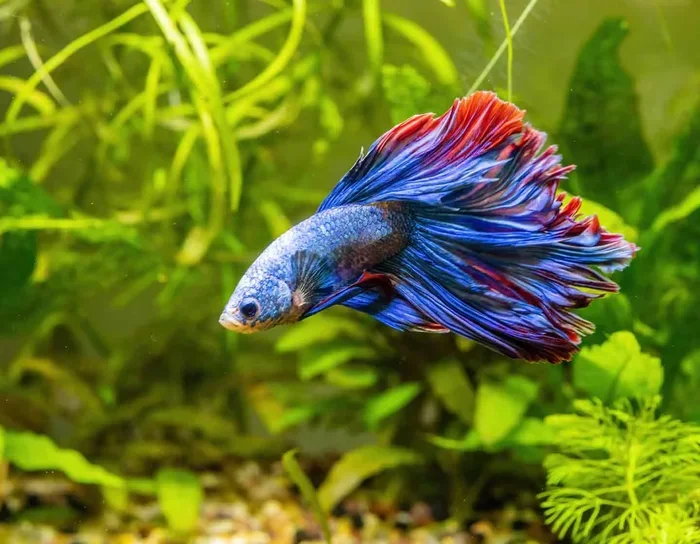
Yes, betta fish are cold blooded, which means their body temperature matches their surrounding water. This makes temperature control absolutely essential for their health, mood, and lifespan. Keeping your betta in the right range prevents stress, disease, and early death.
If you own a betta fish or are thinking about getting one, you might wonder, is betta fish cold blooded. The short answer is yes. But what does that actually mean for your fish and your daily care routine? Let us break it all down in simple terms.
Betta fish, also known as Siamese fighting fish, are tropical creatures. They come from warm, slow-moving waters in Southeast Asia. Because they are cold blooded, their body temperature changes with the water around them. This is very different from humans or warm blooded animals, who keep a steady internal temperature no matter what.
Understanding this fact is the single most important thing you can do as a betta owner. It shapes everything from the tank setup to the food you feed. In this article, we will walk through exactly why being cold blooded matters, what happens when the temperature goes wrong, and how you can keep your betta thriving.
Key Takeaways
- Betta fish are cold blooded: They cannot regulate their own body temperature and rely entirely on their environment.
- Ideal temperature range is 76-82°F (24-28°C): Staying within this range keeps your betta healthy and active.
- Cold water slows down metabolism: This leads to lethargy, weakened immunity, and increased risk of illness.
- Hot water causes stress too: Temperatures above 86°F can oxygenate the water poorly and harm your fish.
- A heater is a must: Room temperature water is almost always too cold for bettas, especially in winter.
- Watch for warning signs: Clamped fins, lack of appetite, and hiding behavior often signal temperature problems.
📑 Table of Contents
- What Does It Mean to Be Cold Blooded?
- Why Temperature Matters So Much for Betta Fish
- What Is the Ideal Temperature for Betta Fish?
- Signs Your Betta Fish Is Too Cold
- How to Keep the Right Temperature for Your Betta
- Common Mistakes Bettas Owners Make With Temperature
- Expert Insights on Betta Fish and Temperature
- Key Takeaways to Remember
- Conclusion
What Does It Mean to Be Cold Blooded?
When we say a fish is cold blooded, scientists call it ectothermic. This simply means the animal depends on external heat sources to warm its body. A betta fish cannot generate its own body heat. Its body temperature rises and falls with the water temperature in the tank.
This is a big deal because it affects every part of your fish’s life. Let us look at how this works in practice.
How Cold Blooded Animals Regulate Heat
Warm blooded animals, like mammals and birds, burn energy to stay warm. A cold blooded betta fish does not have this ability. Instead, it moves to warmer or cooler spots in its environment to adjust. In the wild, bettas live in shallow, warm rice paddies and slow streams where the sun naturally heats the water.
In a home aquarium, your fish has no choice. The water temperature is entirely up to you. This is why a reliable aquarium heater is not optional. It is a necessity.
Cold Blooded vs Warm Blooded
Here is a simple way to think about it. If you feel cold, you put on a jacket or turn up the heat. Your body does that work automatically. A betta fish cannot do that. If the water gets cold, the fish gets cold. There is no internal system to fix it.
This is why so many new betta owners accidentally harm their fish by keeping the water too cool. Room temperature water, especially in winter, is often below what a betta needs to stay healthy.
Why Temperature Matters So Much for Betta Fish
Because bettas are cold blooded, even small changes in water temperature can have a big impact. Temperature controls their metabolism, their immune system, and their overall energy levels.
The Metabolism Connection
Metabolism is the process your body uses to turn food into energy. For a cold blooded betta, metabolism speeds up in warm water and slows down in cold water. This means:
- In warm water within the ideal range, your betta digests food efficiently and stays active.
- In cold water, digestion slows down. Food can sit undigested in the gut, causing bloating and health issues.
- In very cold water, the metabolism drops so low the fish becomes lethargic and weak.
Immune System and Disease
A betta kept in cold water has a weakened immune system. This makes it much easier for diseases like fin rot, ich, and fungal infections to take hold. Many betta owners do not realize that temperature stress is the root cause of frequent illnesses.
Keeping the water in the sweet spot gives your betta’s body the best chance to fight off germs naturally. A stable, warm environment is literally the foundation of good betta fish care.
Behavior and Mood
Have you ever noticed your betta hiding at the bottom of the tank or barely moving? Cold water could be the reason. A cold blooded betta in cool water becomes sluggish. It swims less, eats less, and often hides more.
On the other hand, a betta kept at the right temperature will be curious, colorful, and energetic. You will see it flare its fins, explore the tank, and interact with you. Temperature directly affects your fish’s personality and quality of life.
What Is the Ideal Temperature for Betta Fish?
The ideal temperature for betta fish is between 76 and 82 degrees Fahrenheit, which is about 24 to 28 degrees Celsius. This range mimics the warm tropical waters where bettas naturally live.
The Danger Zone: Too Cold
Water below 72°F is considered too cold for a betta. At this temperature, your fish will start to feel stressed. Its immune system weakens, and its metabolism slows to a crawl. Prolonged exposure to cold water can lead to serious health problems or even death.
If you have ever asked yourself, can betta fish live in cold water, the honest answer is no, not for long. Even short periods of cold stress can cause lasting damage.
The Danger Zone: Too Hot
Water above 86°F is also harmful. Very warm water holds less oxygen. Your betta may struggle to breathe even if the water looks fine. High temperatures also increase stress and can shorten your fish’s lifespan.
The goal is to keep the temperature steady and within the ideal range. Fluctuations are just as bad as being too hot or too cold.
Quick Reference Table
| Temperature Range | Effect on Betta Fish |
|---|---|
| Below 72°F (22°C) | Too cold. Lethargy, stress, disease risk, possible death. |
| 76-82°F (24-28°C) | Ideal range. Healthy metabolism, strong immunity, active behavior. |
| 83-86°F (28-30°C) | Slightly warm. Acceptable short term but not ideal long term. |
| Above 86°F (30°C) | Too hot. Low oxygen, stress, risk of heat shock. |
Signs Your Betta Fish Is Too Cold
Recognizing the signs of cold stress early can save your fish’s life. Since bettas are cold blooded, they show physical and behavioral changes when the water is too cool. Here are the most common warning signs to watch for:
- Lethargy and inactivity: Your betta barely moves or stays at the bottom of the tank.
- Clamped fins: Fins stay folded close to the body instead of being spread out.
- Loss of appetite: The fish refuses food or eats very slowly.
- Fading color: The vibrant colors dull or fade when the fish is stressed from cold.
- Hiding constantly: A normally curious betta hides behind decorations or in corners.
- Slow digestion: You may notice bloating or undigested food in the tank.
If you notice any of these signs, check the water temperature right away. Adjusting the heater or moving the tank to a warmer spot can make a huge difference quickly.
How to Keep the Right Temperature for Your Betta
Maintaining the proper temperature is one of the easiest parts of betta fish care, as long as you have the right tools. Here is what you need to do.
Use a Good Aquarium Heater
A small aquarium heater is the best investment you can make for your betta tank. Look for a heater with a built-in thermostat that automatically turns on and off to maintain the set temperature. For tanks under 5 gallons, a 25-watt heater usually works well. For larger tanks, you may need a 50-watt or higher model.
Place the heater near the filter output so the warm water circulates evenly throughout the tank. This prevents hot and cold spots that can stress your fish.
Use a Thermometer
Never guess the temperature. Use a simple aquarium thermometer to check the water daily. Stick-on thermometers are cheap and easy to read. Digital thermometers give even more precise readings.
Checking the temperature takes only a few seconds but it protects your fish from invisible danger.
Avoid Drafts and Temperature Swings
Place your betta tank away from windows, air conditioners, and doors that open frequently. Drafts can cause sudden temperature drops that shock your cold blooded fish. Even a few degrees of fluctuation over a short time can be harmful.
Consistency matters more than hitting the perfect number every single time. A stable temperature within the ideal range is the goal.
What About Room Temperature? Can You Skip the Heater?
Some people think room temperature water is fine for a betta. In most homes, especially during winter or in air conditioned rooms, the temperature sits around 68 to 72°F. That is too cold for a betta. Even in summer, room temperature can dip below the safe range at night.
Do not skip the heater. It is a small cost that pays off in a longer, healthier life for your fish. If you are worried about electricity costs, modern aquarium heaters use very little power.
Common Mistakes Bettas Owners Make With Temperature
Even experienced fish keepers sometimes make mistakes with temperature management. Here are the most common ones to avoid.
Not Using a Heater at All
This is the number one mistake. Many beginners assume bettas can survive in room temperature water. They cannot. Betta fish are tropical and need a consistently warm environment. Without a heater, your fish is at risk every day.
Placing the Tank Near a Window
Sunlight can cause wild temperature swings during the day. A tank in direct sunlight might be fine in the morning and too hot by afternoon. This kind of fluctuation stresses cold blooded fish far more than a steady temperature that is slightly off.
Using Tap Water Without Checking Temperature
When you do water changes, tap water is often much colder than the tank water. Always let the new water reach room temperature or use a thermometer before adding it. Dumping cold water into the tank is like plunging into an ice bath.
Overheating the Tank
Some owners crank the heater too high, thinking warmer is always better. Water above 86°F holds less oxygen and can cause breathing problems. Stick to the recommended range and your betta will be much happier.
Expert Insights on Betta Fish and Temperature
Veterinarians and experienced betta breeders agree on one thing: temperature stability is the foundation of good health. Because bettas are cold blooded, their entire body functions depend on the water temperature. A stable, warm environment supports digestion, immune response, and natural behavior.
If you want to dive deeper into how temperature affects your betta, check out our article on what is the ideal temperature for betta fish. It covers the science and practical tips in more detail.
Also, if you are worried about what happens when things go wrong, our guide on can betta fish die in cold water explains the risks and what to do if your fish has been exposed to cold temperatures.
Understanding that are betta fish warm blooded or cold blooded is a common question, and the answer is clear. Bettas are definitely cold blooded, and this fact shapes every aspect of their care. For more on this topic, you can read our detailed piece on are betta fish warm or cold blooded.
Key Takeaways to Remember
Let us quickly recap the most important points so you can put this knowledge into action right away.
- Betta fish are cold blooded and cannot regulate their own body temperature.
- The ideal temperature range is 76 to 82 degrees Fahrenheit.
- Cold water slows metabolism, weakens the immune system, and causes stress.
- Hot water above 86°F reduces oxygen levels and creates its own set of problems.
- A reliable aquarium heater and a thermometer are essential tools.
- Consistency matters more than perfection. Avoid sudden temperature swings.
- Watch for signs of temperature stress and act quickly if you notice any.
Conclusion
Now you know the answer to the question, is betta fish cold blooded. Yes, they are, and this single fact changes everything about how you care for them. Temperature is not just a number on a thermometer. It is the foundation of your betta’s health, happiness, and lifespan.
By keeping the water in the ideal range and avoiding common mistakes, you give your betta the best possible life. Your fish will be more active, more colorful, and far less likely to get sick. Simple steps like using a heater, checking the temperature daily, and avoiding drafts go a long way.
Take what you have learned here and put it into practice today. Your betta fish will thank you with vibrant colors and energetic swimming. A little attention to temperature makes all the difference in the world.
Frequently Asked Questions
Are betta fish cold blooded or warm blooded?
Betta fish are cold blooded, which means their body temperature matches the water around them. They cannot generate internal heat like warm blooded animals do. This is why you need to keep their tank water at a steady, warm temperature.
Can betta fish survive in cold water?
Betta fish can survive brief exposure to cold water, but prolonged cold temperatures will weaken their immune system and cause serious health problems. Cold water slows their metabolism and makes them vulnerable to disease. Always keep the water within the ideal range of 76 to 82 degrees Fahrenheit.
What happens if the water is too cold for a betta fish?
If the water drops below 72 degrees Fahrenheit, your betta will become lethargic, lose its appetite, and its color may fade. Over time, cold stress leads to a weakened immune system and diseases like fin rot and ich. In extreme cases, cold water can be fatal.
Do I need a heater for my betta fish tank?
Yes, absolutely. Because bettas are cold blooded, they depend on the water temperature to stay healthy. Room temperature water is almost always too cold. A small aquarium heater with a thermostat keeps the water in the ideal range safely and consistently.
What is the best temperature for a betta fish tank?
The best temperature for a betta fish tank is between 76 and 82 degrees Fahrenheit. This range supports healthy digestion, a strong immune system, and natural behavior. Keep the temperature stable and avoid sudden changes.
How can I tell if my betta fish is too cold?
Signs that your betta is too cold include lethargy, clamped fins, loss of appetite, fading colors, and hiding more than usual. If you notice these behaviors, check the water temperature immediately and adjust your heater as needed.